













Product Spotlight
Know Why Custom Promotional Products Works for Any Business
In a world that is dominated by online advertising, billboards, and TV commercials, is it still reasonable to invest in custom promotional products? The short answer is yes. In fact, promotional items are crucial for the success of most businesses. Why?
Help people remember your brand
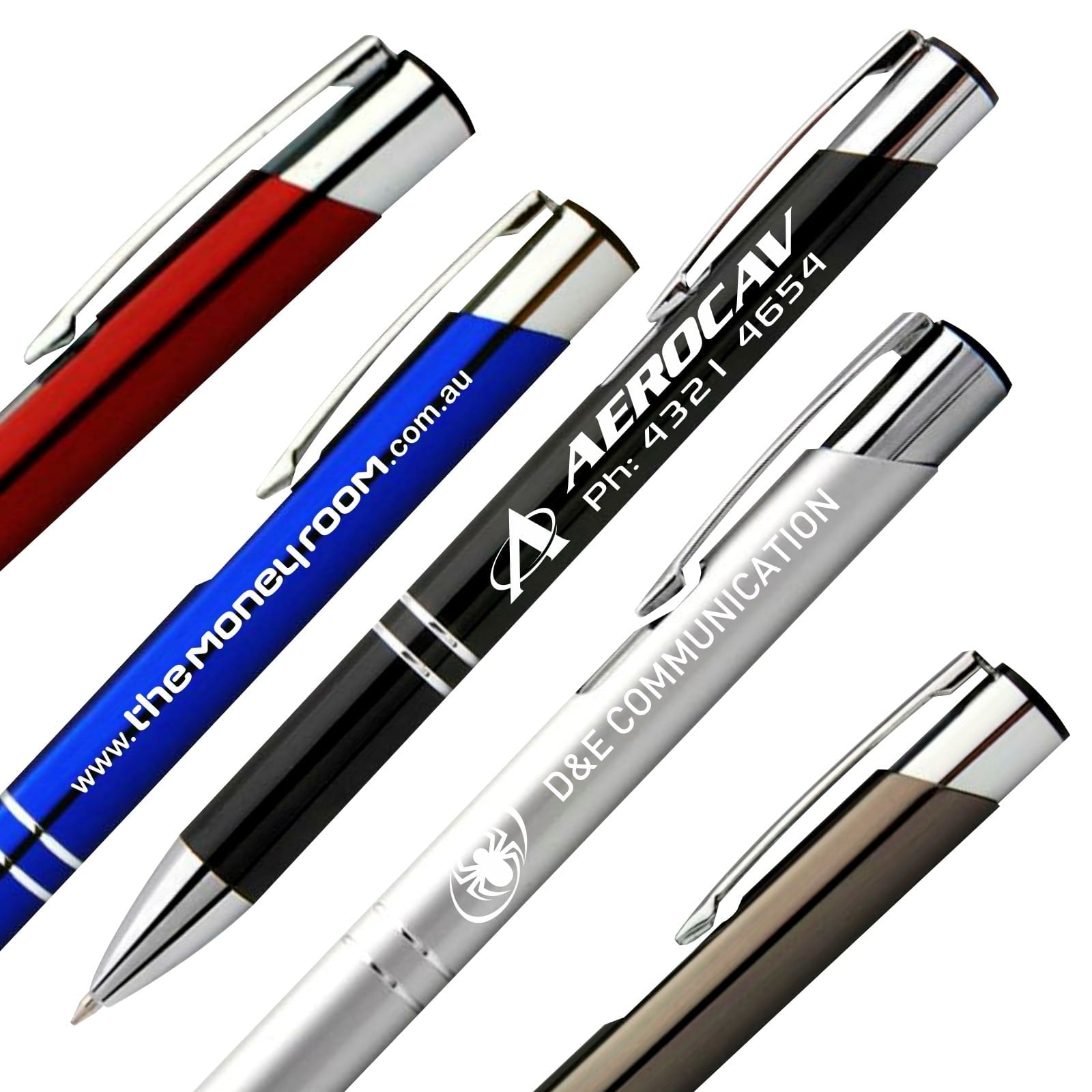
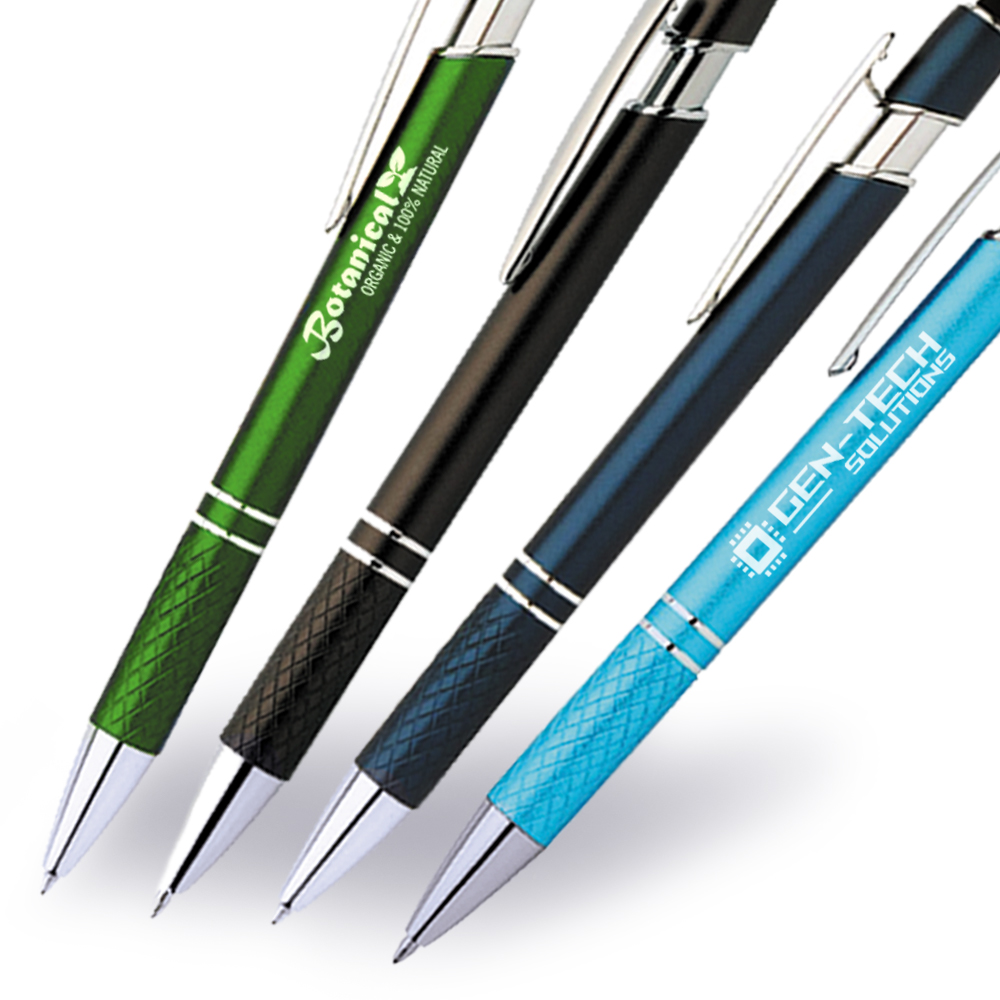
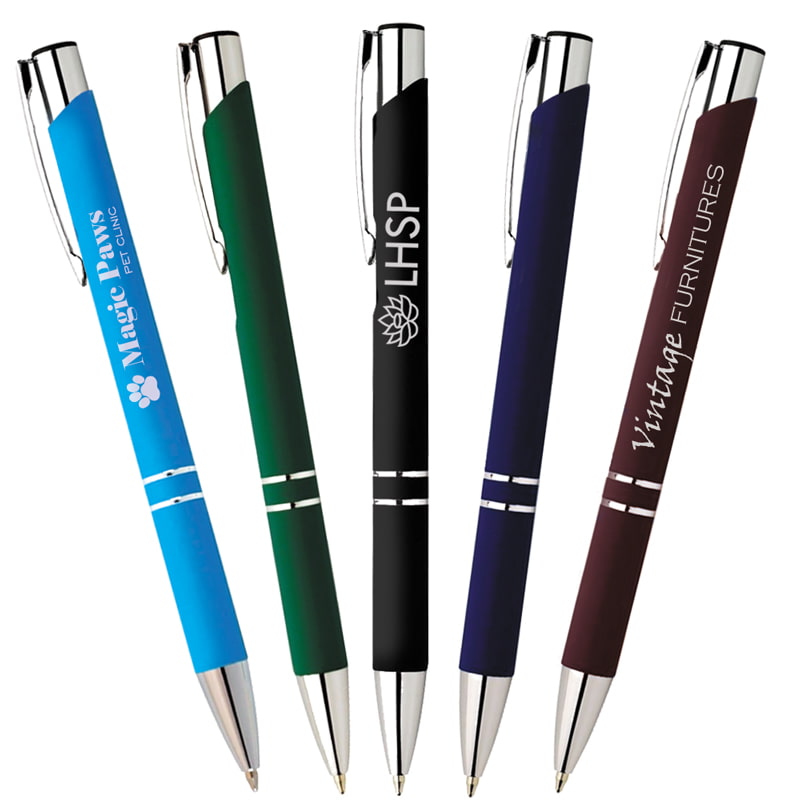
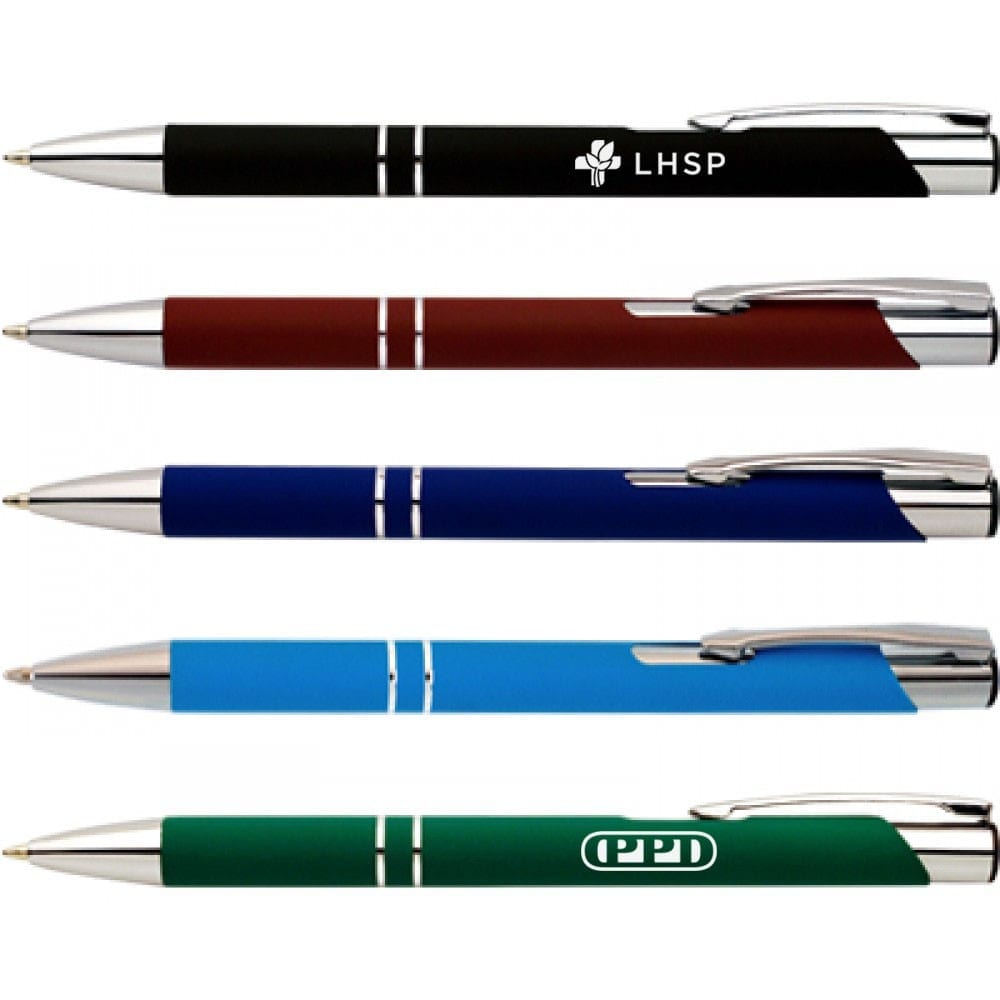
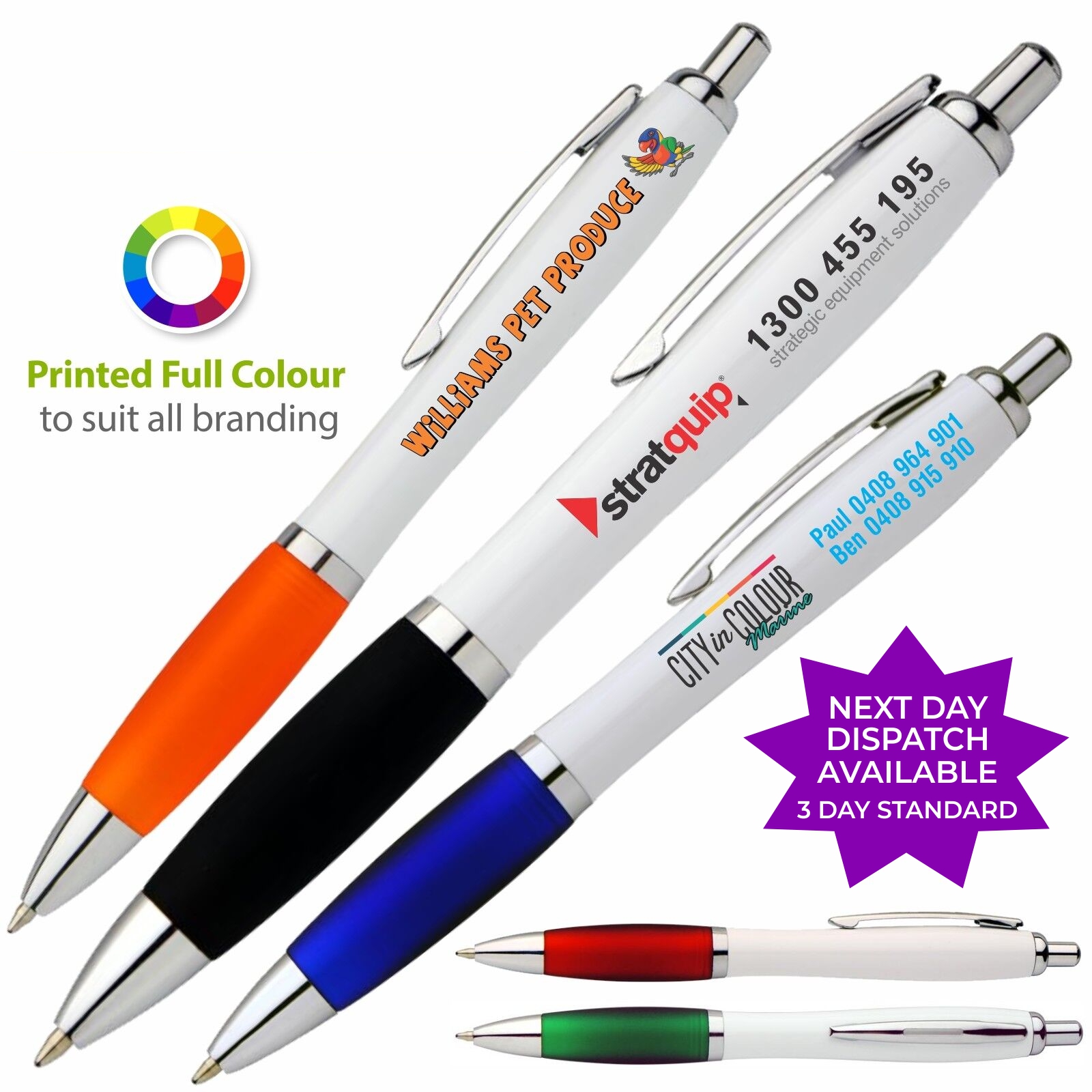
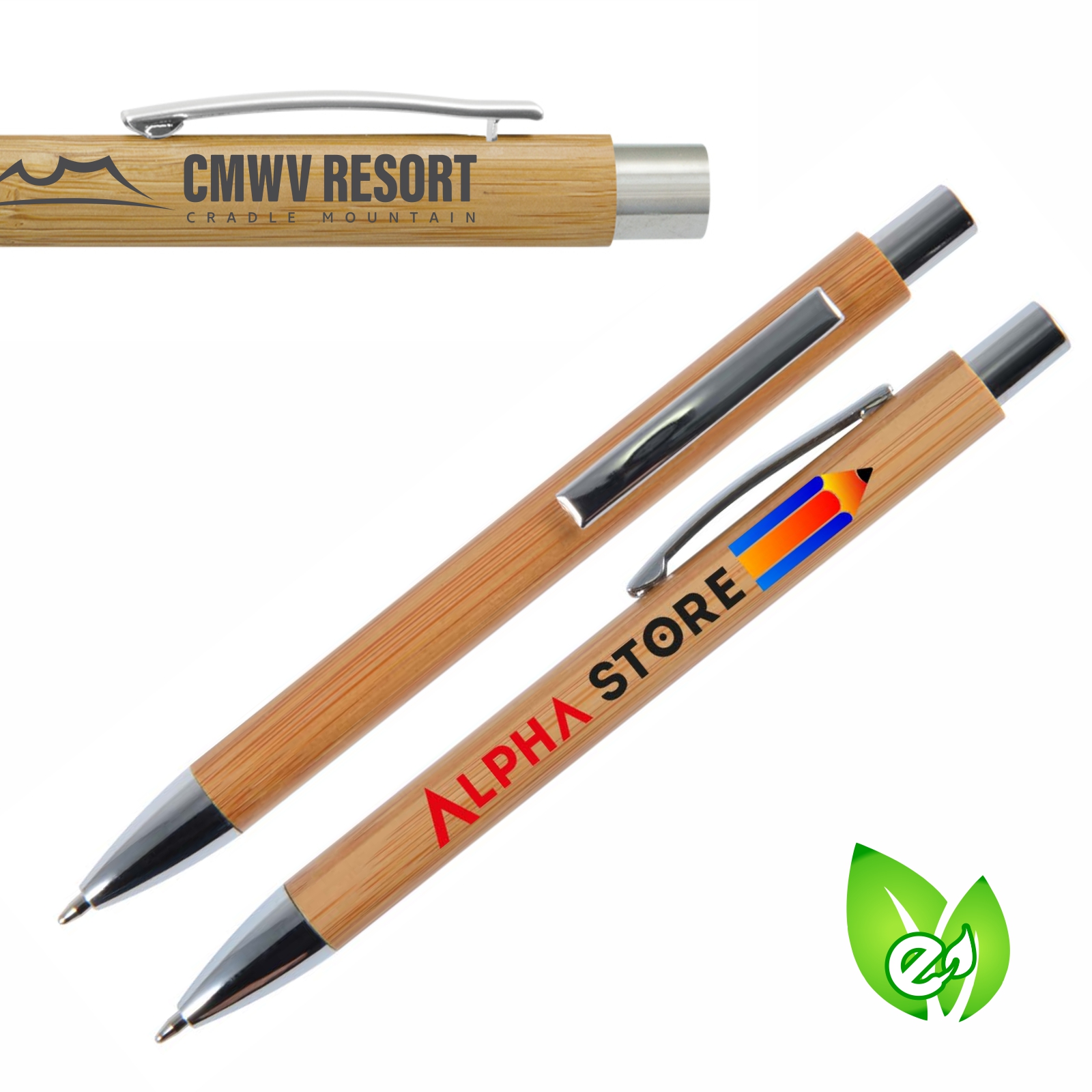
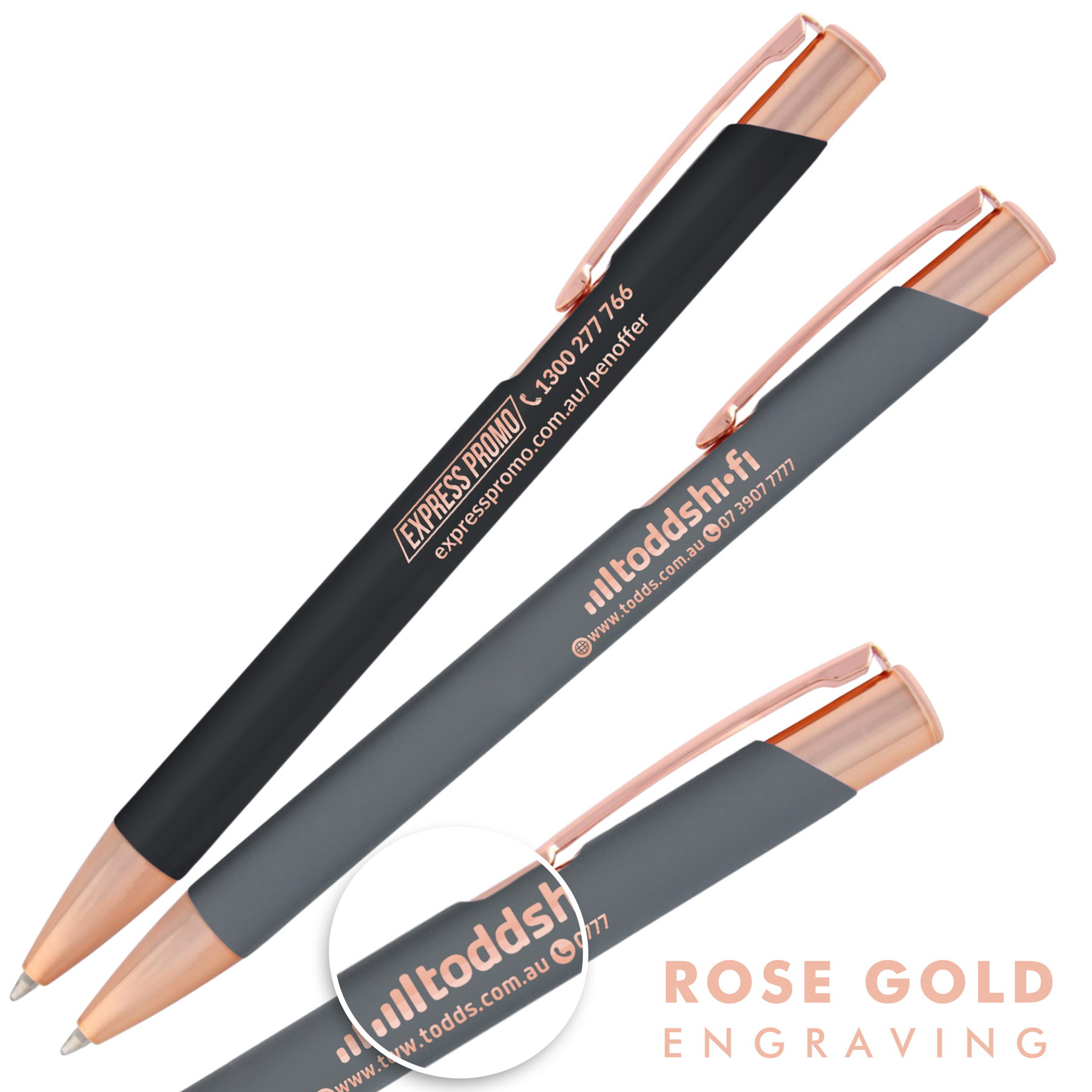
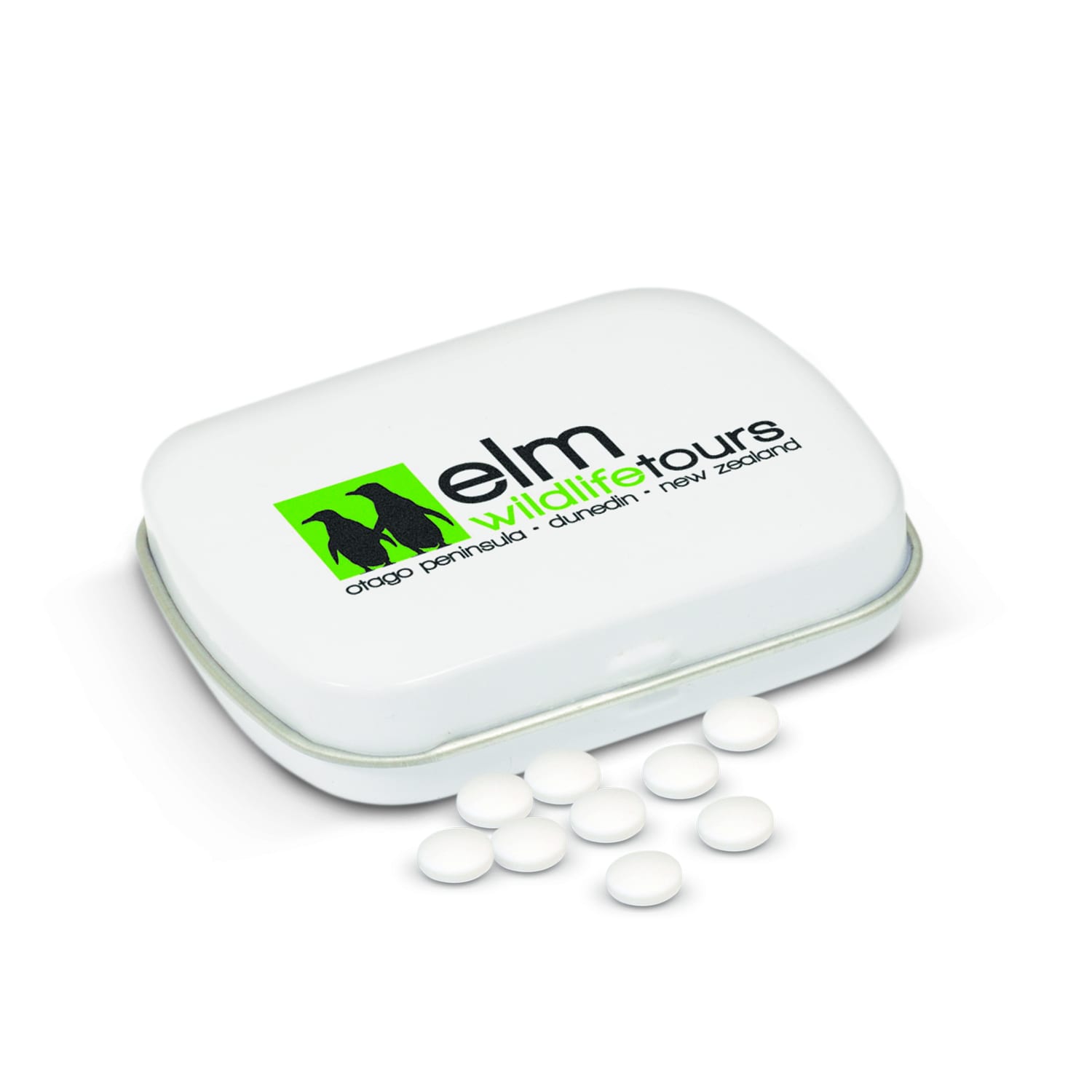
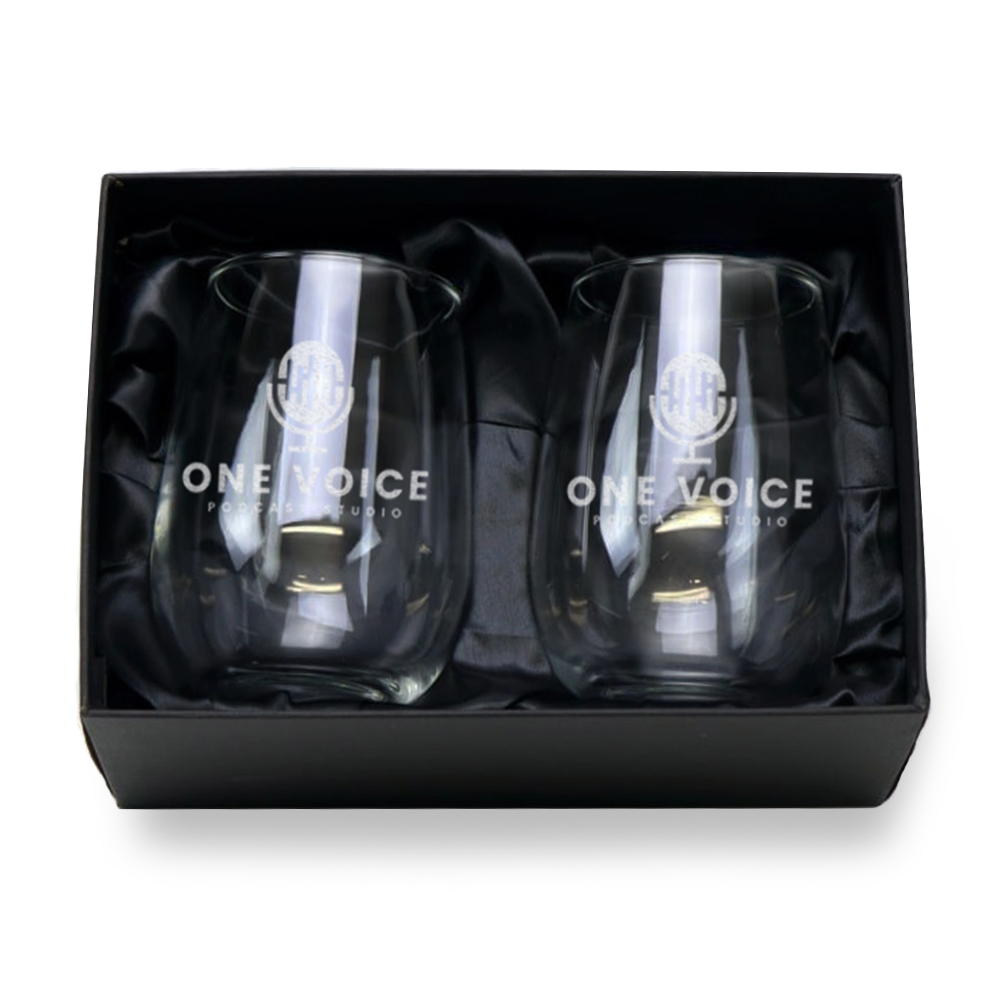
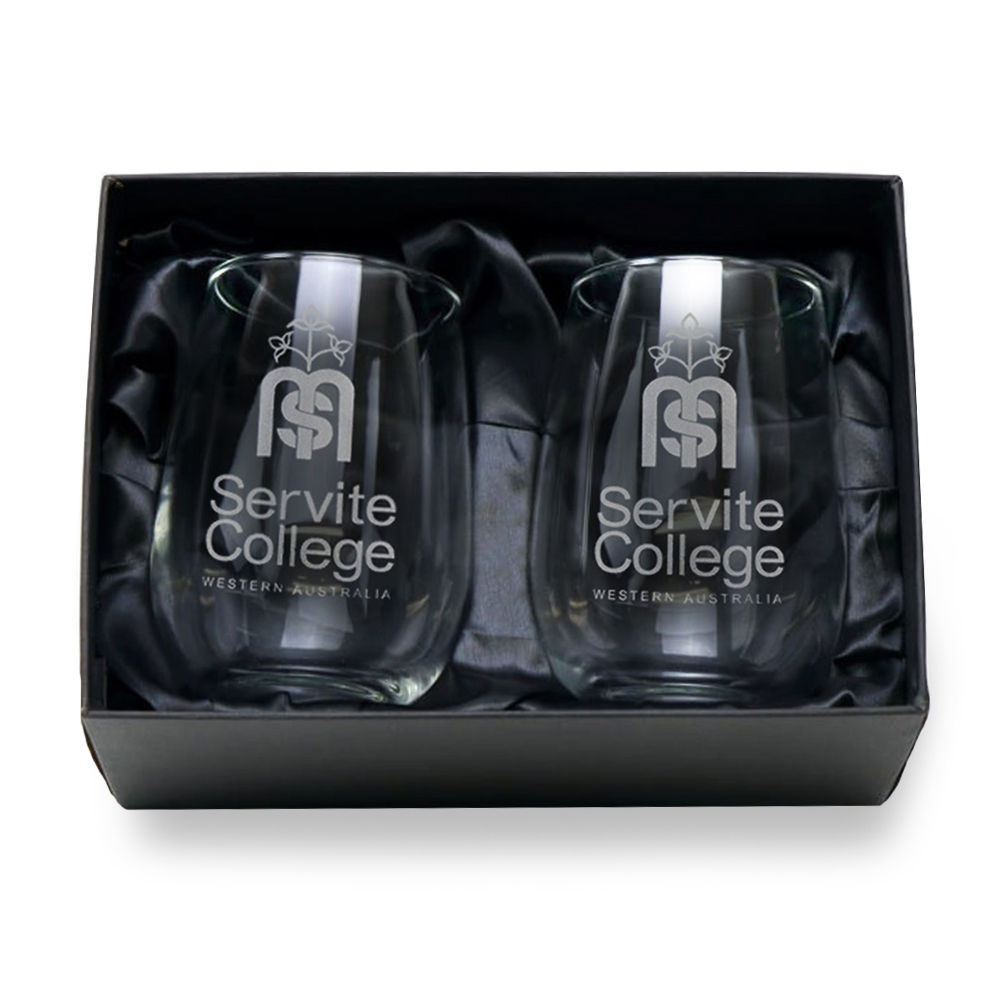
Brand awareness is all about making your brand familiar to your target market. Companies that are able to maintain a high level of brand awareness are likely to generate more sales. How can custom promotional products help your brand become easier to remember? By putting your company name or product name in front of your target market in an effective, tangible way. You can customise promotional products to be printed or engraved with your brand name on them, so that people will be reminded of your company whenever they look at, or use those items.
Passive but effective
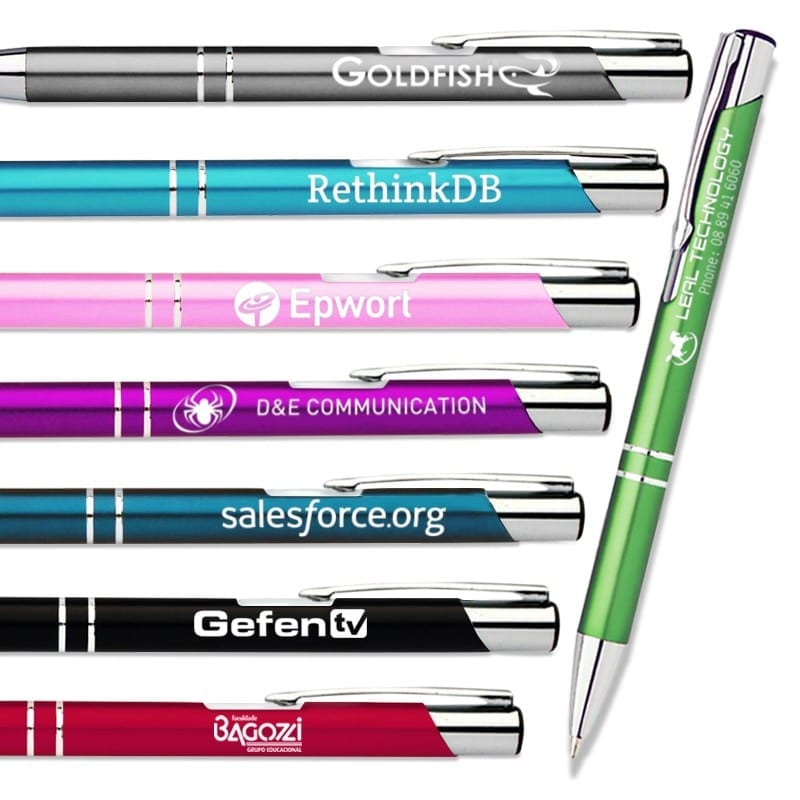
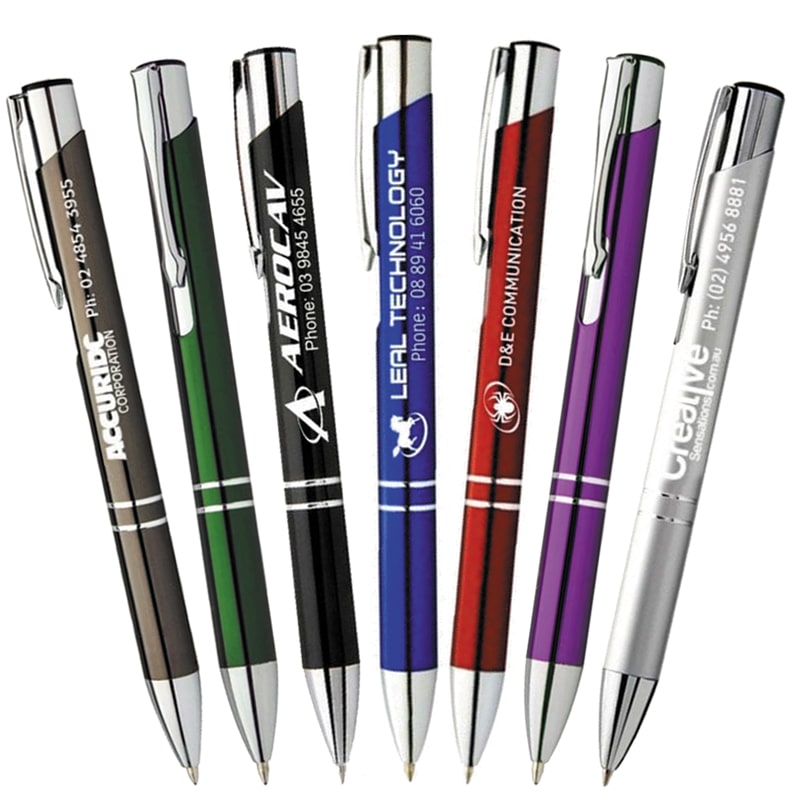
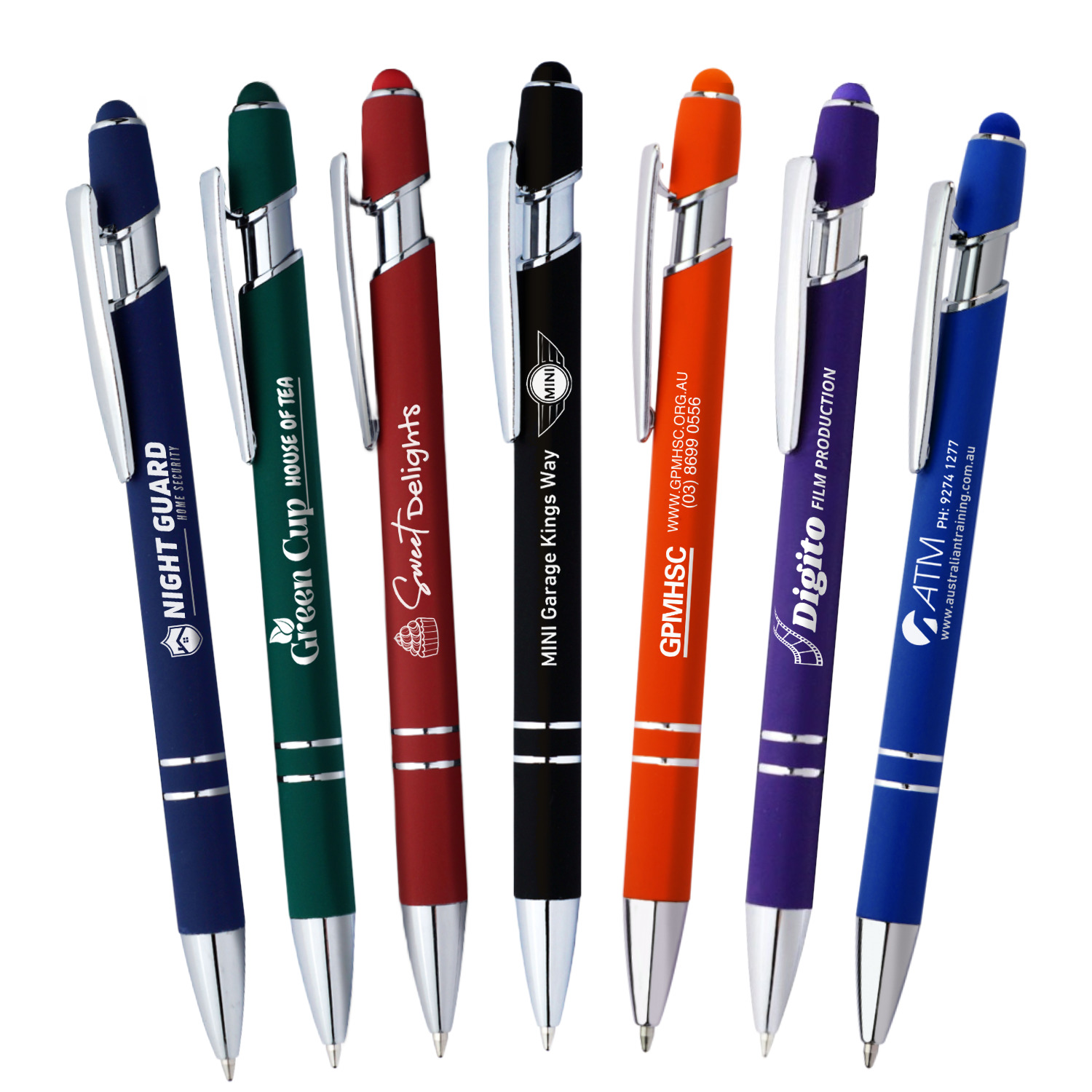
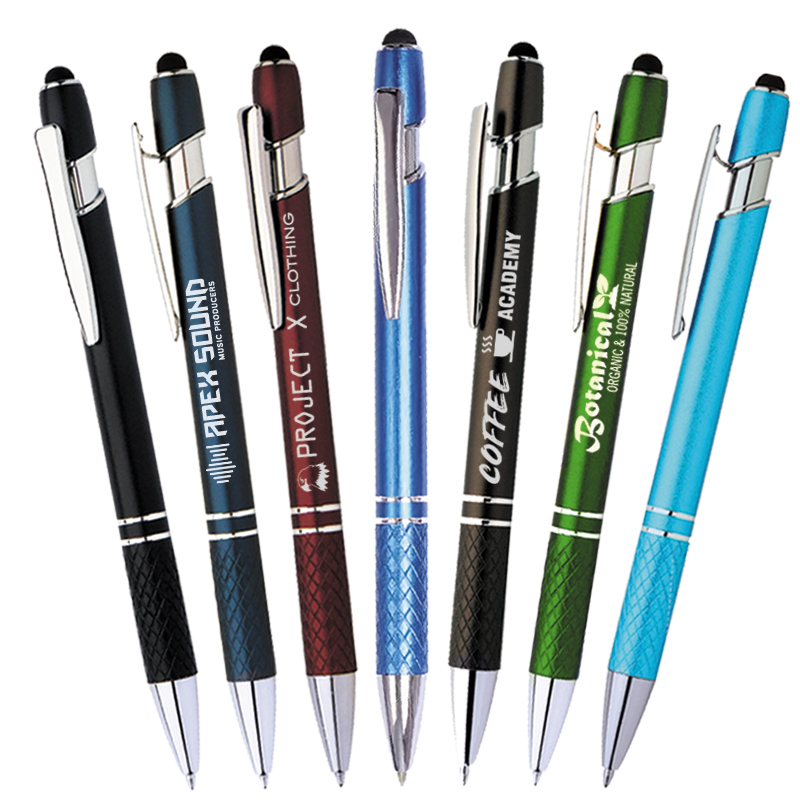
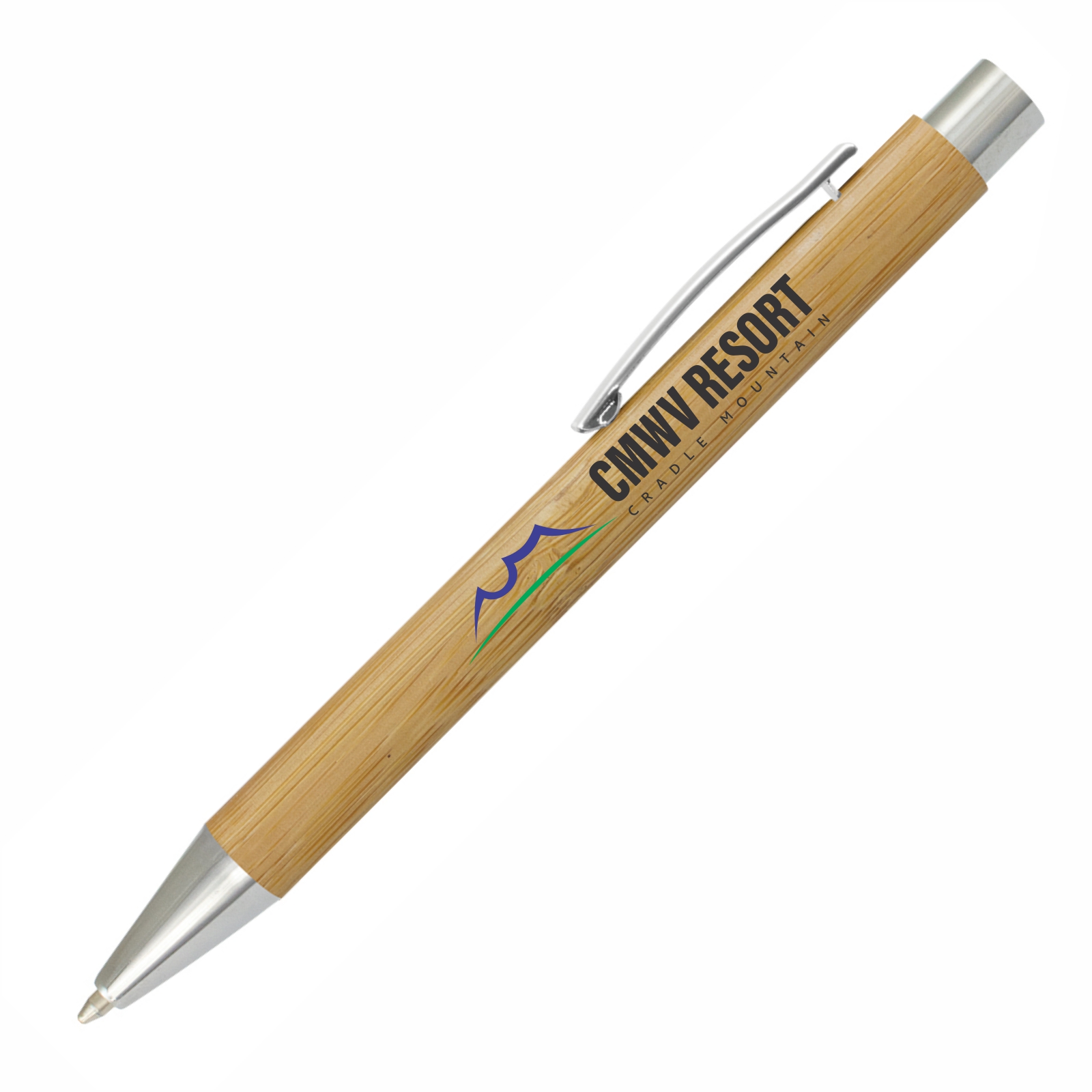
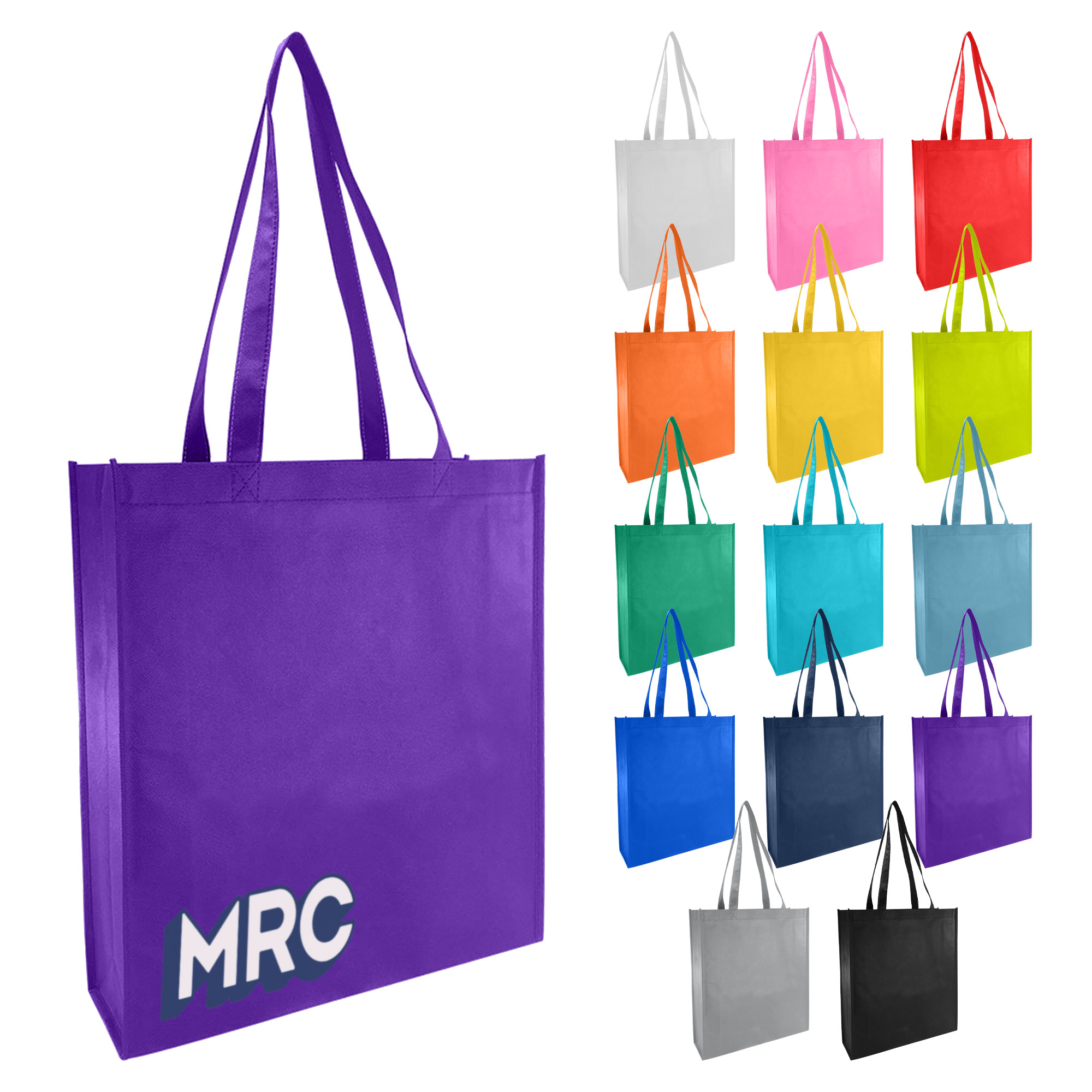
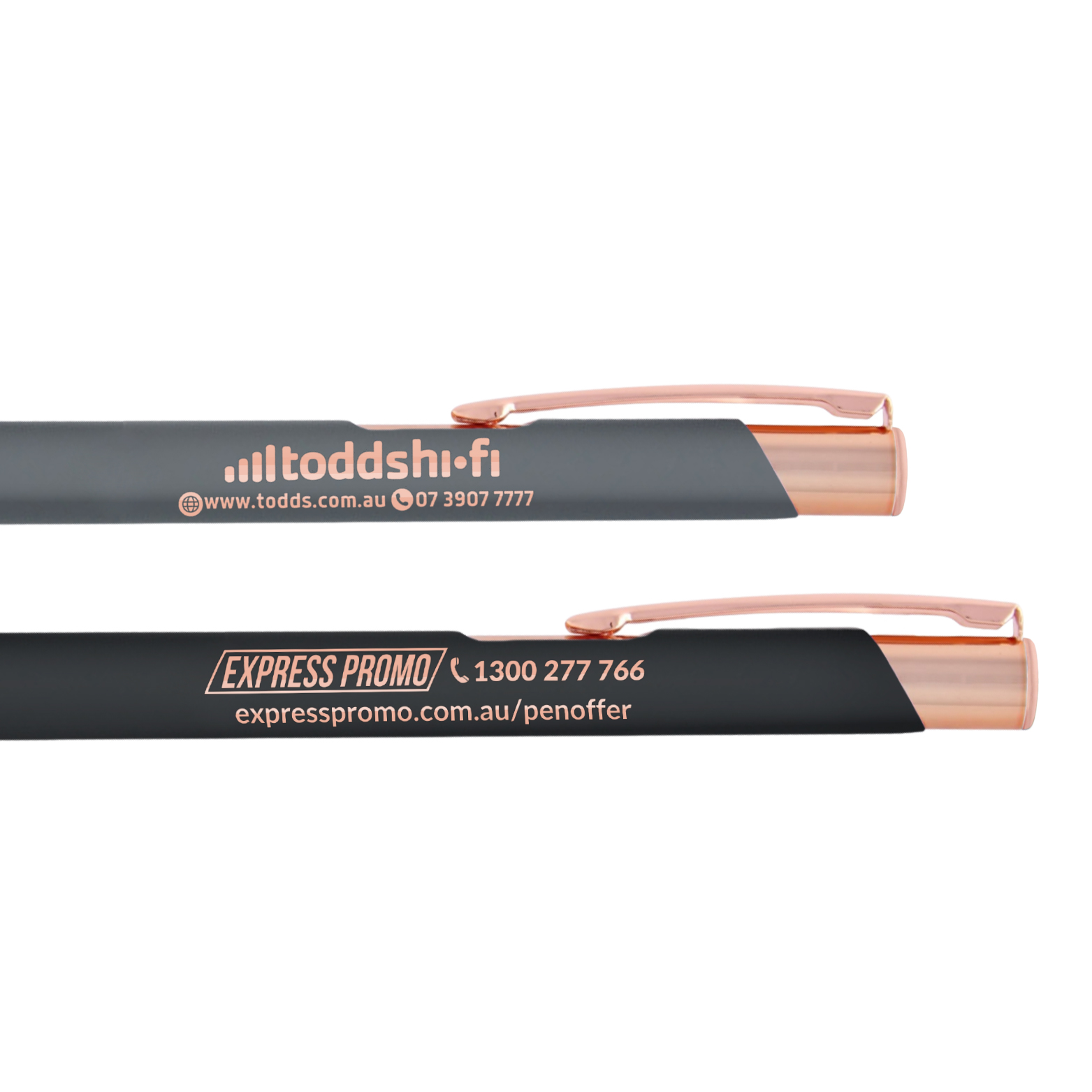
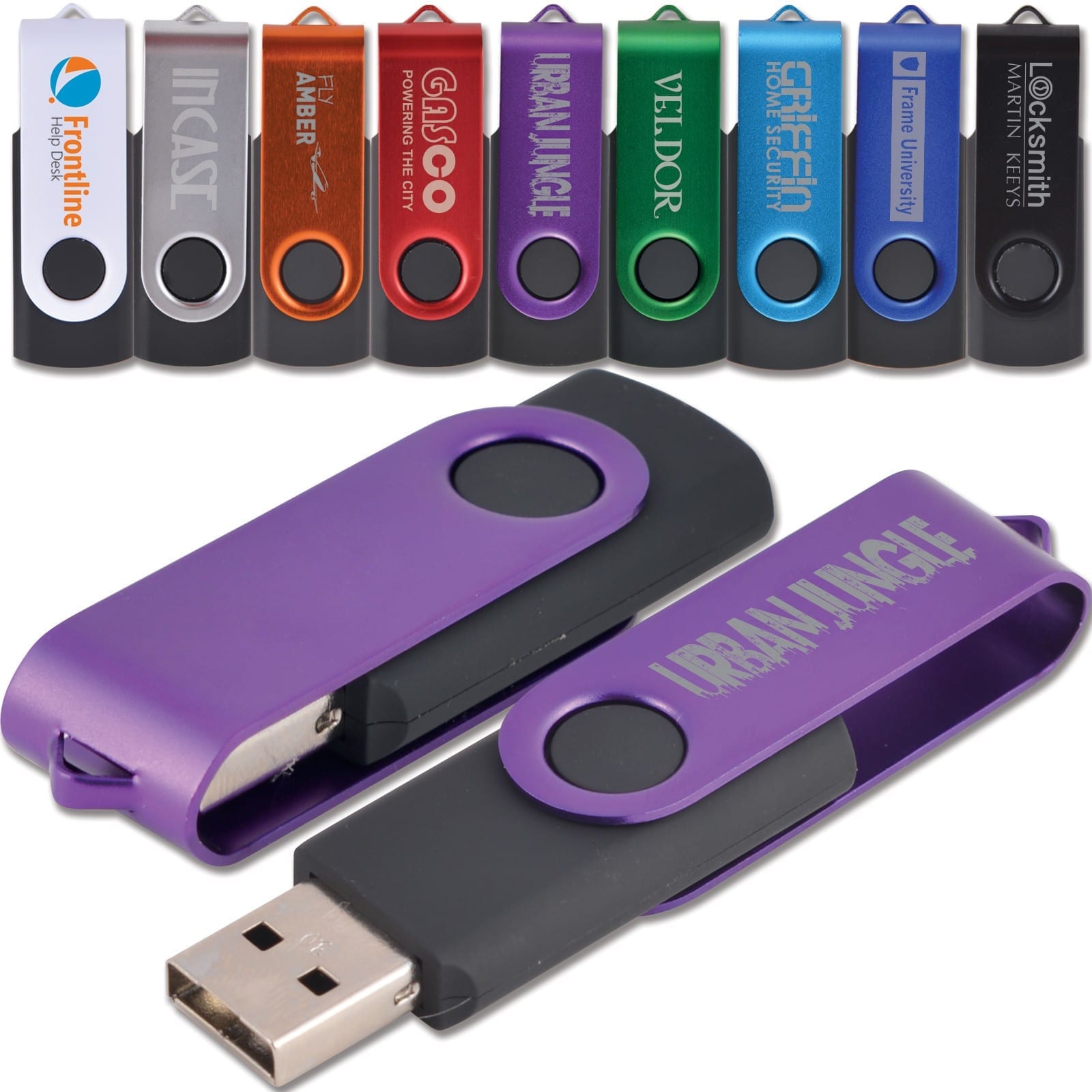
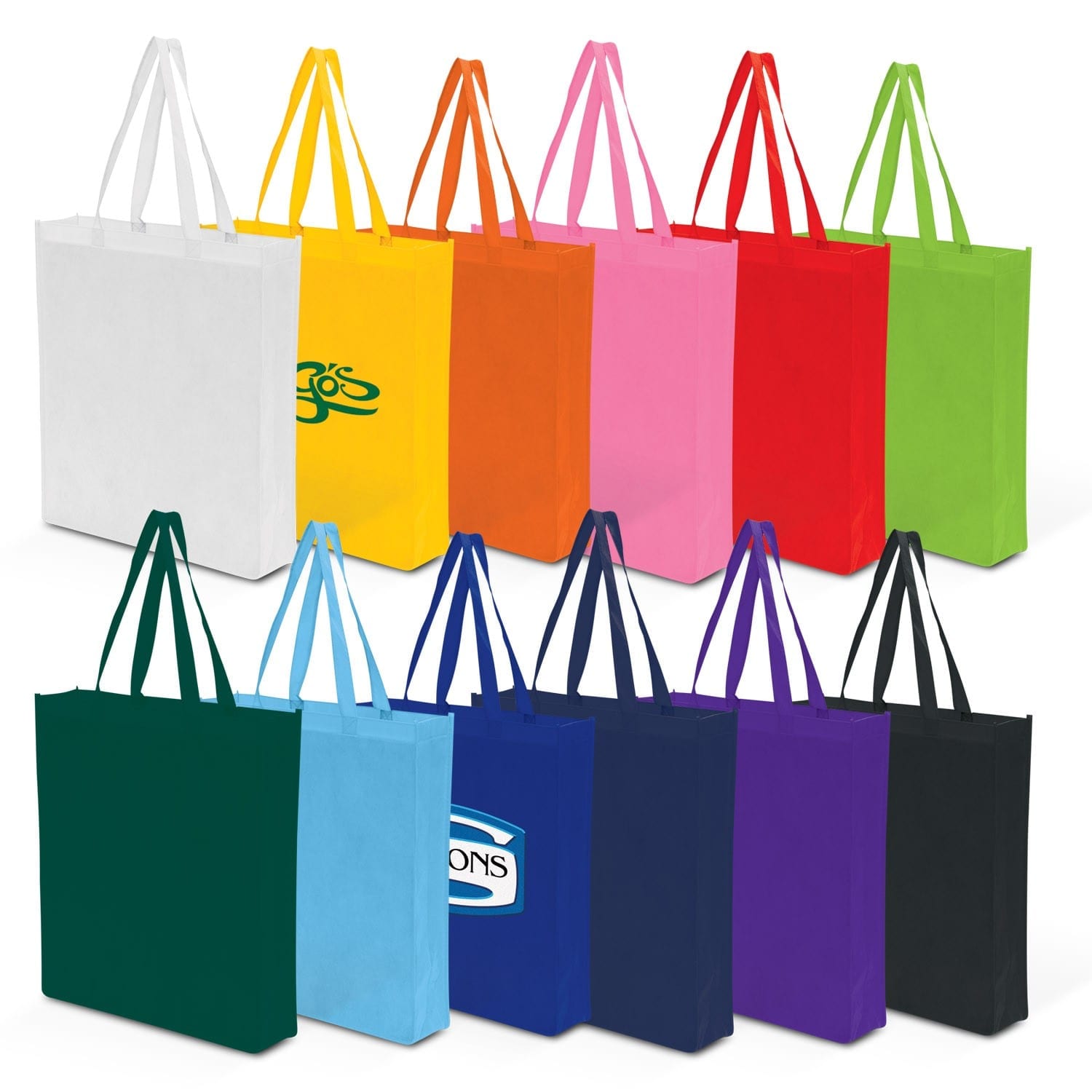
The beauty of custom promotional products is that they are subtle. Some experts call this technique “passive marketing strategy.” Promo products are not like online ads that customers find annoying and intrusive. They don’t interrupt people while they are watching their favourite shows. Unlike billboards and digital displays, they don’t obstruct views or distract customers from the road. In fact, promotional products such as pens, USB drives, and eco bags help consumers and add value to their lives, which make them more likable!
Promotional products are tangible
The Wharton School of Business says that one of the strongest reasons branded giveaways still have an impact today is, because they are tangible. Apparently, tangibility is what makes them more powerful and more effective in many ways as compared to digital advertising tools! Unlike online ads or free vouchers, custom promotional products are used repeatedly, thereby increasing your brand’s exposure. Studies show that many people hold on to promotional gifts at an average of eight months. This actually depends on the durability and functionality of the product.