














Product Spotlight
Embroidery Machine Types & Techniques How Your Logo Comes to Life on a Cap

Embroidery Machine Types & Techniques How Your Logo Comes to Life on a Cap
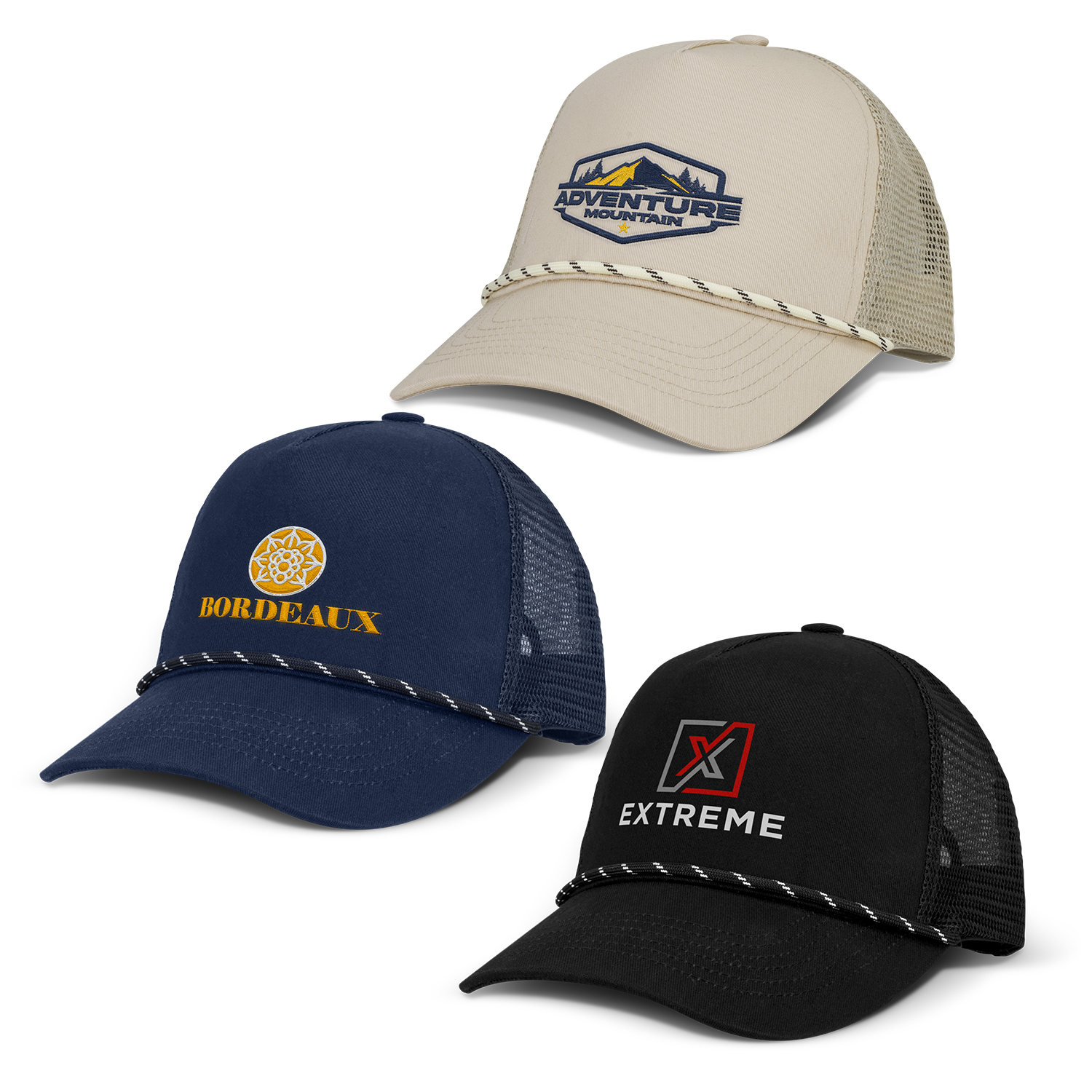
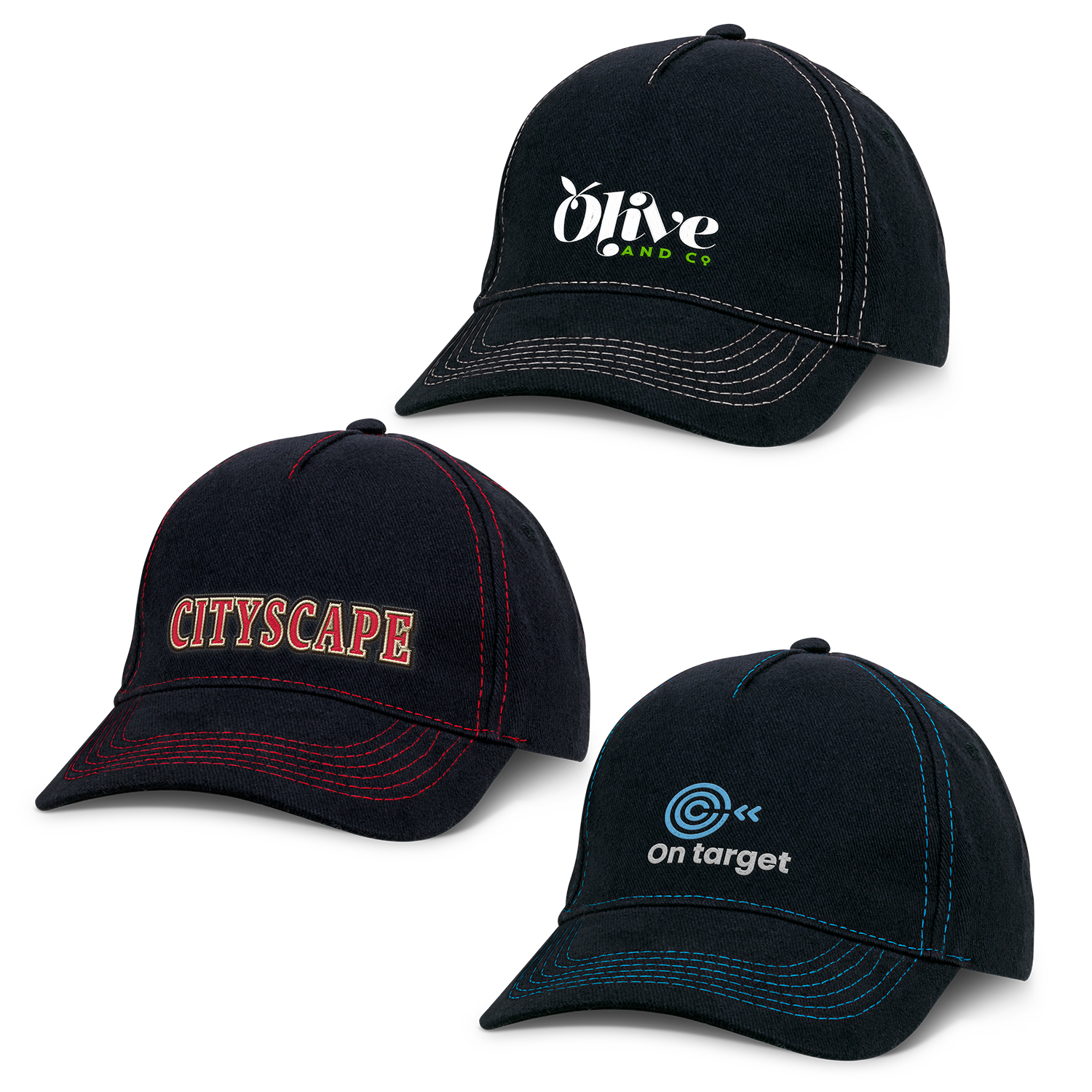
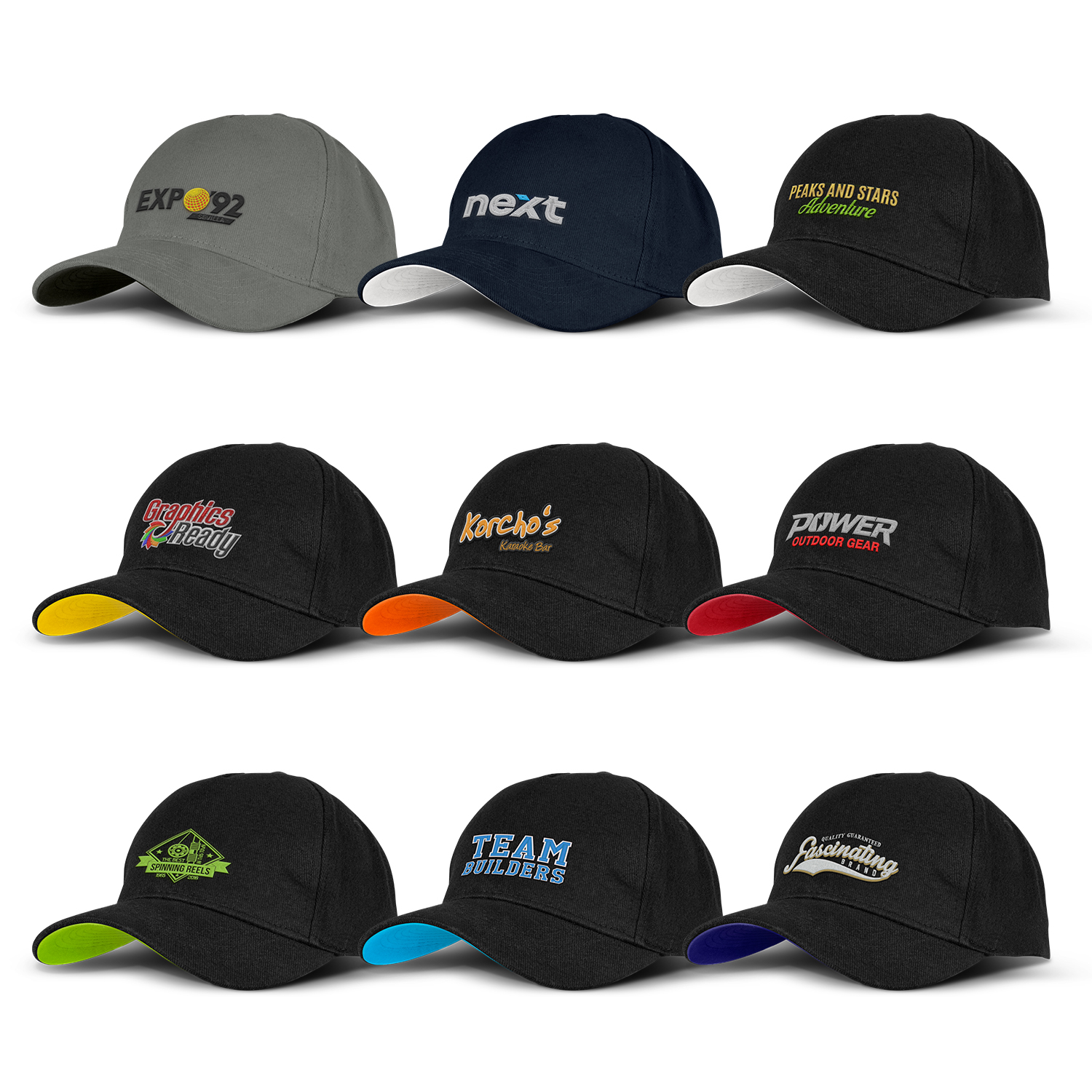
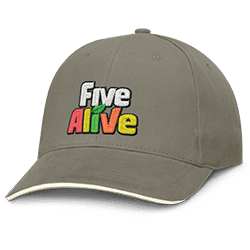
When it comes to branded caps, embroidery is the go-to choice for a premium, long-lasting finish. Whether you’re creating uniforms, promotional giveaways, or stylish merchandise, embroidered logos provide a sleek and professional look. At Express Promo, we use high-quality embroidery techniques and machines to ensure your brand stands out. But how does your logo go from a digital file to a stitched masterpiece? Let’s dive into the embroidery process and the machines that make it happen!
Types of Embroidery Machines
There are several types of embroidery machines used to create detailed and durable logos on caps. The main types include:
1. Single-Head Embroidery Machines
These machines are ideal for small-batch production or personalised items. They feature a single stitching head, making them perfect for custom designs and intricate embroidery.
2. Multi-Head Embroidery Machines
For larger orders, multi-head embroidery machines are used to stitch multiple caps at once. These machines allow for higher efficiency while maintaining precision and consistency.
3. Flatbed vs. Cylinder Machines
- Flatbed machines are better suited for flat fabrics and garments.
- Cylinder machines, on the other hand, are designed specifically for curved surfaces like caps, ensuring the embroidery sits perfectly on the structured panels.

Key Embroidery Techniques for Caps
Embroidery isn’t just about stitching a logo onto fabric—different techniques can enhance the final look and durability of your design.
1. 3D Puff Embroidery
Want a bold, raised effect? 3D puff embroidery uses foam underneath the stitches to create a stand-out look, making your logo pop off the cap.
2. Satin Stitch Embroidery
For smooth and sleek lettering, the satin stitch is a popular choice. It creates a clean, polished finish that works well on curved surfaces.
3. Fill Stitch Embroidery
This technique is used for larger designs that require full coverage. It provides a solid, textured look that is highly durable.

At Express Promo, we specialise in bringing your logo to life with high-quality embroidery techniques and state-of-the-art machines. Whether you need custom caps for your team, an event, or promotional giveaways, we’ve got you covered. Get in touch today to create embroidered caps that leave a lasting impression!