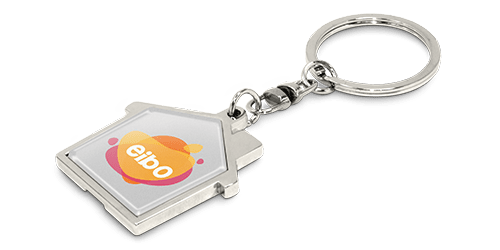
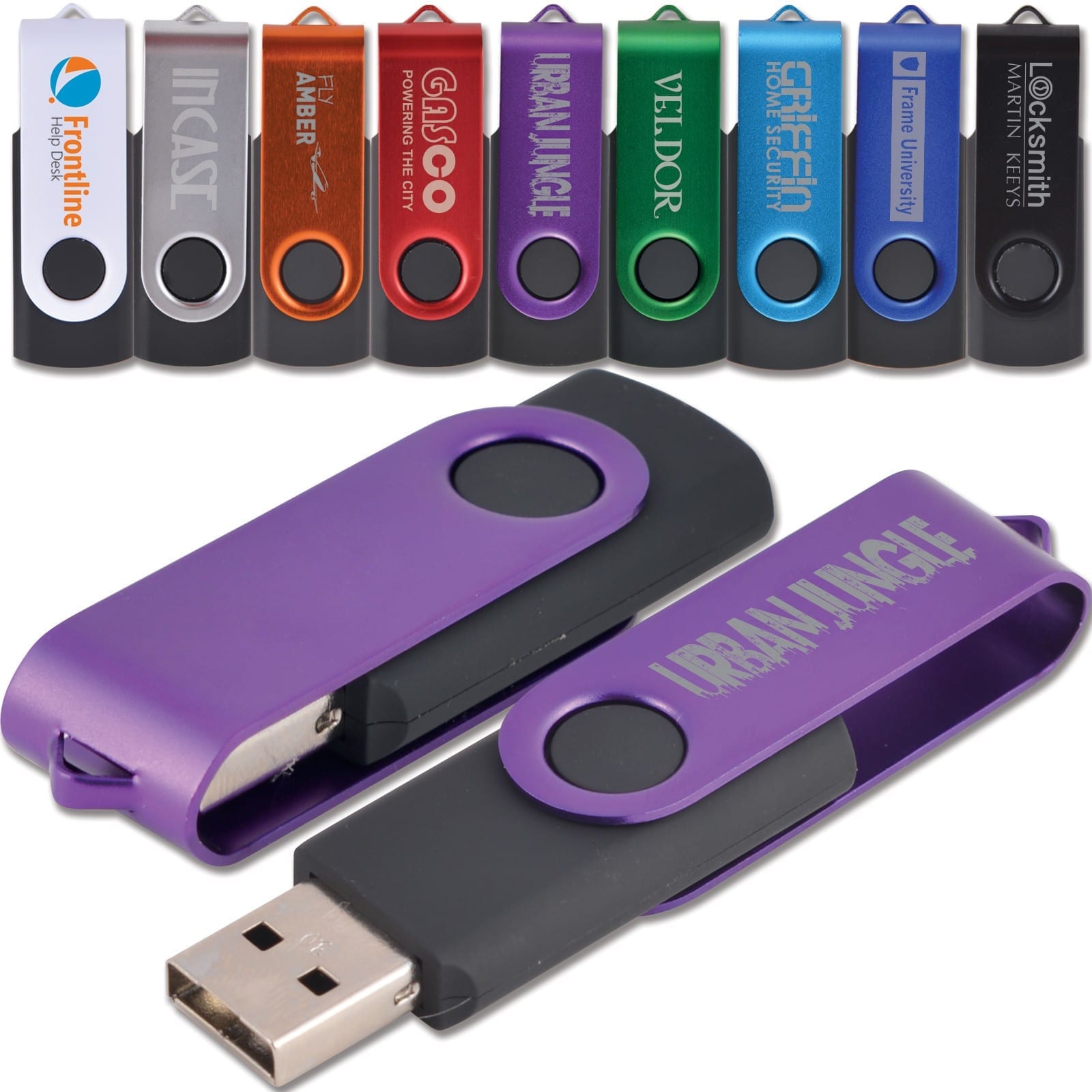
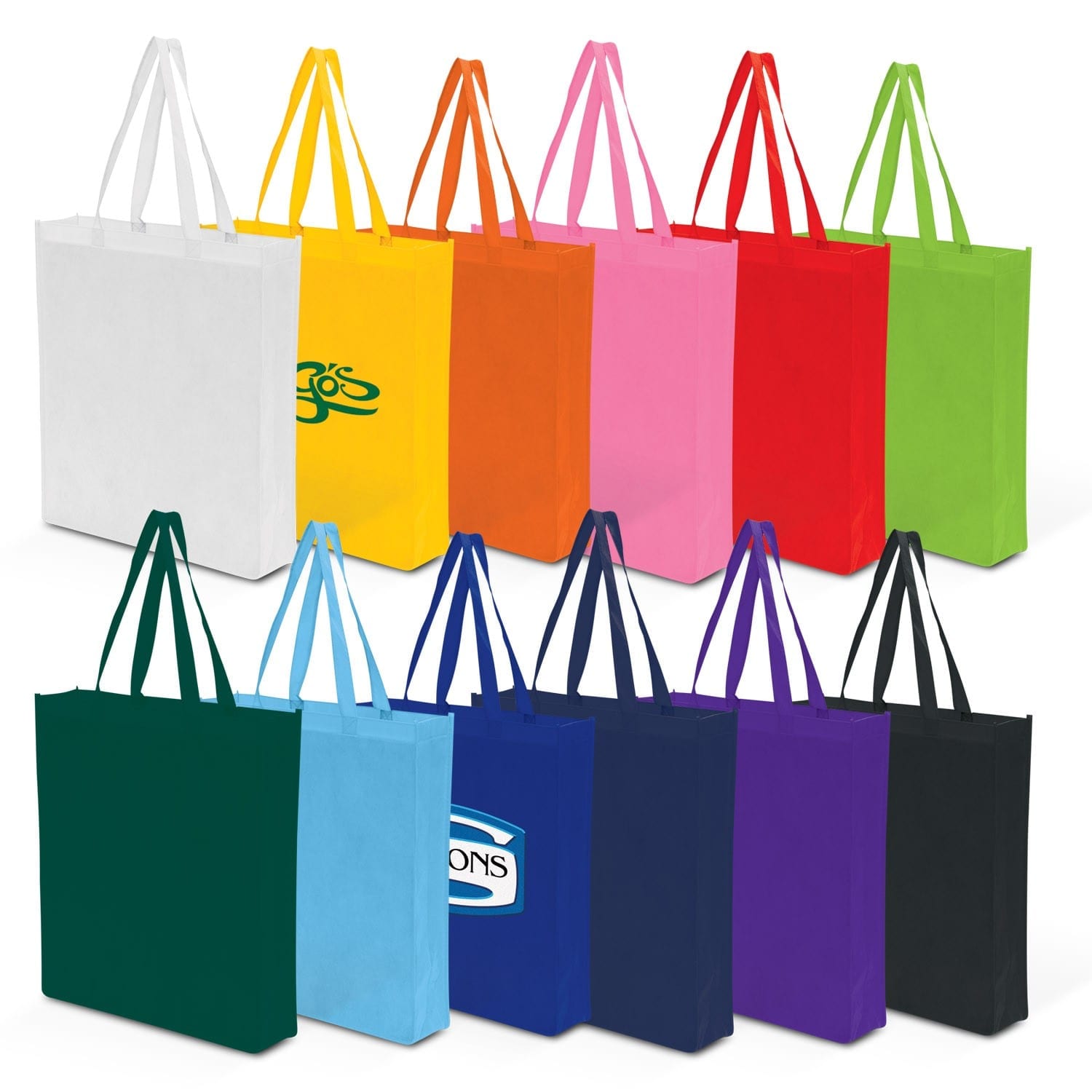
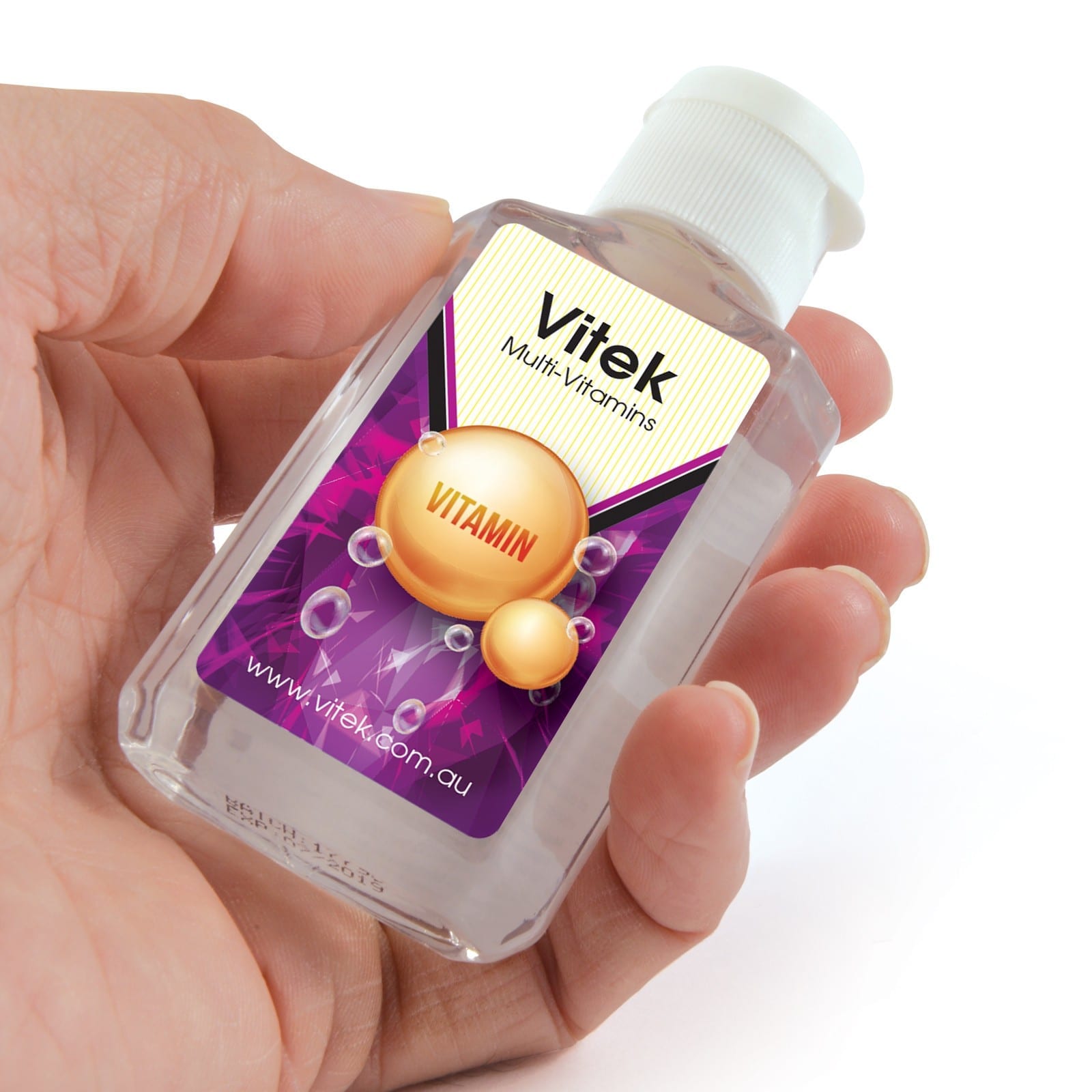
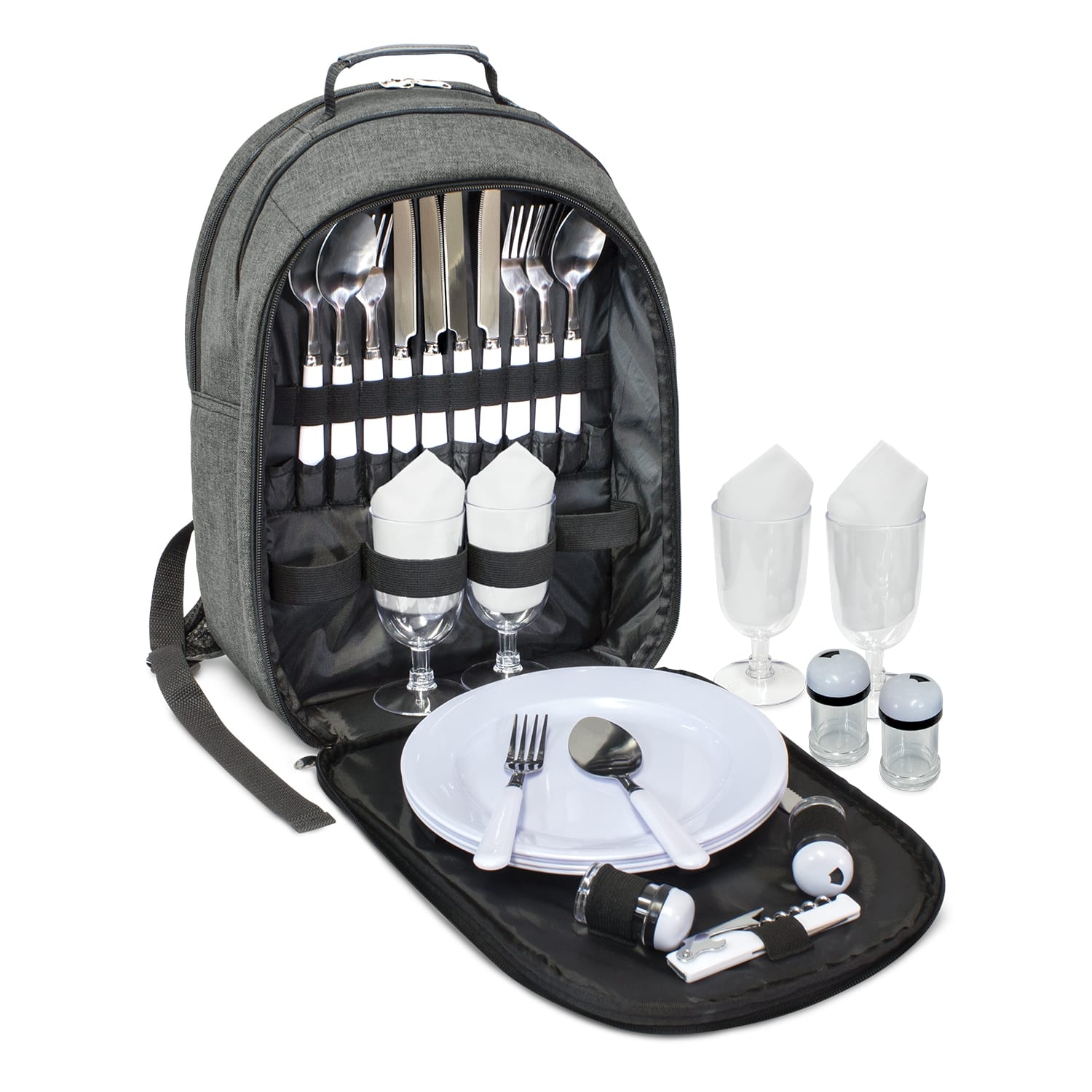
Key rings are pretty much one of the most commonly used items to promote other products because of their simplicity and utility. They are also easy to produce in large quantities and are generally a low cost option, making them great for giving away at trade shows and other special events. Here are a few more facts about promotional key rings:
- Key rings are extremely useful items, which is why almost every household and every person has at least one. Often received as gifts or commemorative items for special occasions like anniversaries and holidays, they come in virtually any shape and size. Key rings can also be made from a wide variety of materials – from metal, glass, leather, plastic, glass, bone etc. They are highly customisable and can be printed on, stamped, laminated, carved, and moulded to any desired shape or pattern. The possibilities for them are virtually limitless, making them great for pushing your brand out to the customer.
- Promotional key rings are also often used as fancy ornaments that help promote brands effectively. This is best exemplified by the use of key rings and key fobs in the automotive industry, with the emblem or logo of the company proudly emblazoned on a premium piece of metal, leather or a combination of both and other premium materials. The more prestigious the brand, the more valuable the keychain gets.
- Special key rings are made with other functions built into them like LED lights, UV lights, compact tools, or laser torches. They can also be custom made with a specific audience in mind like firefighters, policemen, etc., complete with extra features that make them useful for actual work. This is a great way to connect with the audience as the items have a more perceived value. Recipients can then associate your brand with something that is reliable and professional.

EXPRESS OFFERS


Colourflex transfers are a CMYK+W digital print process, used for branding apparel and fabrics.
Direct to product digital printing involves the transfer of ink directly from the print heads of an inkjet machine to the product and can be used to produce both spot colour and full colour branding on flat or slightly curved surfaces.
Screen printing is achieved by forcing ink through a fine mesh screen with a squeegee onto the product and is ideal for branding flat or cylindrical objects.
Resin coated finish is produced by printing the artwork onto a vinyl material with strong adhesive on the reverse. The branded area is coated with a crystal clear resin which is allowed to dry. Once dry, the finished decal is applied to the product and the adhesive forms a permanent bond.
Screen printing is achieved by forcing ink through a fine mesh screen with a squeegee onto the product and is ideal for branding flat or cylindrical objects.
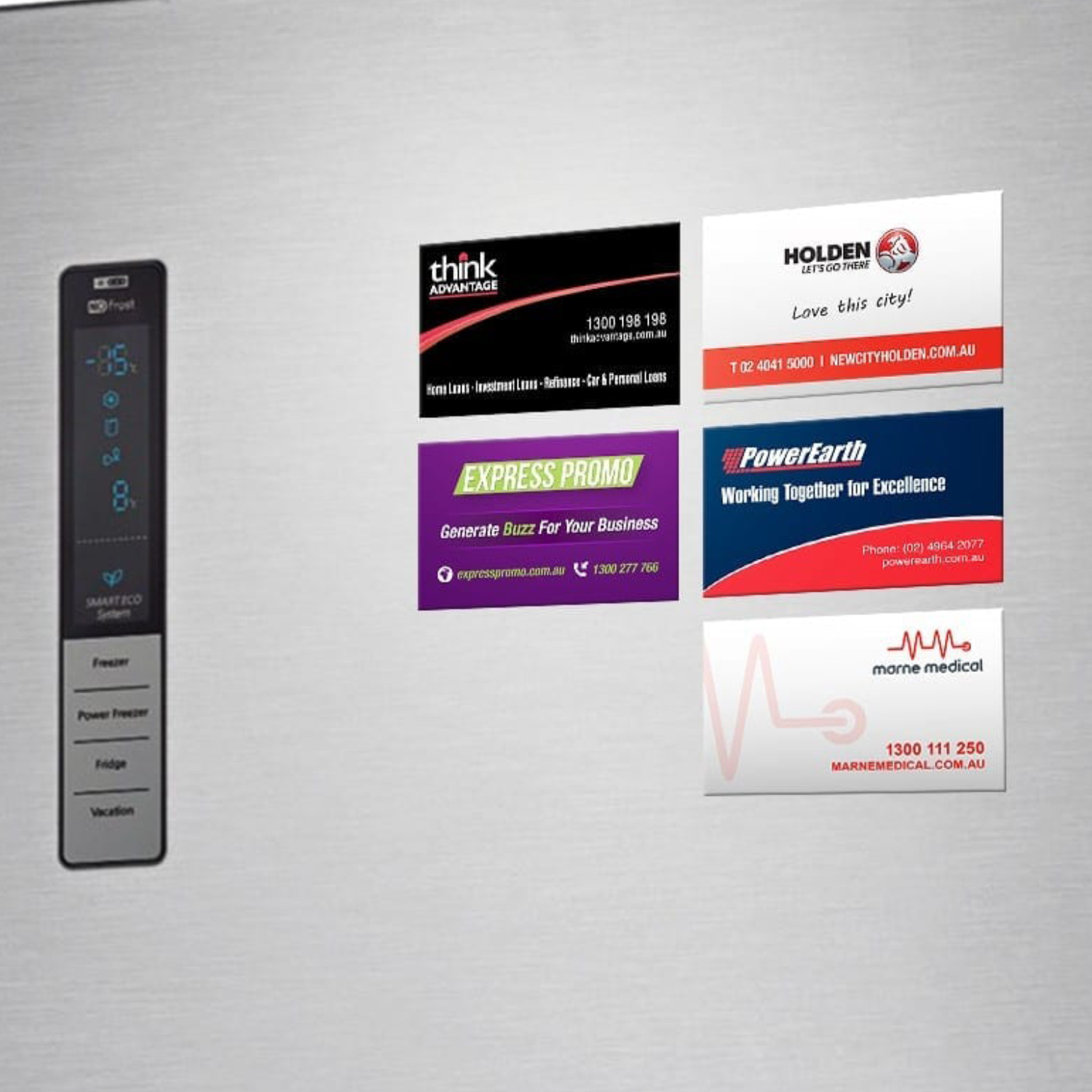
This production method is used for printing media such as paper, vinyl and magnetic material used in the manufacture of labels, badges and fridge magnets etc.
Direct to product rotary digital printing involves the transfer of UV ink directly from inkjet print heads and can be used to produce both spot colour and full colour branding.
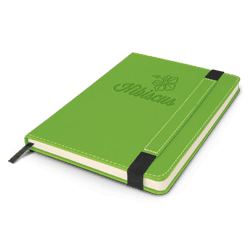
Debossing is produced by pressing a hot engraved metal plate into the surface of a product with a lot of pressure. This produces a permanent image below the surface of the product. Some products offer thermo debossing, which creates a stunning two-tone finish.
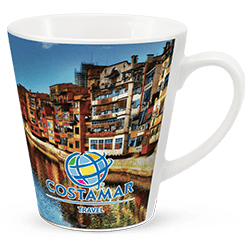
Sublimation print is used for branding products that have a special coating on them or fabrics suitable for the sublimation process. A transfer is produced by printing sublimation ink onto transfer paper and then heat pressing it onto the product.
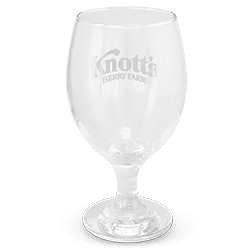
Imitation etch is a special pad printing ink used for producing an etch like effect on glass products.
Pad printing uses a silicone pad to transfer an image to a product from a laser etched printing plate. It is one of the most popular and affordable ways of branding promotional products due to its ability to reproduce images on uneven or curved products and print multiple colours in a single pass.