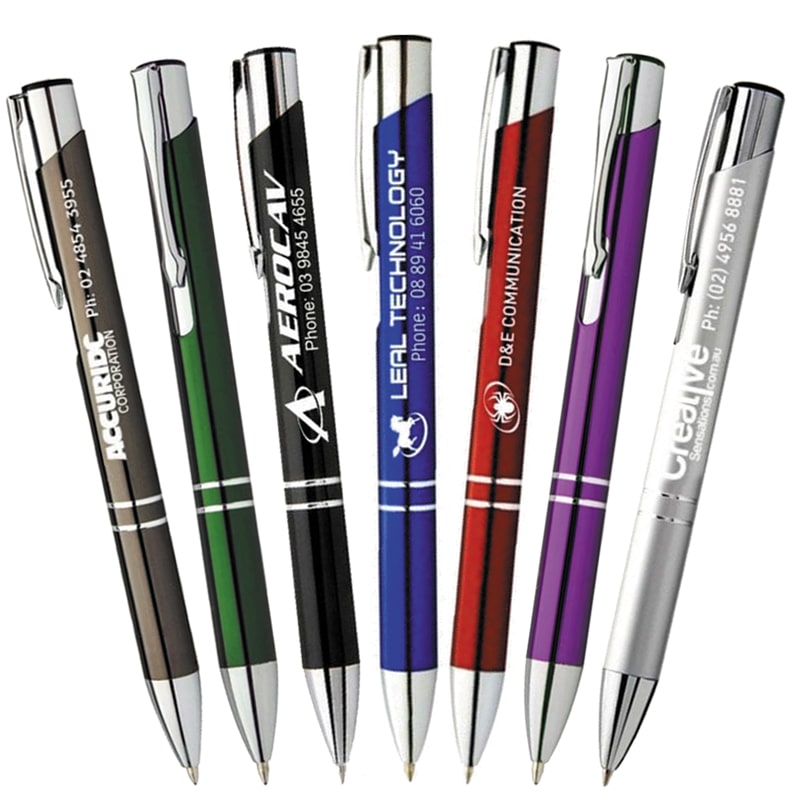
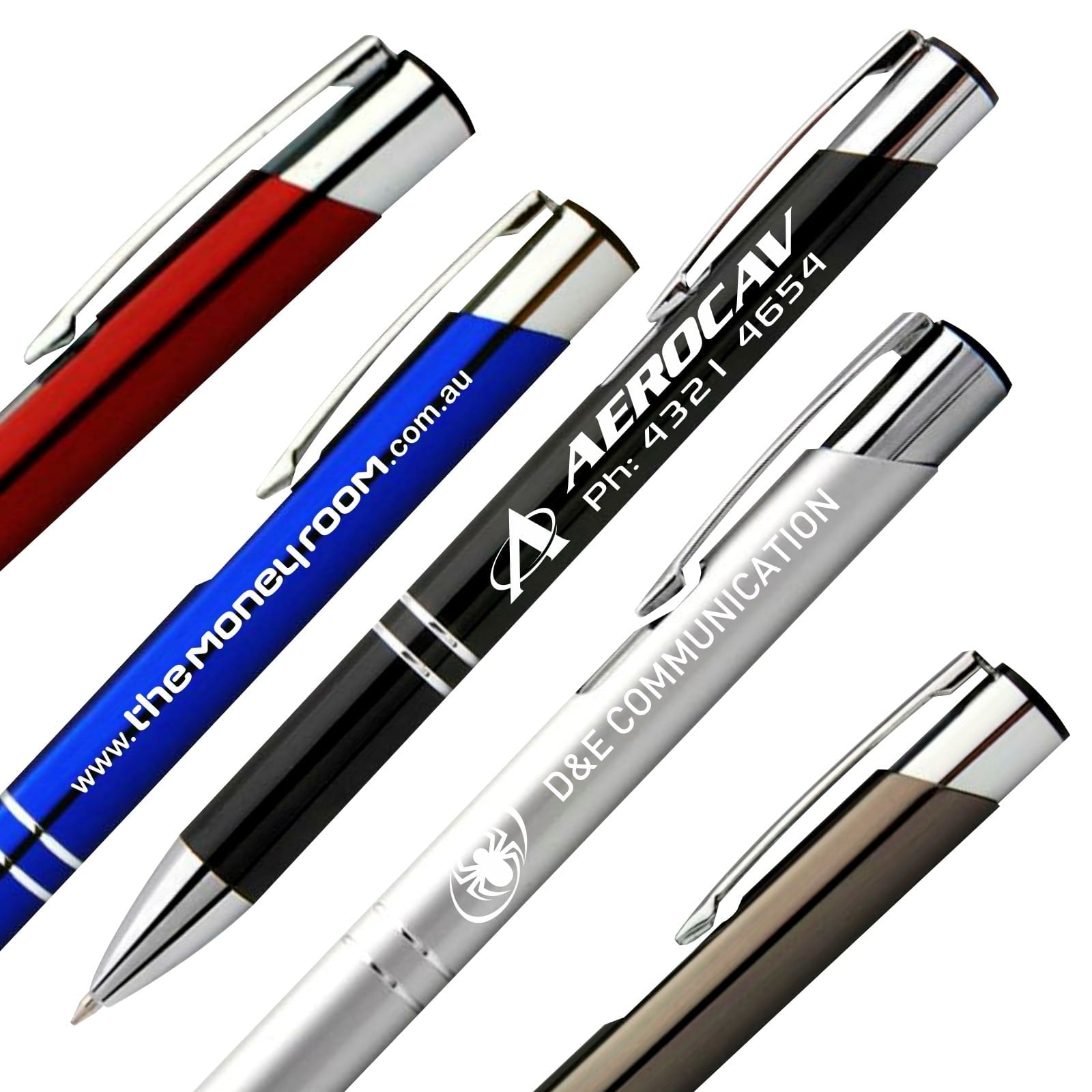
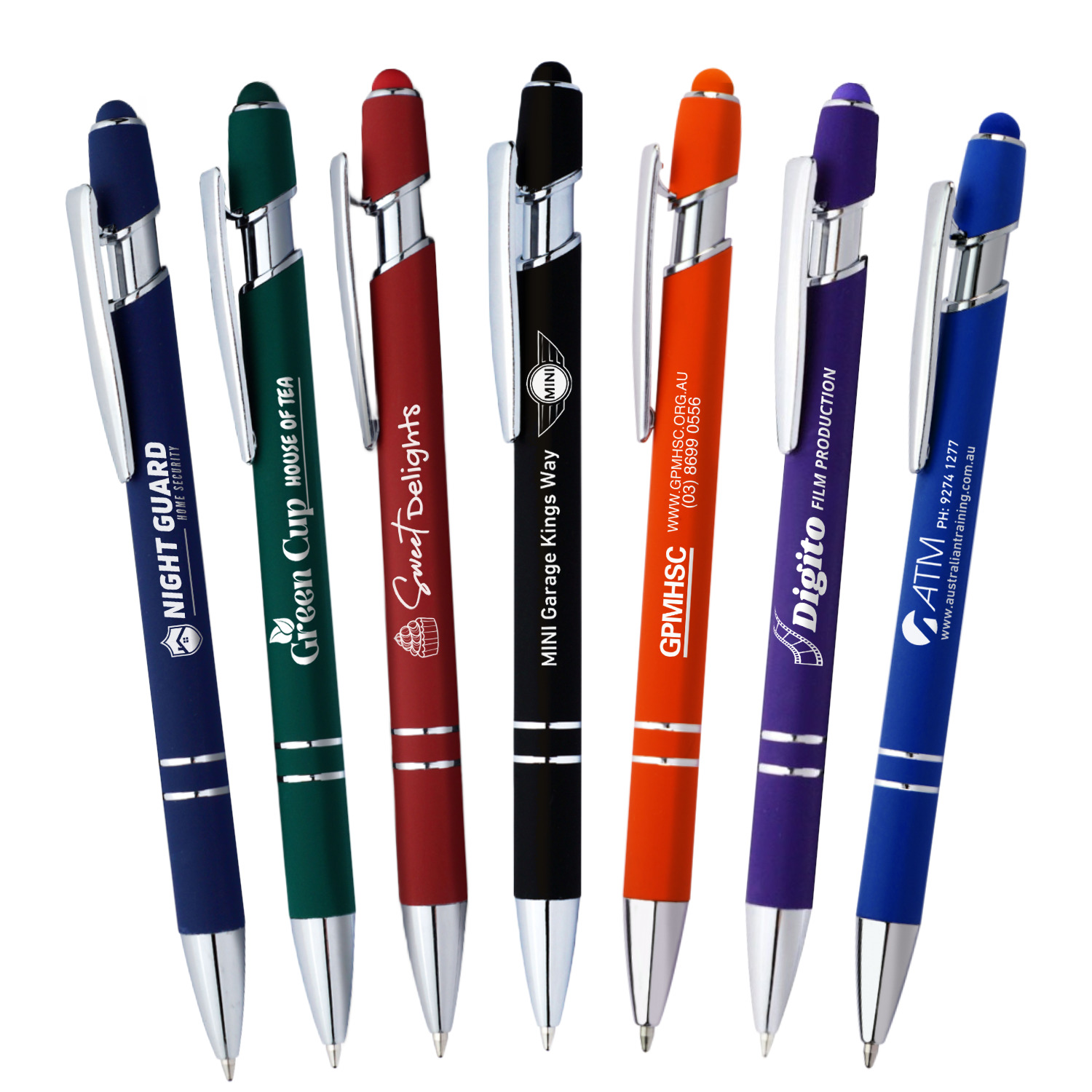
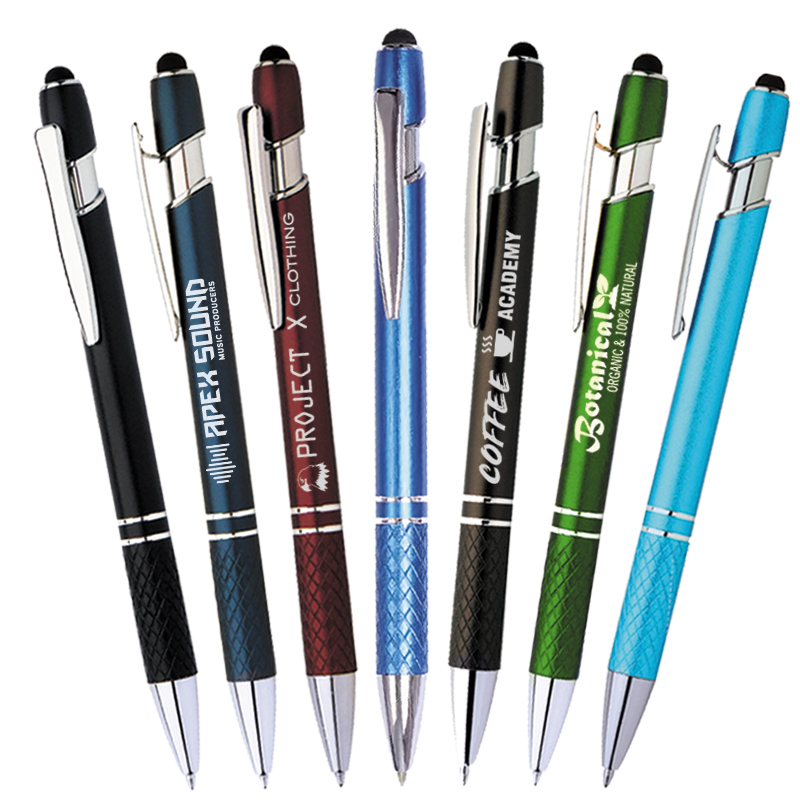
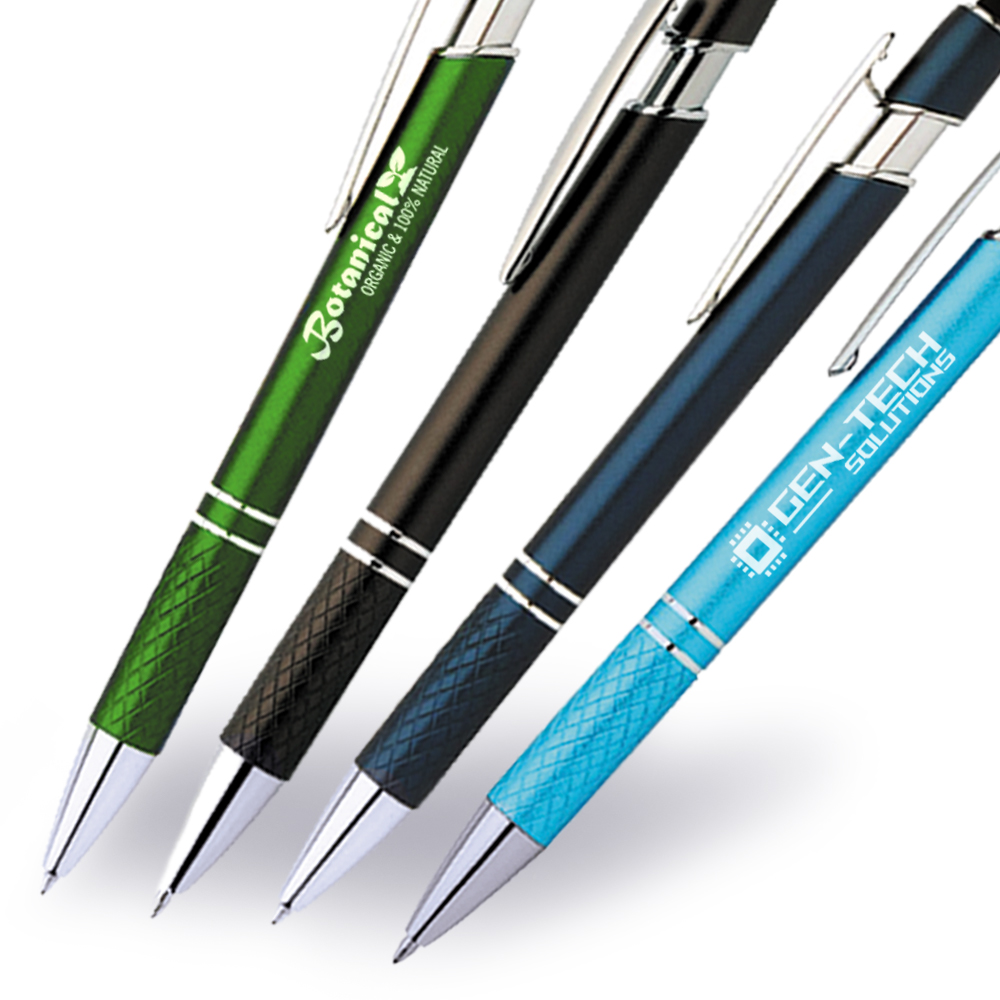
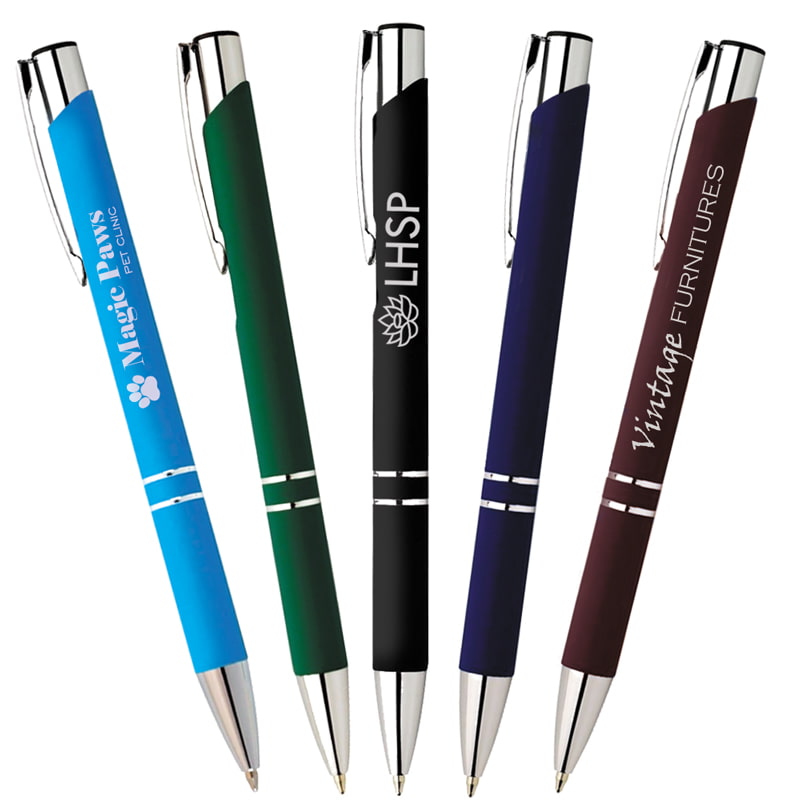
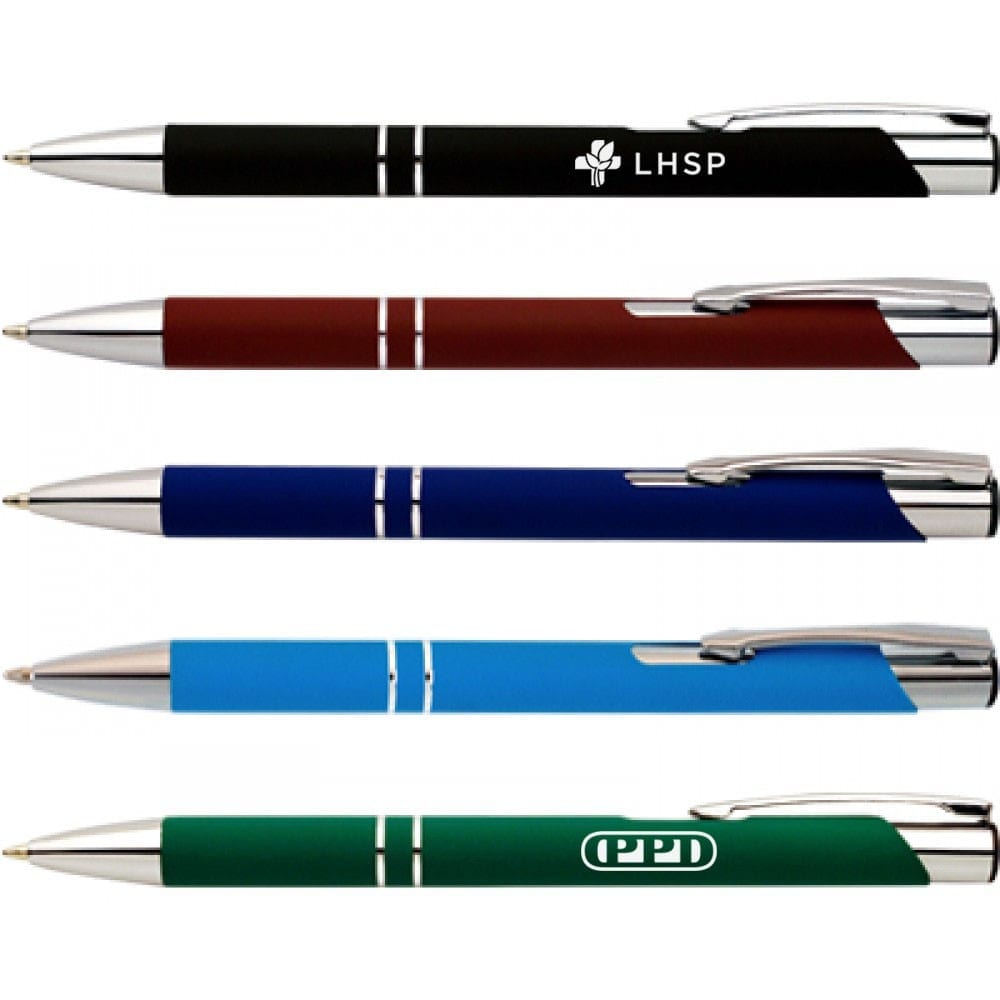
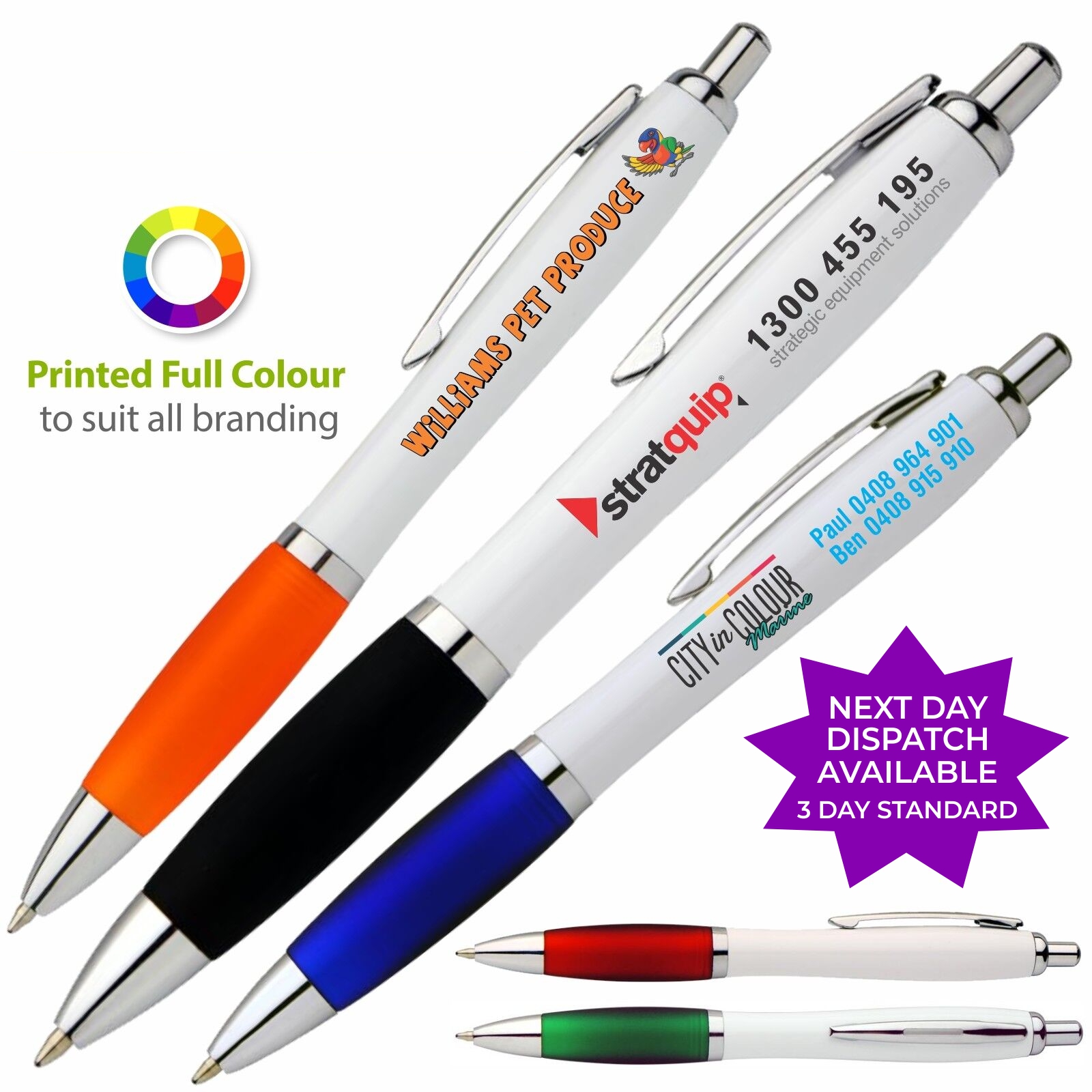
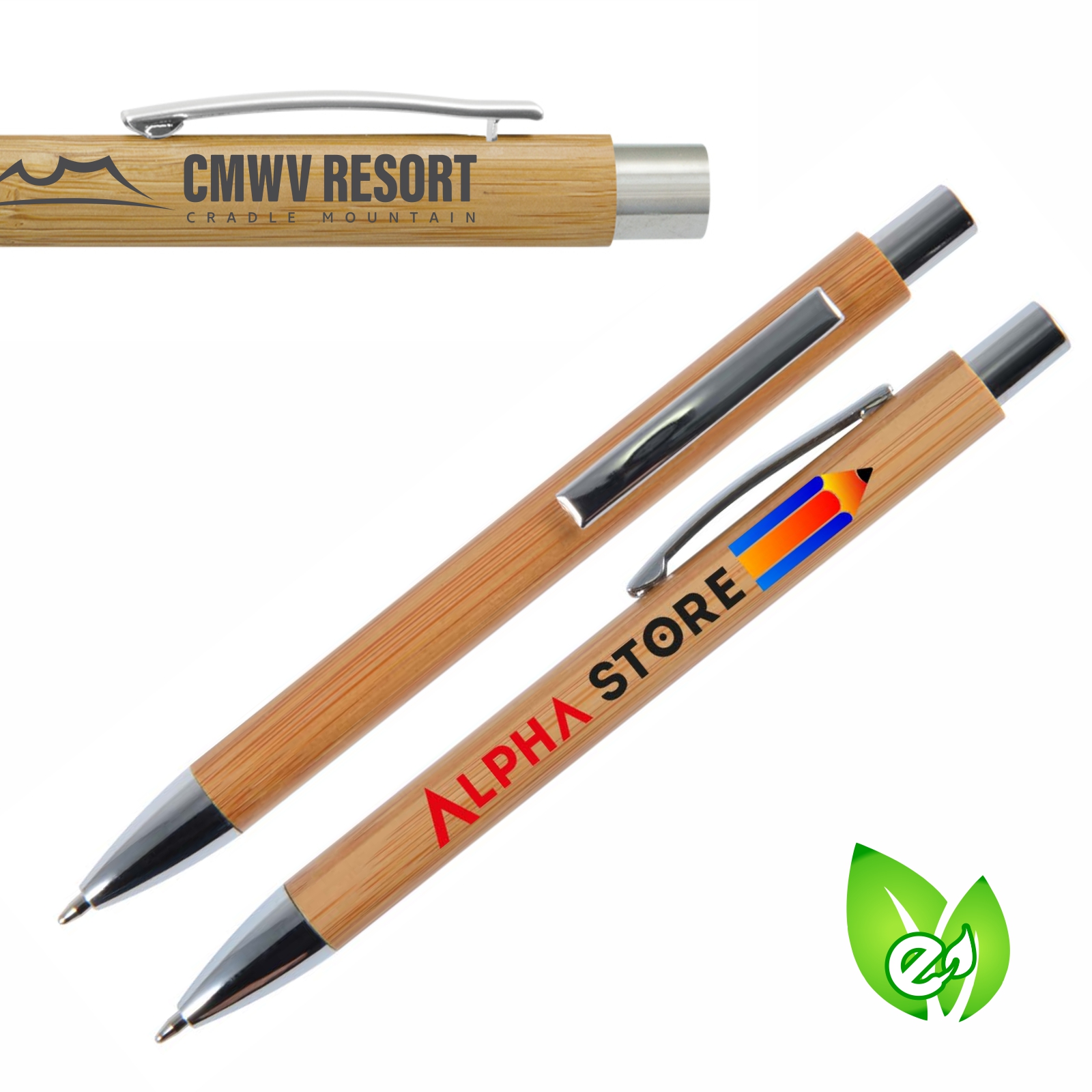
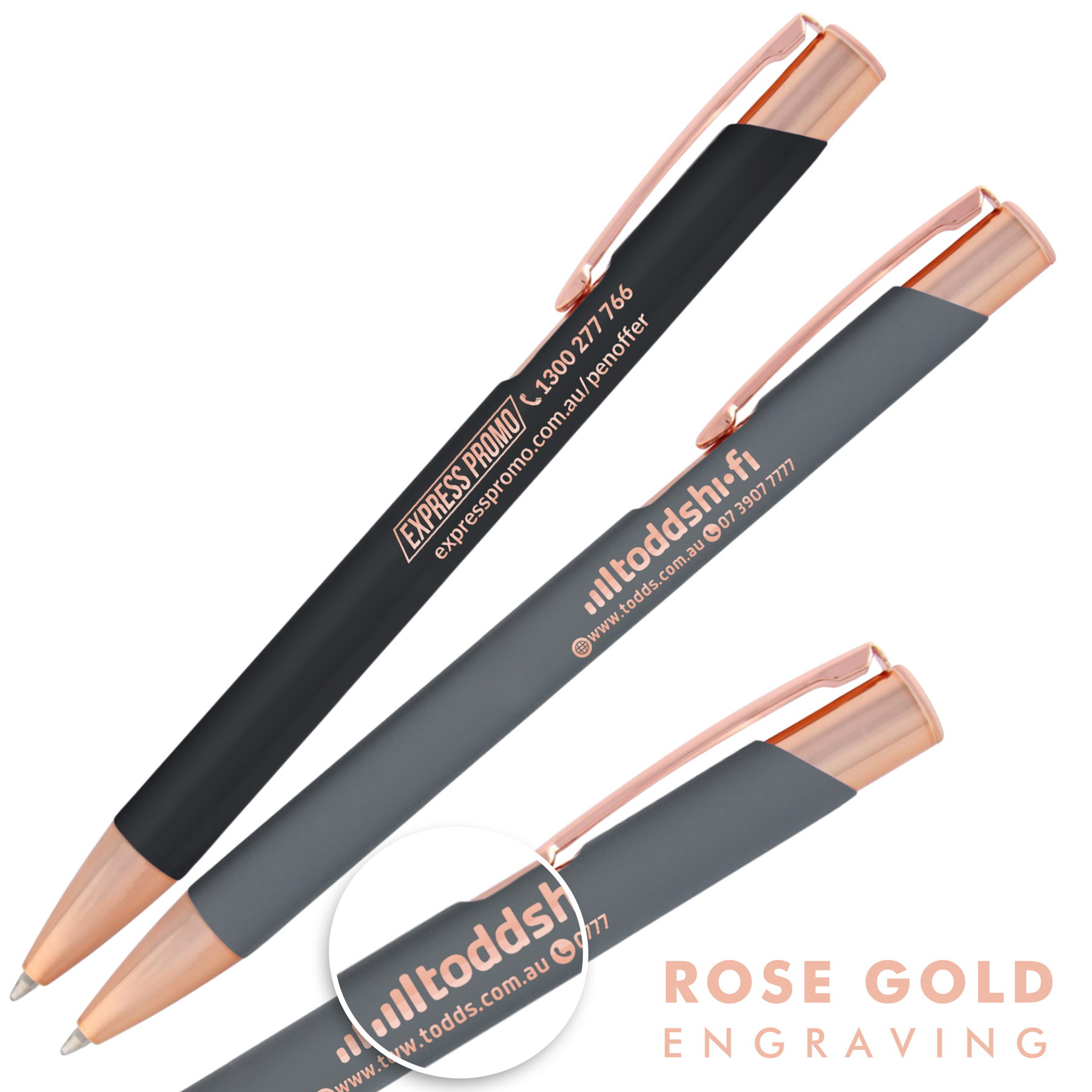
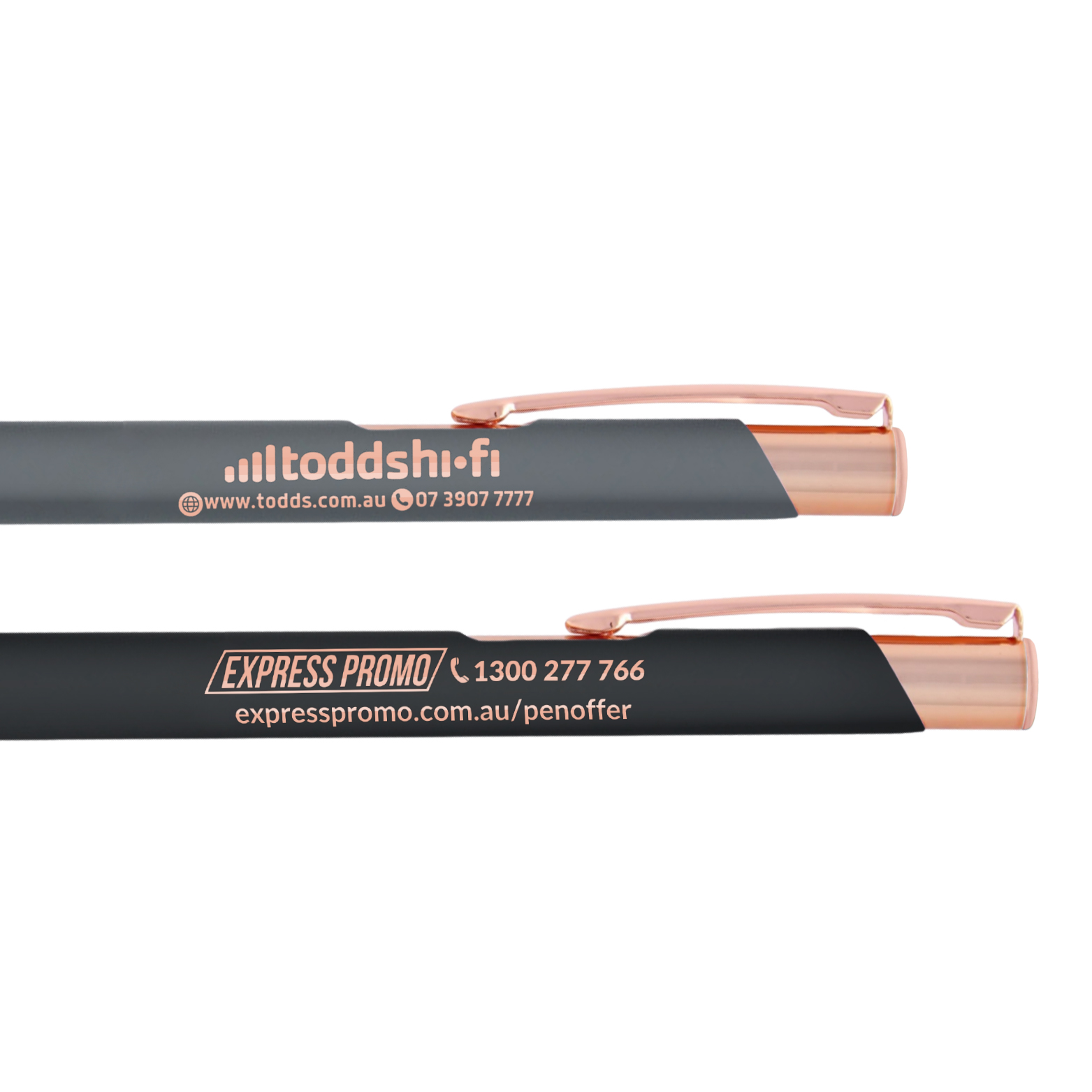
Pens are some of the most popular promotional items. Almost all kinds of businesses have used for marketing at some point. They were effective tools in the past and they are still powerful tools today. Despite leaps and bounds in the advancement of technology and the development of modern marketing strategies, pens remain a top choice for promotional items. Here’s why:
Cheap
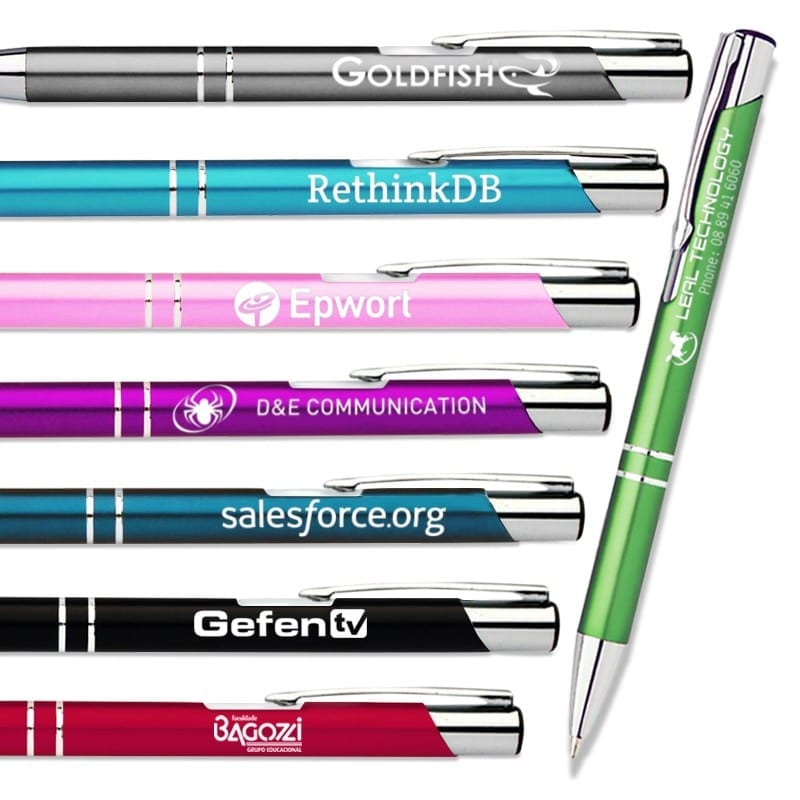
First and foremost, promotional pens are cheap to produce. And like many things, they are more affordable when you buy them in bulk. Even if your brand name is laser printed or engraved on the pen, you wouldn’t spend as much as you would when you advertise on TV and radio.
Functional
No one rejects a free pen. These items are so functional that anybody would gladly receive and use them. Aside from this, pens are also good for any type of campaign. You can give them away during an event or trade show or packed them along with your product in stores.
Lightweight
Promotional pens are easy to distribute because they are handy. They are also easy to share, which means that your brand can potentially achieve a wider and broader exposure. People who receive and use your promotional pens help you build your brand without realising it. They essentially promote your name for free.
If there is one ‘timeless’ promotional item that will never go out of style, it would probably be the pen. Of course, not all pens will do. You want something that looks great, feels substantial on the hand, and writes for a long time—not something that people will use once and then throw out. Choose high-quality pens from reputable merchandising companies that offer premium printing and customisation. The best ones offer free setup, artwork, and even free delivery to help you save more money.

EXPRESS OFFERS


Colourflex transfers are a CMYK+W digital print process, used for branding apparel and fabrics.
Direct to product digital printing involves the transfer of ink directly from the print heads of an inkjet machine to the product and can be used to produce both spot colour and full colour branding on flat or slightly curved surfaces.
Screen printing is achieved by forcing ink through a fine mesh screen with a squeegee onto the product and is ideal for branding flat or cylindrical objects.
Resin coated finish is produced by printing the artwork onto a vinyl material with strong adhesive on the reverse. The branded area is coated with a crystal clear resin which is allowed to dry. Once dry, the finished decal is applied to the product and the adhesive forms a permanent bond.
Screen printing is achieved by forcing ink through a fine mesh screen with a squeegee onto the product and is ideal for branding flat or cylindrical objects.
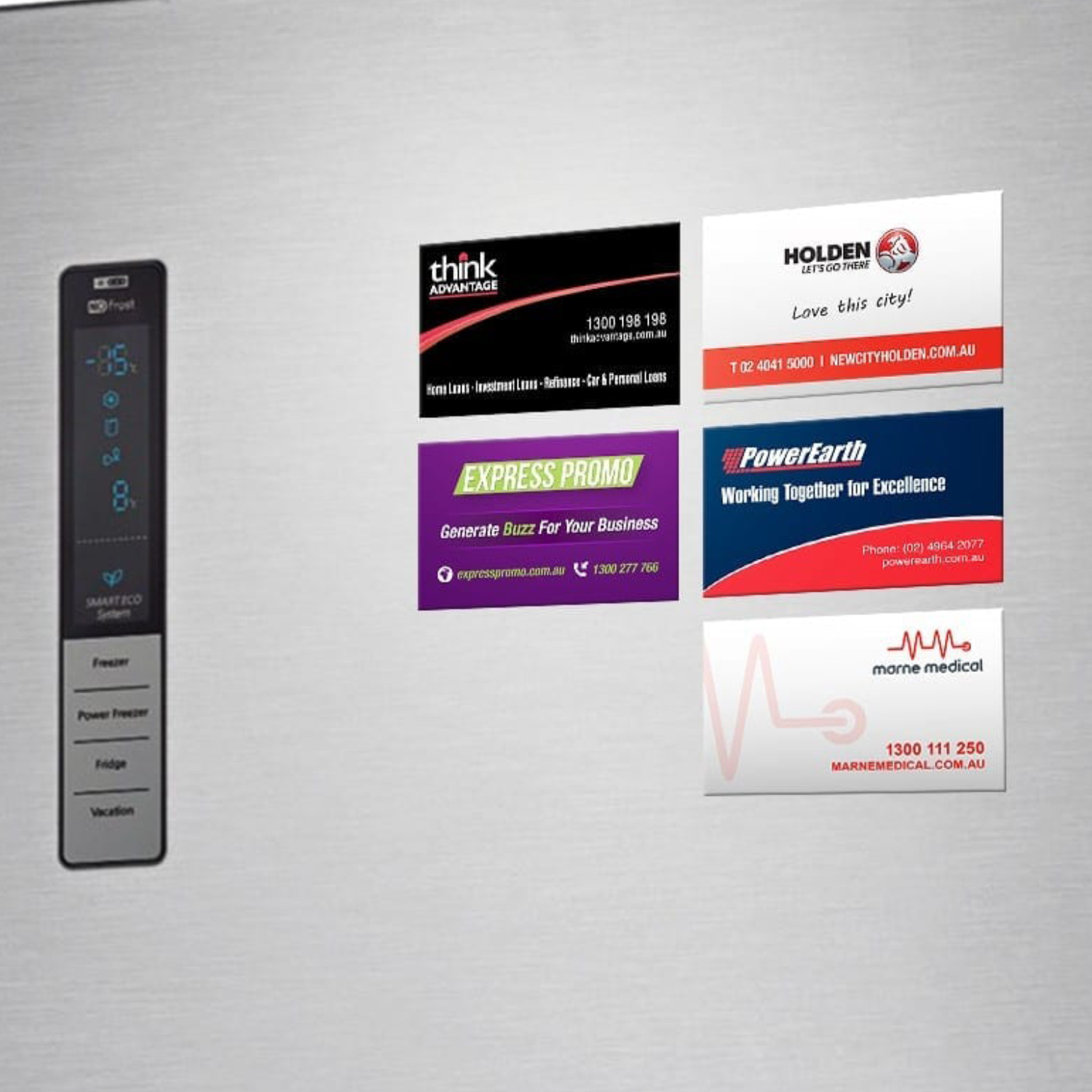
This production method is used for printing media such as paper, vinyl and magnetic material used in the manufacture of labels, badges and fridge magnets etc.
Direct to product rotary digital printing involves the transfer of UV ink directly from inkjet print heads and can be used to produce both spot colour and full colour branding.
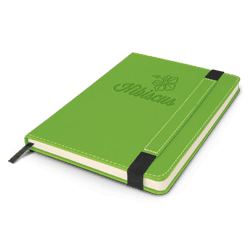
Debossing is produced by pressing a hot engraved metal plate into the surface of a product with a lot of pressure. This produces a permanent image below the surface of the product. Some products offer thermo debossing, which creates a stunning two-tone finish.
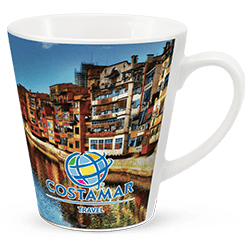
Sublimation print is used for branding products that have a special coating on them or fabrics suitable for the sublimation process. A transfer is produced by printing sublimation ink onto transfer paper and then heat pressing it onto the product.
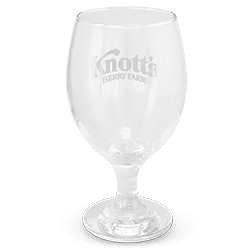
Imitation etch is a special pad printing ink used for producing an etch like effect on glass products.
Pad printing uses a silicone pad to transfer an image to a product from a laser etched printing plate. It is one of the most popular and affordable ways of branding promotional products due to its ability to reproduce images on uneven or curved products and print multiple colours in a single pass.