
Personalised bottle openers are among the most popular promotional products because of one simple reason: they work. These useful tools make excellent marketing materials if you want to expand your reach and increase brand recognition. They are both utilitarian and attractive, so people are likelier to keep them and use them often. Bottle openers are also likely to be shared; people borrow them from each other all the time, which means more exposure for your business name or brand.
Conventional advertising methods can be costly in the long run, especially for a small business that has to work with a tight budget. With personalised bottle openers, a business can expand its reach to more customers at a lower cost. If you have a promotional merchandise campaign, consider personalised bottle openers that cost less per impression. Because these promotional items are small and handy, they can be taken anywhere the customer goes—not just in the kitchen but also to picnics, the beach, for camping, etc. Each time someone needs a bottle opener, there is a chance for your brand to get exposure. Consider having your contact details printed on the bottle openers, too. That way, the products can serve as attention-grabbing business cards.
When given as promotional gifts or freebies, personalised bottle openers may help boost brand loyalty as they make recipients feel appreciated. Likewise, personalised bottle openers may help improve a customer’s opinion of your business so they can influence them to become more loyal to your brand and encourage repeat business. And since they are practical products, bottle openers are likely to be kept and used for an average of a year—often longer. Every bottle opener that you give away can keep promoting your business for as long as it remains useful.


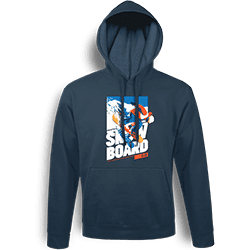
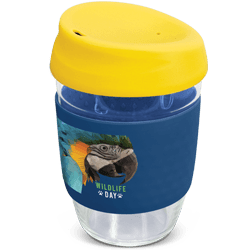
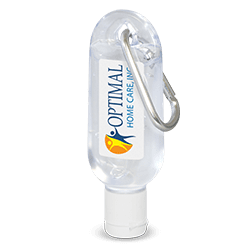
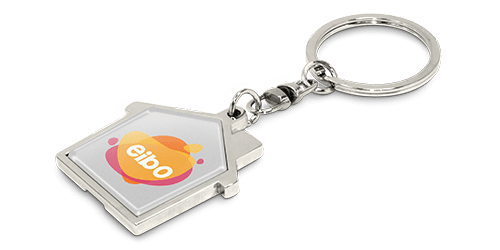
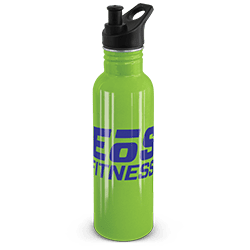
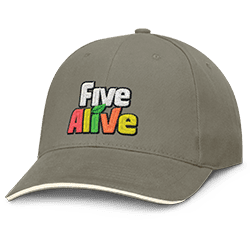




Colourflex transfers are a CMYK+W digital print process, used for branding apparel and fabrics.
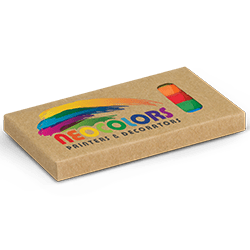
Direct to product digital printing involves the transfer of ink directly from the print heads of an inkjet machine to the product and can be used to produce both spot colour and full colour branding on flat or slightly curved surfaces.
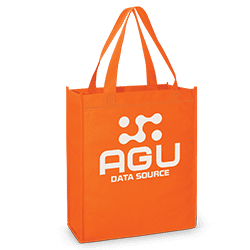
Screen printing is achieved by forcing ink through a fine mesh screen with a squeegee onto the product and is ideal for branding flat or cylindrical objects.
Resin coated finish is produced by printing the artwork onto a vinyl material with strong adhesive on the reverse. The branded area is coated with a crystal clear resin which is allowed to dry. Once dry, the finished decal is applied to the product and the adhesive forms a permanent bond.
Screen printing is achieved by forcing ink through a fine mesh screen with a squeegee onto the product and is ideal for branding flat or cylindrical objects.
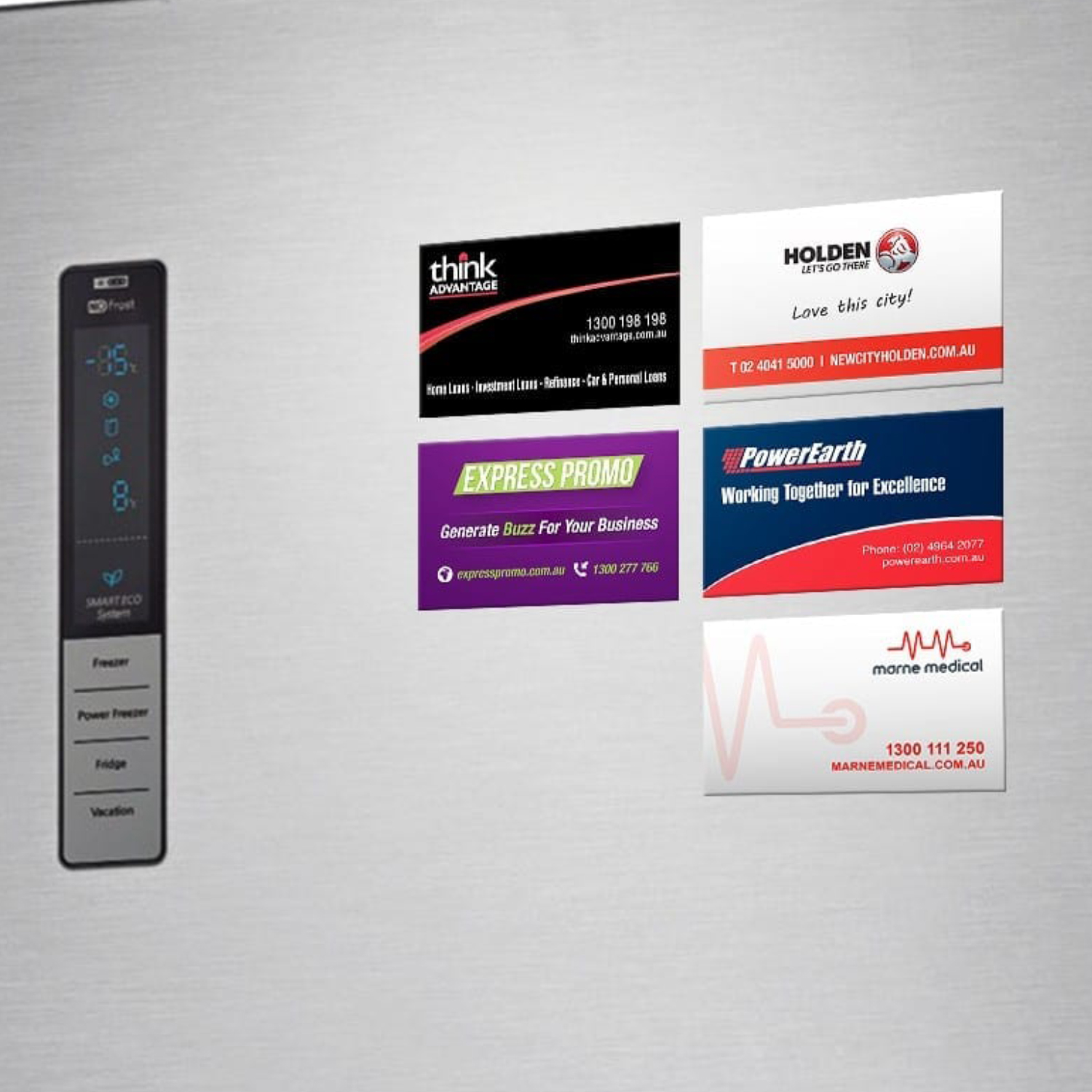
This production method is used for printing media such as paper, vinyl and magnetic material used in the manufacture of labels, badges and fridge magnets etc.
Direct to product rotary digital printing involves the transfer of UV ink directly from inkjet print heads and can be used to produce both spot colour and full colour branding.
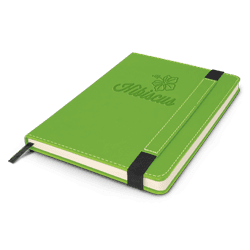
Debossing is produced by pressing a hot engraved metal plate into the surface of a product with a lot of pressure. This produces a permanent image below the surface of the product. Some products offer thermo debossing, which creates a stunning two-tone finish.
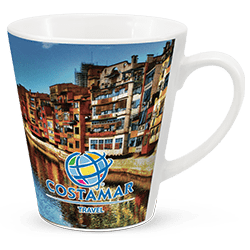
Sublimation print is used for branding products that have a special coating on them or fabrics suitable for the sublimation process. A transfer is produced by printing sublimation ink onto transfer paper and then heat pressing it onto the product.
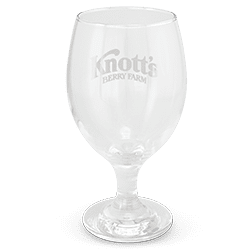
Imitation etch is a special pad printing ink used for producing an etch like effect on glass products.
Pad printing uses a silicone pad to transfer an image to a product from a laser etched printing plate. It is one of the most popular and affordable ways of branding promotional products due to its ability to reproduce images on uneven or curved products and print multiple colours in a single pass.