
















Product Spotlight, Promotional Products
Factors To Consider While Customising Coffee Mugs

Factors To Consider While Customising Coffee Mugs
Customised coffee mugs are a popular and cost-effective way to promote your brand, celebrate an event or even create a thoughtful gift. However, to make the most of this marketing tool, it is important to consider certain factors when customising your coffee mugs.
Here are some things to keep in mind:
Mug Type and Material
One of the first things to consider is the type and material of the mug.
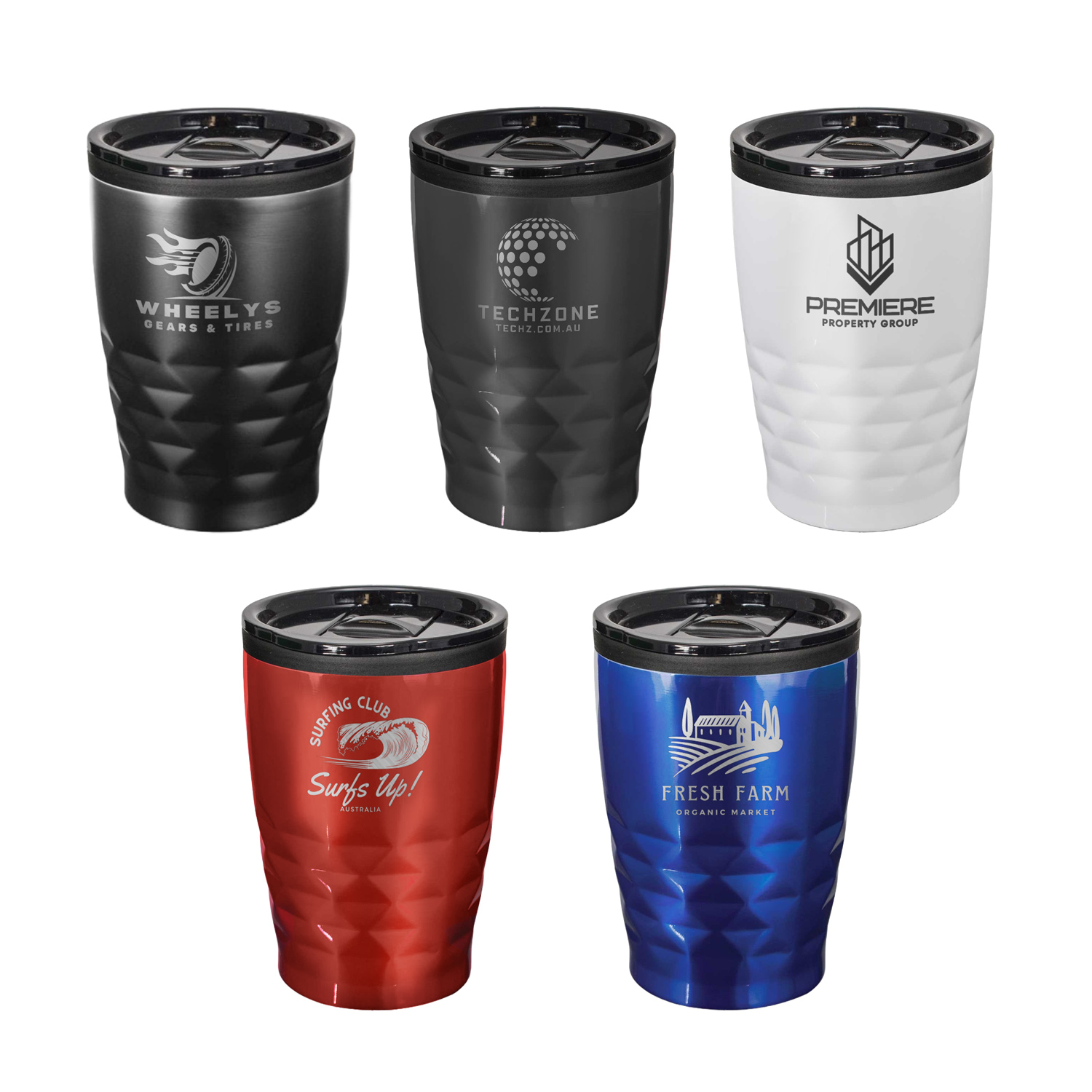
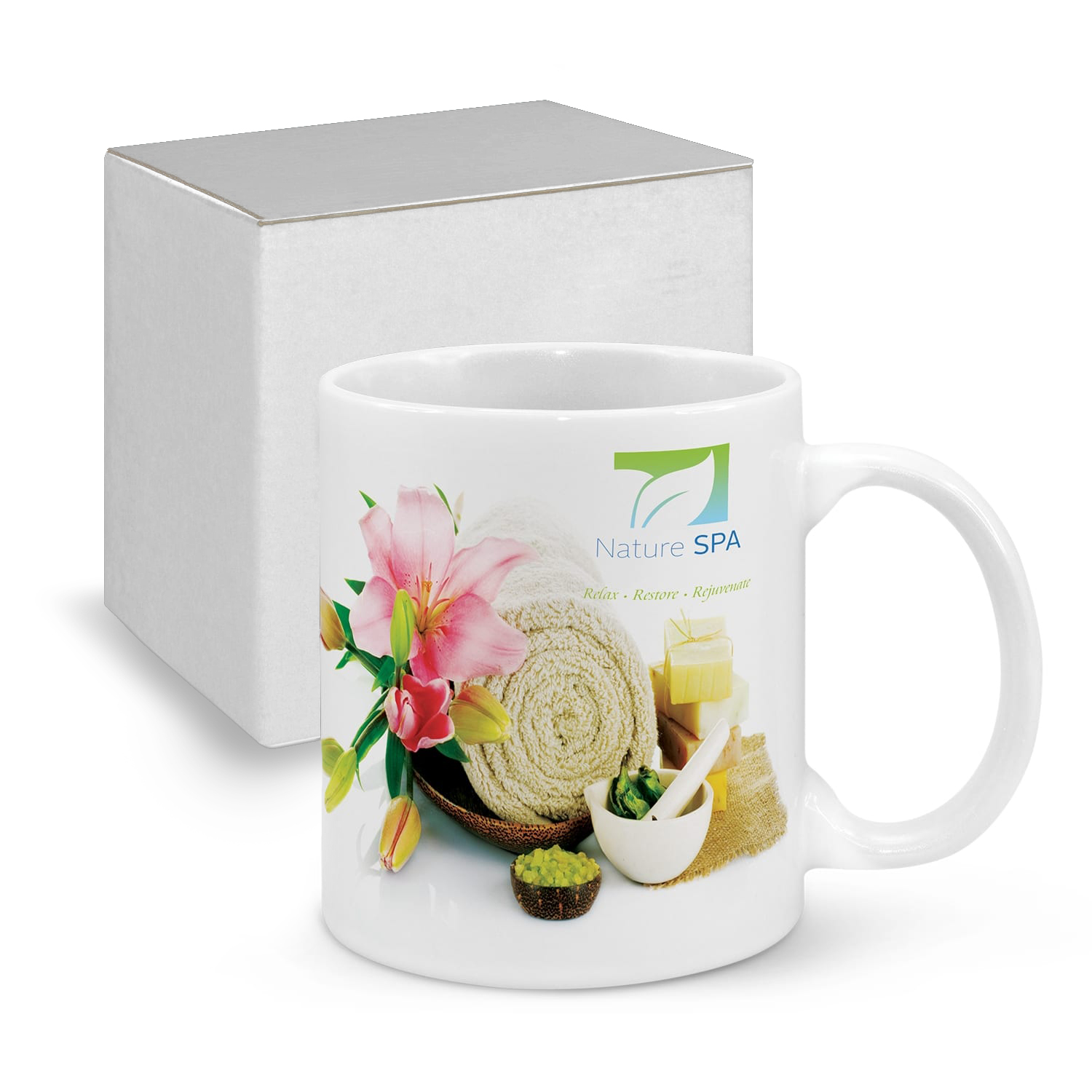
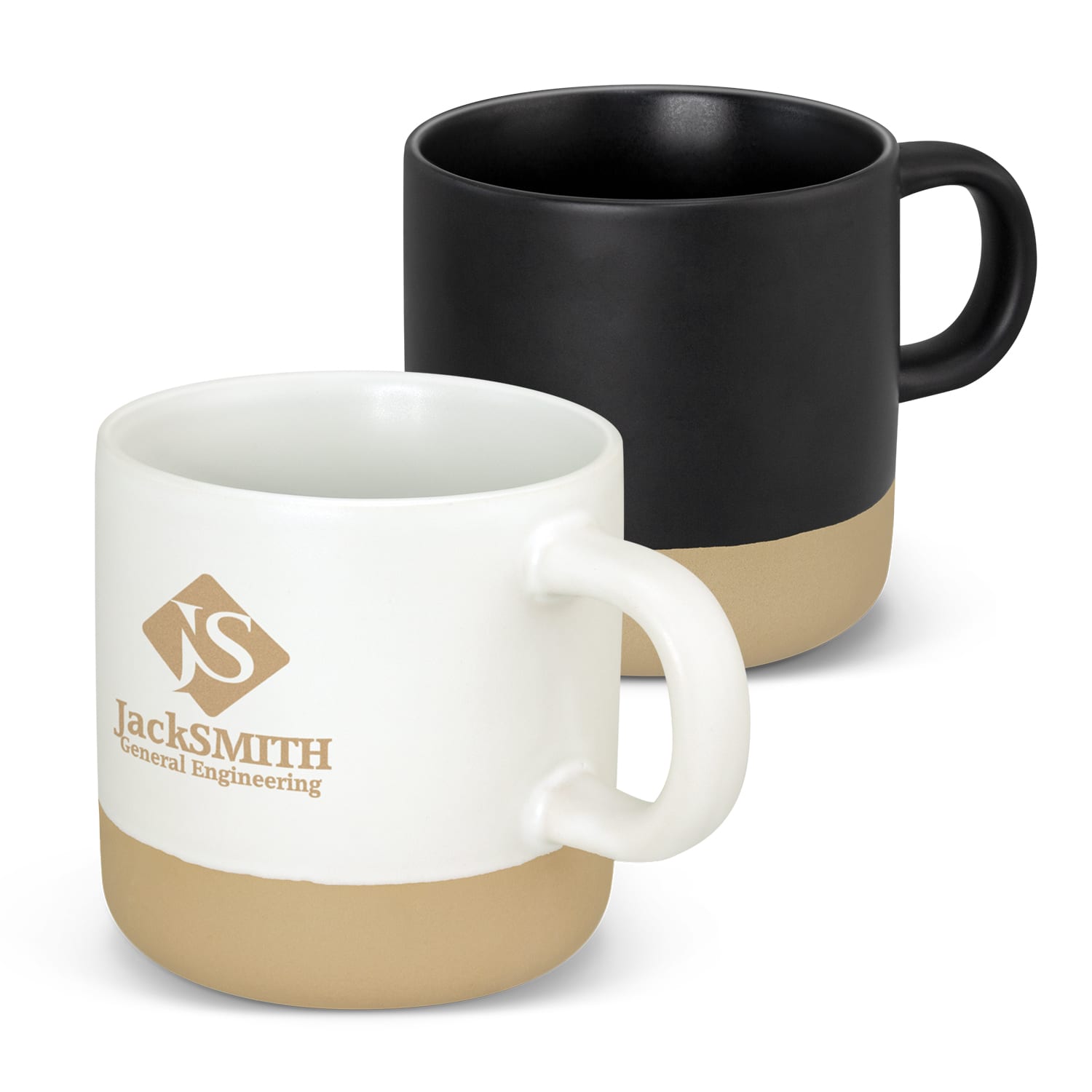
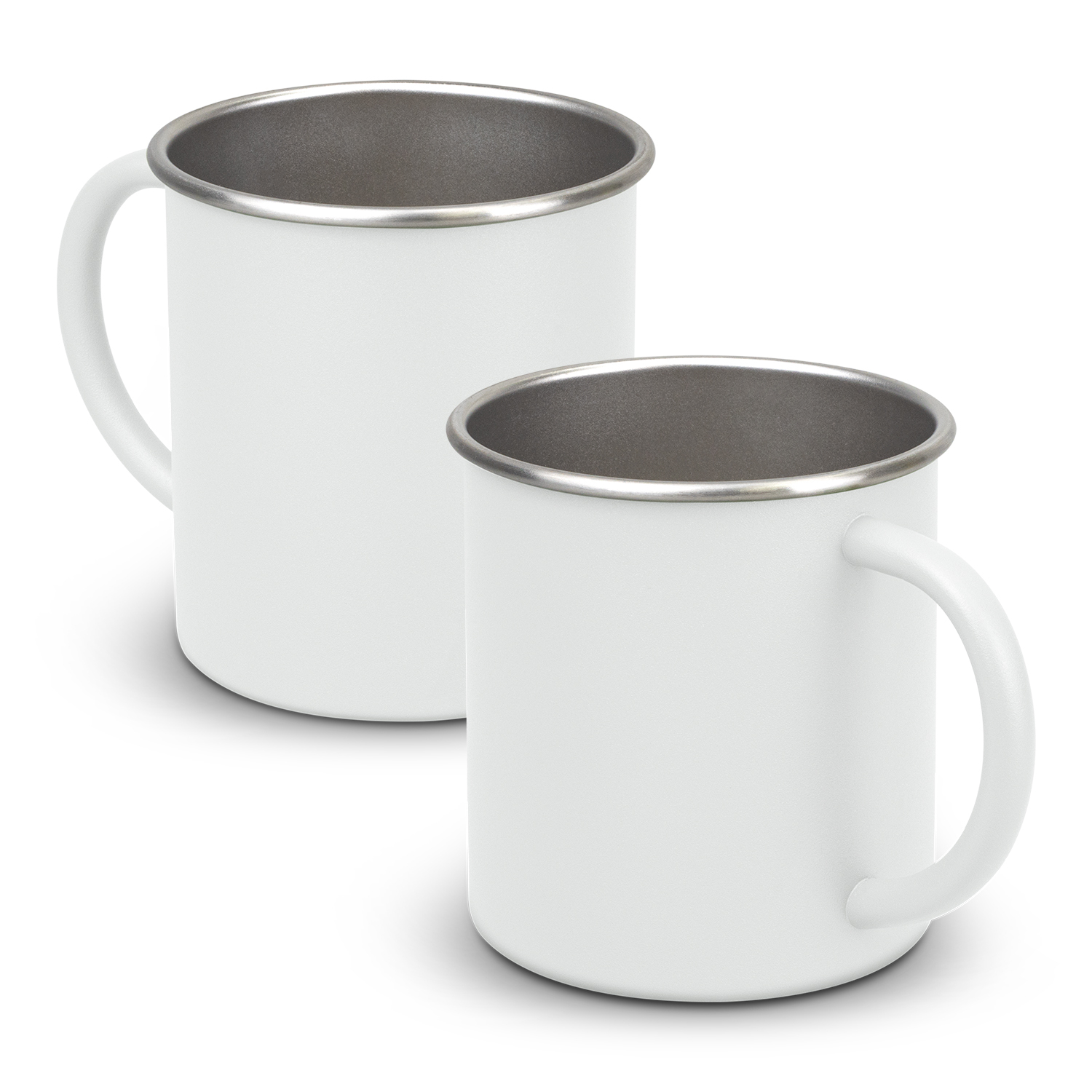
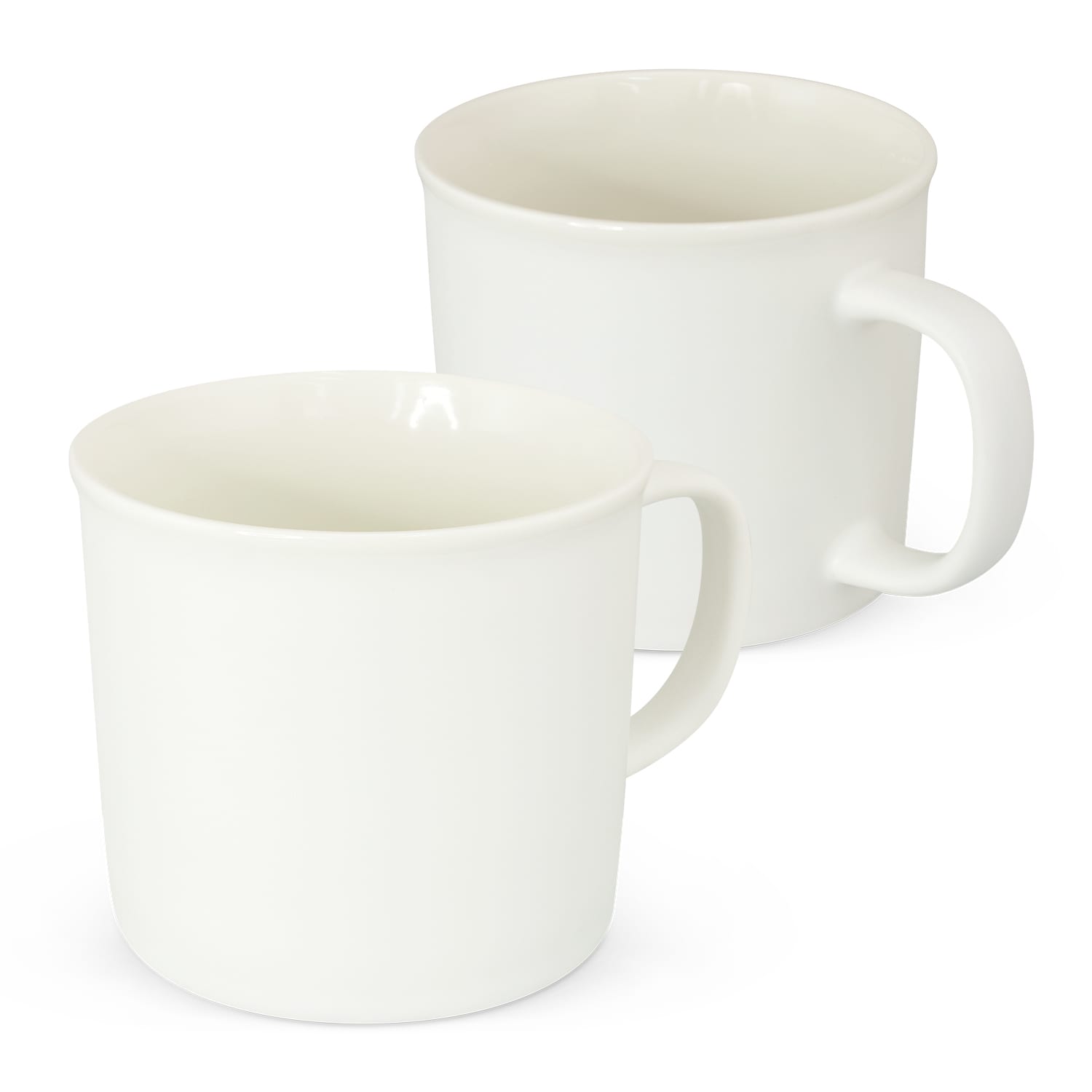
There are different styles of mugs available, such as ceramic, glass, stainless steel, and travel mugs. Each material has its own advantages and disadvantages, such as durability, cost, and heat retention. Consider the purpose of the mug, and choose a material that best suits your needs.

Design and Branding
The design and branding on the mug is one of the most important factors to consider.
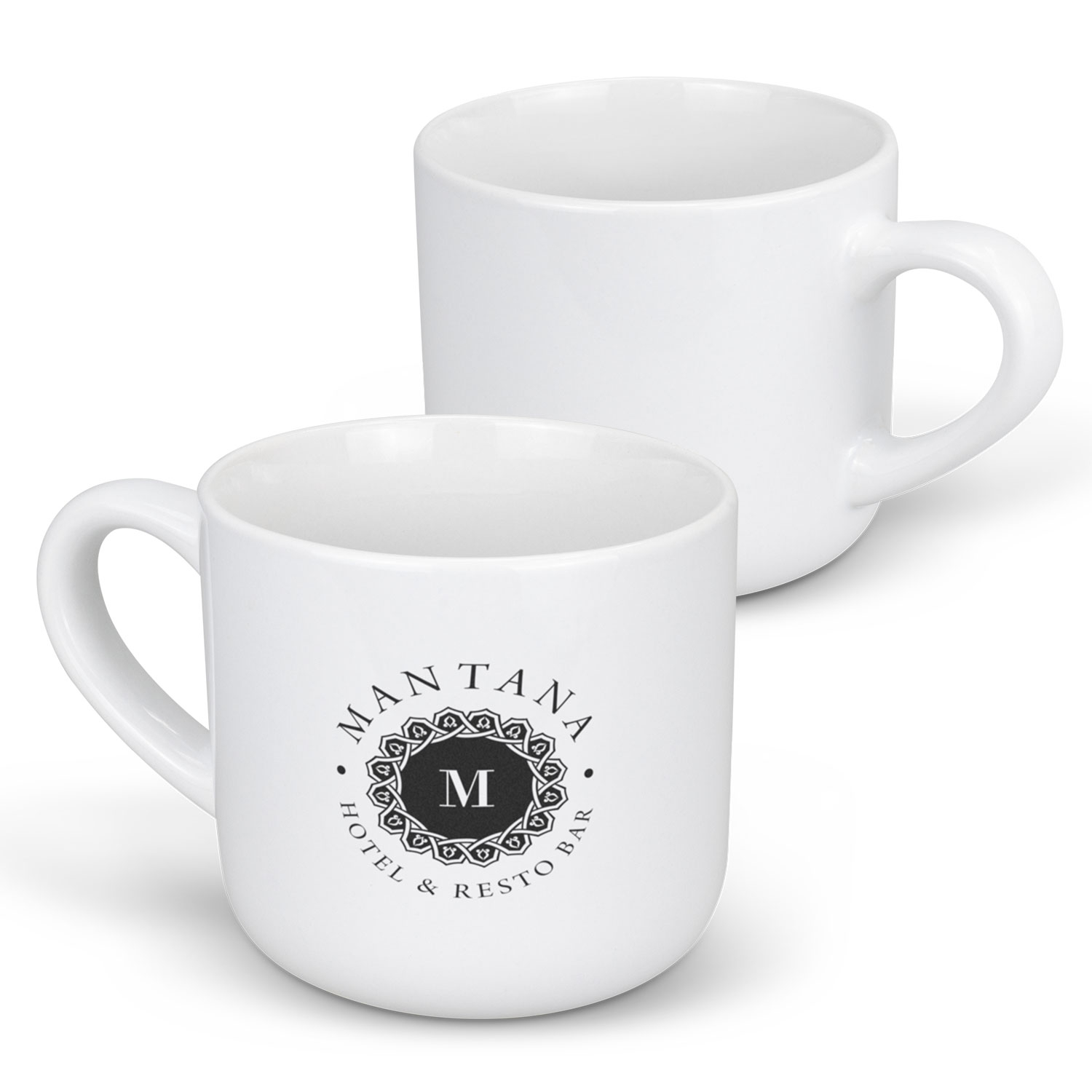
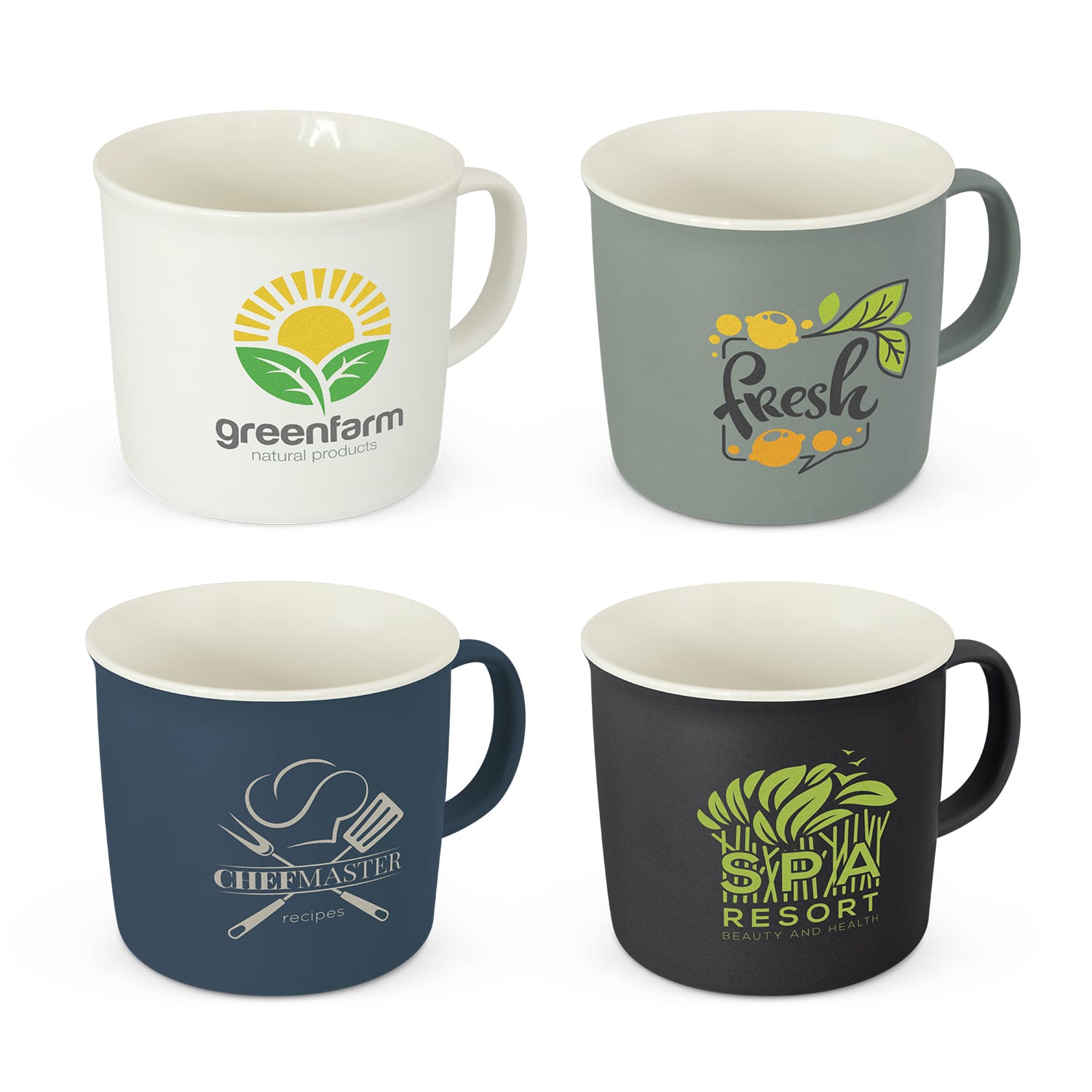
The design should be eye-catching, memorable, and aligned with your branding. You can choose to have your company logo, slogan, or a custom design printed on the mug. Ensure that the design is high-quality and can withstand multiple uses and washes.

Mug Size and Shape
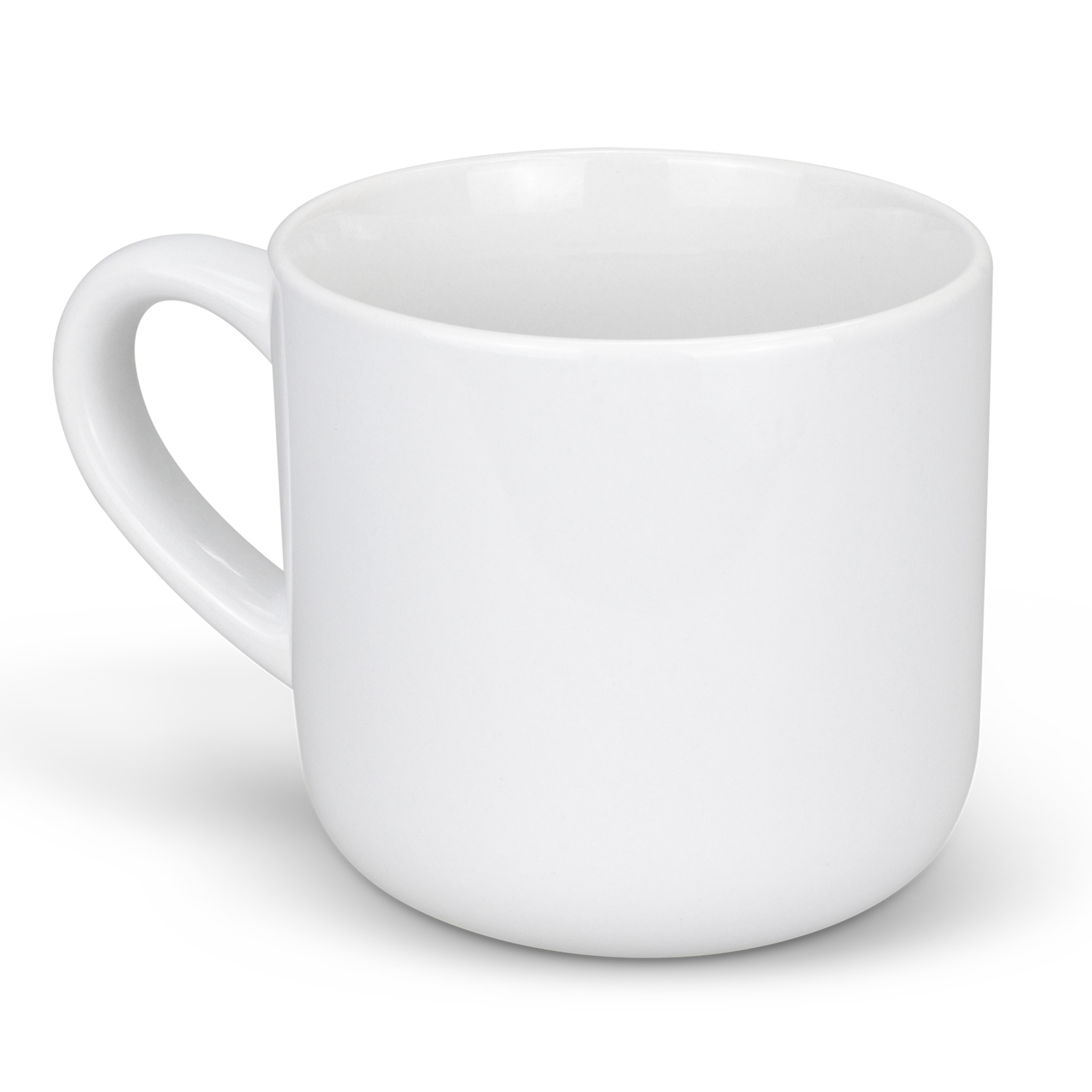
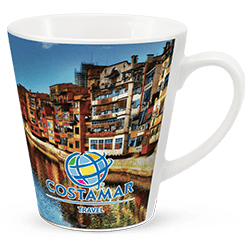
The size and shape of the mug are also important factors to consider. If you are using the mug for coffee or tea, a standard 11 oz mug would be suitable. However, if you are using it for cold beverages, a larger size may be more appropriate.
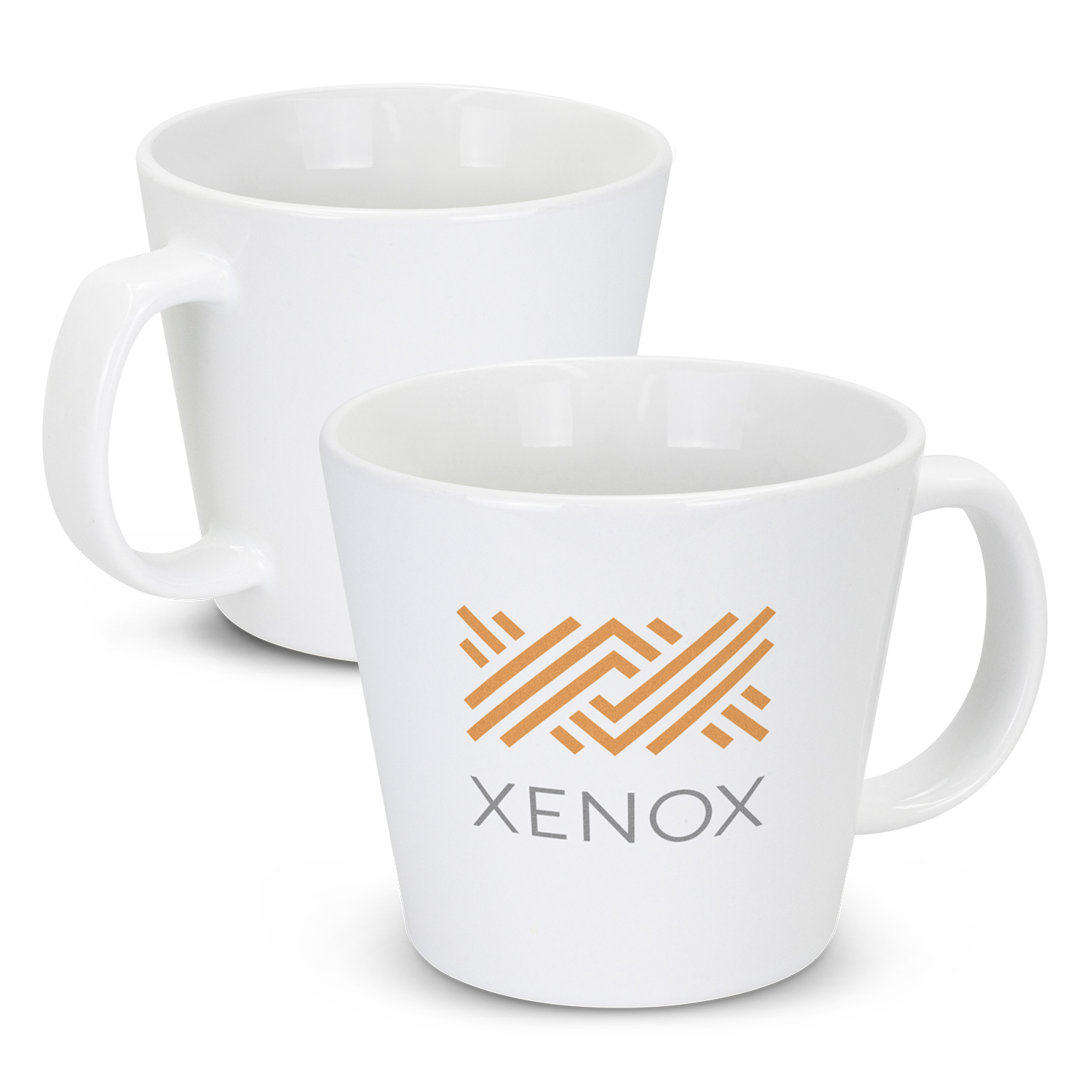
Additionally, there are different shapes of mugs available, such as traditional, tapered, and novelty shapes. Choose a shape that aligns with your branding or the theme of the event.
Colour
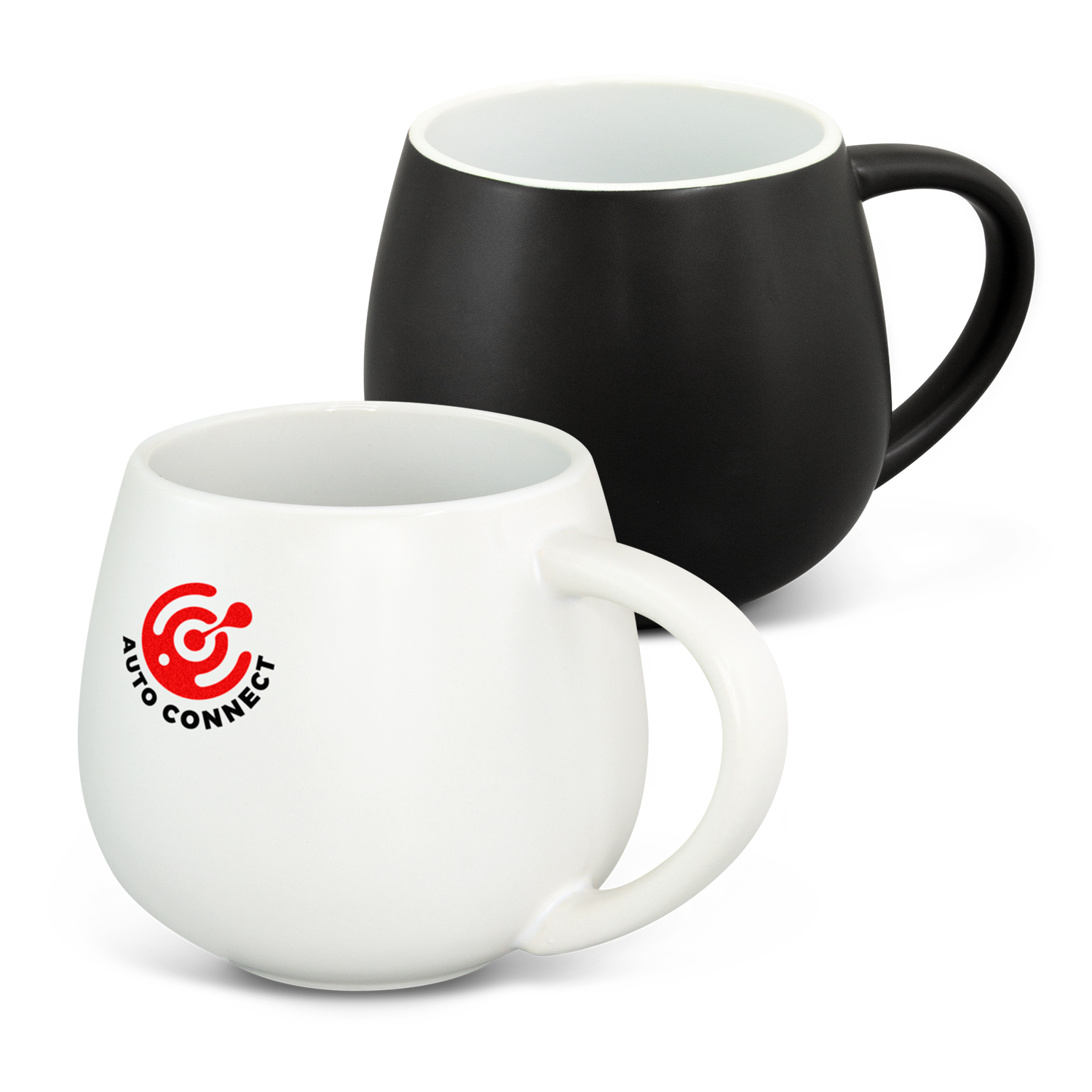
The colour of the mug is another important consideration. Choose a colour that complements your branding or event theme.
- For example, if your branding is blue, choose a blue mug or if your event is for Valentine’s Day, choose a red or pink mug. Additionally, consider the colour of the design and ensure that it contrasts well with the mug colour.

Quantity and Budget
The quantity and budget are also important factors to consider when customising coffee mugs.
Determine how many mugs you need and what your budget is. Ordering in bulk can save money and reduce the cost per mug. Consider the value of the mug and how it aligns with your marketing goals.
- By considering these factors when customising your coffee mugs, you can ensure that they are effective and well-received by your target audience. Remember that customised coffee mugs are not only a practical item but also a branding tool that can leave a lasting impression on your customers or clients.
When choosing a supplier for your customised coffee mugs, look for a reputable and experienced company like Express Promo. They offer a wide range of high-quality coffee mugs that can be customised to meet your specific needs. With their expert knowledge and excellent customer service, you can be confident that your customised coffee mugs will be a success.