















Promotional Products
Engraved Pens vs Printed Pens: Which Is Better for Branding?
When it comes to promotional products, pens remain one of the most effective and widely used options. They are affordable, practical, and suitable for almost any audience. However, one key decision businesses face is how to brand them — engraving or printing. Choosing between these two methods can significantly impact how your brand is perceived, especially when considering engraved pens.
Both options have their advantages, and the right choice depends on your campaign goals, budget, and desired finish.
What Are Engraved Pens?
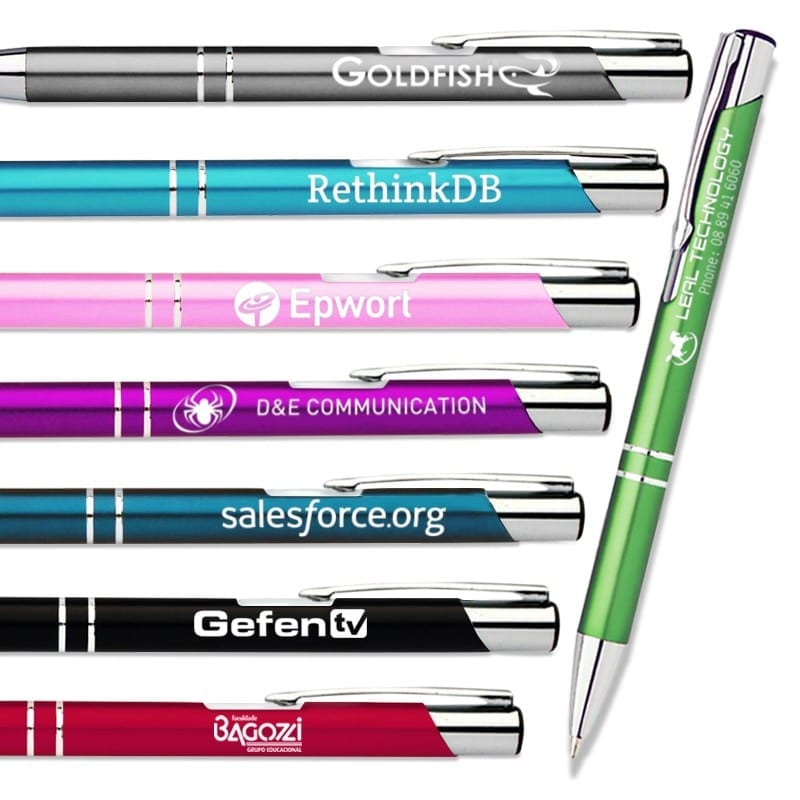
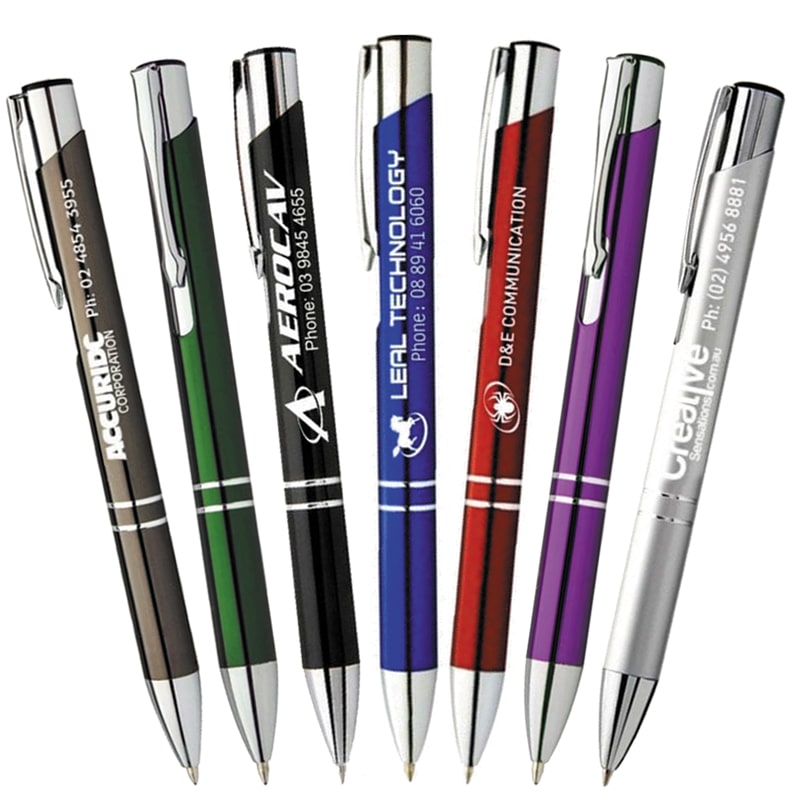
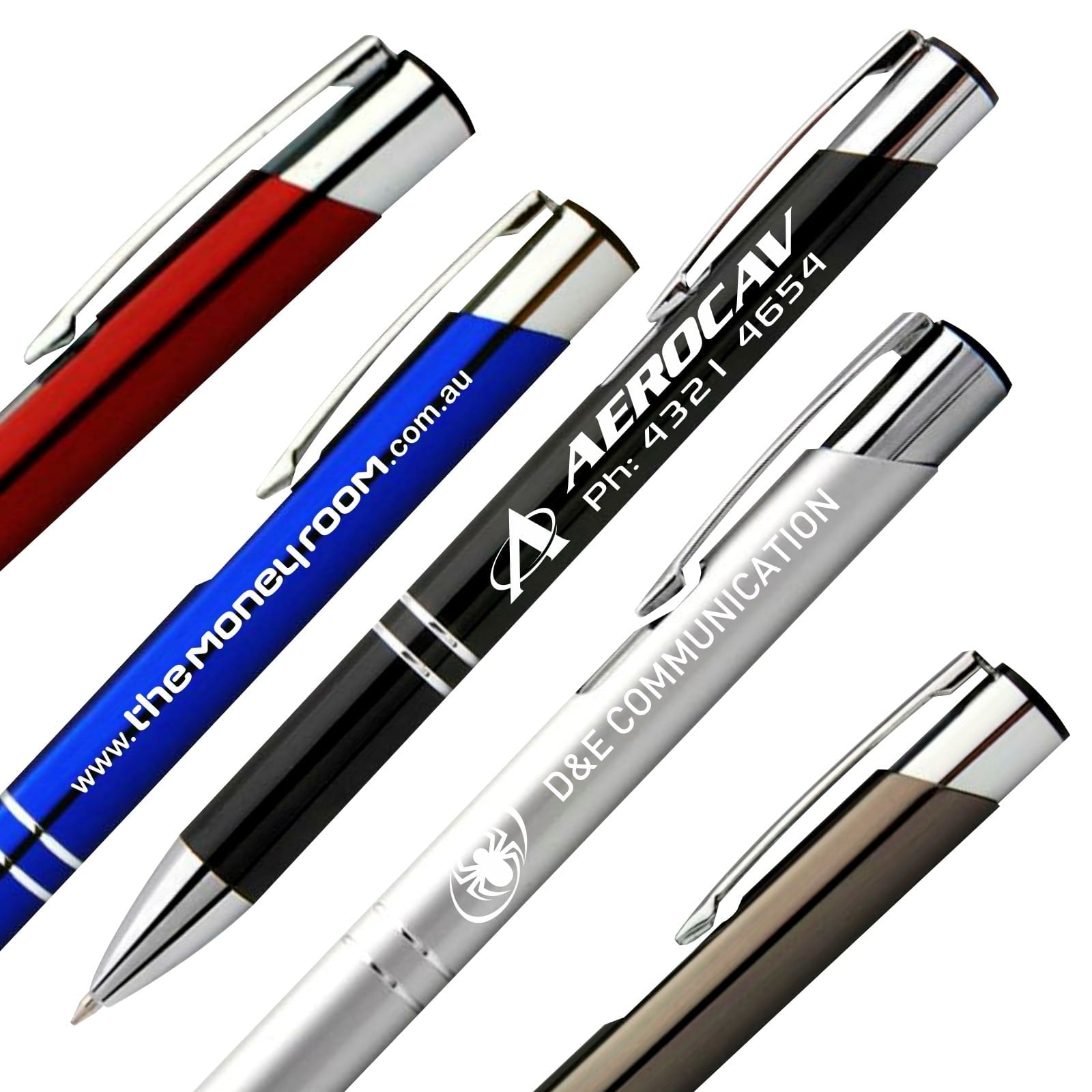
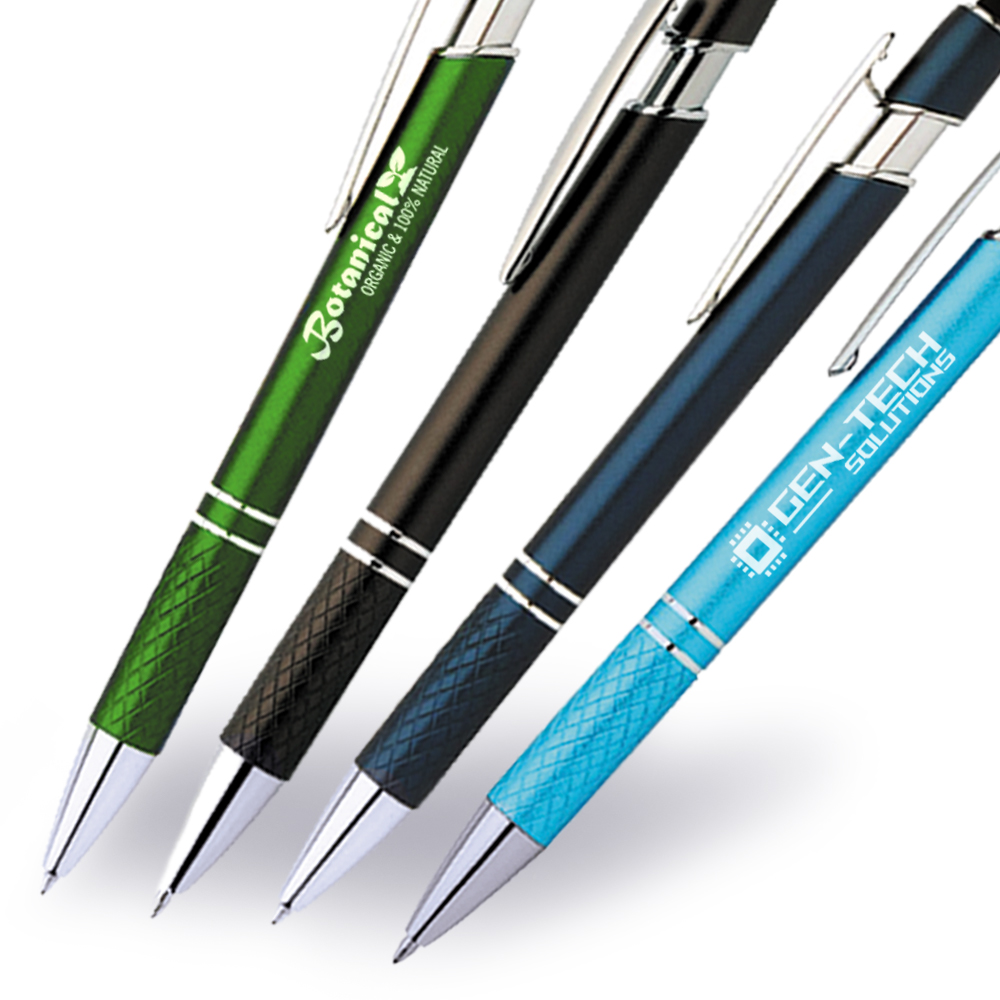
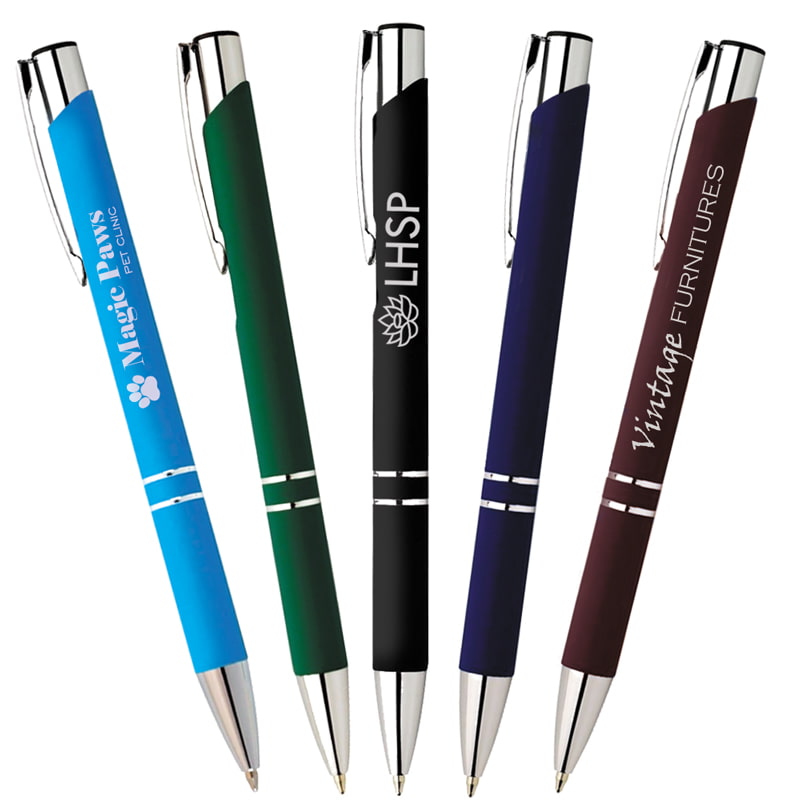
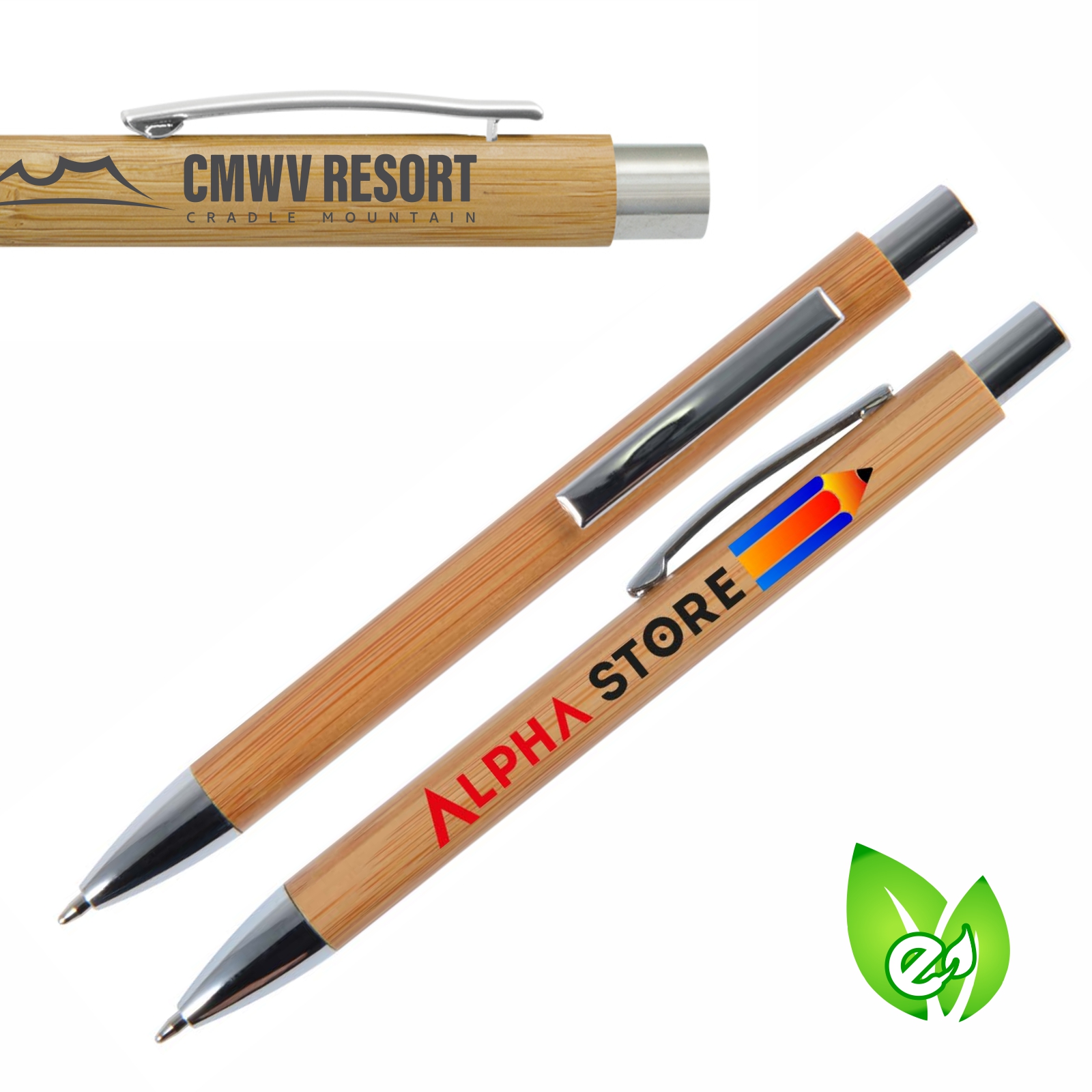
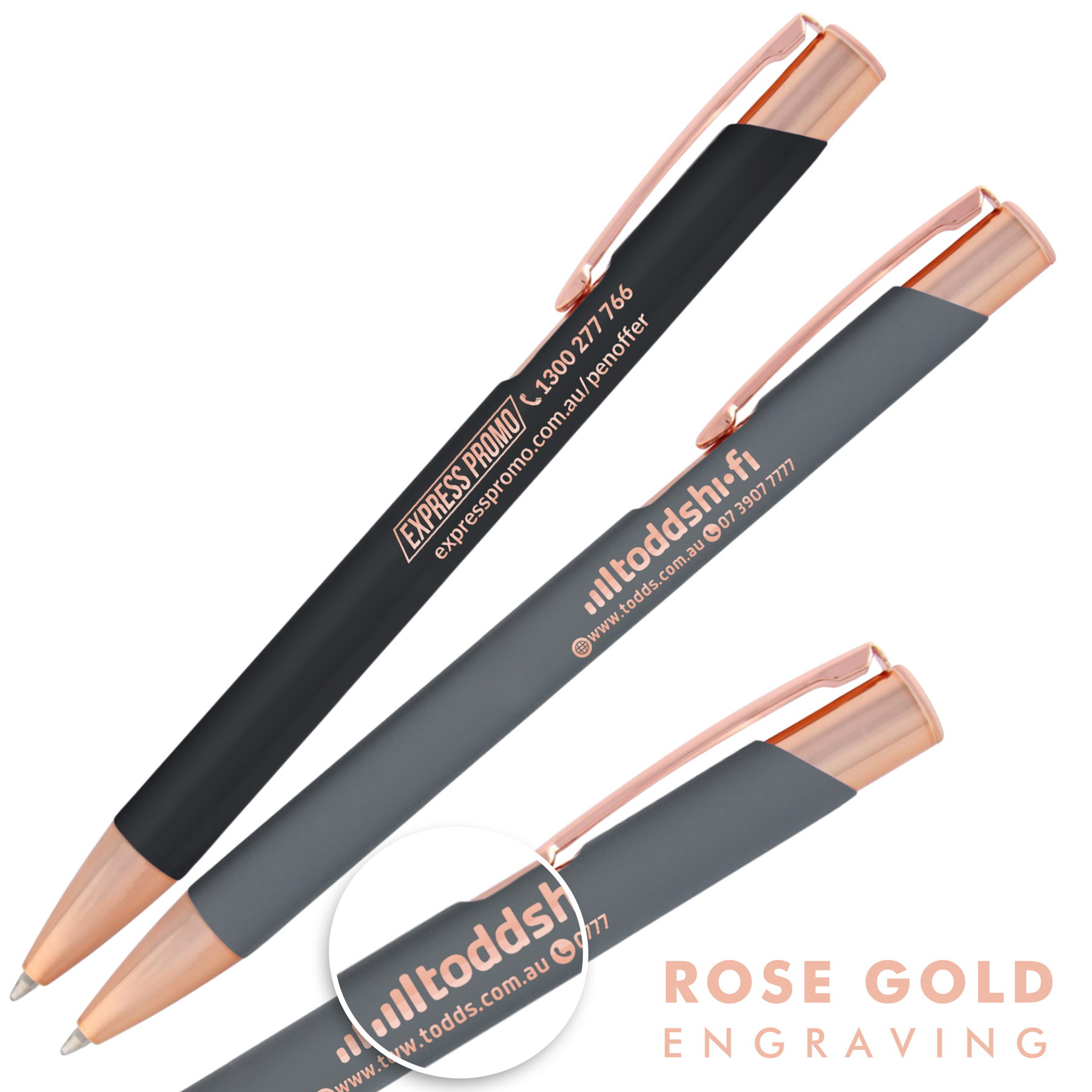
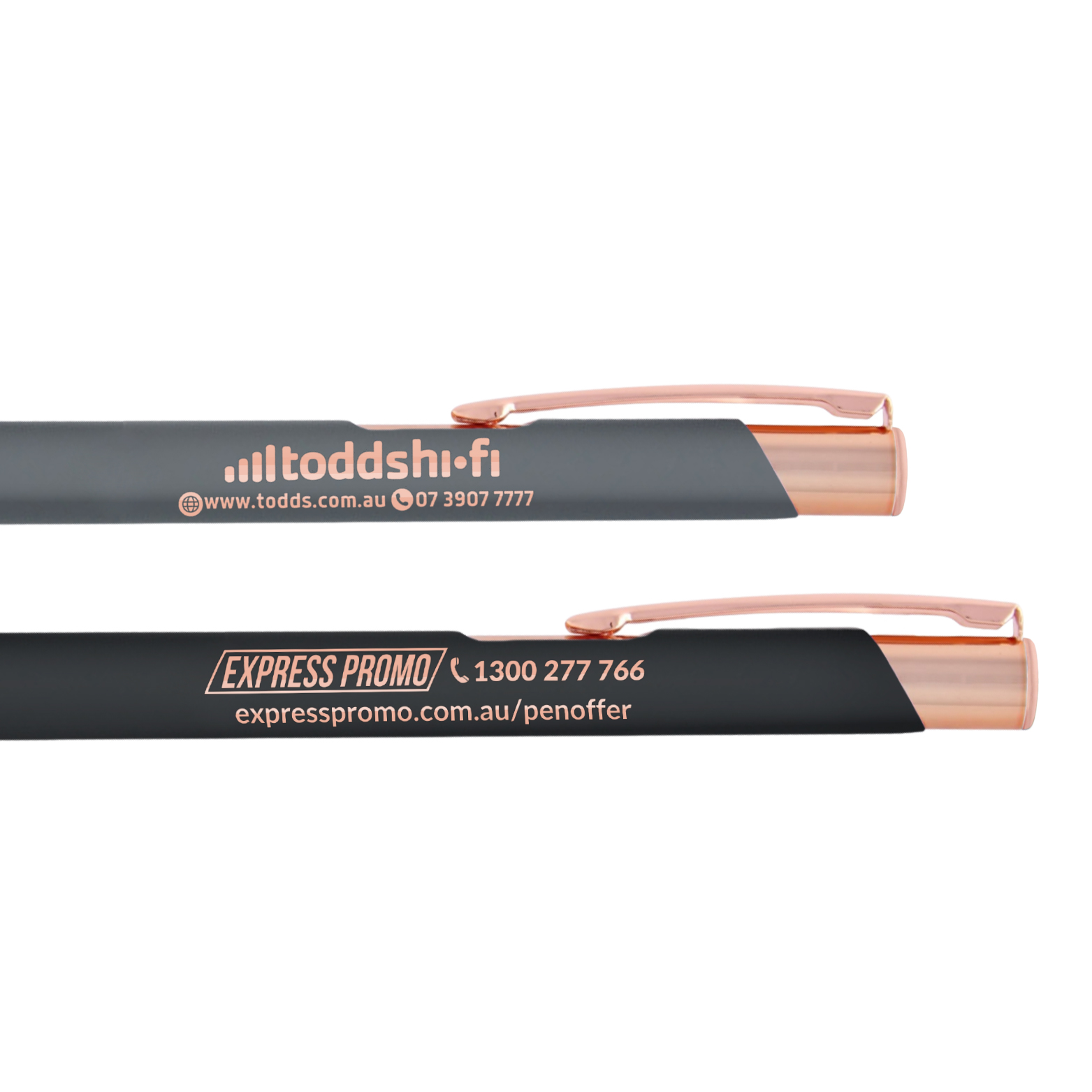
Engraved pens are created by etching your logo or message directly into the surface of the pen, often revealing a contrasting metallic or underlying layer. This process creates a permanent mark that won’t fade or wear away over time.
Because of this, engraving is commonly used on metal pens or premium materials, giving them a more refined and professional appearance.
Benefits of Engraved Pens
One of the biggest advantages of engraved pens is durability. Unlike printed designs, engraving does not peel, crack, or fade with use. This makes them ideal for long-term branding.
They also offer a premium look and feel. The subtle, etched finish gives a more sophisticated appearance, making them perfect for corporate gifting, executive use, and client-facing environments.
Additionally, engraved designs tend to look clean and minimal, which aligns well with modern branding styles.
Limitations of Engraved Pens
While engraved pens provide a high-end finish, they do have some limitations. Colour options are typically limited, as the engraving reveals the base material rather than applying ink.
This means complex logos with multiple colours may not translate as effectively. Engraving is also usually more suited to simpler designs with clear lines and text.
What Are Printed Pens?
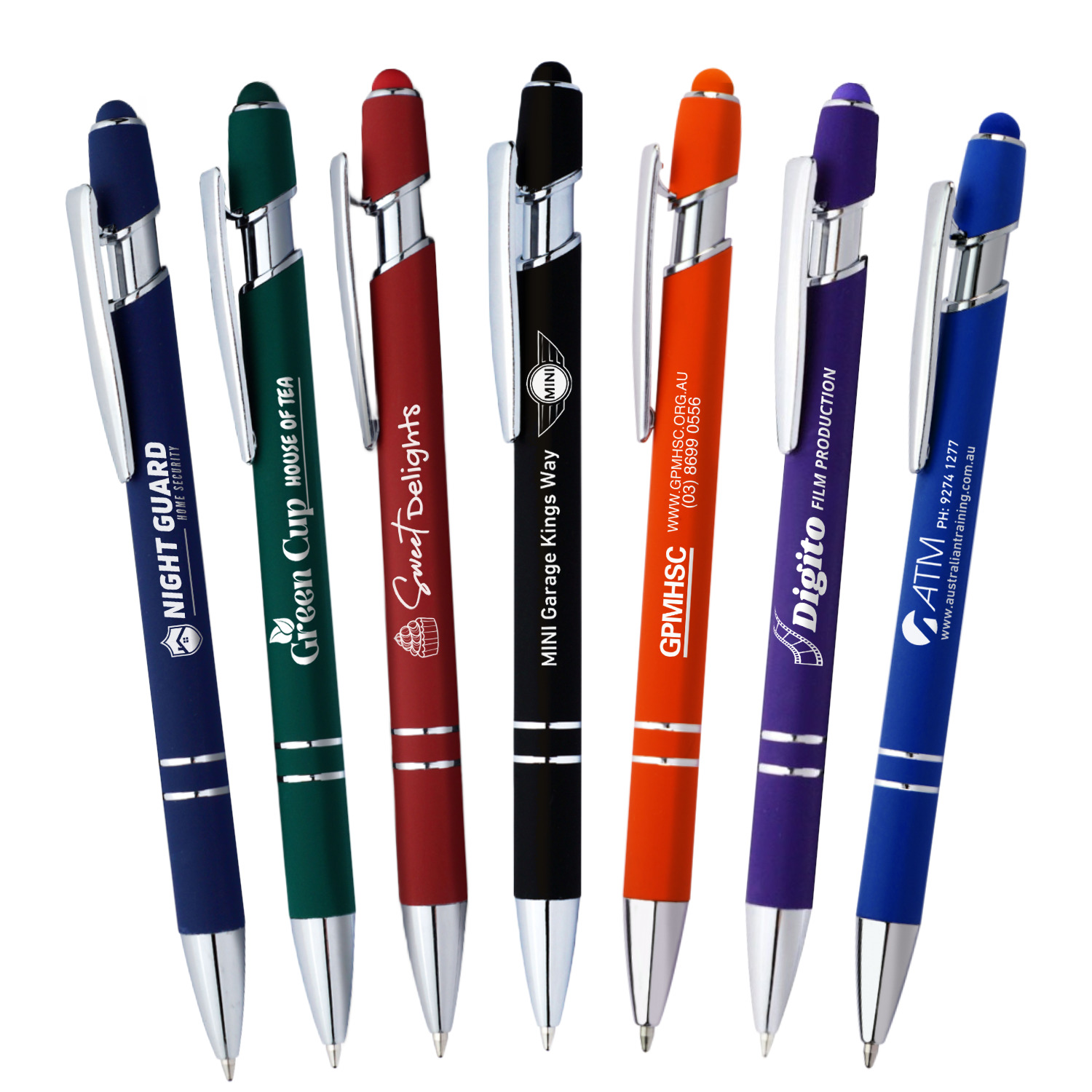
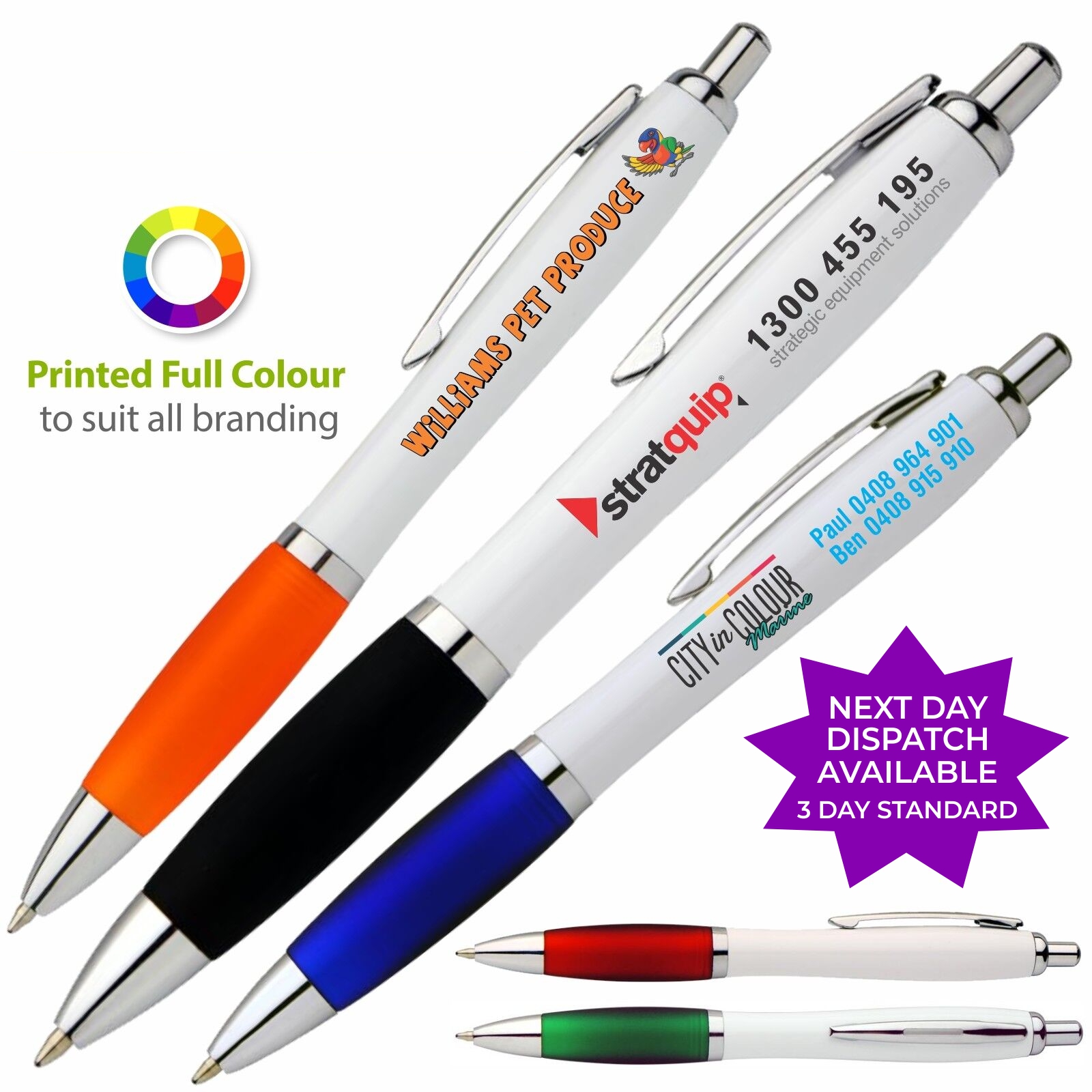
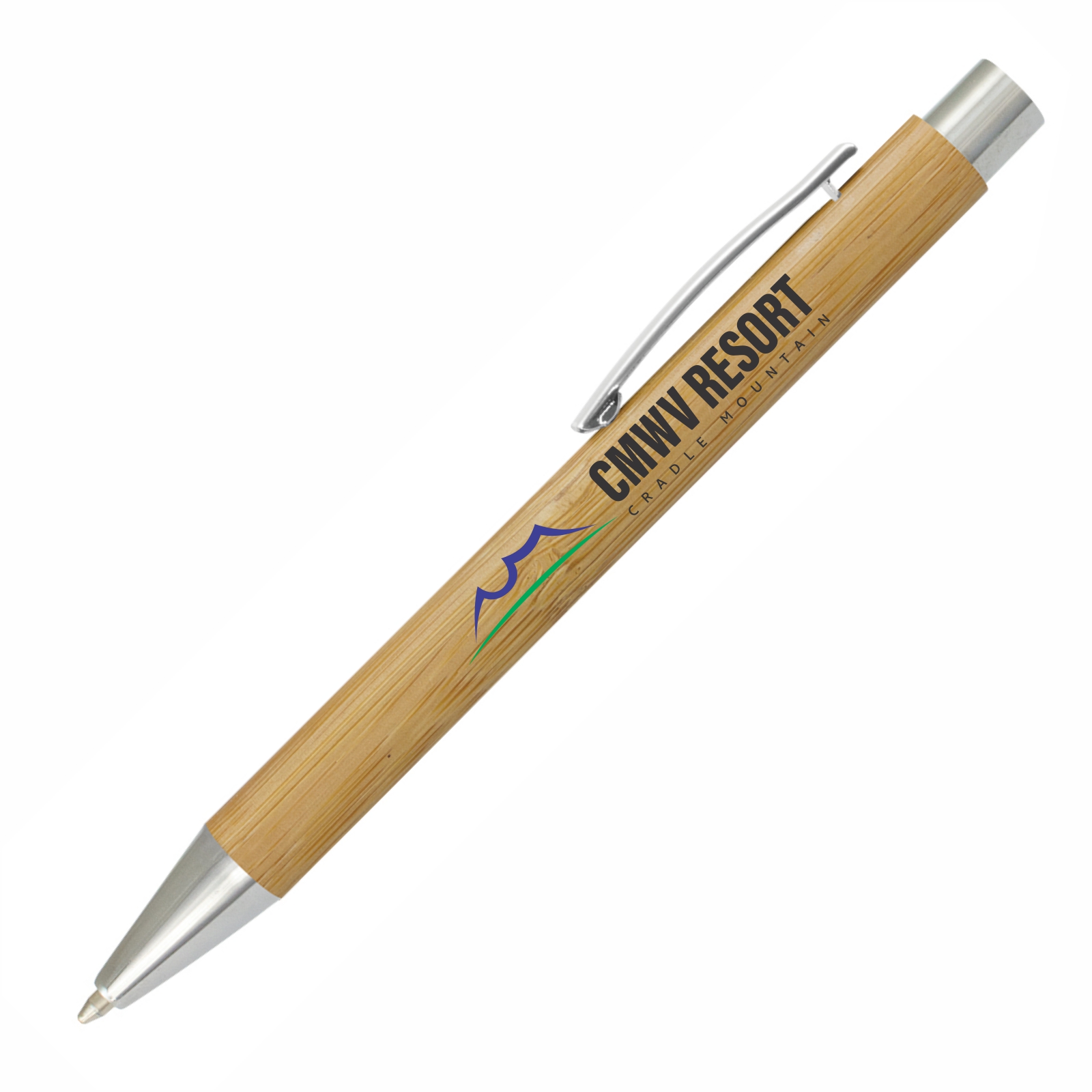
Printed pens use ink to apply your logo or message directly onto the surface. This method allows for full-colour designs and greater flexibility in branding.
Printed pens are commonly used for large-scale campaigns due to their affordability and versatility.
Benefits of Printed Pens
The main advantage of printed pens is design flexibility. Businesses can use multiple colours, gradients, and more detailed artwork, making them ideal for bold or creative branding.
They are also more cost-effective for bulk orders, which is why they are often used for events, giveaways, and large promotional campaigns.
For businesses looking to maximise reach on a budget, printed pens are a strong option.
Limitations of Printed Pens
The downside of printed pens is durability. Over time, ink can fade, scratch, or wear off, especially with frequent use.
While modern printing methods have improved longevity, they still generally don’t match the lifespan of engraved pens.
This can impact how long your branding remains visible.
Which Is Better for Branding?
The choice between engraved and printed pens depends on your goals.
If you’re aiming for a premium, long-lasting impression, engraved pens are the better option. They are ideal for corporate gifting, executive branding, and situations where quality matters most.
If your focus is on large-scale distribution and cost efficiency, printed pens may be more suitable. They allow for vibrant designs and broader reach.
Pen Options from Express Promo
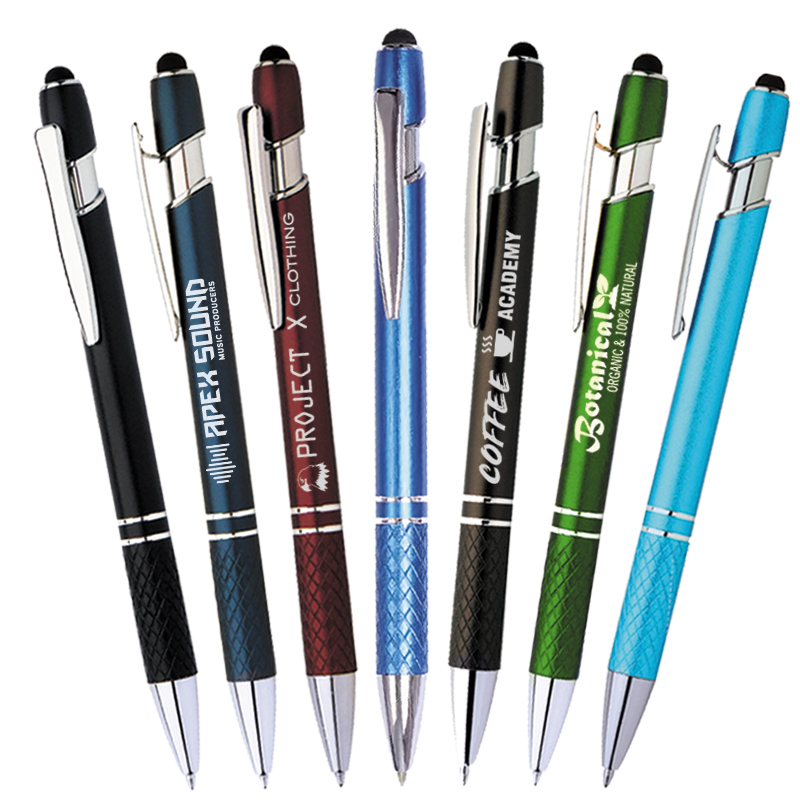
At Express Promo, businesses can explore a wide range of pen options, including both engraved and printed styles. These engraved pens and printed alternatives can be customised to suit different campaigns, audiences, and budgets.
With a variety of materials and finishes available, there are solutions for both premium and high-volume promotional needs.
Making the Right Choice
In 2026, effective branding is about matching the product to the purpose. Both engraved and printed pens have their place, but understanding their strengths will help you make the right decision.
If you want a lasting, high-quality impression, engraved pens are hard to beat. For broader reach and creative flexibility, printed pens offer strong value.
Ultimately, the best choice is the one that aligns with your brand and how you want to be remembered.