














Product Spotlight
Branded Pens: A Cost-Effective Way of Building a Brand

Brand identity for your company can usually be established by entrenching your company’s image, logo, motto, and core beliefs into the consciousness of your customer and clients.
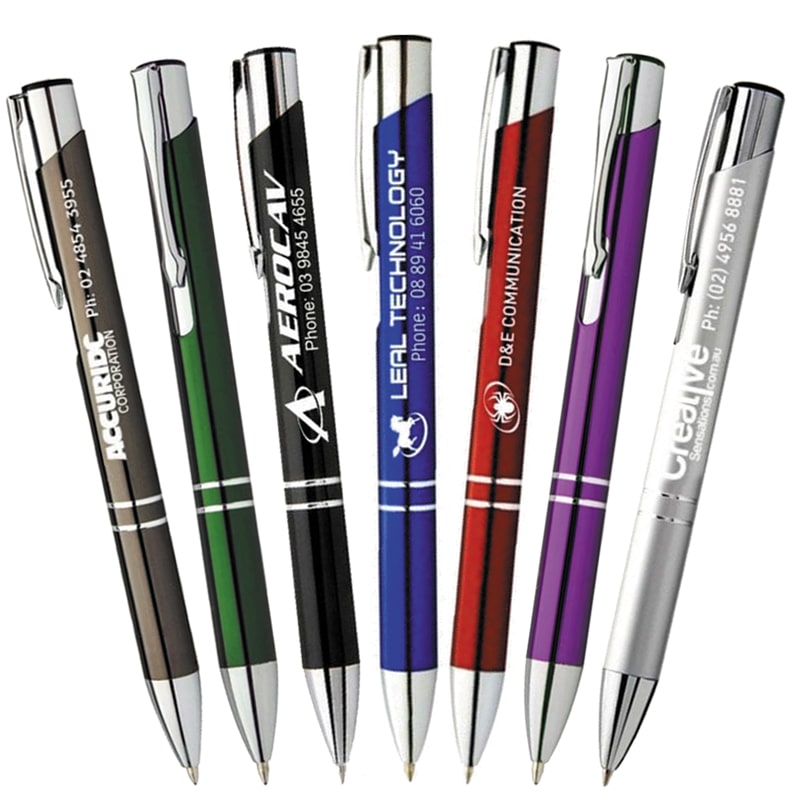
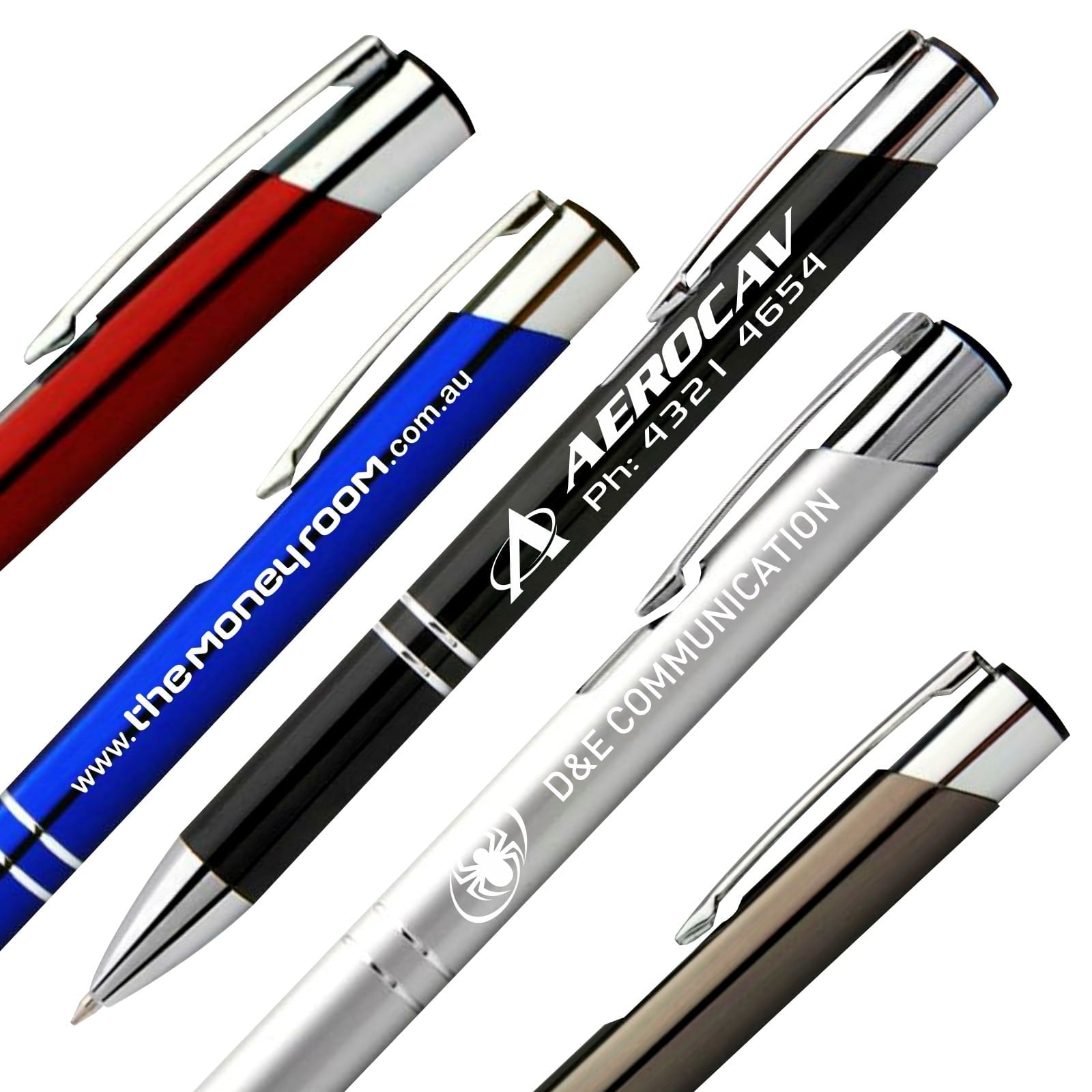
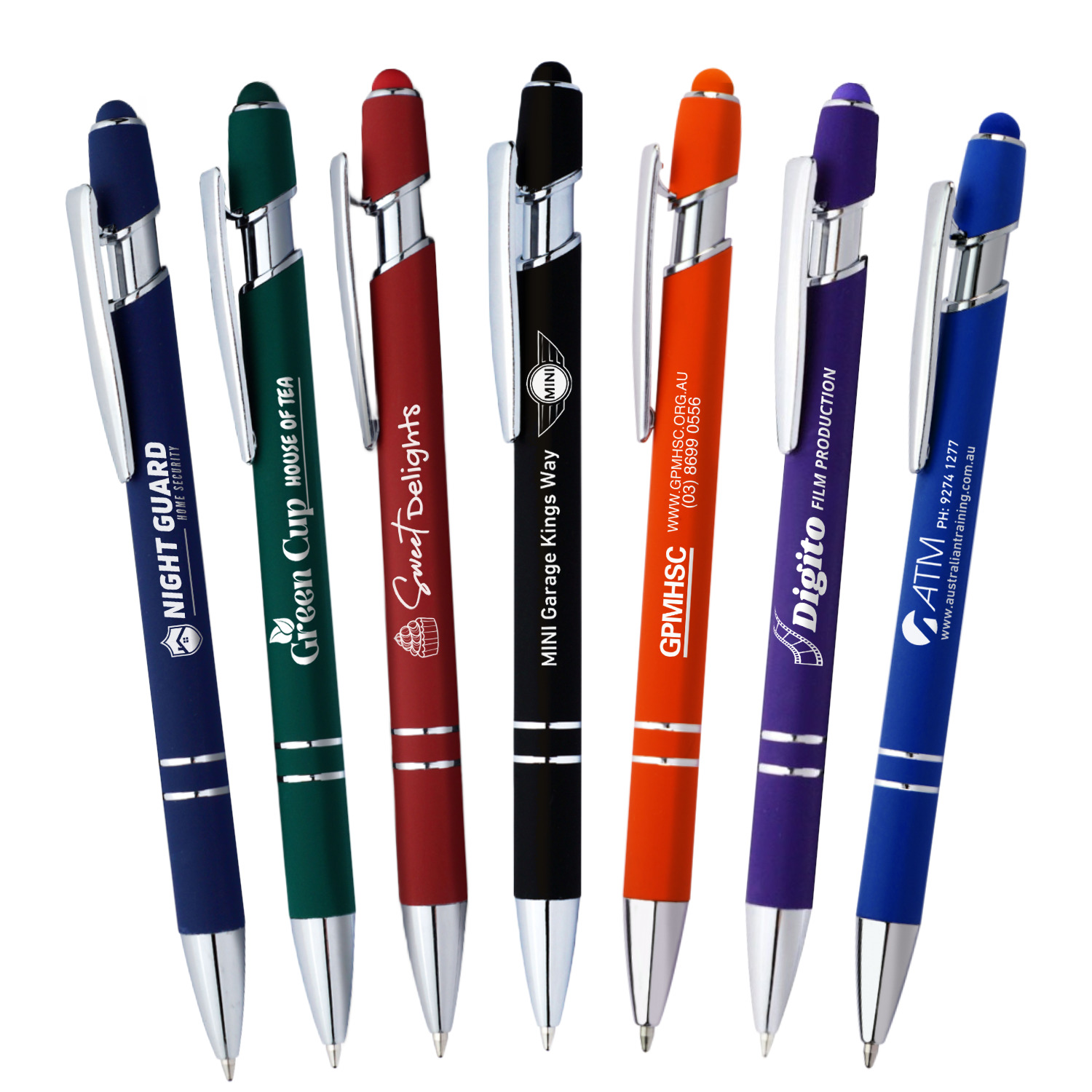
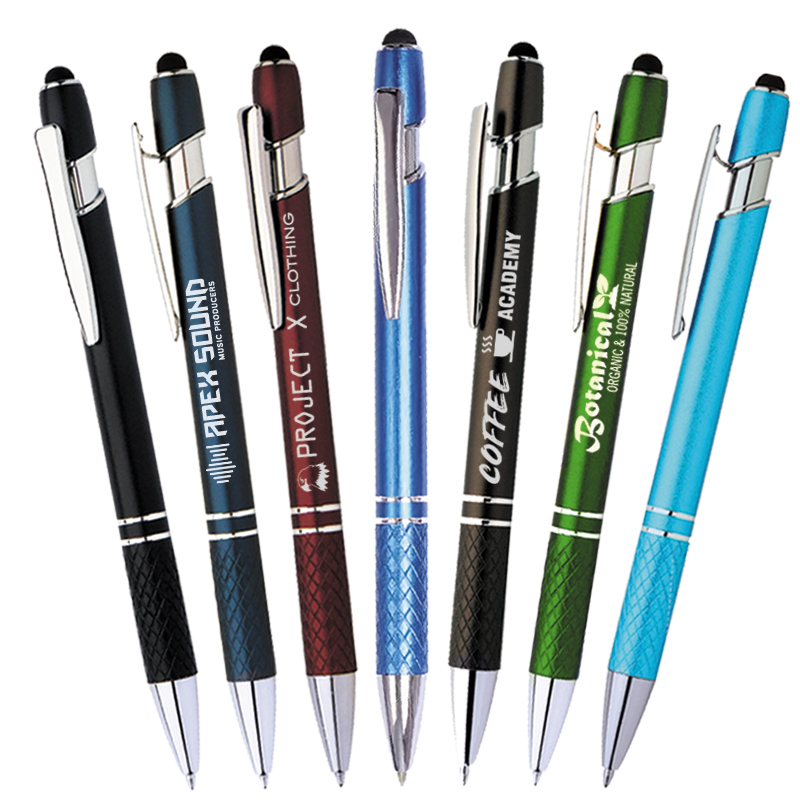
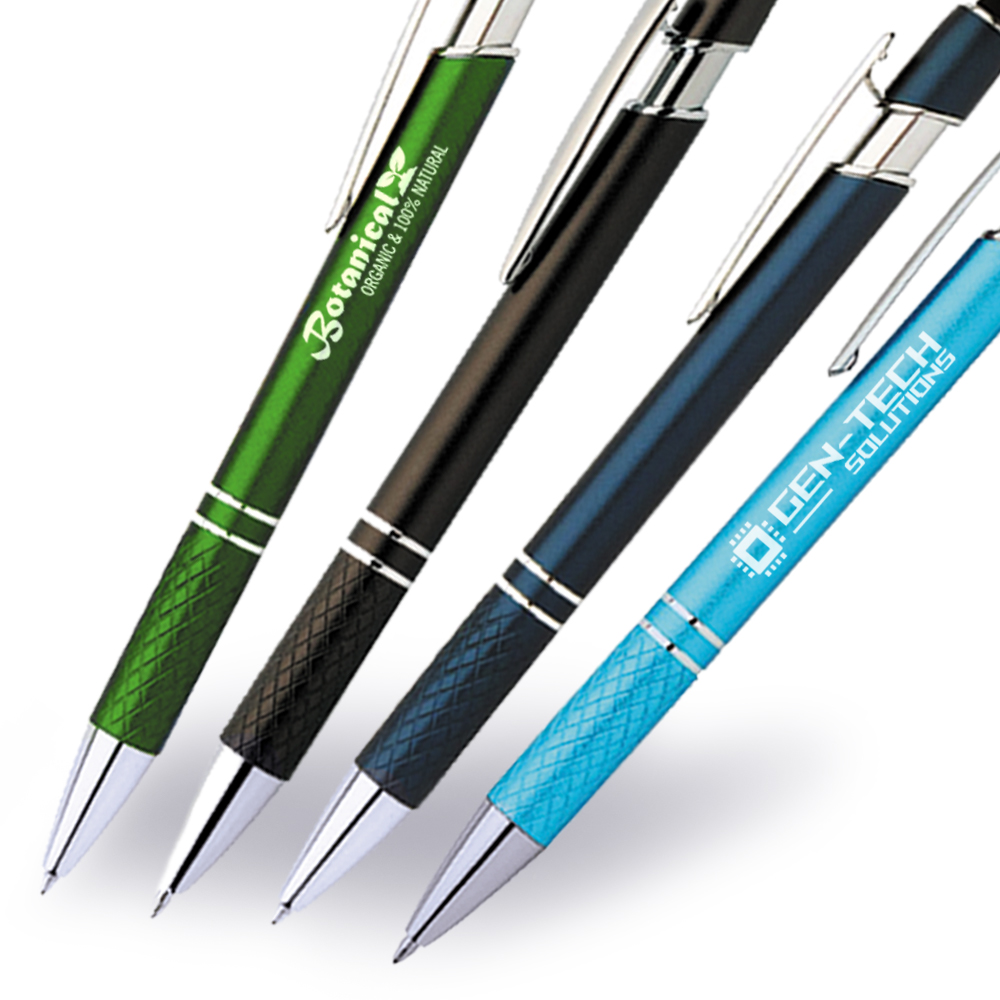
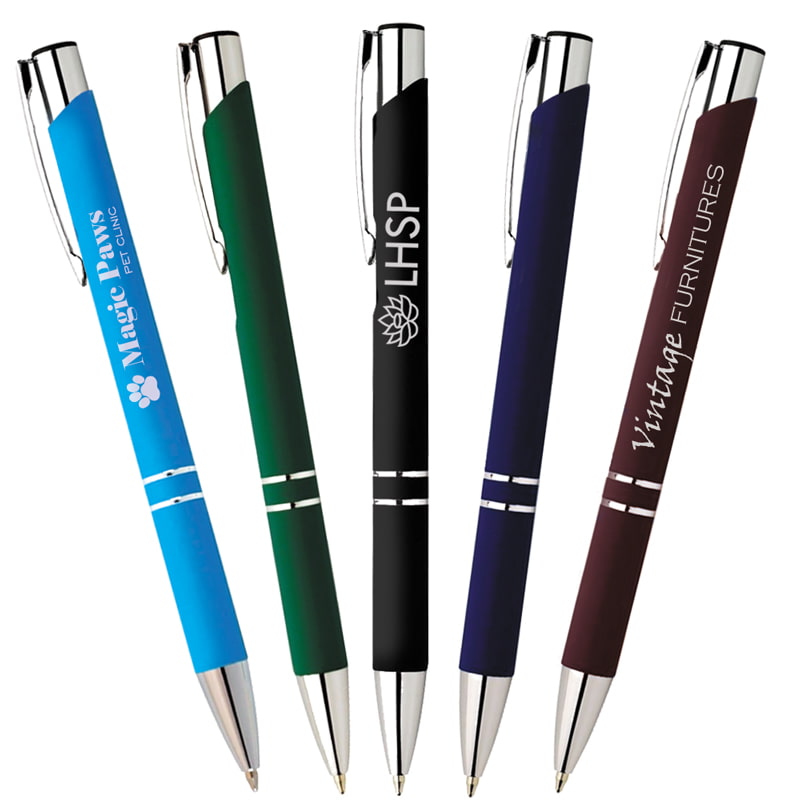
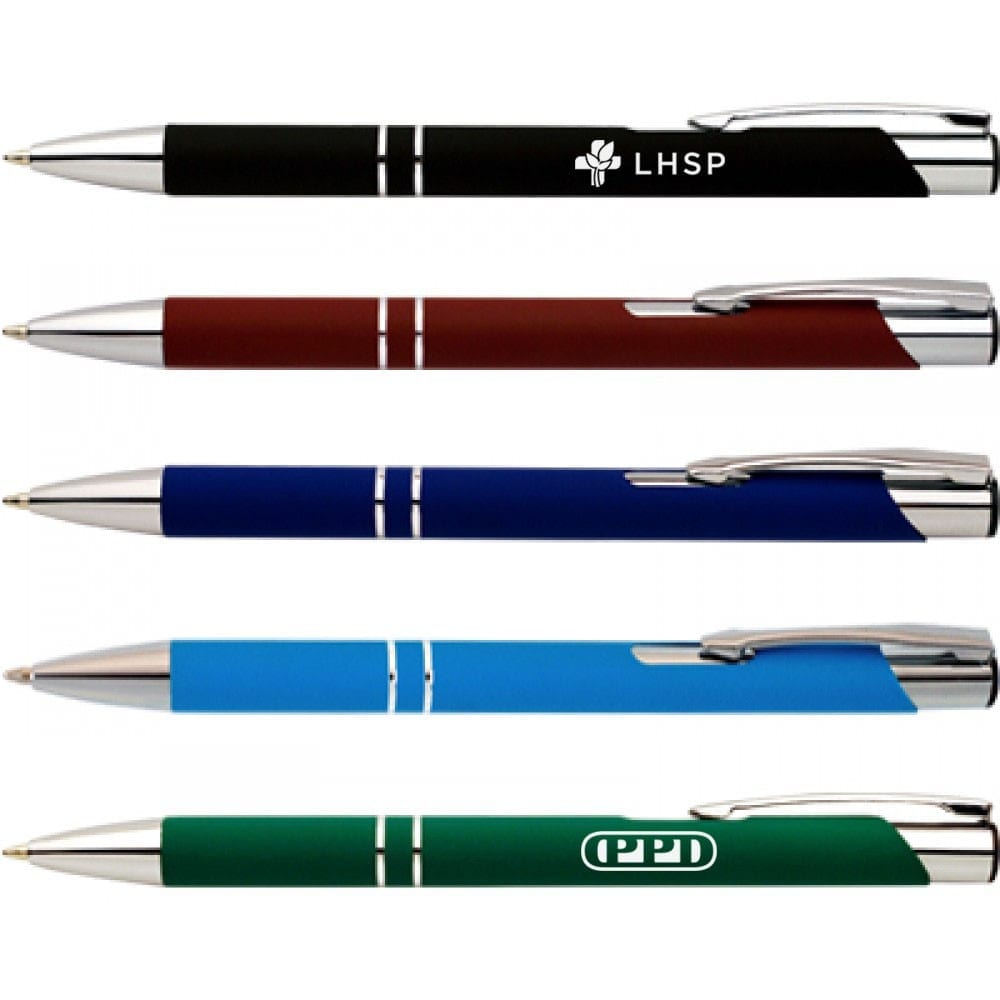
One of the most effective ways to achieve this is by giving away promotional items and merchandise. Promotional products such as personalised pens are a cost-effective way of building a brand.
However, promotional products and tools can be labelled as the best only after they meet the three simple criteria – price, utility, and quality. And branded pens are a perfect example that meets all the three criteria’s. The quality and cost is something you can control and the utility comes naturally. It is a powerful marketing tool since the product serves a purpose, adding value for the customer and the print subtly registers the brand in their mind. This raises brand recall when clients are making buying decisions.
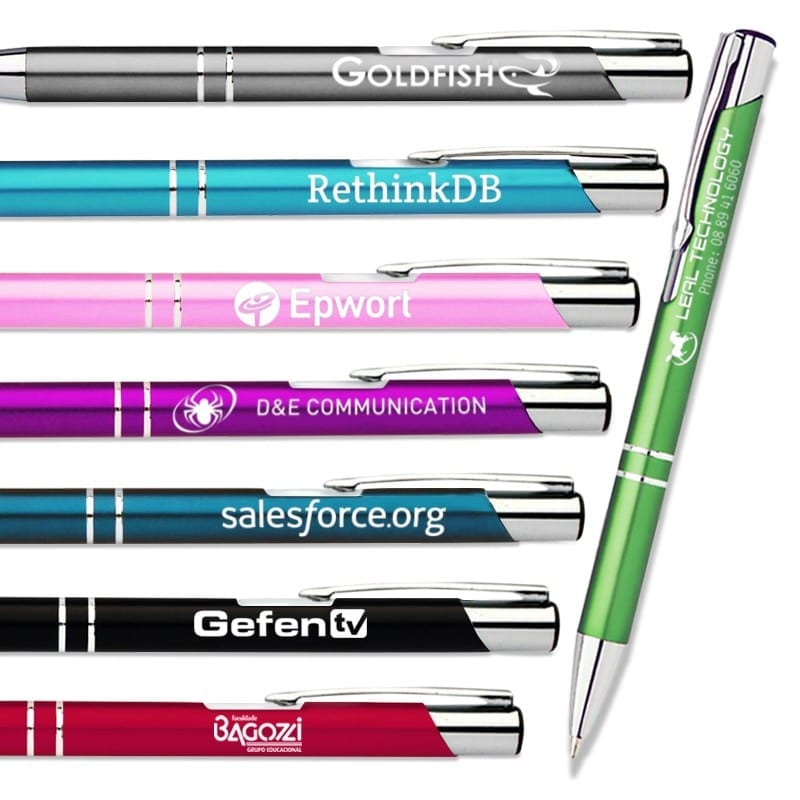
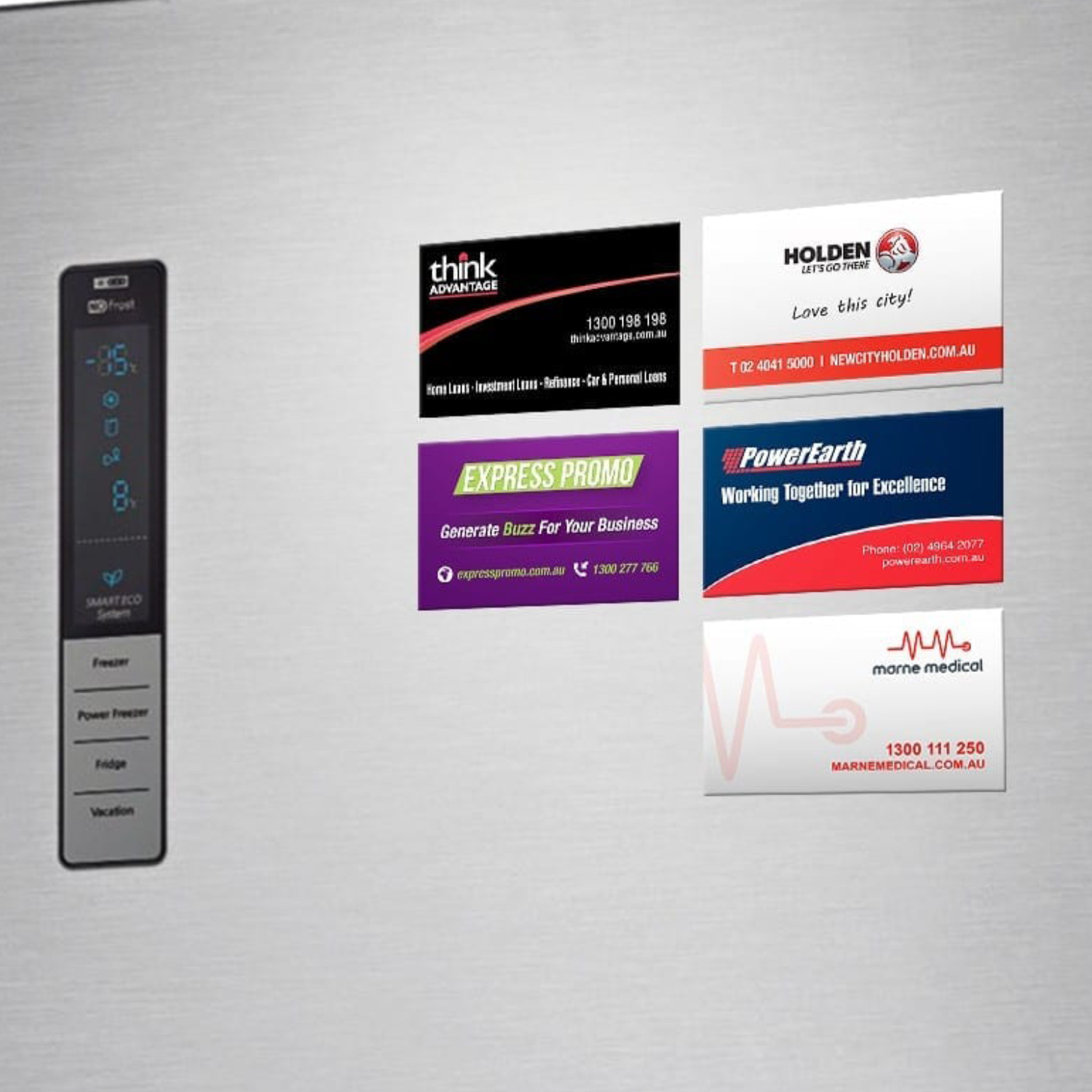
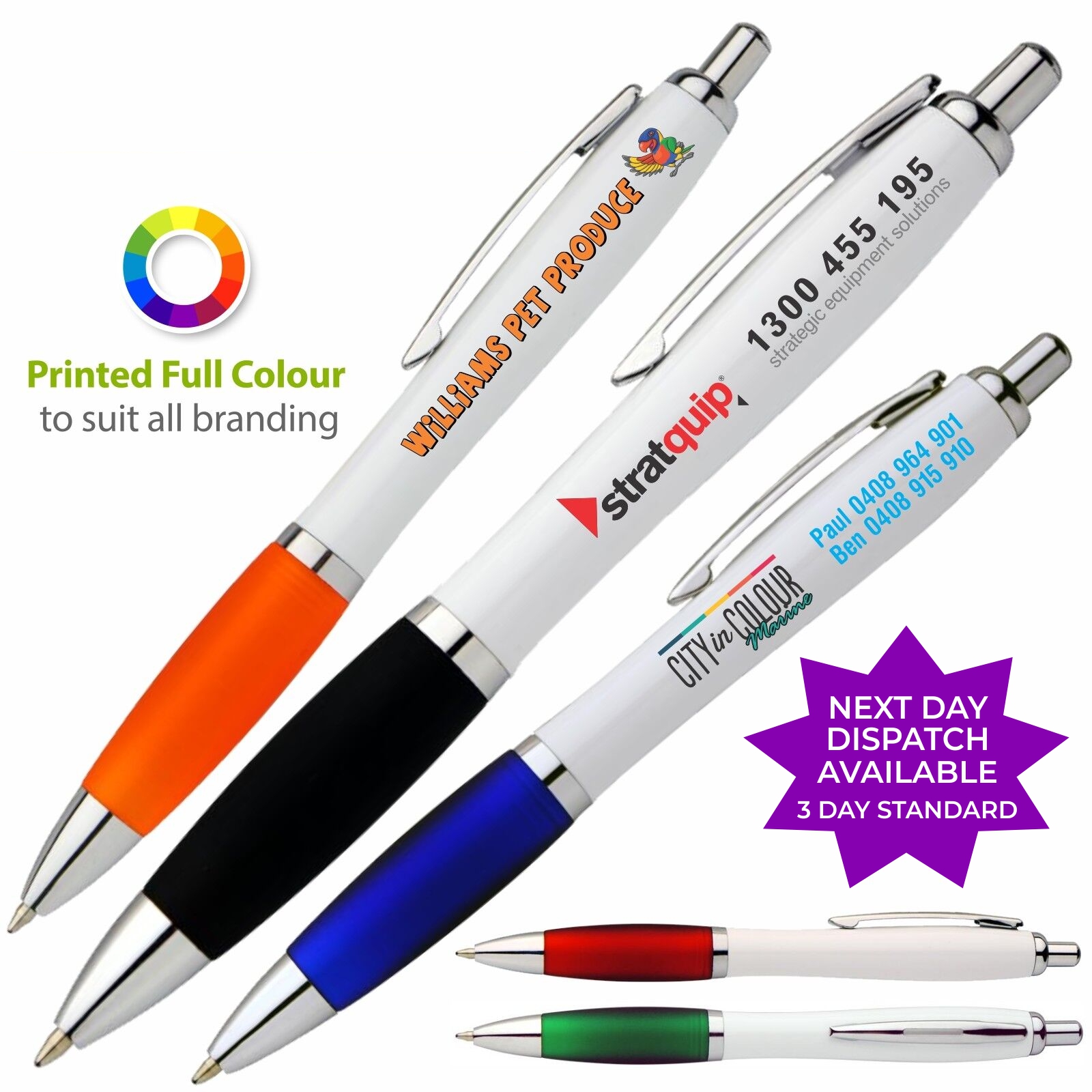
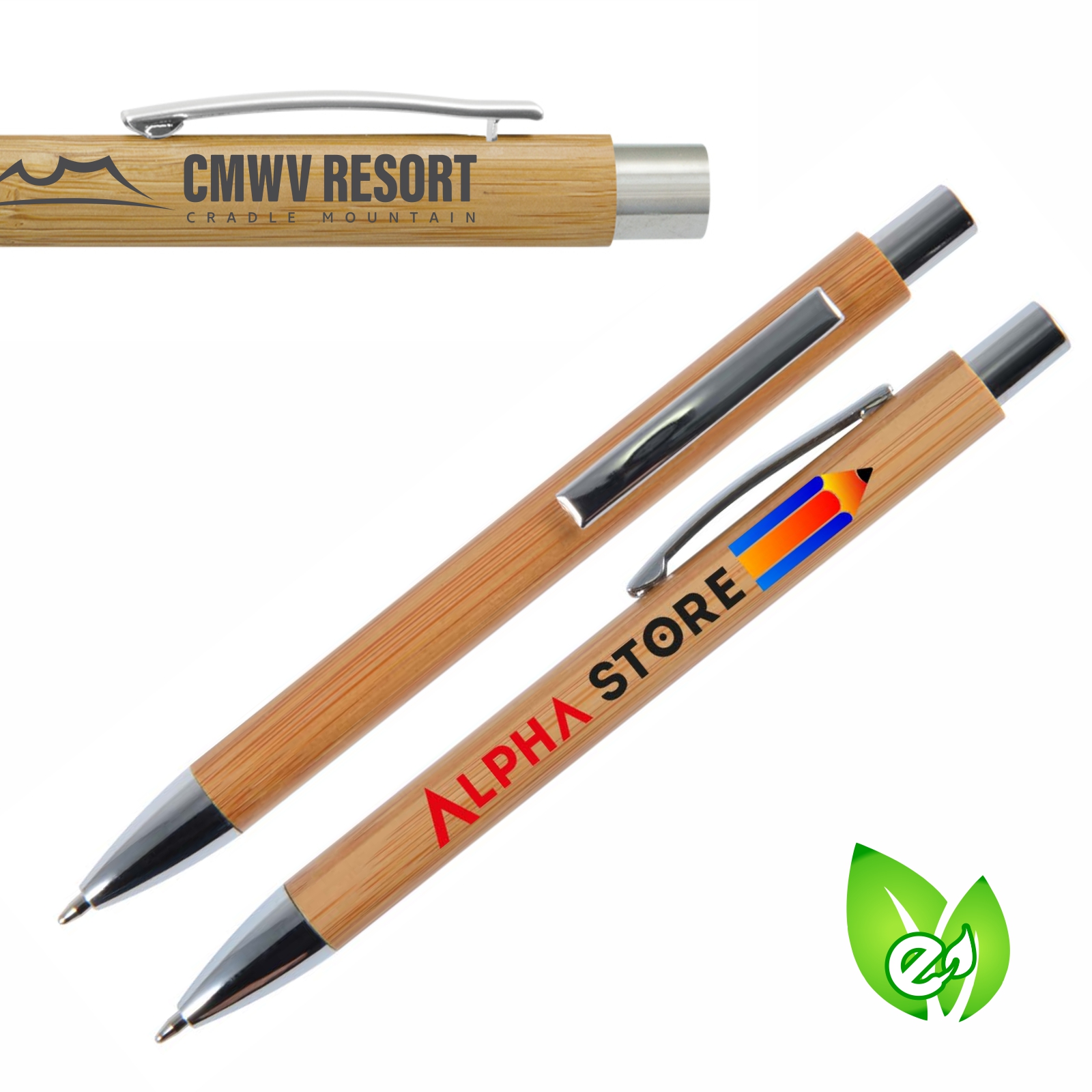
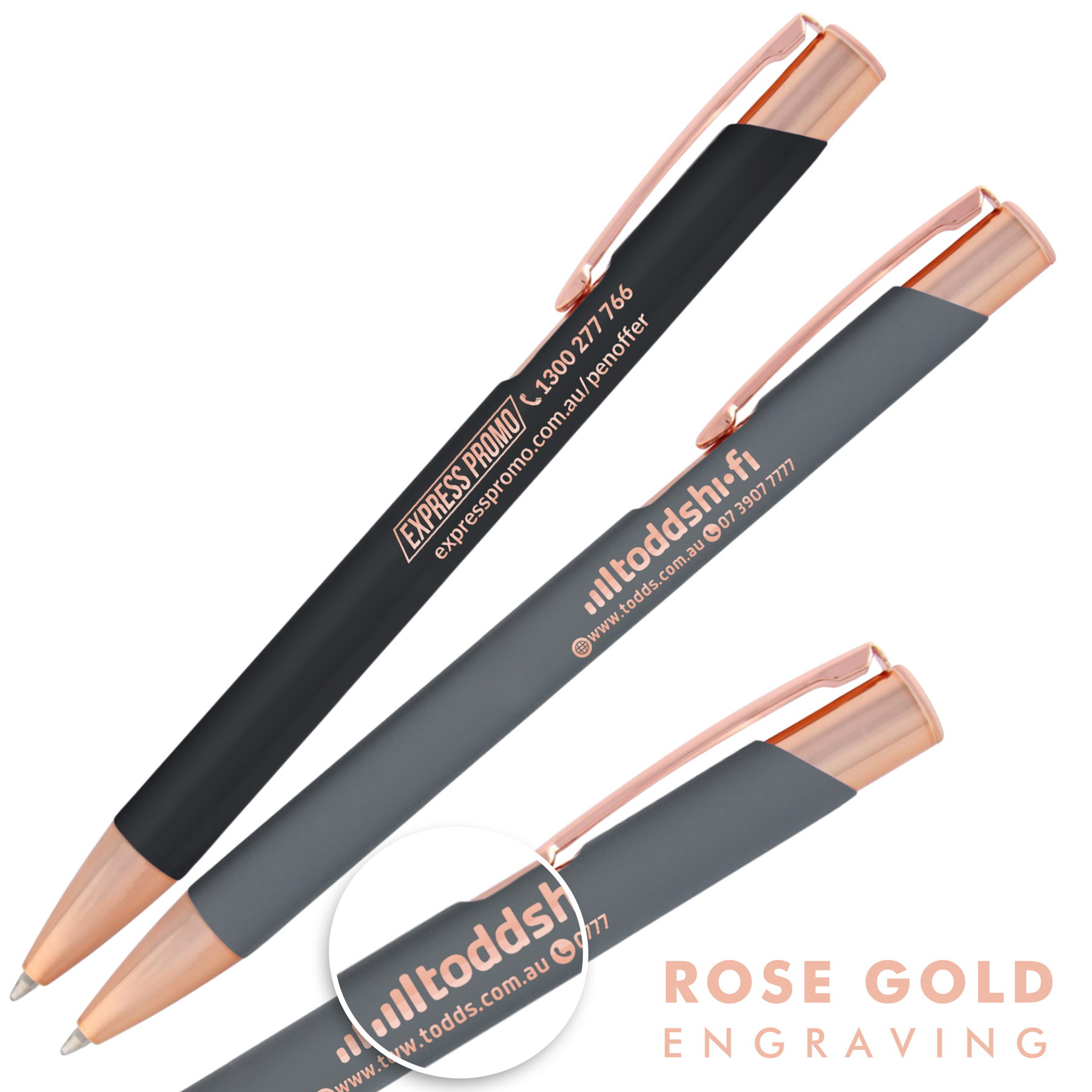
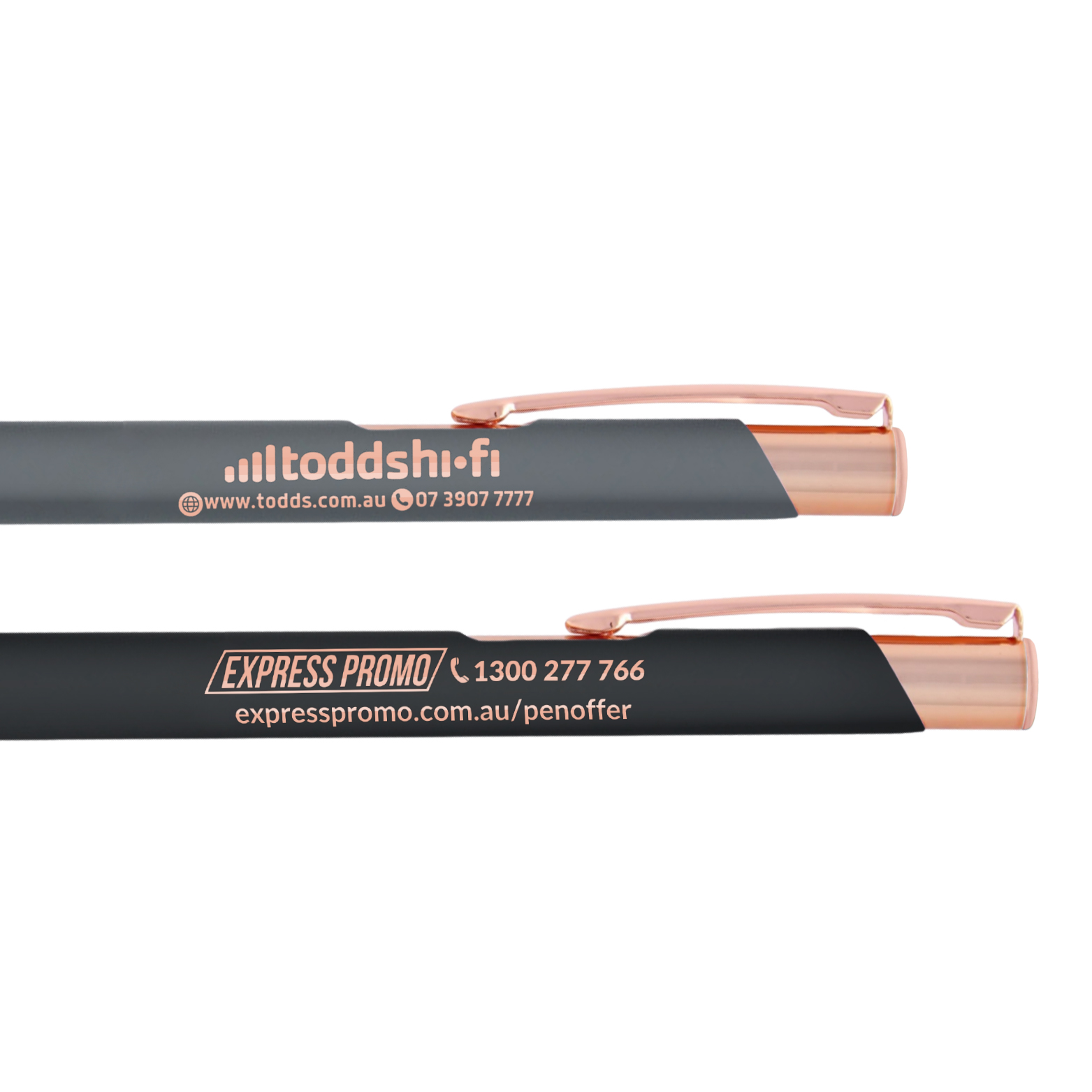
Branded pens may sound inconsequential at face value. But in reality, there are only a few things which may be more useful in one’s day to day life than a pen. So if you give your customers and clients hundreds and thousands of pens emblazoned with your company logo, motto, and colour, you are essentially giving them a business card that they are likely to carry out with them frequently. This will definitely be extremely useful at helping to boost your brand identity as it will reflect your company name and business.

Giving away branded pens as promotional items are an easy way to keep your brand relevant among the targeted customers and clients.
Apart from this, pens also make the most economical promotional items and are sold in bulk making the cost to put your company’s name affordable. They have high usability and are always shared. Pens mostly get passed around and lent a lot, so you are getting extra exposure essentially for free. Pens also have high shelf life as advertising tool compared to other traditional method or advertisement platforms such as radio, newspaper, or even television, not to mention much cheaper.
With these pens, potential customers are bound to give you more chances as compared to a brand that does not connect with them. Even if you hand out these beautiful pens to your existing clients, they will be happy to receive the gift and probably tell their family members, friends, and colleagues about it. This word-of-mouth publicity is priceless for any organisation.