
















Product Spotlight
How to Break the Branding Myth with Cheap Promotional Products?
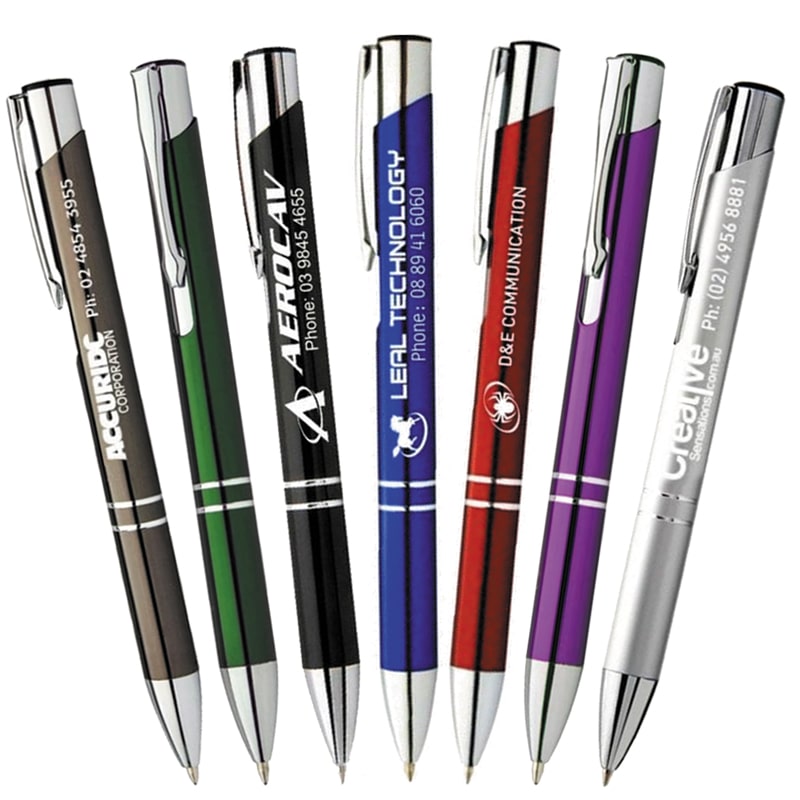
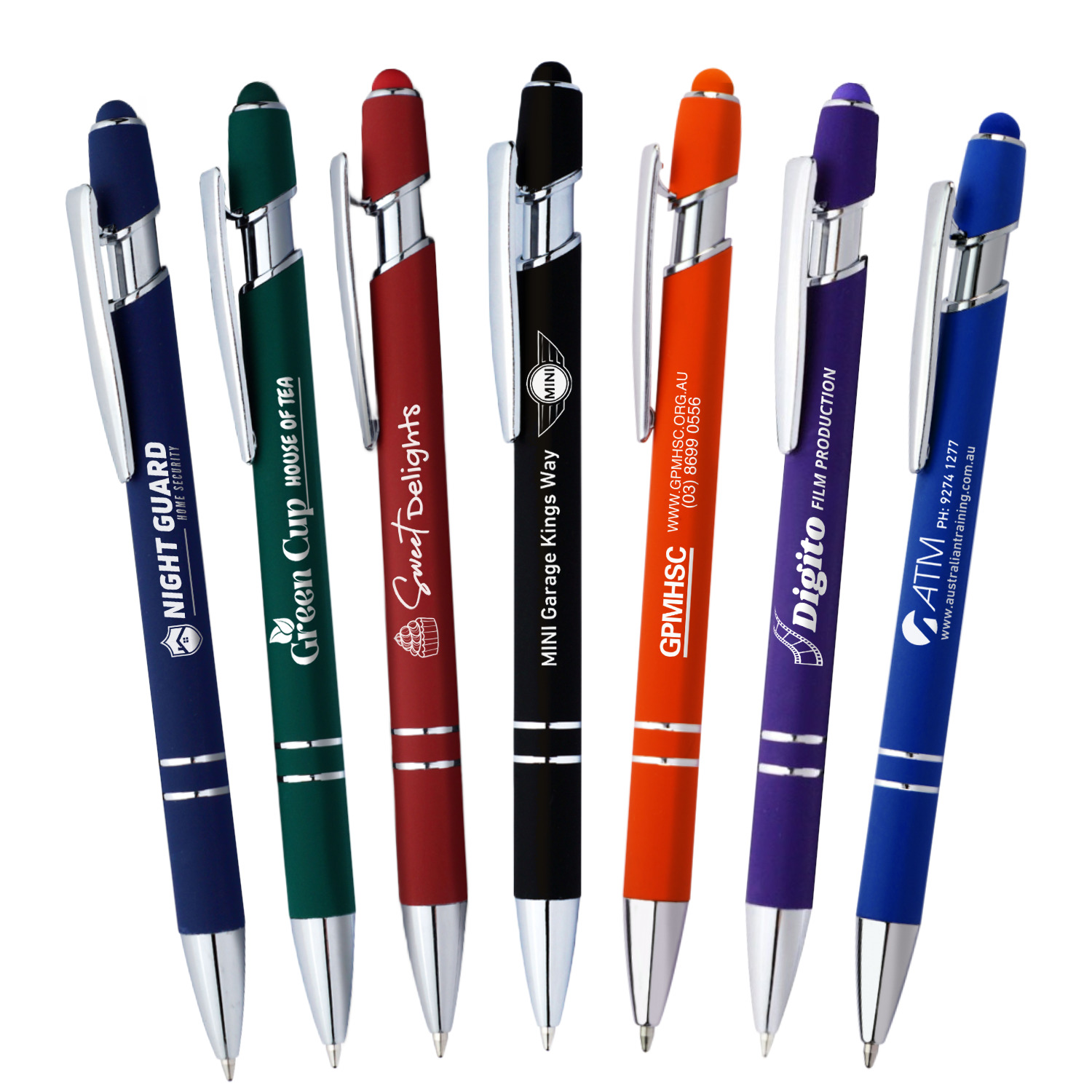
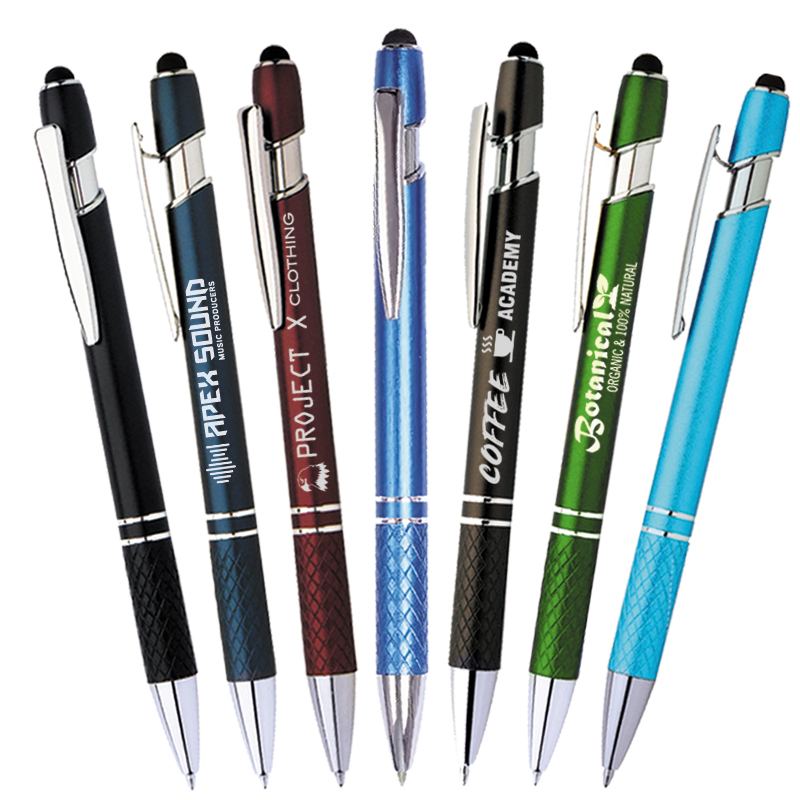
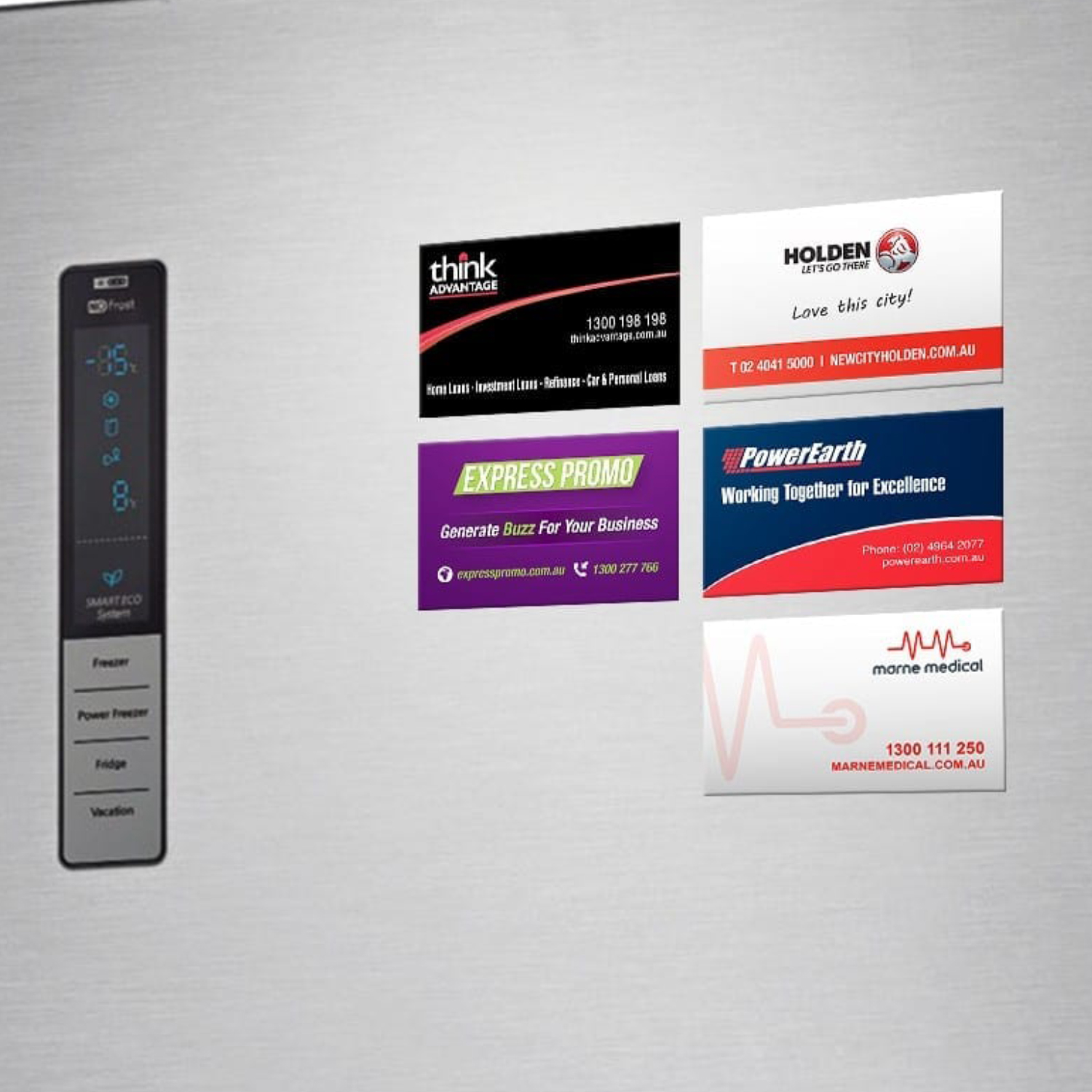
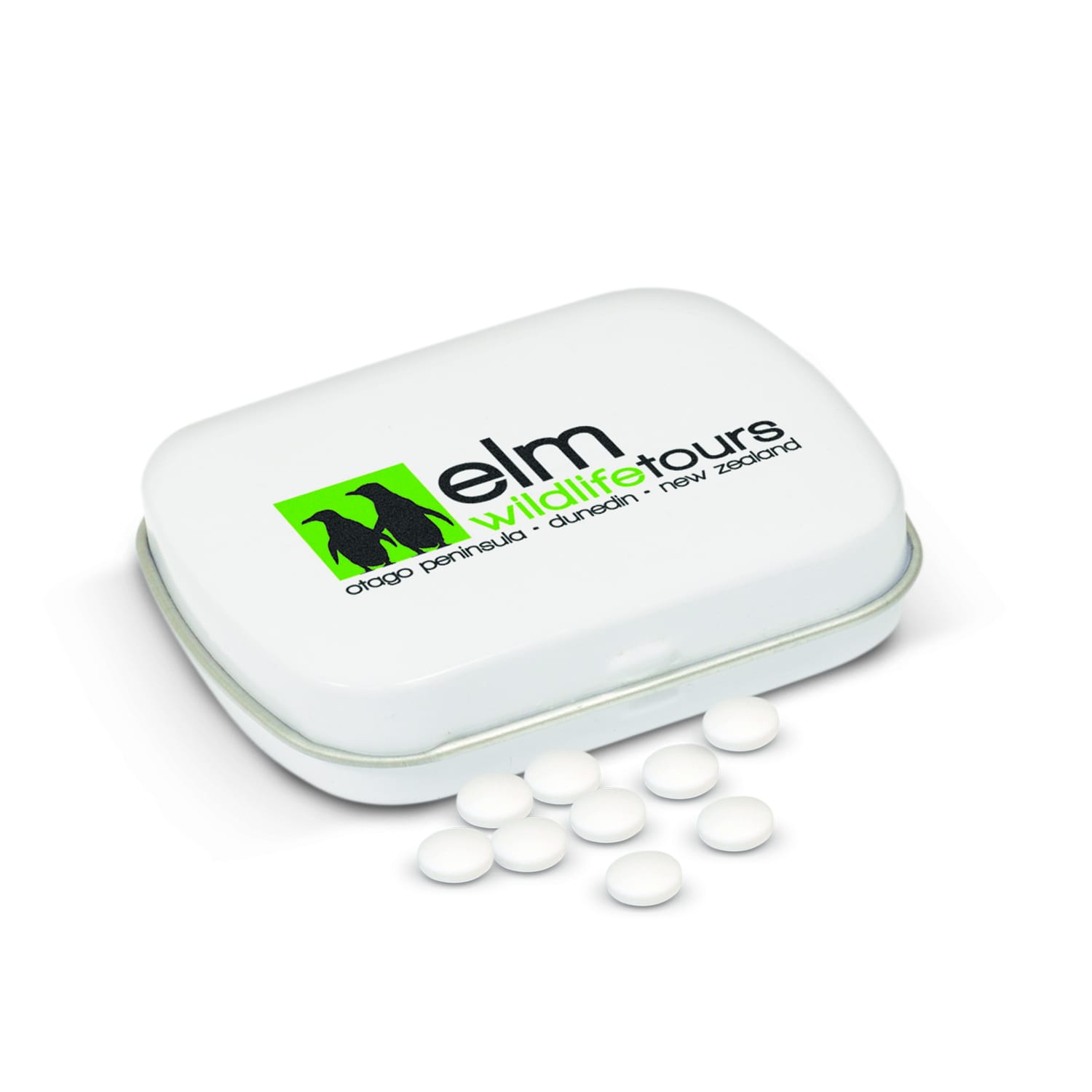
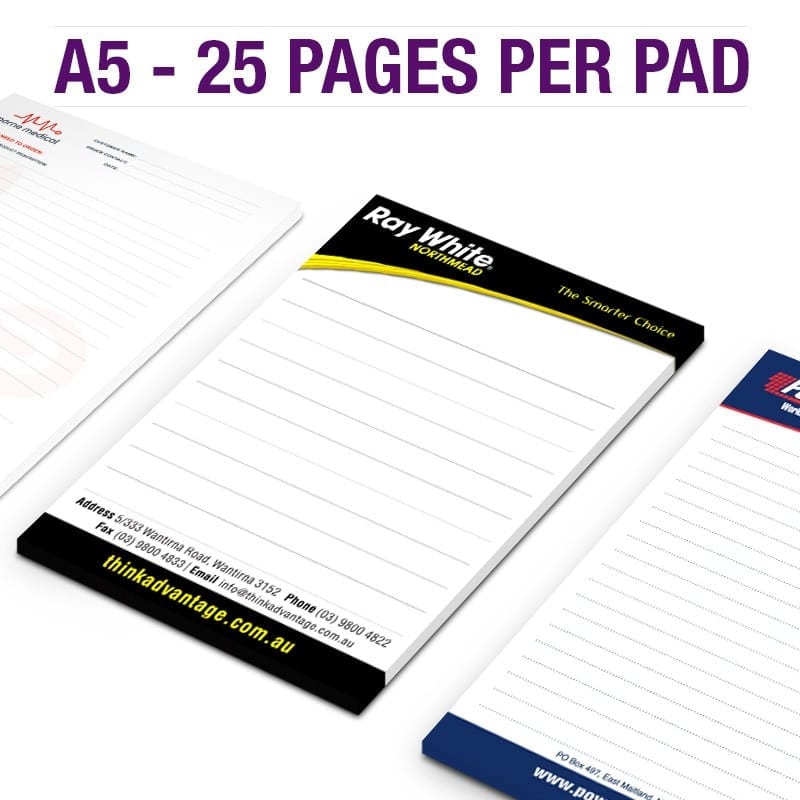
One of the biggest branding myths that new business owners believe is that they need a big budget to successfully promote their products and services. What they don’t realise is that cheap promotional products when used correctly can still impress their target market.
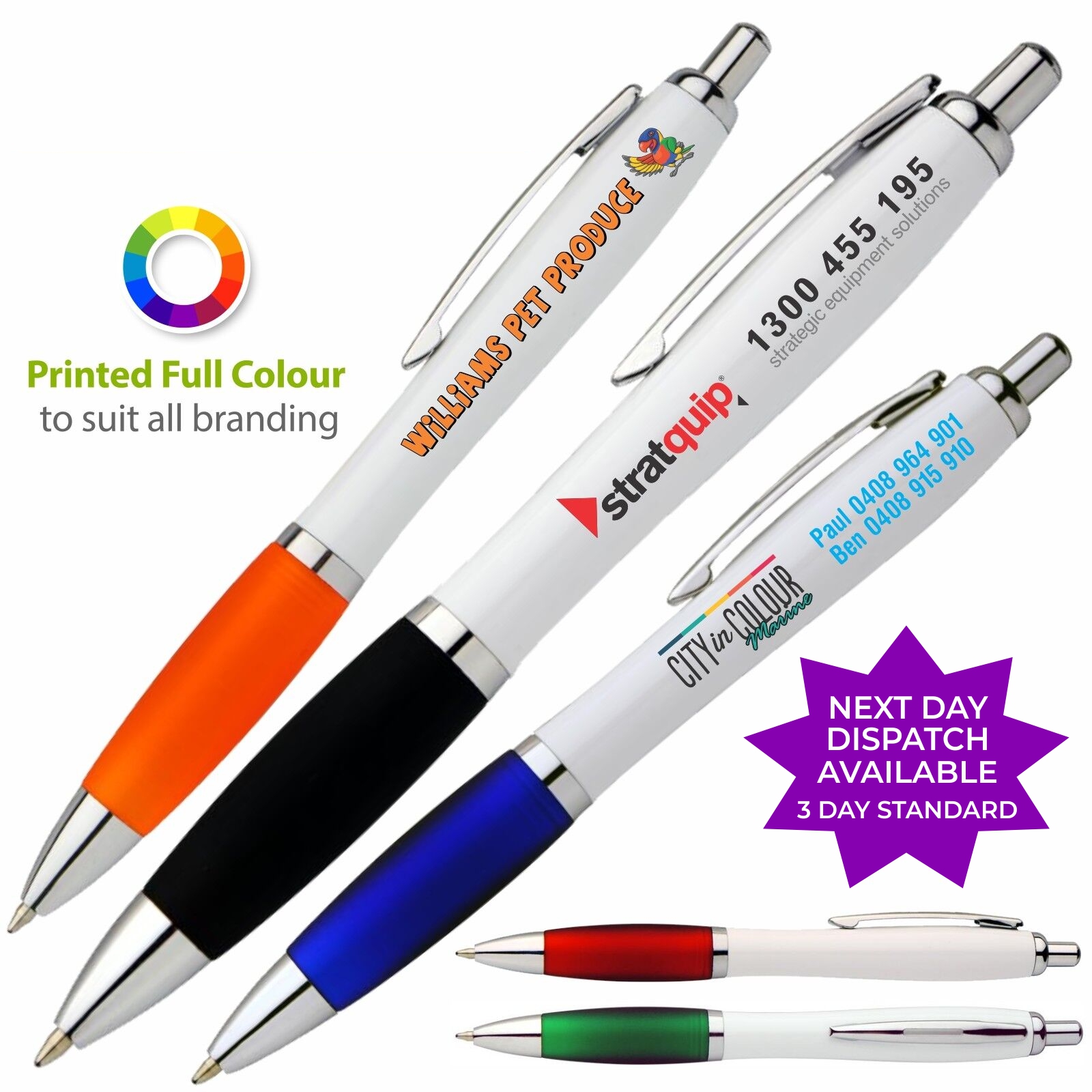
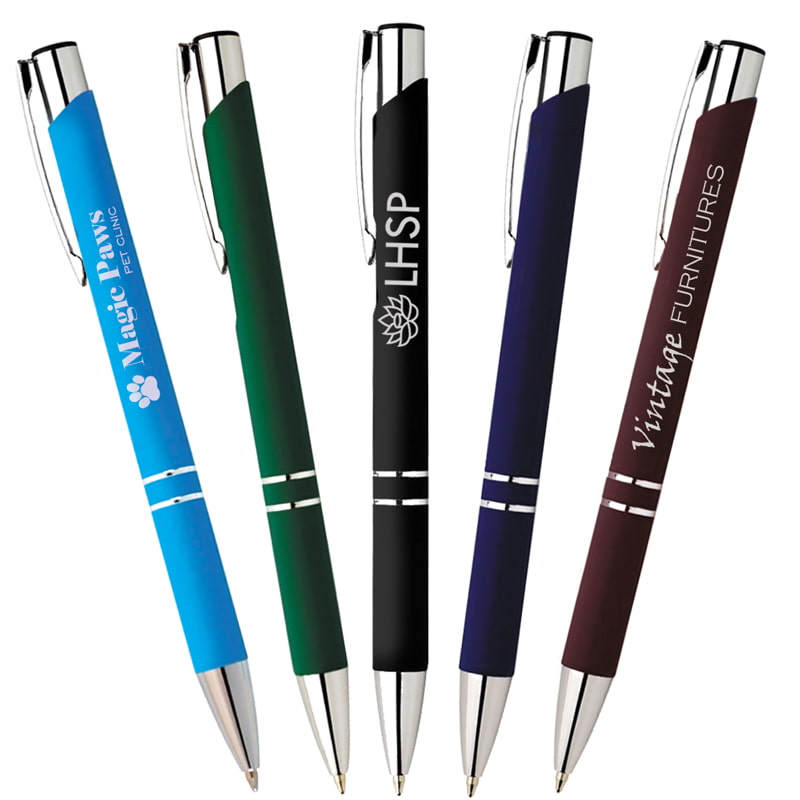
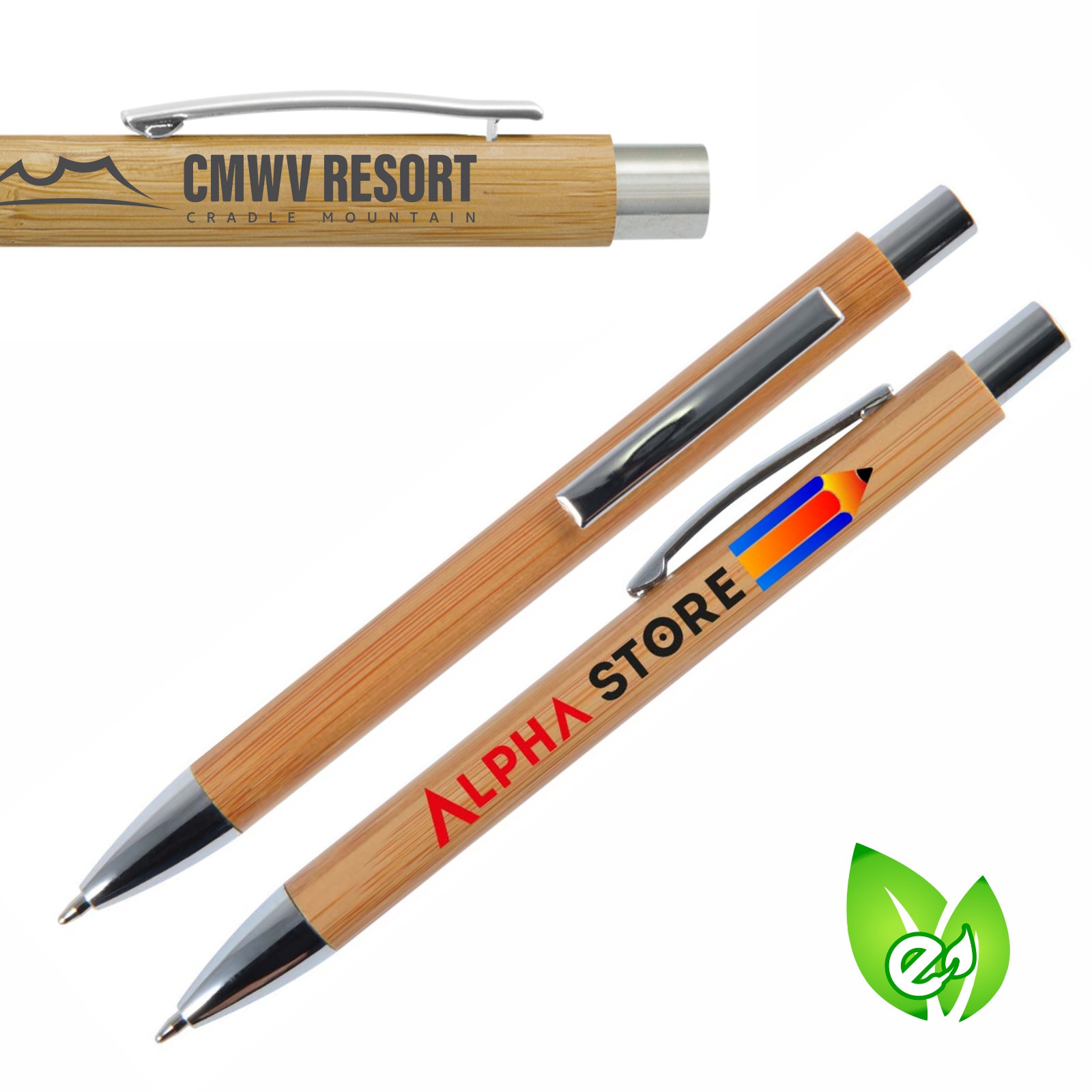
Marketers know very well that cheap promotional products are effective in building brand awareness and in increasing brand recognition. However, you can’t just randomly pick items and give them to your consumers without a plan. To ensure success, you need a solid promotional strategy—and you should start by picking the best promotional products.
- Think of the receiver
When choosing cheap promotional products, price isn’t the only thing that should matter. You should also consider the item’s uses and looks. It should be something that your consumers will find functional and appealing. If you know your target market well, then you can surely find the right promotional product that they will like.
- Consider the nature of your business
It makes sense to find a promotional item that is closely related to the nature of your business or the type of the product you are selling. If this is not possible, go for items that are useful and practical—something that your customers will enjoy receiving.
- Consider the theme of the event
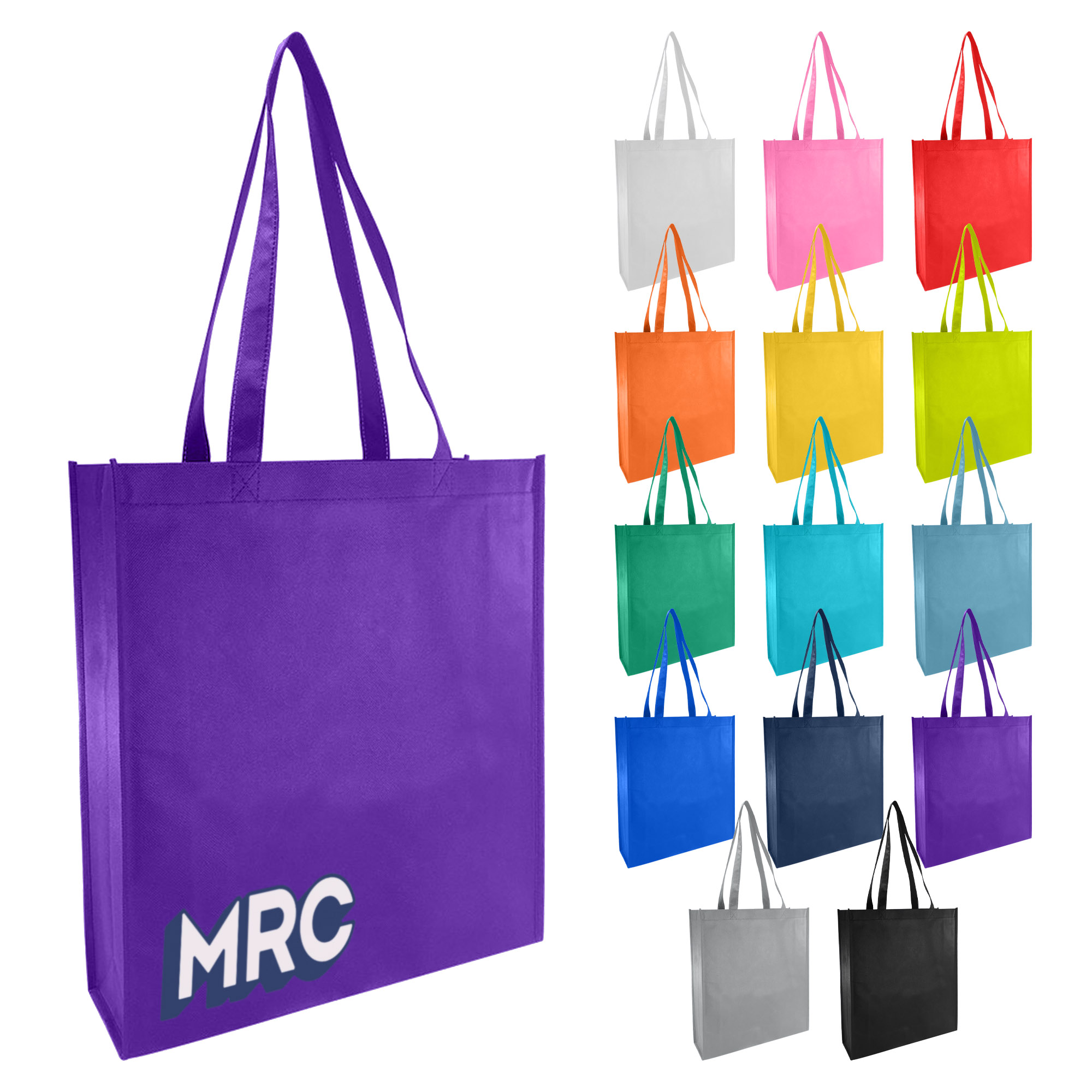
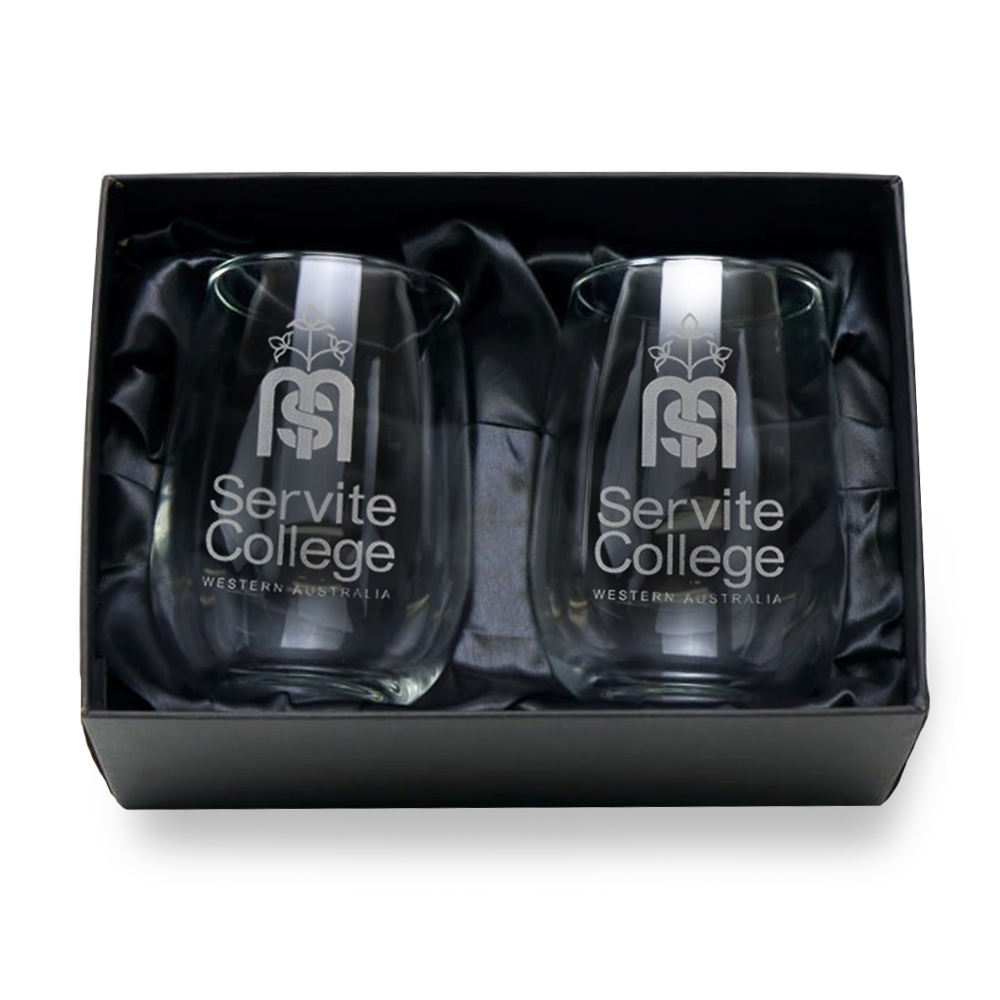
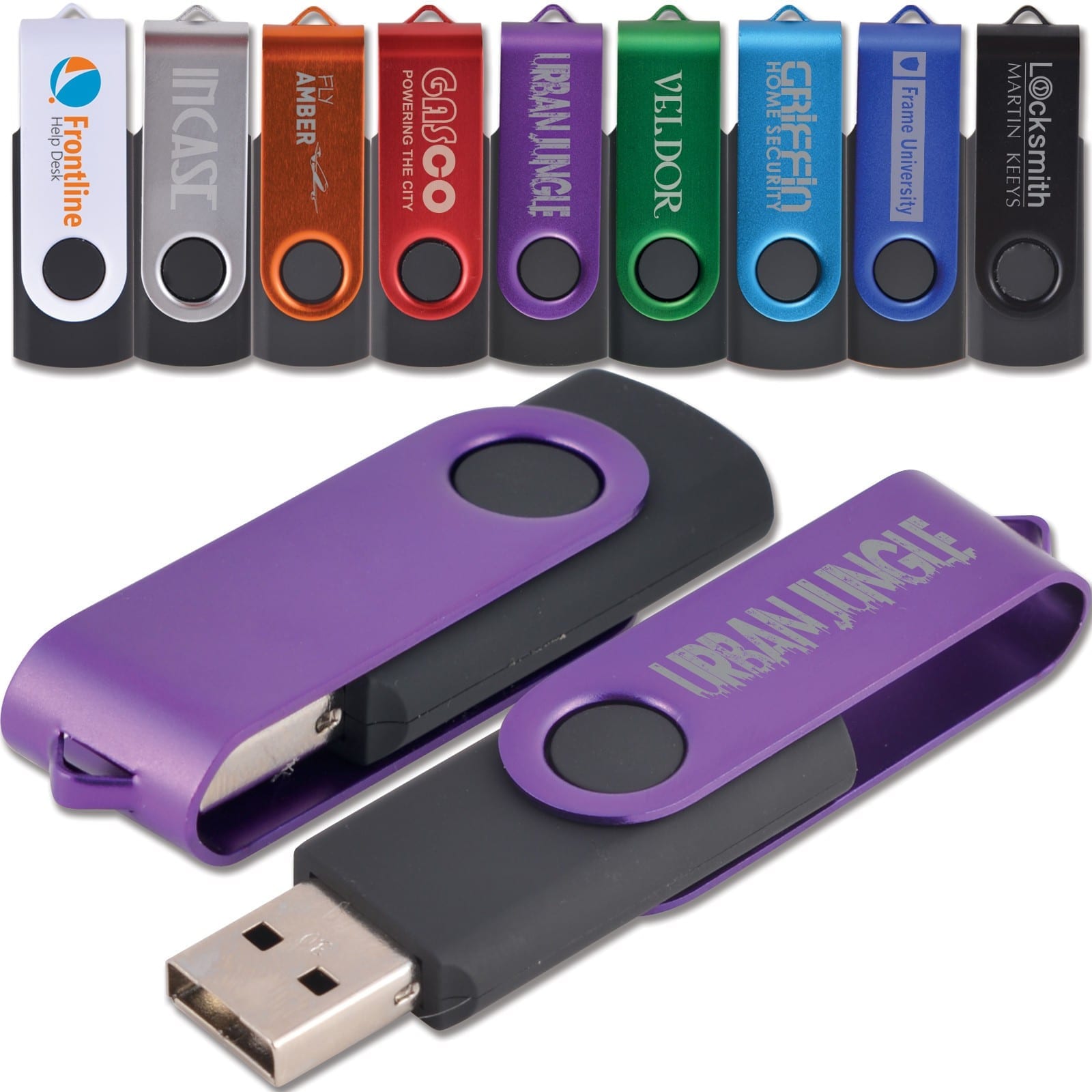
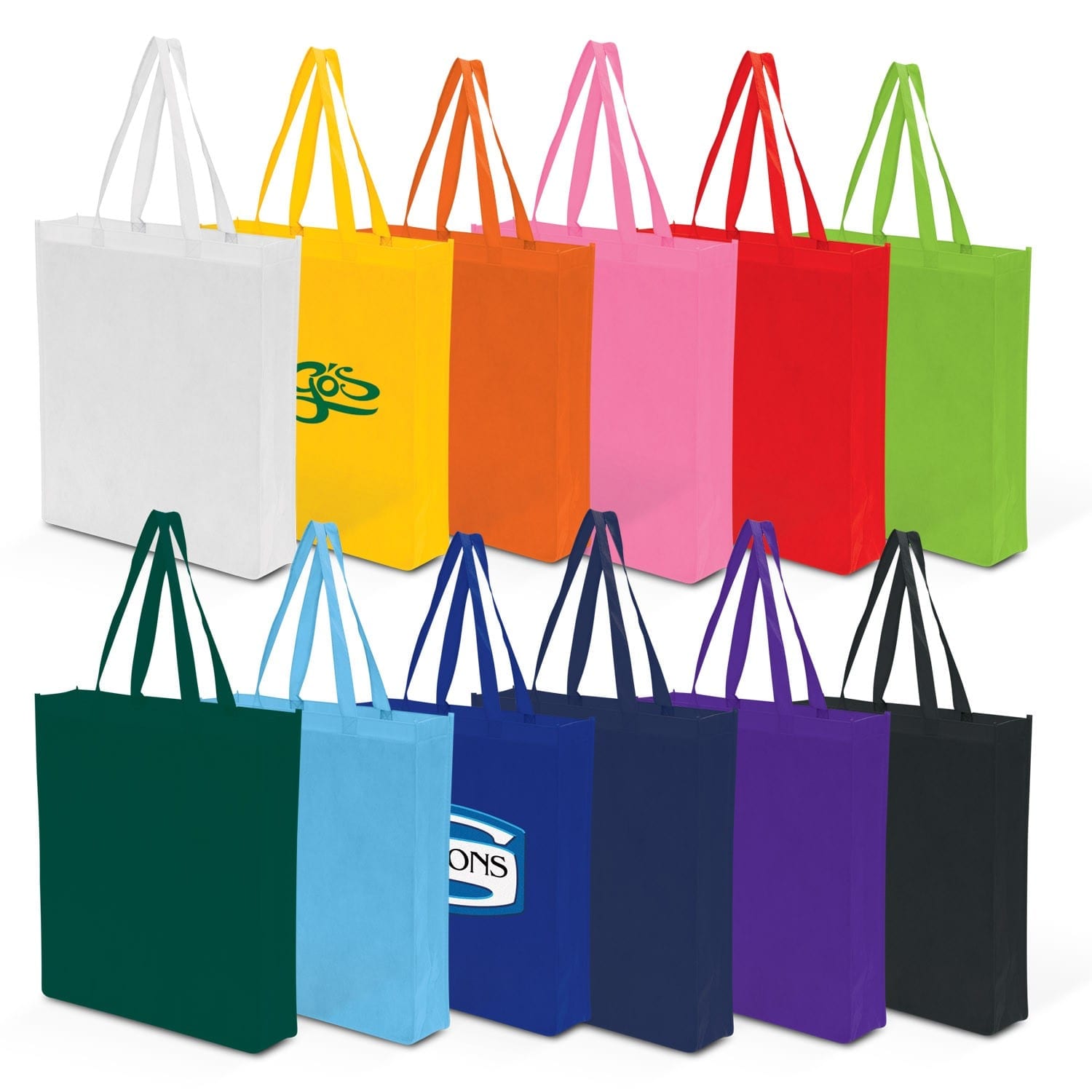
If you need promotional items for a charity or environmental awareness event, then the best items would tote bags, string bags, mugs, caps, and umbrellas. If you are giving away gifts to celebrate special occasions like Christmas, then consider fancier glassware and technology items.
- Look for high-quality products
The key to cost-effective brand exposure and recognition is giving away high quality yet cheap promotional products. The higher the quality of a promotional item, the longer it can be used and the more your customer is reminded of your brand. It is possible to source quality and cheap promotional products. All you have to do is to look for a reputable supplier.