NO SETUP FEES
At Express Promo, we aim to produce every single order as quickly as possible and to the highest quality. To do this, it’s always best to have the correct file types for your logo.
Vector, eps, pdf, png, svg, jpg… We get it, it’s confusing! So we’ve put together this handy guide to show the different file types and why it’s best to send or upload the correct files when placing your order.
WHAT’S A VECTOR FILE?
A vector file is made up of images built my mathematical formulas and is the highest grade of file. The vector is created using design software and can be enlarged to any size without losing resolution.
The most common types of vector files are:
The file name for the above mentioned files may look something like this:
OTHER FILE TYPES
Other files may include jpg, png, bmp or tif files. These files are rastered images and are not editable.
We can still use these file types however may require a high resolution version to ensure we can redraw your logo to its original design. You can see from the image on the right low resolution files can begin to blur and an exact redraw by our graphics team can be difficult.
For small orders and complex logos, a redraw fee may be charged.


EXPRESS OFFERS


Colourflex transfers are a CMYK+W digital print process, used for branding apparel and fabrics.
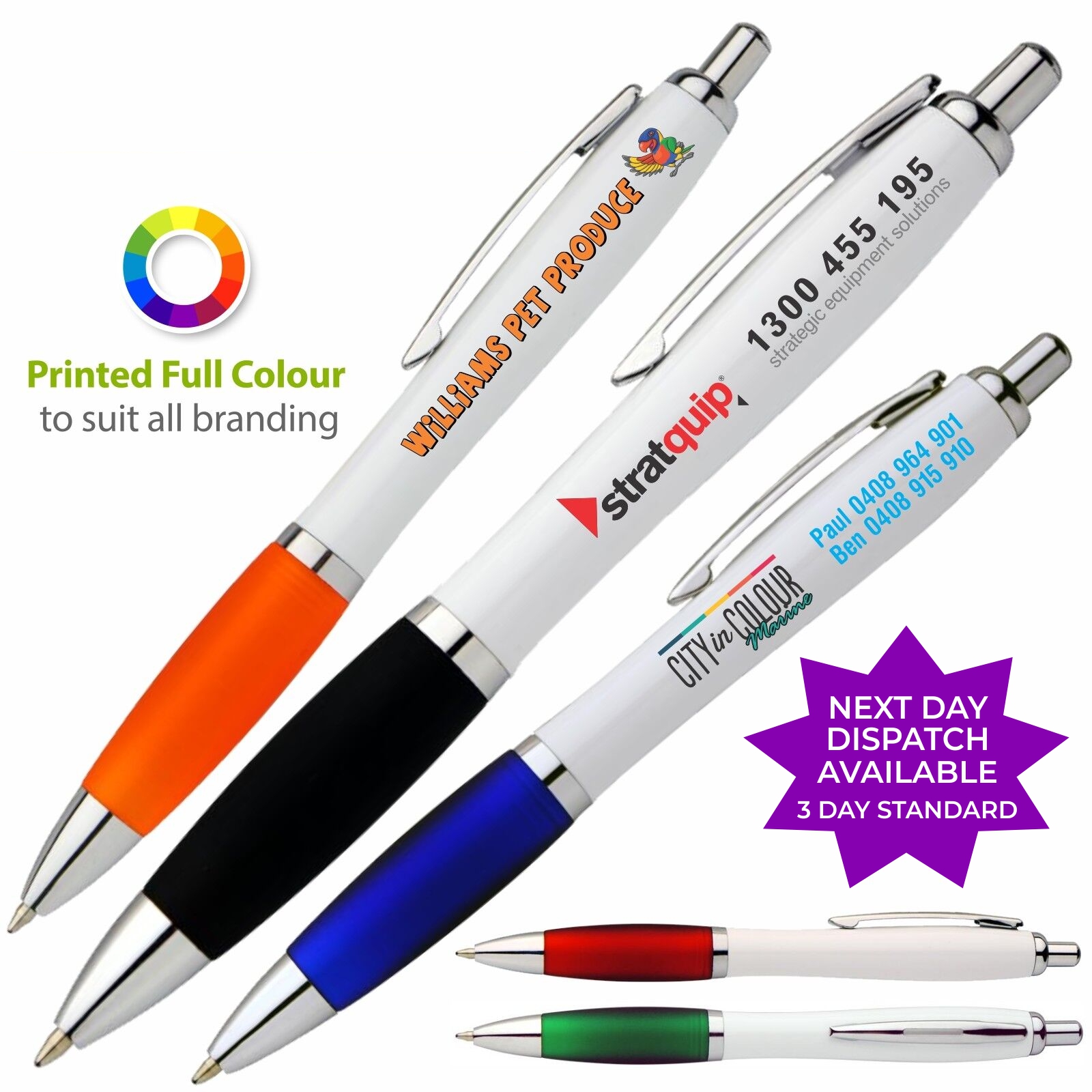
Direct to product digital printing involves the transfer of ink directly from the print heads of an inkjet machine to the product and can be used to produce both spot colour and full colour branding on flat or slightly curved surfaces.
Screen printing is achieved by forcing ink through a fine mesh screen with a squeegee onto the product and is ideal for branding flat or cylindrical objects.
Resin coated finish is produced by printing the artwork onto a vinyl material with strong adhesive on the reverse. The branded area is coated with a crystal clear resin which is allowed to dry. Once dry, the finished decal is applied to the product and the adhesive forms a permanent bond.
Screen printing is achieved by forcing ink through a fine mesh screen with a squeegee onto the product and is ideal for branding flat or cylindrical objects.
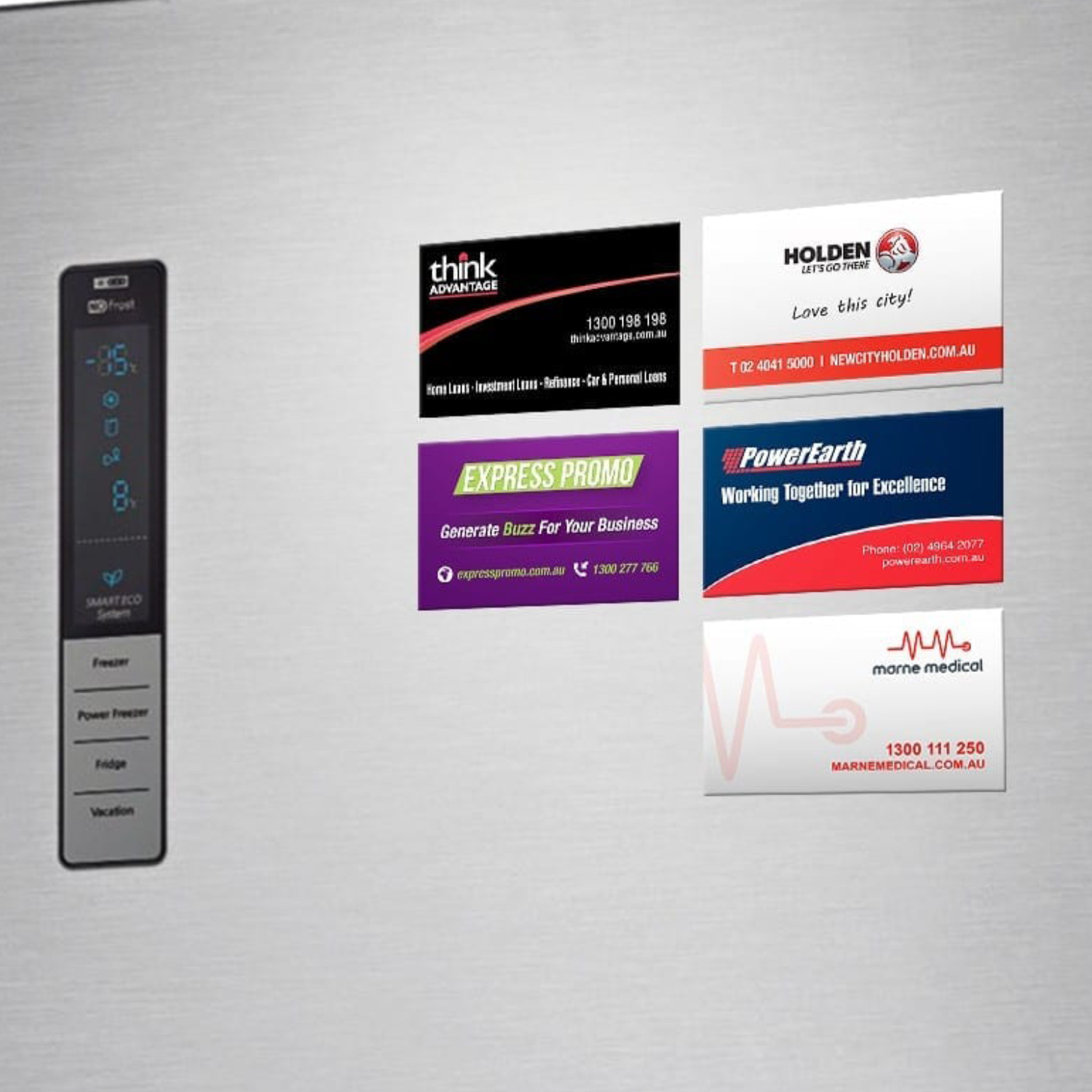
This production method is used for printing media such as paper, vinyl and magnetic material used in the manufacture of labels, badges and fridge magnets etc.
Direct to product rotary digital printing involves the transfer of UV ink directly from inkjet print heads and can be used to produce both spot colour and full colour branding.
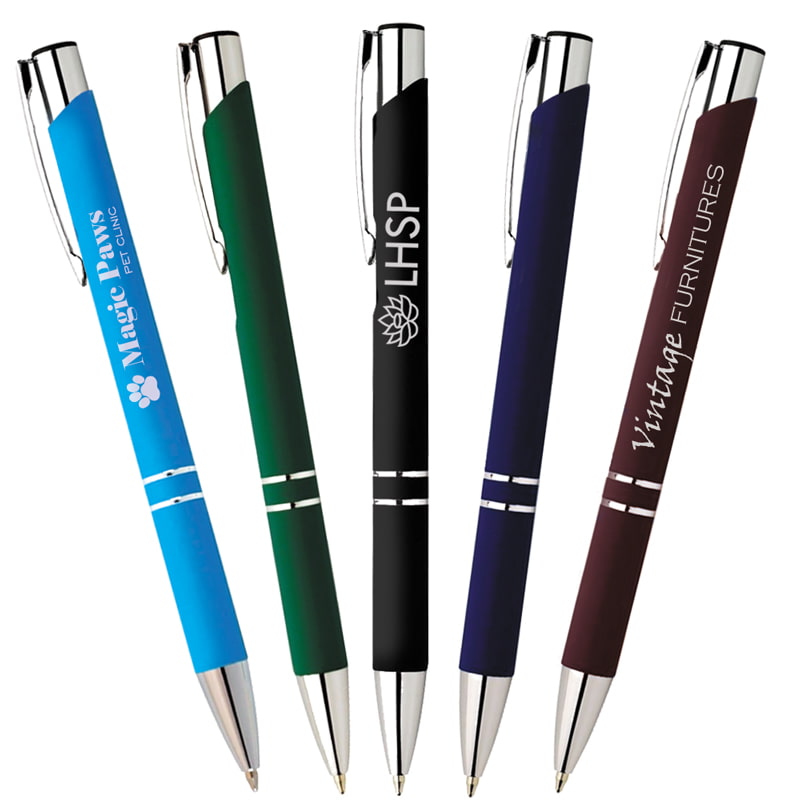
Debossing is produced by pressing a hot engraved metal plate into the surface of a product with a lot of pressure. This produces a permanent image below the surface of the product. Some products offer thermo debossing, which creates a stunning two-tone finish.
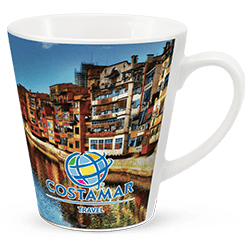
Sublimation print is used for branding products that have a special coating on them or fabrics suitable for the sublimation process. A transfer is produced by printing sublimation ink onto transfer paper and then heat pressing it onto the product.
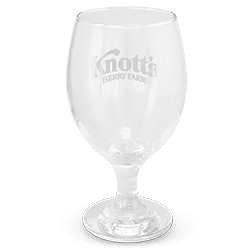
Imitation etch is a special pad printing ink used for producing an etch like effect on glass products.
Pad printing uses a silicone pad to transfer an image to a product from a laser etched printing plate. It is one of the most popular and affordable ways of branding promotional products due to its ability to reproduce images on uneven or curved products and print multiple colours in a single pass.