
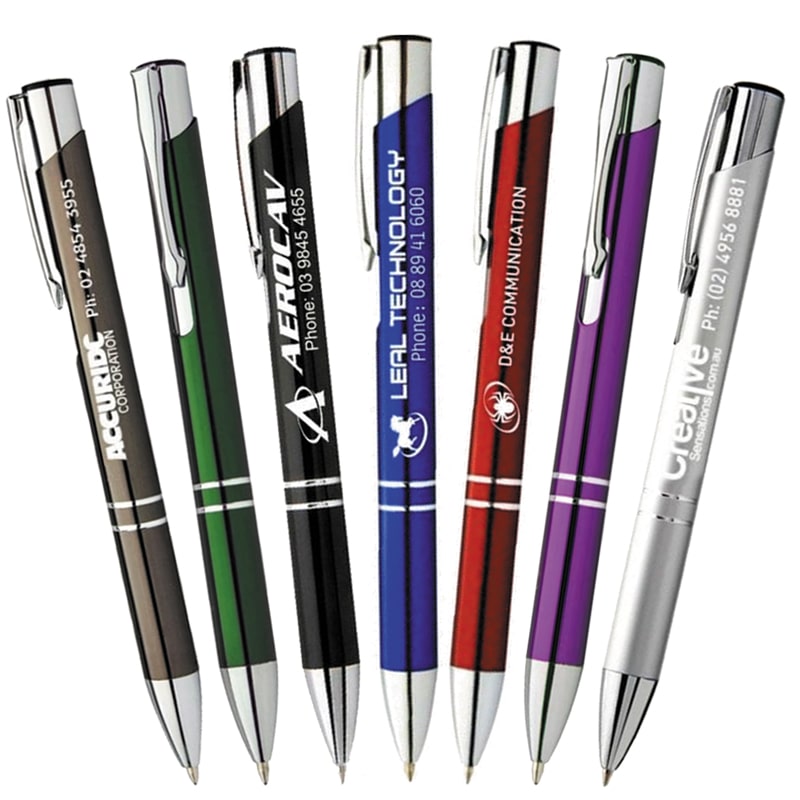
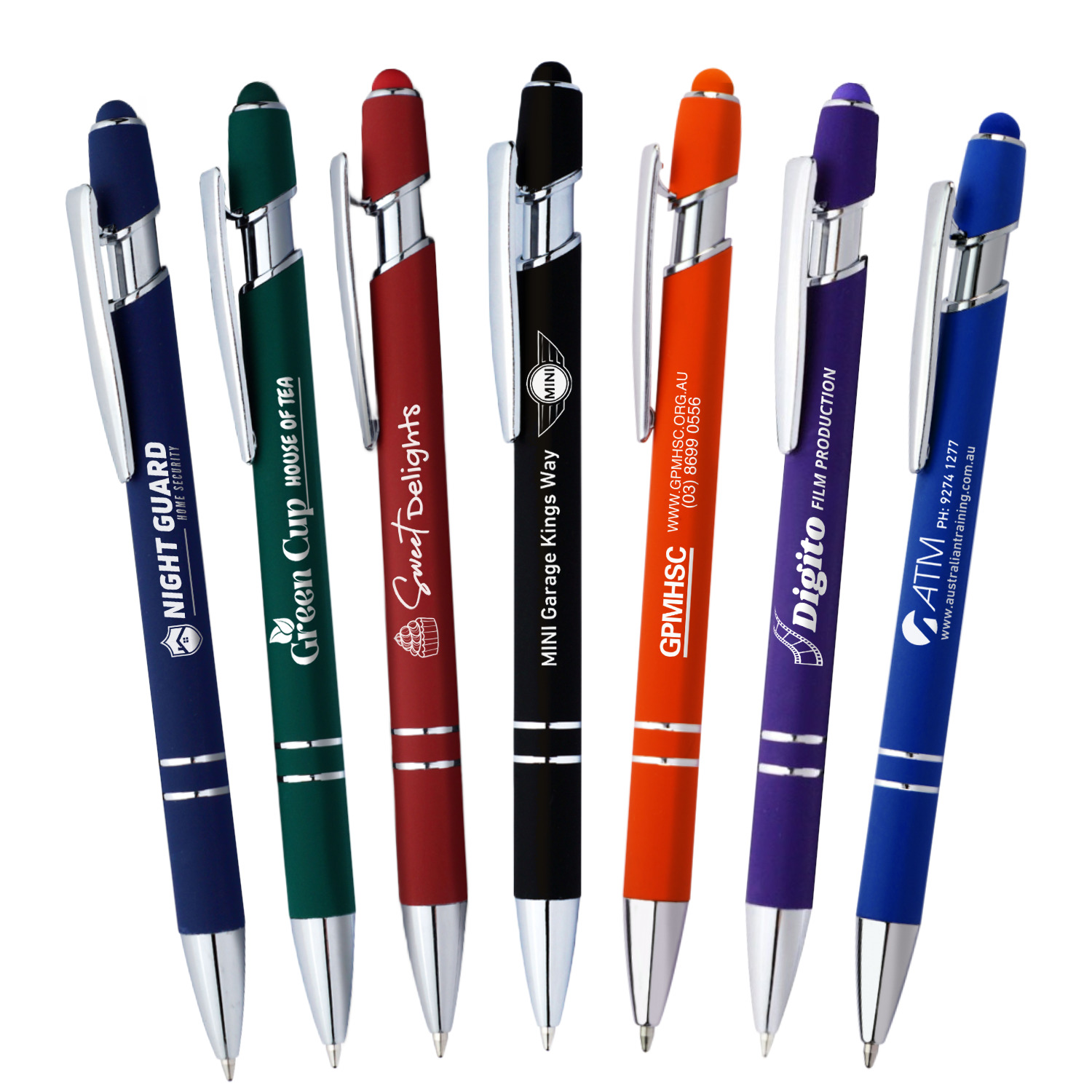
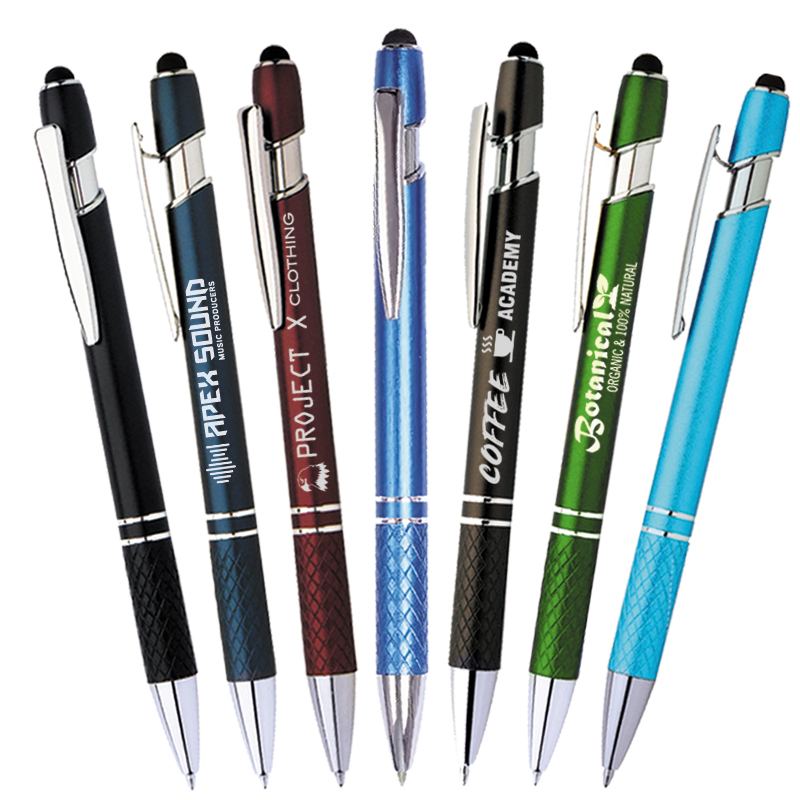
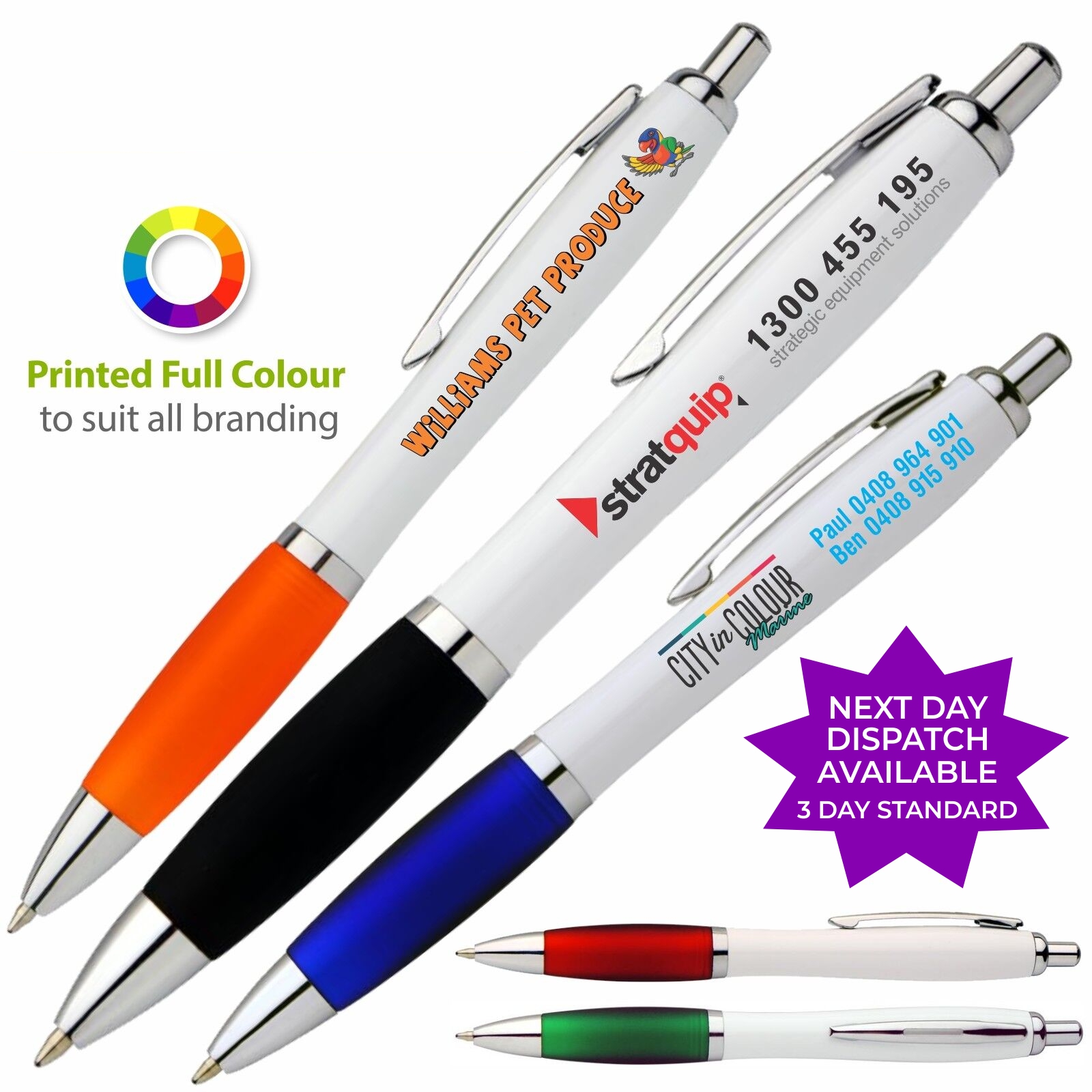
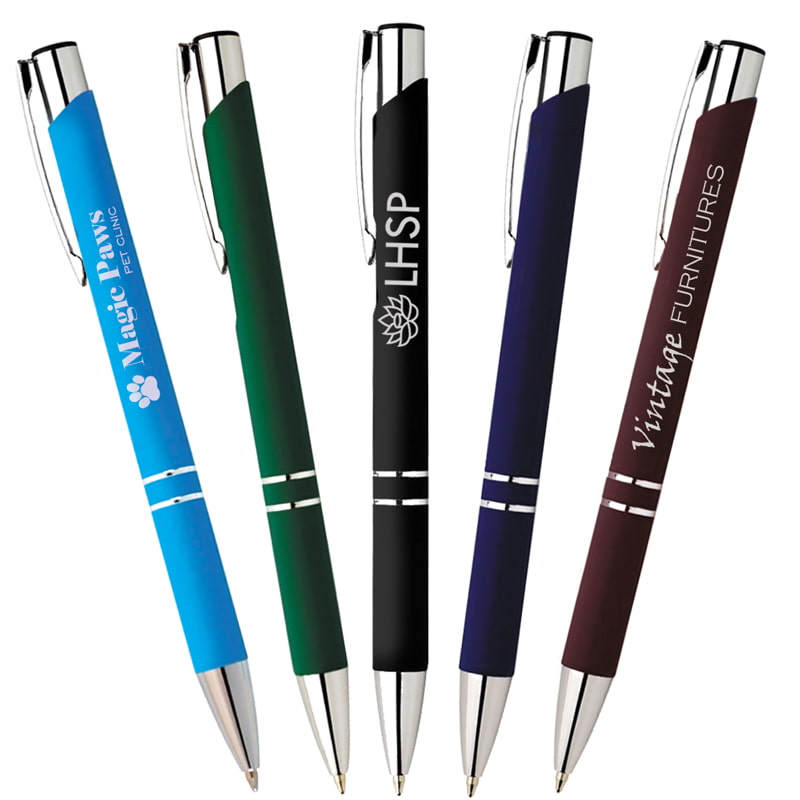
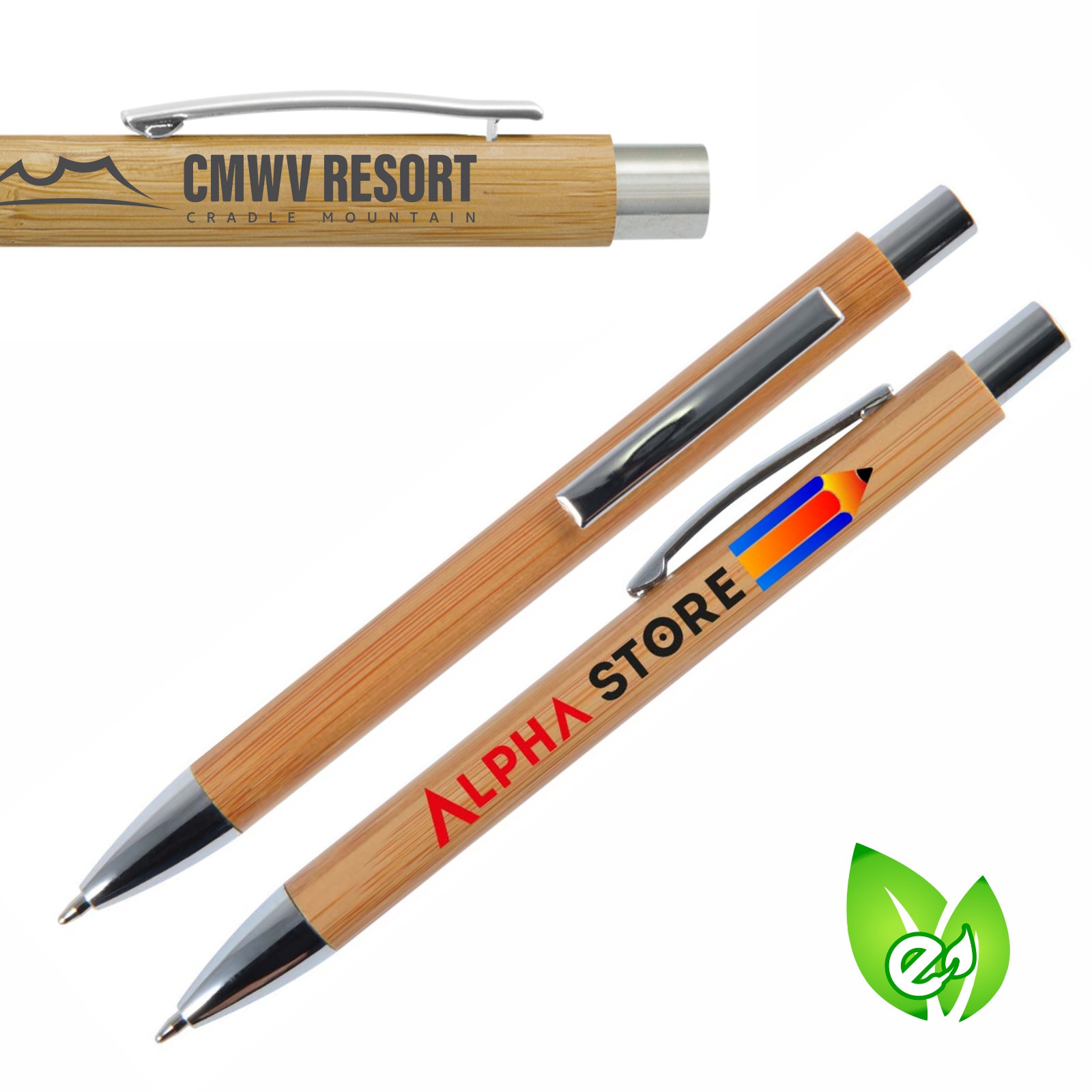
There is a huge number of marketing tools and promotional giveaways available for companies looking to increase the visibility of their brands, but throughout the years, nothing has been more ubiquitous than and as effective as personalised pens. These small and unassuming items may be simple and perhaps even considered ‘common,’ but they remain to be some of the most effective marketing tools available. They are widely used even to this day by successful companies all over the world.
Pens are very cost effective because they are cheap to produce and are easy to manufacture in bulk. The more personalised promotional pens you order, the cheaper the cost of production becomes. They are great for giving away to a lot of people, making them efficient marketing tools.
A good solid pen is always a useful thing to have. Even in today’s digital world, the trusty old pen is still essential for jotting down a quick note or for taking a quick message and other tasks. Statistics show that 79% of people who receive promotional pens actually use them, and that a staggering 82% will tend to keep their personalised pen with them most of the time.
Personalised pens work like business cards for your company when you print your phone number, address, and email or website on them. This makes it easier for prospective clients to get your contact details quickly and easily for future reference. What’s great about pens is that they have a long advertising shelf life, and unlike printed ads or billboards that have a limited exposure time, pens are always there emblazoned with your logo and contact details for the duration of their service life. They can be shared or passed on from person to person, expanding your reach to others. This makes them very effective in spreading the word on your company or product.


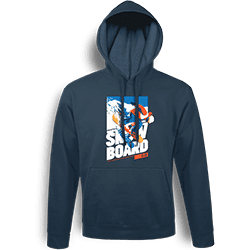
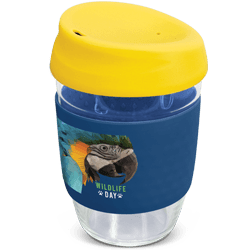
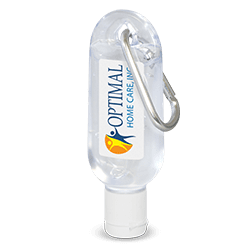
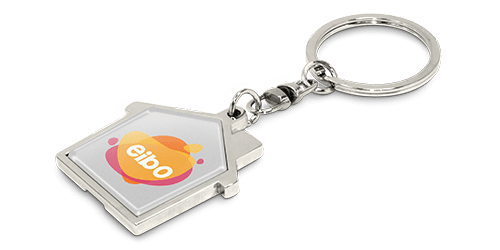
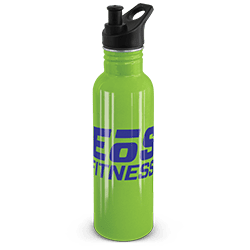
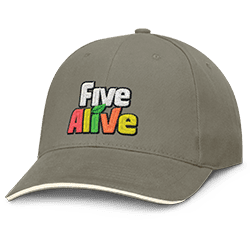




Colourflex transfers are a CMYK+W digital print process, used for branding apparel and fabrics.
Direct to product digital printing involves the transfer of ink directly from the print heads of an inkjet machine to the product and can be used to produce both spot colour and full colour branding on flat or slightly curved surfaces.
Screen printing is achieved by forcing ink through a fine mesh screen with a squeegee onto the product and is ideal for branding flat or cylindrical objects.
Resin coated finish is produced by printing the artwork onto a vinyl material with strong adhesive on the reverse. The branded area is coated with a crystal clear resin which is allowed to dry. Once dry, the finished decal is applied to the product and the adhesive forms a permanent bond.
Screen printing is achieved by forcing ink through a fine mesh screen with a squeegee onto the product and is ideal for branding flat or cylindrical objects.
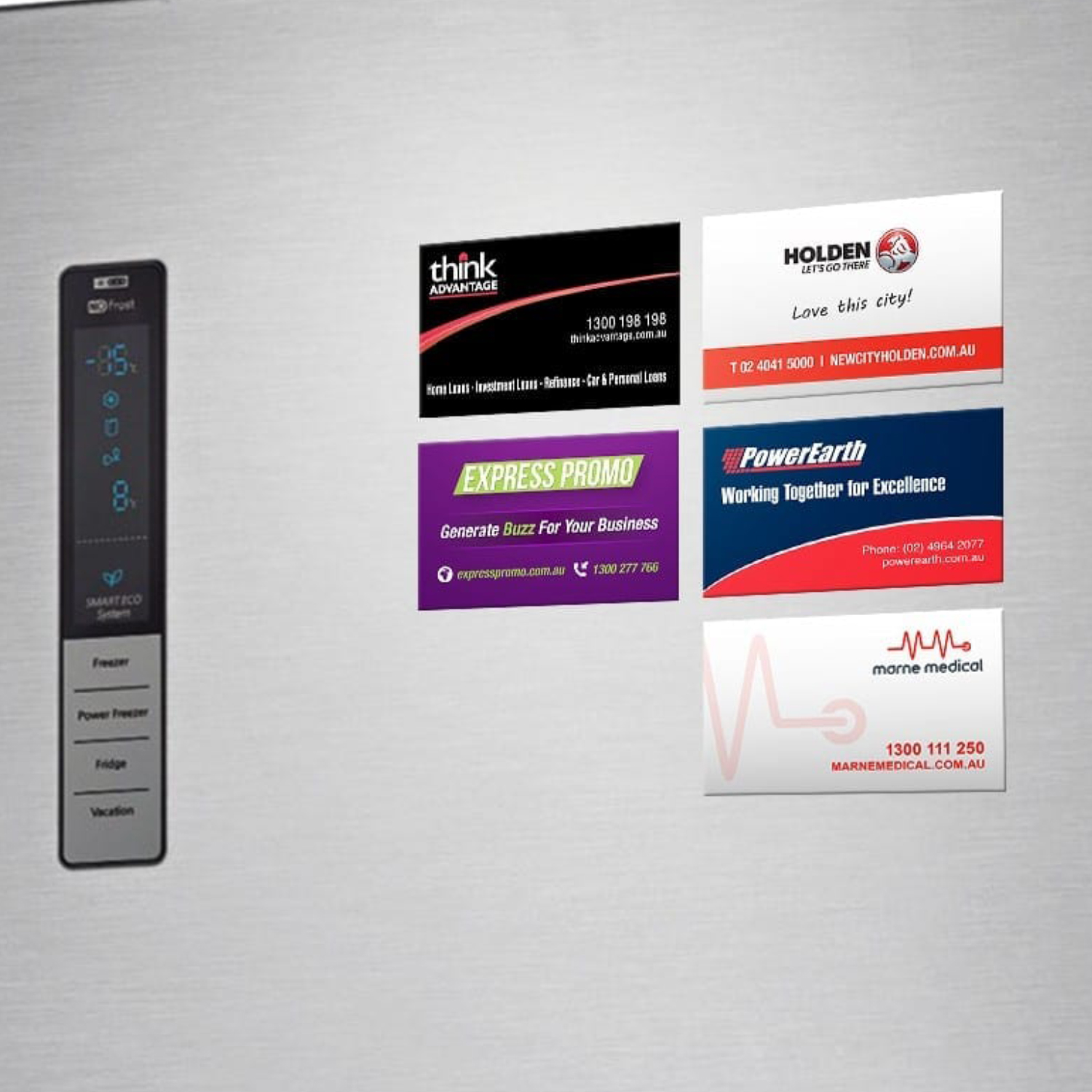
This production method is used for printing media such as paper, vinyl and magnetic material used in the manufacture of labels, badges and fridge magnets etc.
Direct to product rotary digital printing involves the transfer of UV ink directly from inkjet print heads and can be used to produce both spot colour and full colour branding.
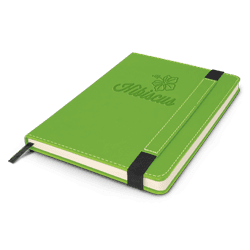
Debossing is produced by pressing a hot engraved metal plate into the surface of a product with a lot of pressure. This produces a permanent image below the surface of the product. Some products offer thermo debossing, which creates a stunning two-tone finish.
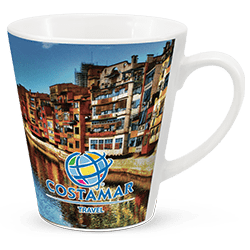
Sublimation print is used for branding products that have a special coating on them or fabrics suitable for the sublimation process. A transfer is produced by printing sublimation ink onto transfer paper and then heat pressing it onto the product.
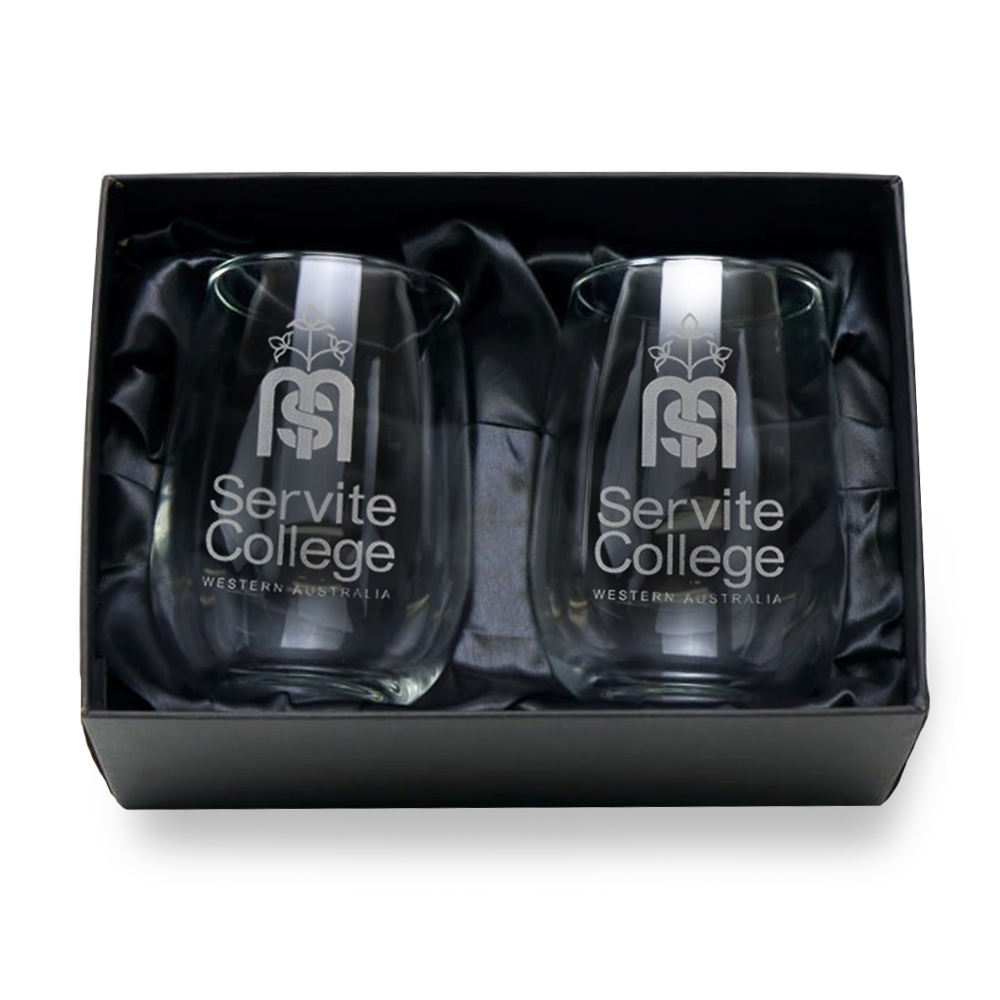
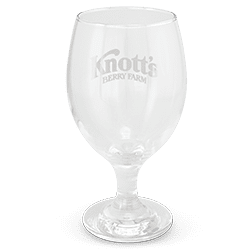
Imitation etch is a special pad printing ink used for producing an etch like effect on glass products.
Pad printing uses a silicone pad to transfer an image to a product from a laser etched printing plate. It is one of the most popular and affordable ways of branding promotional products due to its ability to reproduce images on uneven or curved products and print multiple colours in a single pass.