
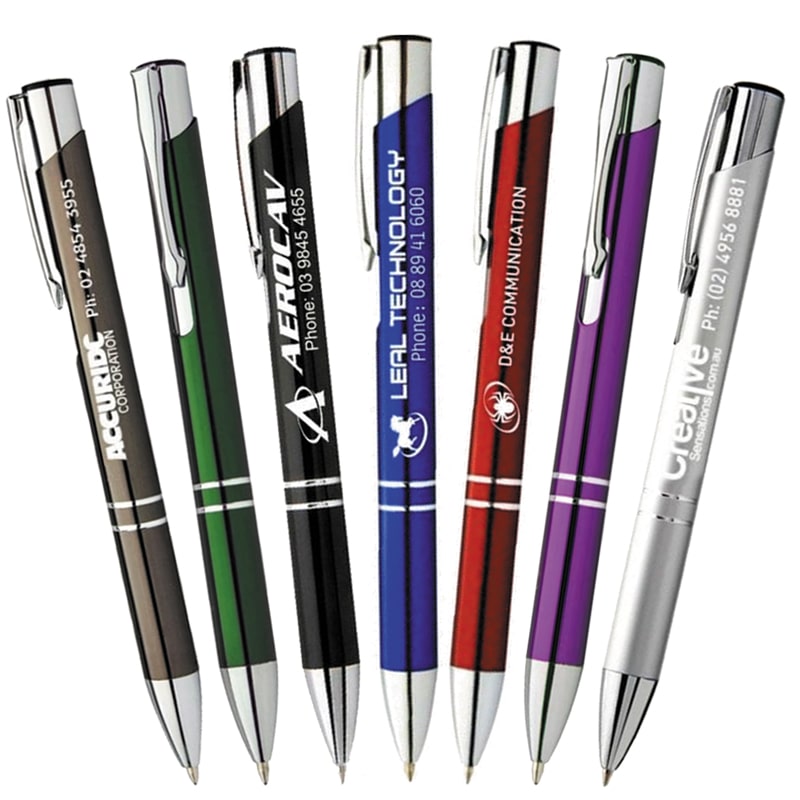
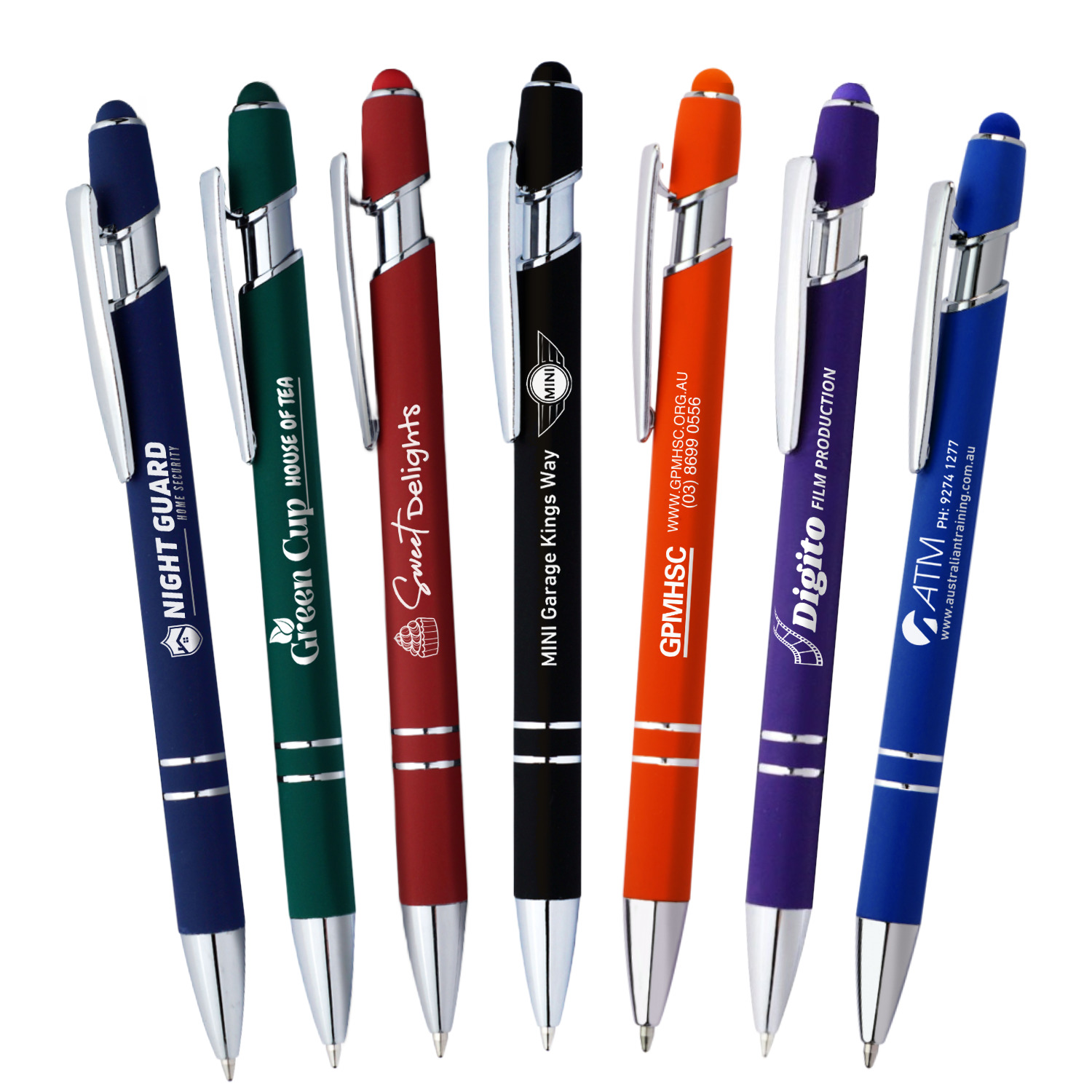
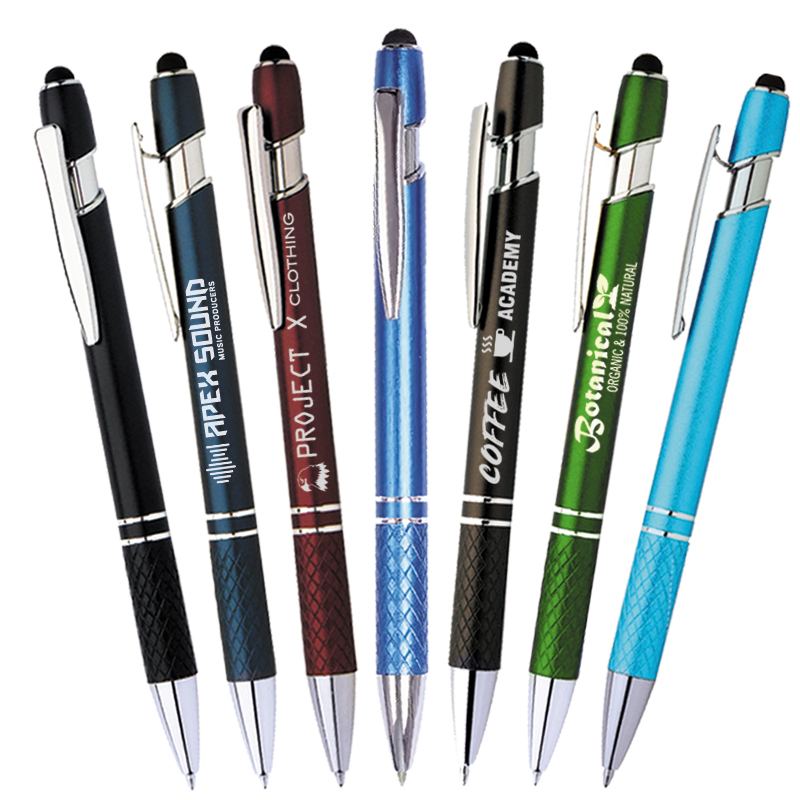
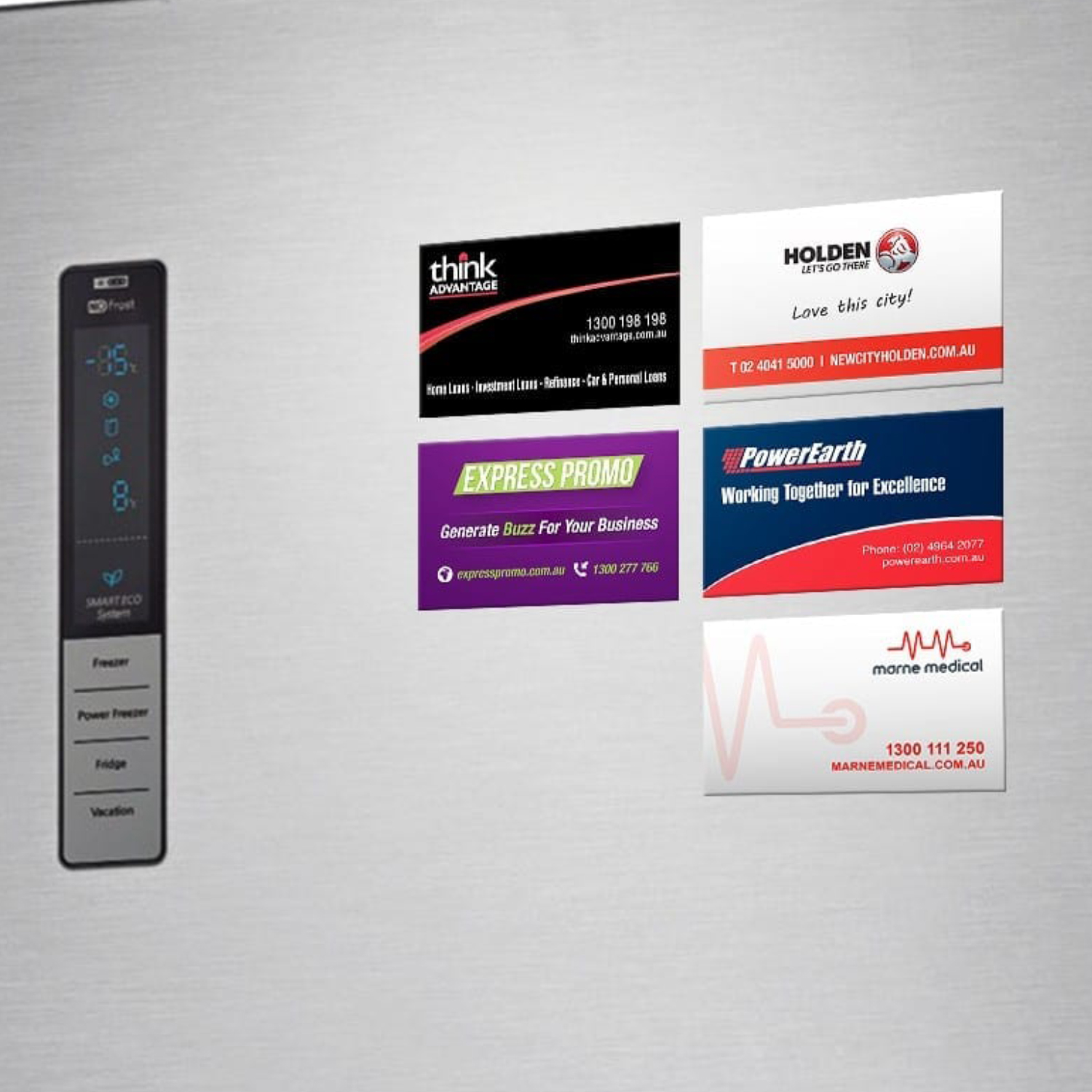
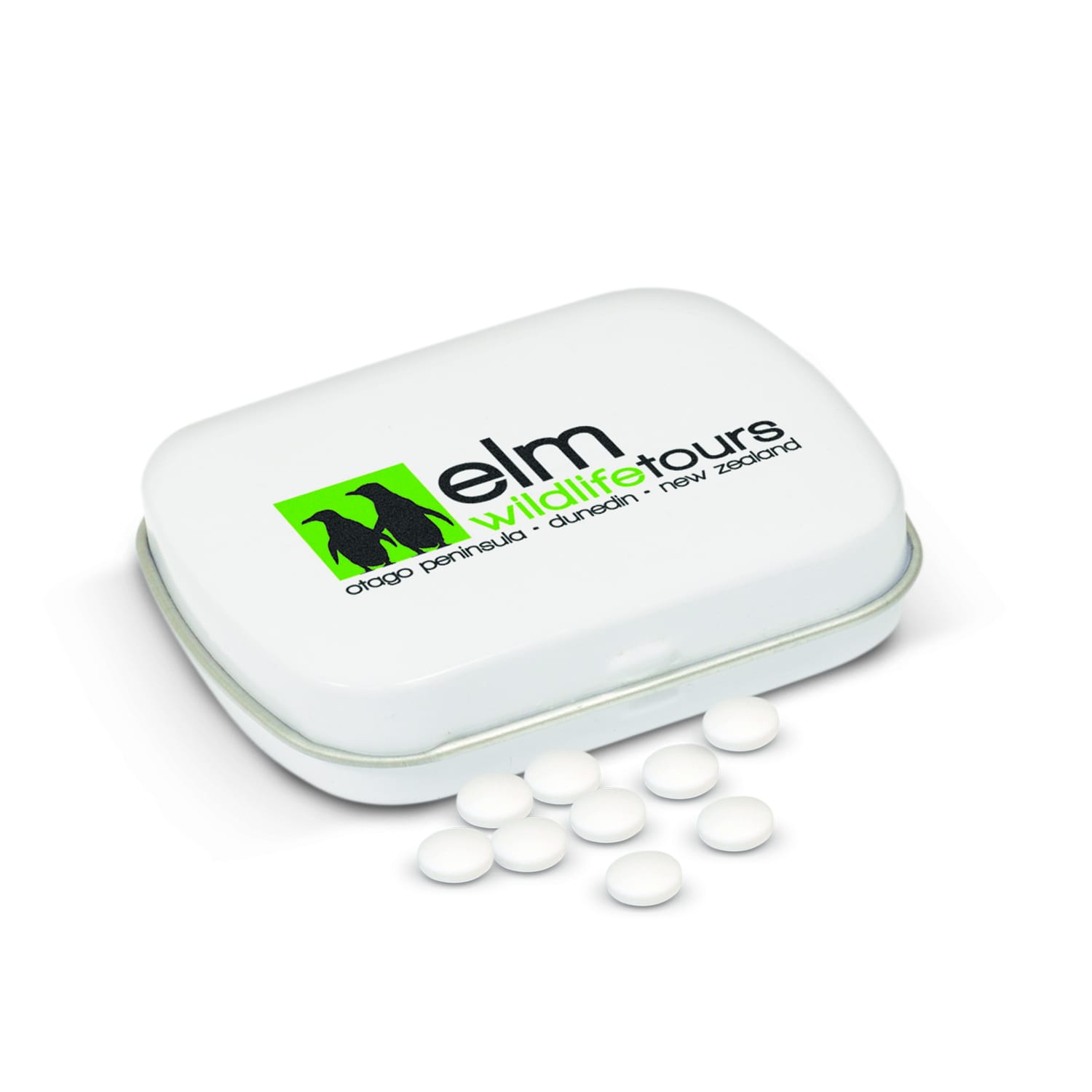
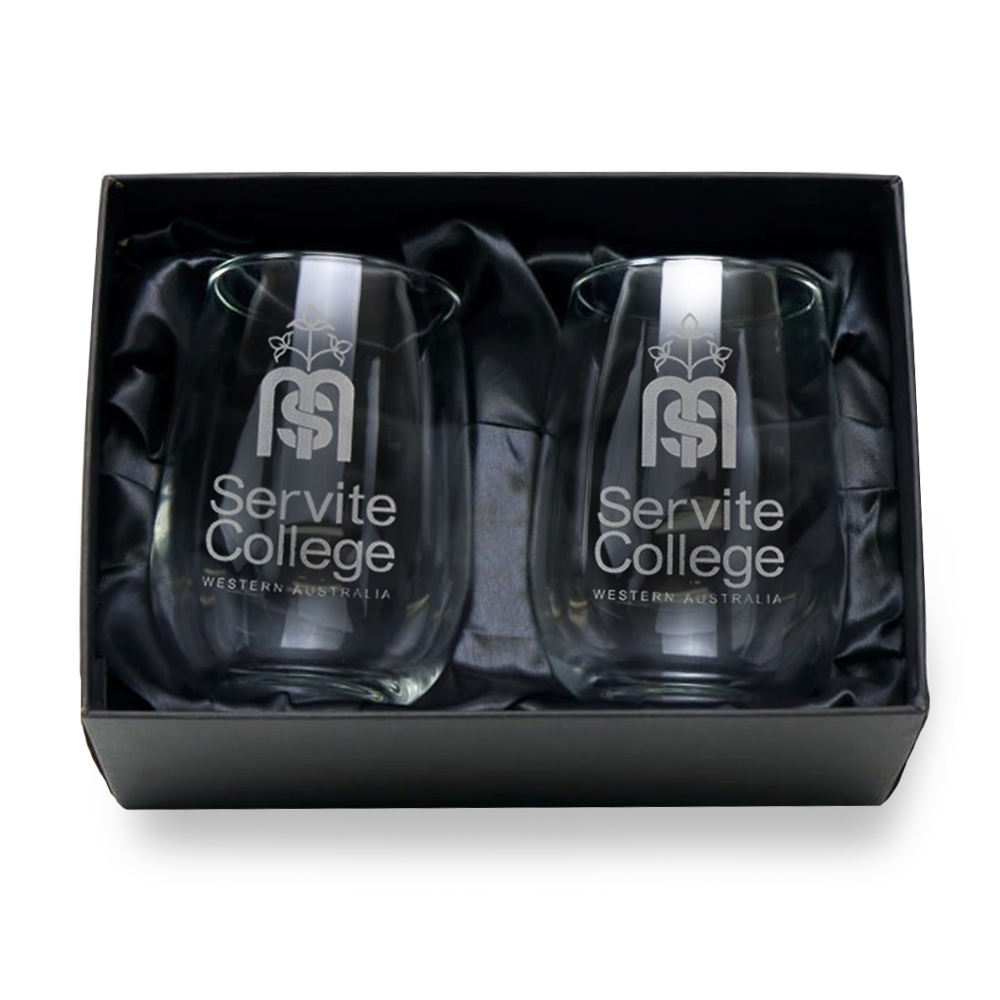
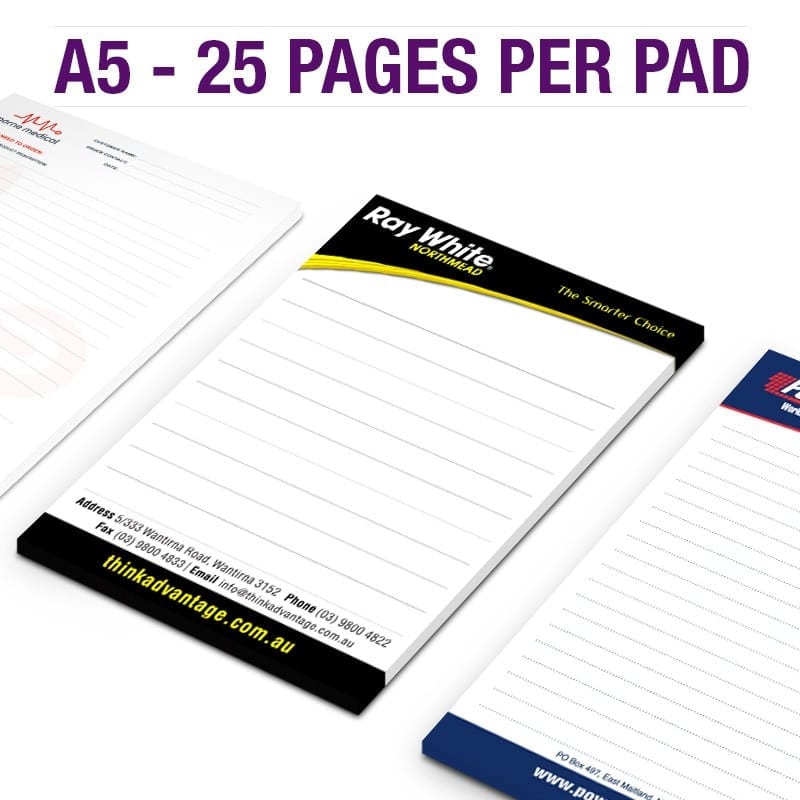
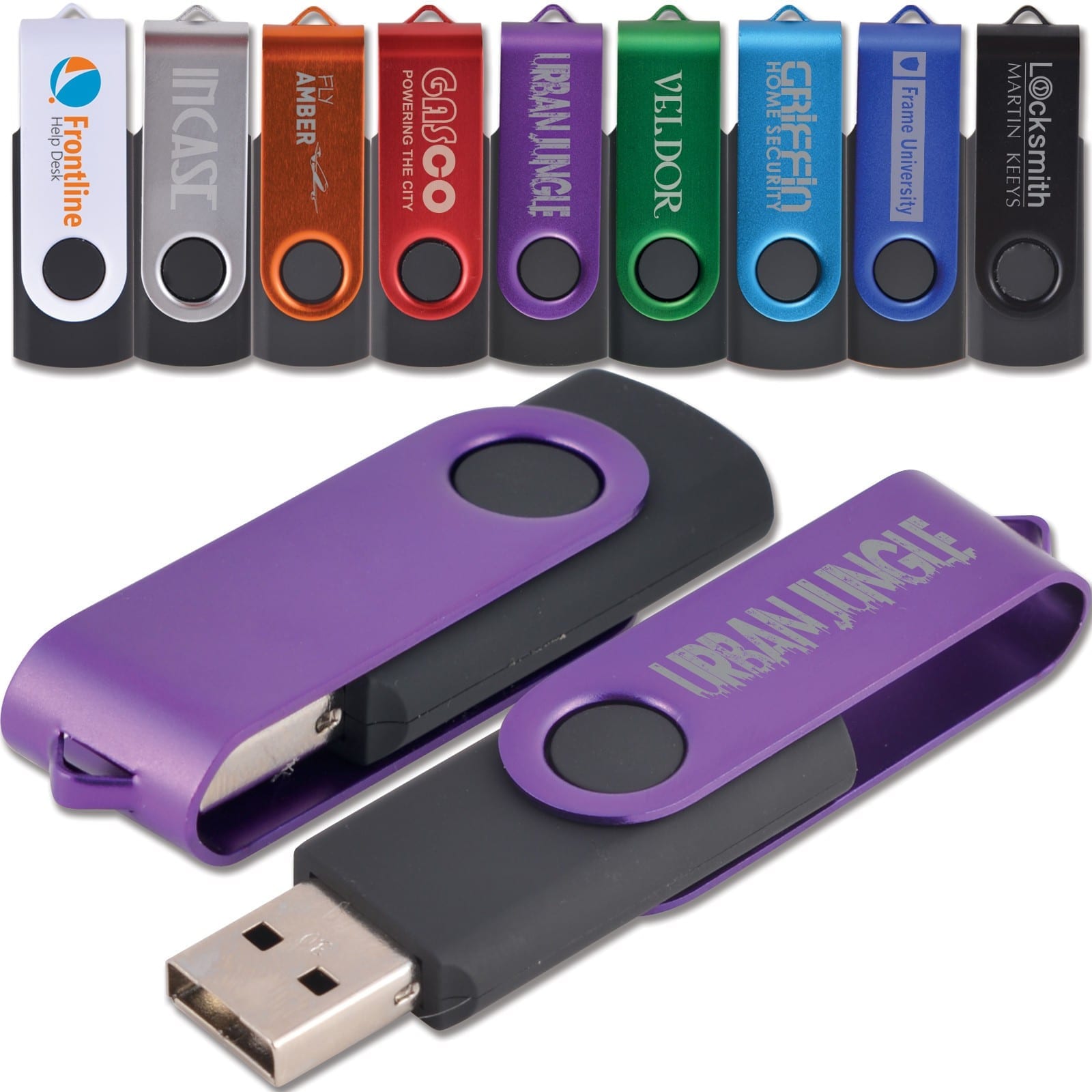
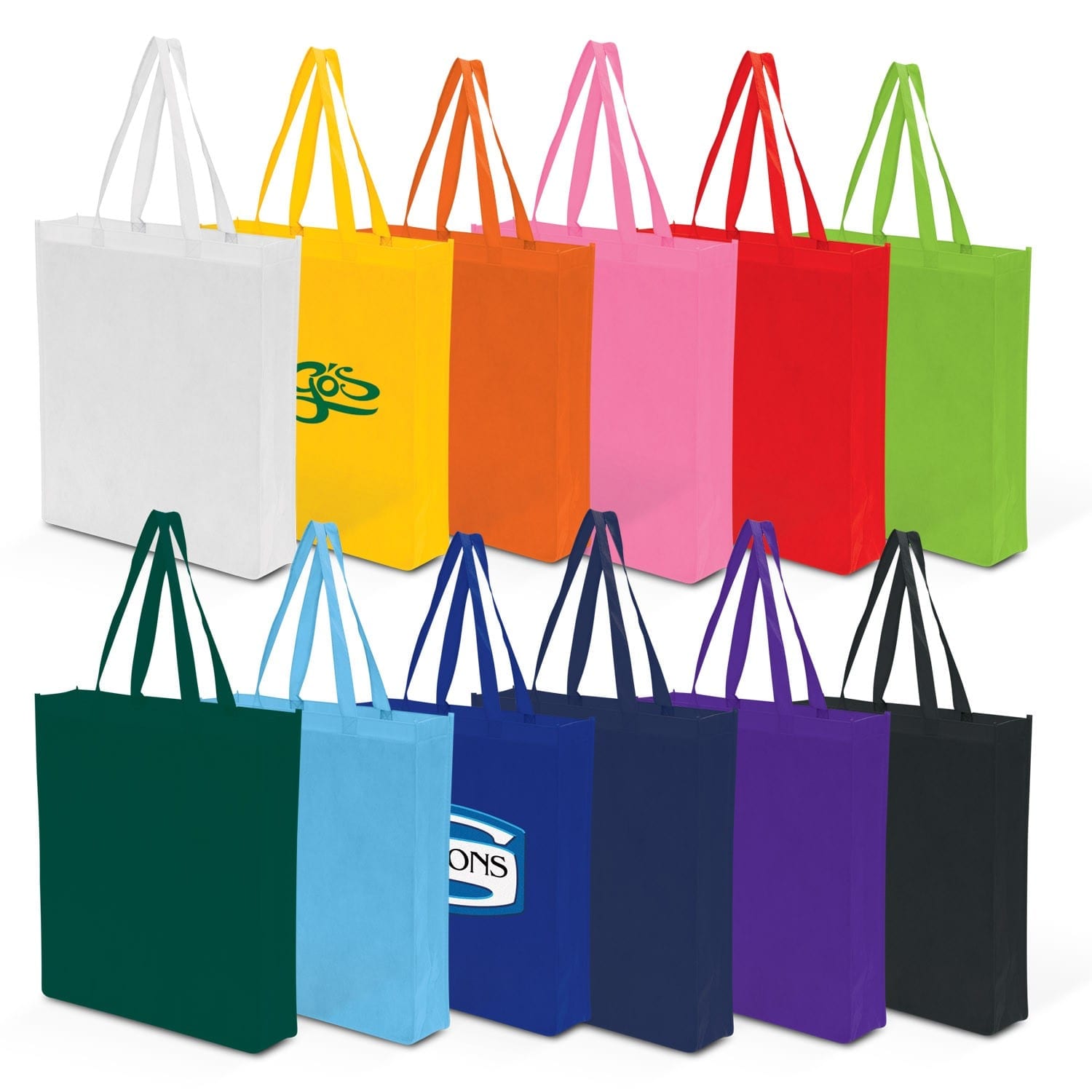
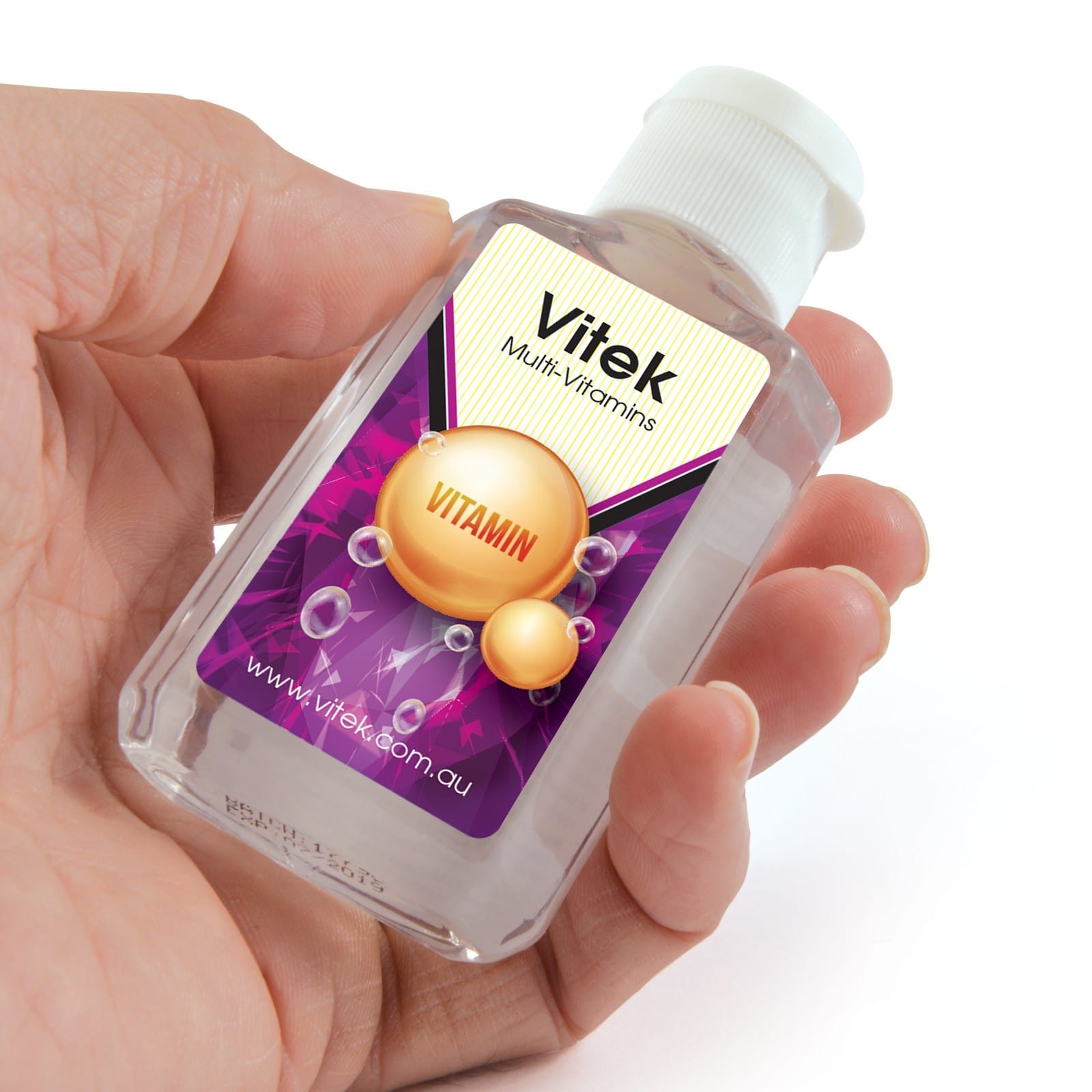
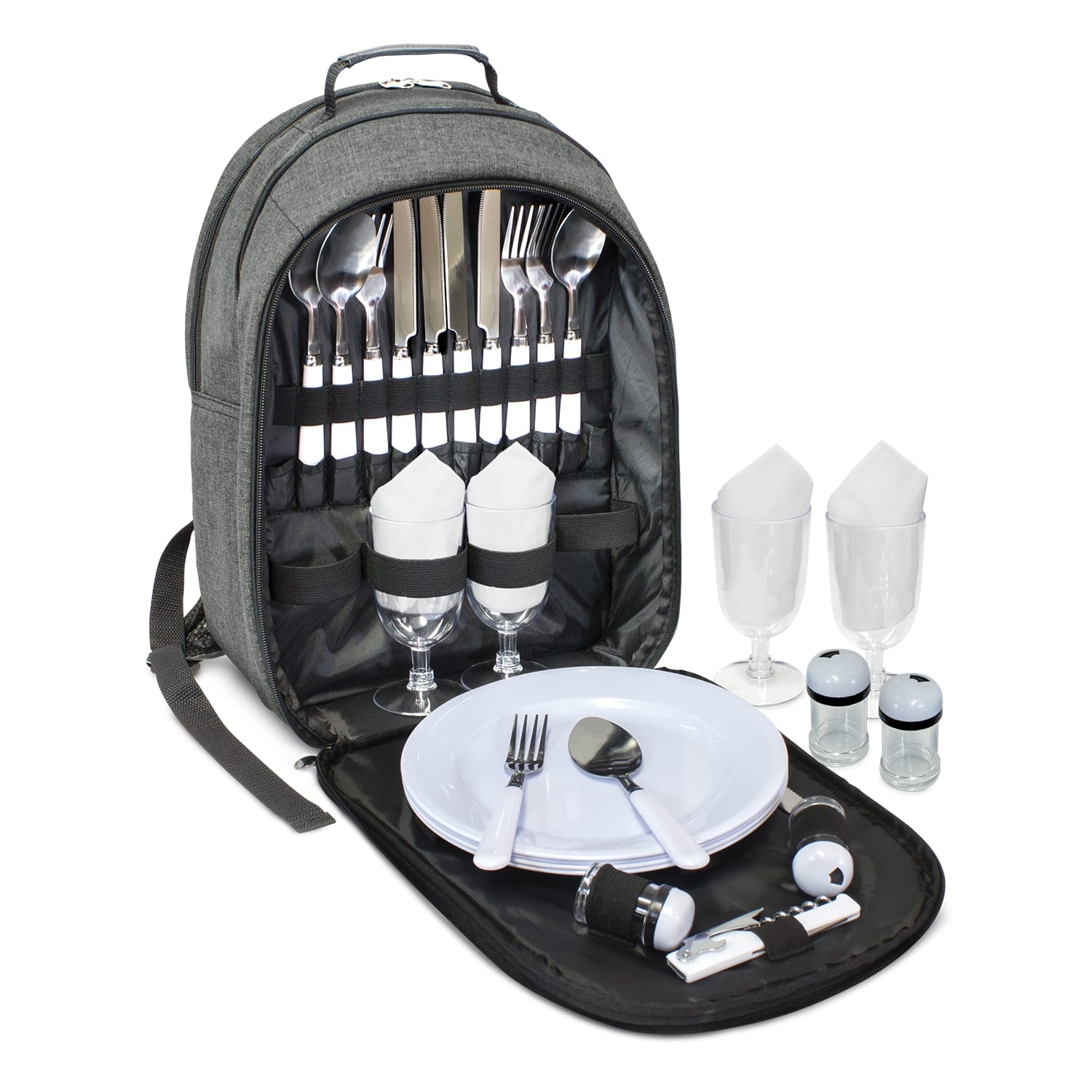
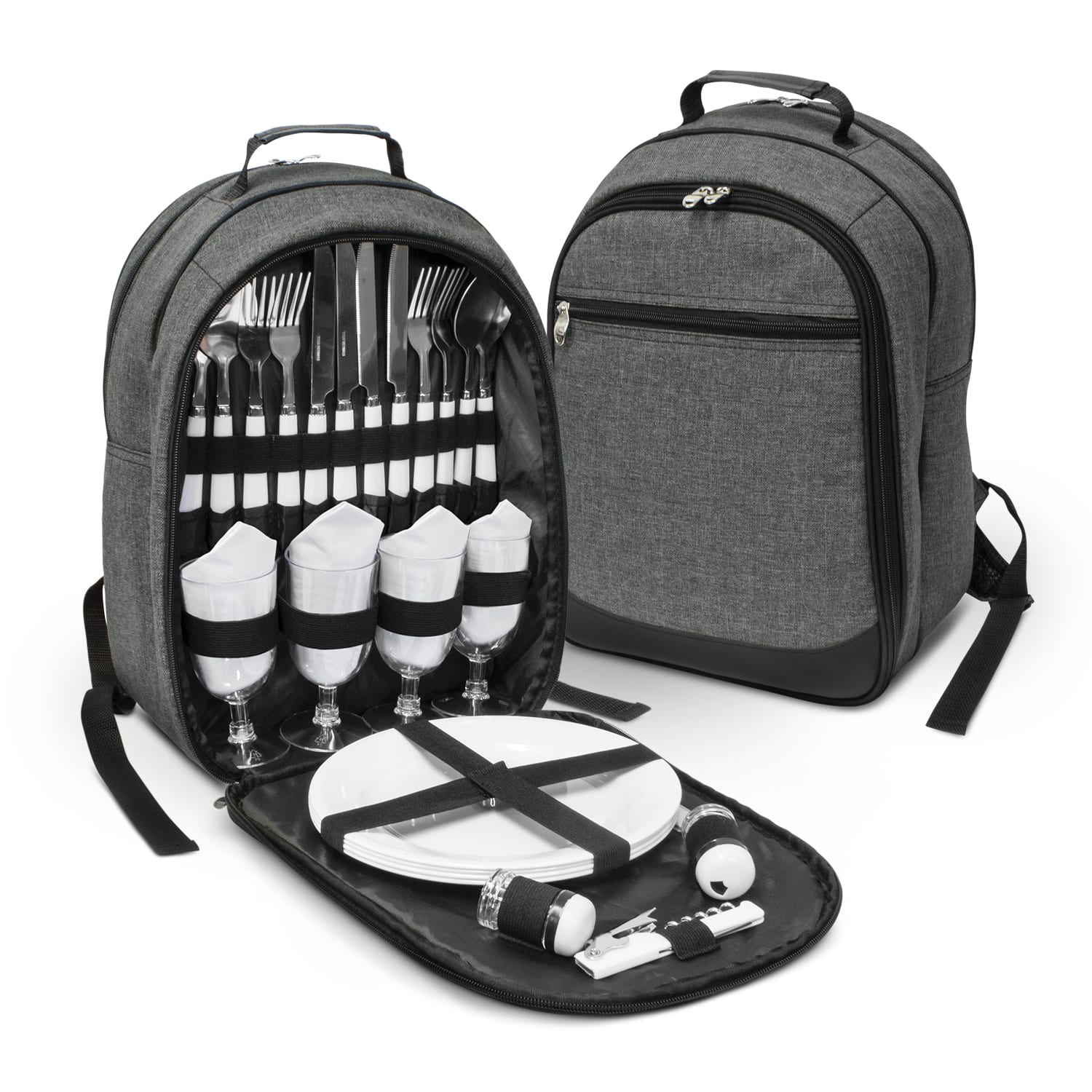
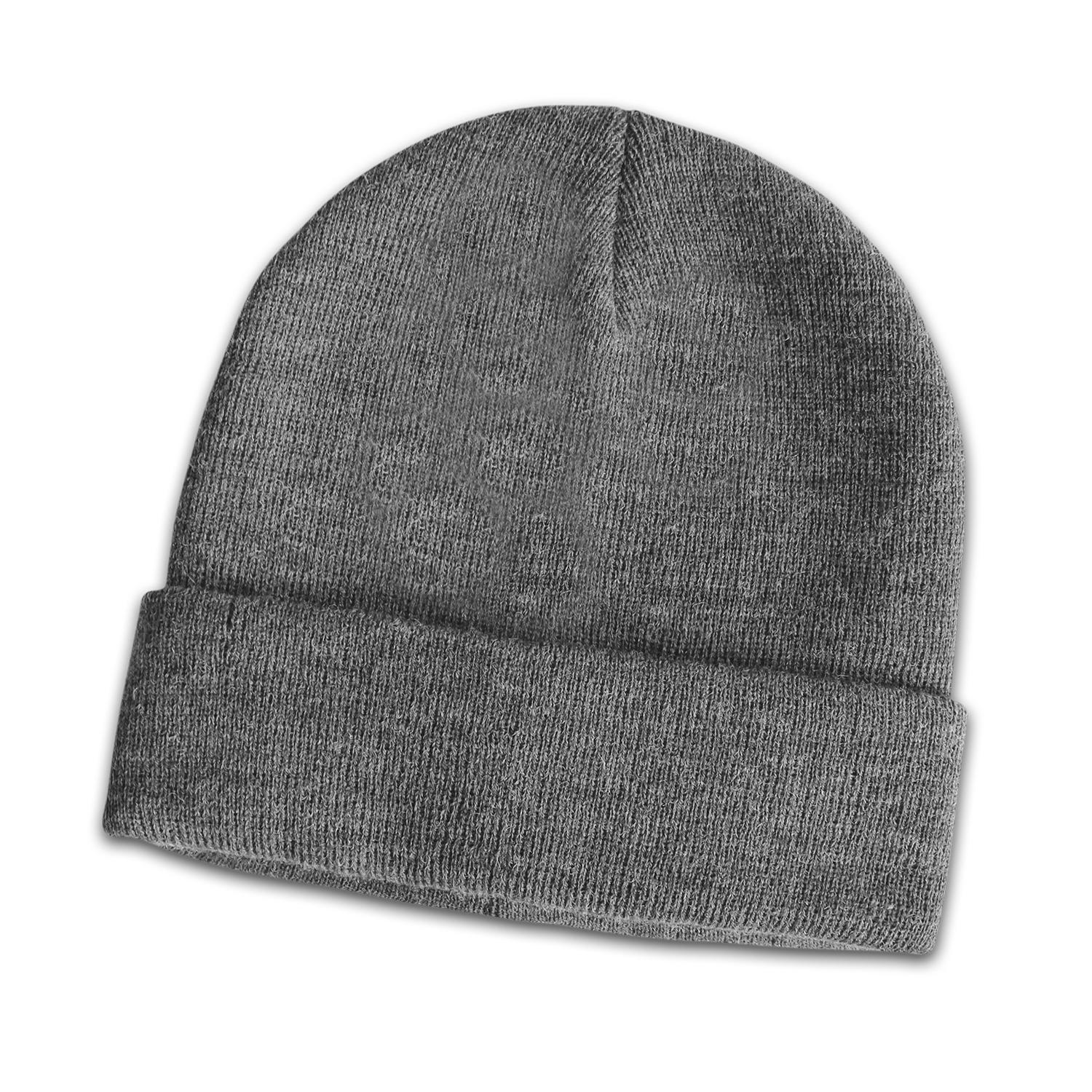
Promotional products are powerful and effective marketing tools.
They help in improving the recall value of a companyโs name and brand image. Investing in an inexpensive promotional product can bring a greater return on investment than other types of advertising and marketing.
They can positively affect client and customer perception. Some promotional material can have a waterfall effect as they continue to be passed on to other potential customers, either by virtue of sharing the physical product or by word of mouth. You can choose products that represent the company and are relevant to the brand image you wish to uphold or portray. Various company missions and objectives can be promoted with the help of appropriate promotional products.
Here are some of the reasons why every business must try out inexpensive promotional products to achieve their goals.

Unique touch:
Promotional products lend a unique and distinctive taste to advertising campaigns. Such exclusive promotional products help your company come up a cut above the rest. It also builds familiarity with the potential customers and investors.

Tangible:
Promotional products are tangible objects which imply that the recipients, usually potential customers can keep and use them. They will inevitably share their experiences with others, resulting in massive outreach potential. Promotional products allow a business to position and leverage the use of their logo on the item.

Marketing platform:
The depth of various branded promotional materials allows you to have a layered and varied marketing strategy. The customer can be given options even for such gifts, reinforcing your own product diversity or flexibility. This significantly increases the chances of the customers remembering you and your brand.


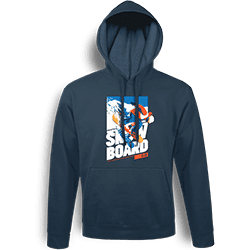
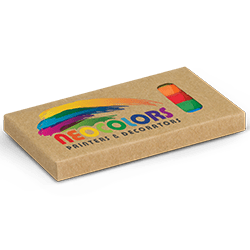
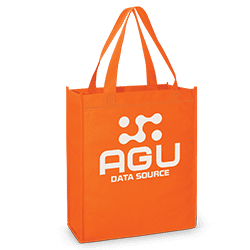





Colourflex transfers are a CMYK+W digital print process, used for branding apparel and fabrics.
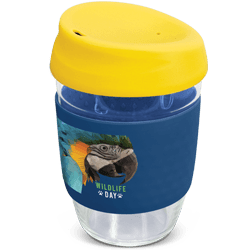
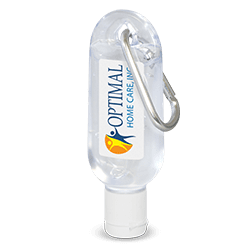
Direct to product digital printing involves the transfer of ink directly from the print heads of an inkjet machine to the product and can be used to produce both spot colour and full colour branding on flat or slightly curved surfaces.
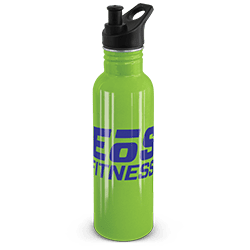
Screen printing is achieved by forcing ink through a fine mesh screen with a squeegee onto the product and is ideal for branding flat or cylindrical objects.
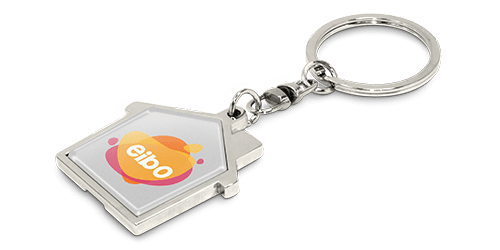
Resin coated finish is produced by printing the artwork onto a vinyl material with strong adhesive on the reverse. The branded area is coated with a crystal clear resin which is allowed to dry. Once dry, the finished decal is applied to the product and the adhesive forms a permanent bond.
Screen printing is achieved by forcing ink through a fine mesh screen with a squeegee onto the product and is ideal for branding flat or cylindrical objects.
This production method is used for printing media such as paper, vinyl and magnetic material used in the manufacture of labels, badges and fridge magnets etc.
Direct to product rotary digital printing involves the transfer of UV ink directly from inkjet print heads and can be used to produce both spot colour and full colour branding.
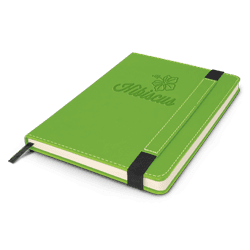
Debossing is produced by pressing a hot engraved metal plate into the surface of a product with a lot of pressure. This produces a permanent image below the surface of the product. Some products offer thermo debossing, which creates a stunning two-tone finish.
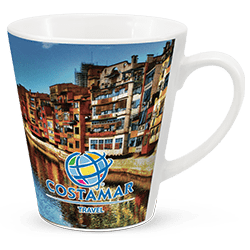
Sublimation print is used for branding products that have a special coating on them or fabrics suitable for the sublimation process. A transfer is produced by printing sublimation ink onto transfer paper and then heat pressing it onto the product.
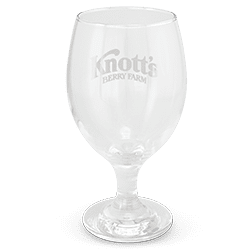
Imitation etch is a special pad printing ink used for producing an etch like effect on glass products.
Pad printing uses a silicone pad to transfer an image to a product from a laser etched printing plate. It is one of the most popular and affordable ways of branding promotional products due to its ability to reproduce images on uneven or curved products and print multiple colours in a single pass.