

















Product Spotlight, Promotional Products
The Evolution of Stubby Coolers From Practical Tool to Marketing Must-Have

The Evolution of Stubby Coolers From Practical Toll to Marketing Must-Have
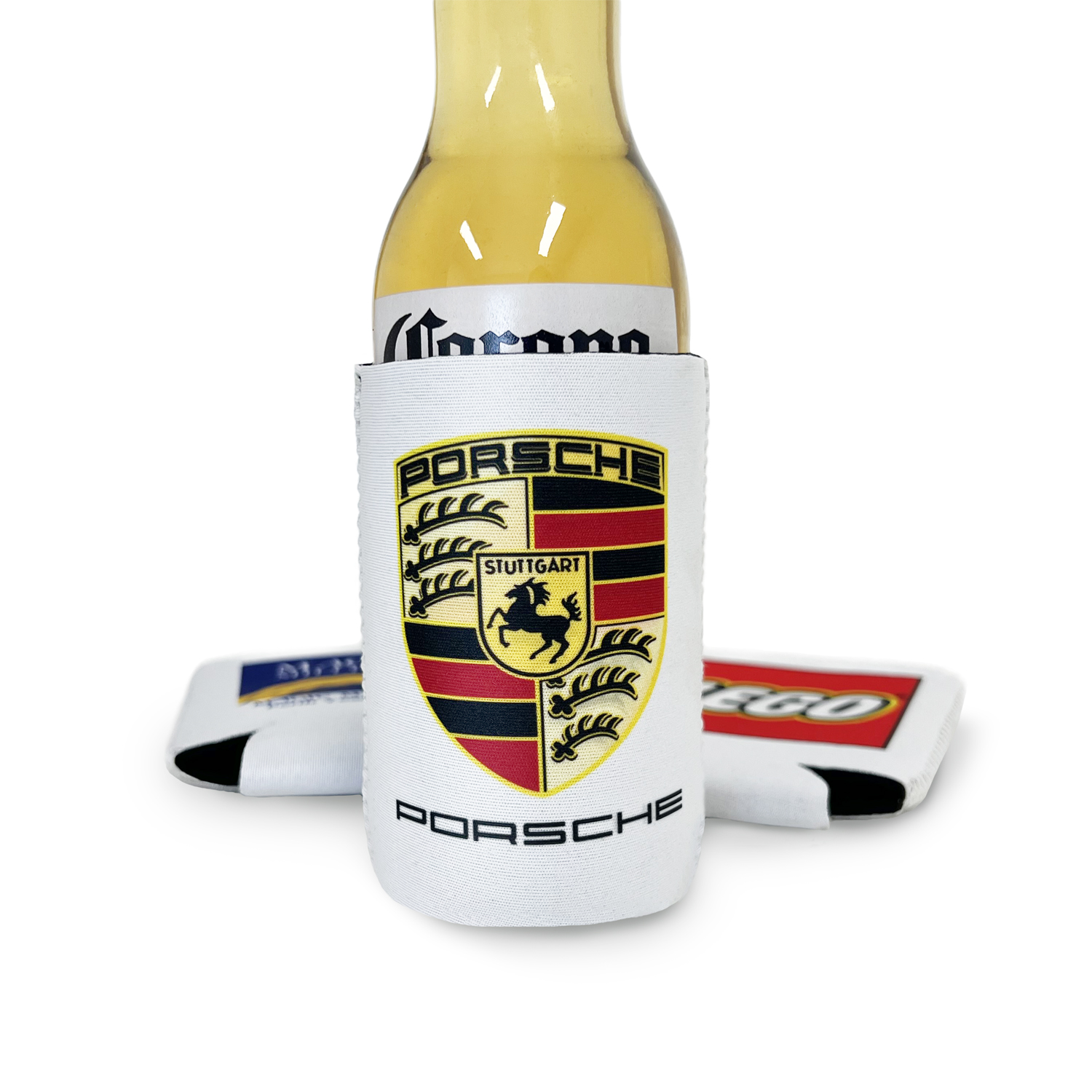
Stubby coolers, once merely practical tools designed to keep drinks cold, have transformed into essential marketing assets for brands across Australia. Originally popularised in the 1980s, these insulated sleeves were designed to fit over beer bottles, preventing condensation and maintaining temperature. Today, they have evolved into vibrant promotional products that effectively enhance brand visibility.
At Express Promo, we recognise the versatility of stubby coolers.
Their ability to be customised with logos, slogans, and unique designs makes them an ideal choice for businesses looking to make a memorable impression. With countless styles and materials available, companies can choose the perfect cooler that aligns with their brand identity.

The rise of the stubby cooler as a marketing tool is closely tied to the culture of outdoor gatherings, barbecues, and sporting events in Australia.
These occasions present excellent opportunities for businesses to distribute custom stubby coolers, turning attendees into walking advertisements. As people enjoy their drinks, they naturally showcase your brand, creating a casual yet effective advertising platform.

Moreover, the practical nature of stubby coolers ensures they remain in use long after the initial event.
Unlike traditional promotional products that may be discarded, stubby coolers are functional and often used regularly, providing ongoing brand exposure. This longevity is particularly valuable in today’s competitive market, where maintaining customer engagement is vital.

Conclusion
In conclusion, the evolution of stubby coolers from simple drink holders to powerful marketing tools reflects their adaptability and relevance in modern branding. At Express Promo, we are committed to helping businesses harness this potential, creating custom products that not only serve a purpose but also amplify your brand presence. Embrace the evolution of stubby coolers and elevate your marketing strategy today!