
















Product Spotlight
Technical Insights into the Production and Printing Methods of Branded Tote Bags for Maximum Brand Visibility

Technical Insights into the Production and Printing Methods of Branded Tote Bags for Maximum Brand Visiility
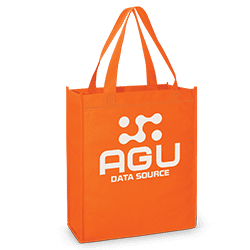
As businesses search for effective, practical, and eco-friendly promotional solutions, branded tote bags have quickly become one of the most popular choices for marketing campaigns across Australia. Their high reusability, generous print area, and universal appeal make them ideal for boosting brand exposure at events, trade shows, retail environments, and corporate giveaways. But the real power of tote bags lies in the technical production and printing processes behind them — factors that determine print clarity, durability, and overall brand visibility.
At Express Promo, we offer a wide range of custom tote bags and personalised tote bags, each designed to deliver outstanding promotional impact. Here’s a technical look into how these bags are made and printed for maximum brand exposure.
Material Choices: The Foundation of Quality & Visibility
The type of material used in tote bag production plays a major role in print quality, durability, and overall feel.
These natural materials are ideal for high-quality prints and sustainability-focused campaigns. Cotton fibres absorb ink well, which helps create crisp prints with lasting colour intensity.
Perfect for rustic branding, markets, and eco-themed events. While jute has a textured surface, it pairs beautifully with bold designs and simple logos.
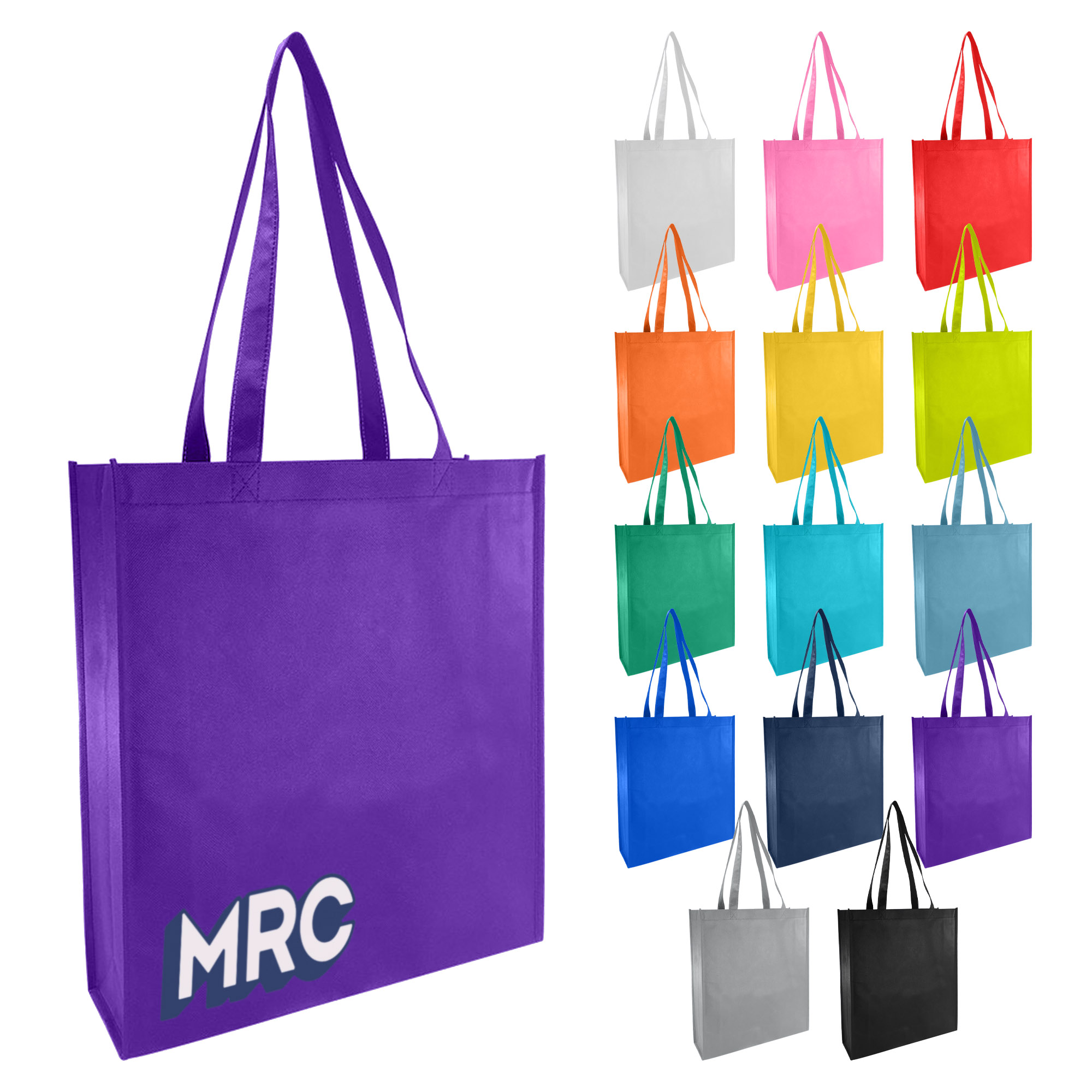
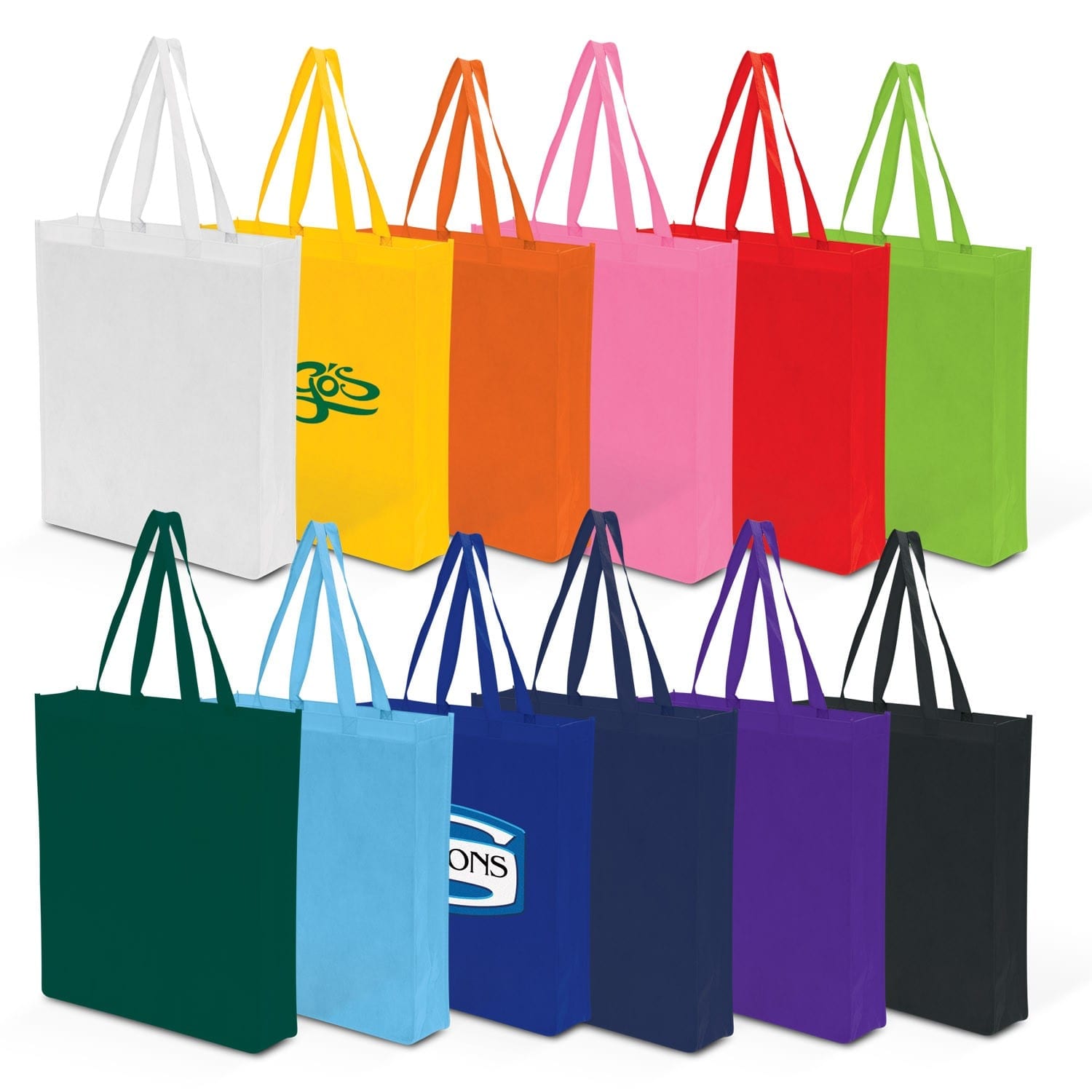
A lightweight, cost-effective option ideal for large promotional events. These bags provide an excellent printing surface and come in multiple colours.
Made from recycled plastic bottles, rPET bags offer a modern, environmentally friendly option with impressive strength and print versatility.
Choosing the right material ensures your custom tote bags project your branding clearly and last long enough to maximise impressions.

Printing Methods for Exceptional Brand Visibility
The print method determines how sharp, vibrant, and durable your branding will appear. Depending on the bag material and campaign requirements, Express Promo uses several advanced decoration techniques.
Screen Printing
- Ideal for bold, solid-colour logos
- Provides long-lasting, high-opacity prints
- Perfect for cotton, jute, and non-woven bags
Screen printing is one of the most popular methods due to its durability and cost-effectiveness, especially for large runs of branded tote bags.
Digital Direct Printing (DTG/UV Print)
- Produces full-colour, high-resolution artwork
- Ideal for detailed designs and gradients
- Suitable for cotton and smooth-surface bags
Digital printing offers outstanding clarity and colour depth, making it perfect for brands wanting a contemporary, high-impact visual finish.
Heat Transfer Printing
- Deposits full-colour artwork via a transfer panel
- Great for photographic designs
- Works well on polyester and non-woven bags
Heat transfer is often chosen when designs require extremely fine detail or multi-colour elements that screen printing cannot achieve easily.

Construction and Design Features That Enhance Brand Presence
Beyond print quality, the structure of the tote bag can significantly influence how well your brand is showcased.
Wide Print Areas
Many Express Promo tote bags are designed with large, flat surfaces to maximise logo visibility.
Reinforced Stitching
Ensures longevity, encouraging repeated use — which means repeated exposure for your branding.
Custom Handle Lengths & Bag Sizes
Tailoring bag dimensions allows businesses to align product functionality with branding goals, whether the bags are for retail, conferences, or gift packaging.
Why Tote Bags Deliver Long-Term Marketing Value
Unlike disposable promotional items, personalised tote bags provide ongoing brand exposure every time they’re reused — whether at the office, grocery store, beach, or weekend market. Their combination of practicality and visibility gives them one of the highest promotional ROI rates in the merchandise industry.
Final Thoughts
Understanding the materials, printing methods, and construction techniques behind branded tote bags helps businesses choose the best option for long-lasting, high-impact branding. With Express Promo’s extensive selection of custom tote bags and advanced print technologies, your business can create promotional merchandise that is both functional and visually striking.
Explore the full range at expresspromo.com.au and take your branding to the next level.