



















Product Spotlight, Promotional Products
Stitching Stories: The History and Evolution of Caps with Embroidery

Stitching Stories: The History and Evolution of Caps with Embroidery
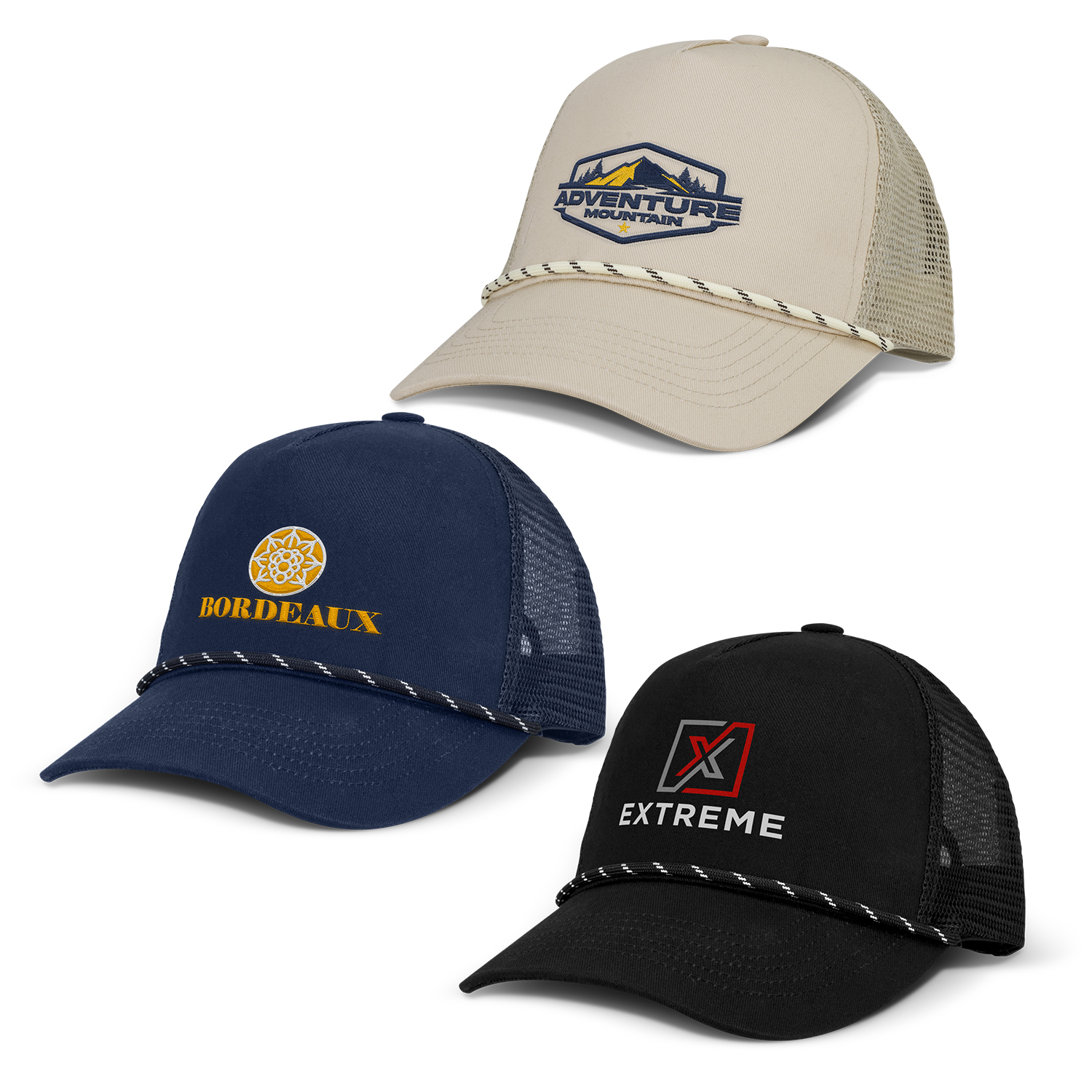
Caps with embroidery have a rich history that dates back centuries, evolving from simple head coverings to iconic fashion statements. At Express Promo, we appreciate the enduring appeal of embroidered caps and offer a diverse range of options to help businesses and individuals showcase their unique style.
- Embroidery, the art of decorating fabric with needle and thread, has been practiced for thousands of years across various cultures. Early examples of embroidered caps can be found in ancient civilizations such as Egypt, where elaborate head coverings adorned with intricate stitching were worn by royalty and nobility.
- In the Middle Ages, embroidery became more widespread, with caps embellished with religious symbols and motifs. Embroidered caps were also used to denote social status and affiliation, with different designs and colors representing various ranks and professions.
- During the Renaissance period, embroidery flourished as an art form, with caps becoming increasingly elaborate and ornate. Intricate patterns and delicate stitching techniques were used to create stunning works of wearable art that were highly prized by the elite.
- In the 19th century, the Industrial Revolution brought significant advancements in embroidery technology, making it more accessible to the masses. Embroidered caps became popular among workers and soldiers, who adorned their headwear with patriotic emblems and regimental insignia.
- The 20th century saw the rise of embroidered caps as a fashion statement, with iconic brands such as New Era and Adidas leading the way. Caps became synonymous with sports teams, musicians, and cultural movements, with embroidered logos and designs serving as badges of identity and belonging.
Today, caps with embroidery continue to be a popular choice for businesses, organizations, and individuals looking to make a statement.
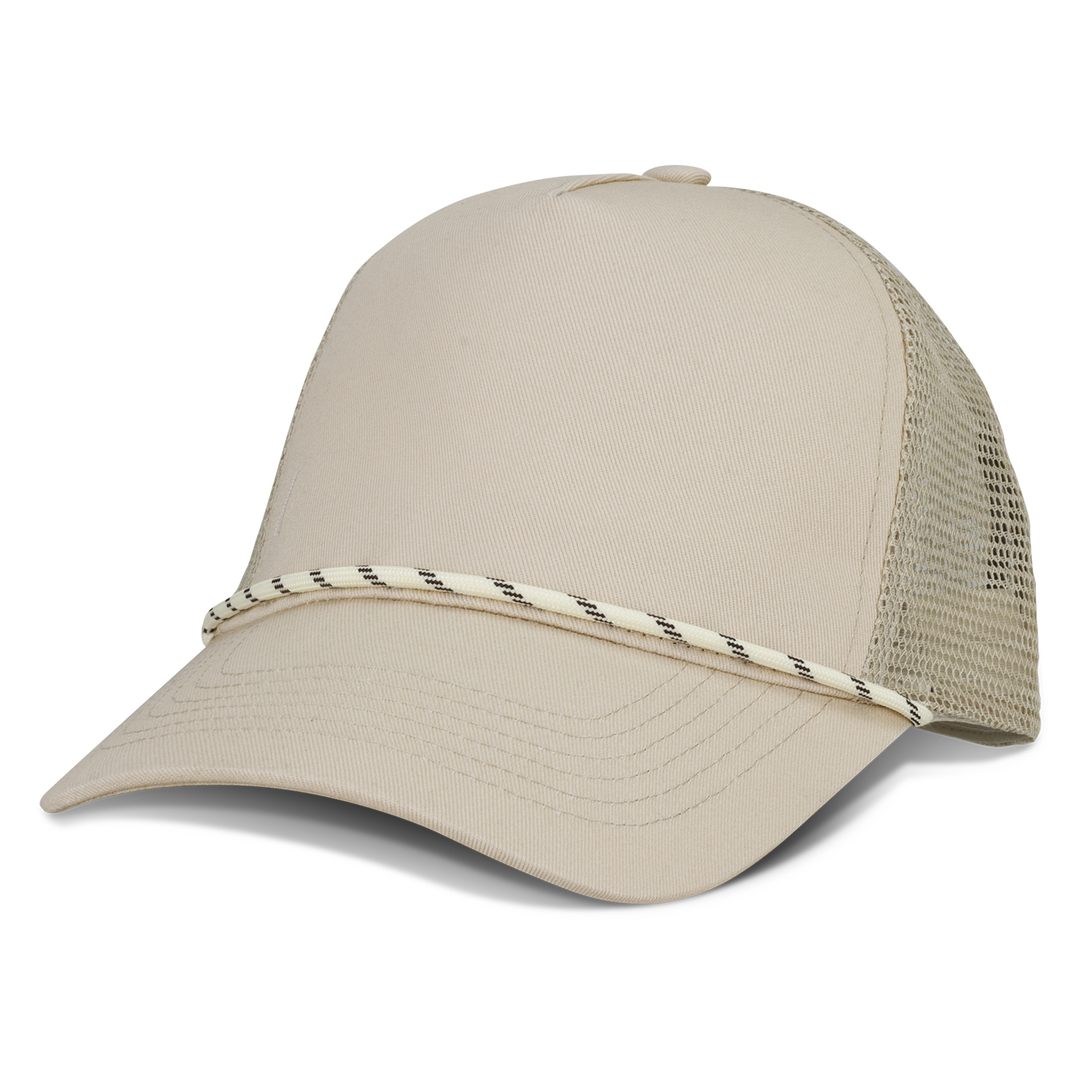
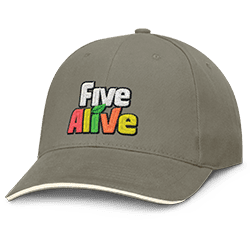
At Express Promo, we offer a wide range of caps in various styles, colors, and materials, all of which can be customized with high-quality embroidery.

Embroidered caps offer several benefits beyond their aesthetic appeal.
They provide a durable and long-lasting branding solution, ensuring that your logo or message remains visible for years to come. Additionally, embroidery adds a touch of professionalism and sophistication to any cap, making it ideal for corporate apparel, promotional giveaways, and team uniforms.

Express Promo takes pride in our commitment to quality and craftsmanship.
Our experienced team of designers and embroiderers works closely with each client to create custom caps that exceed expectations. Whether you’re looking to promote your business, support a cause, or simply express your personal style, our embroidered caps are sure to make a lasting impression.

Conclusion
In conclusion, caps with embroidery have a storied history that spans centuries, evolving from humble beginnings to become iconic symbols of style and identity. At Express Promo, we’re proud to carry on this tradition by offering high-quality embroidered caps that allow our customers to tell their own unique stories.