
















Product Spotlight
Reinforce Your Business Visibility with These Promotional Products in Australia
Promoting a business can be challenging. Often, you would have to create advertisements and promotional content and pay to have them aired or published, and this could be expensive for a small or medium-size business. However, there are other cost-effective ways that you can make your business known to more people, and that is by using the right promotional products in Australia. Even if you are using other promotional strategies, the following products can still help with your efforts to engage your customers, gain customer loyalty, boost sales and ROI, and save money in the long run.
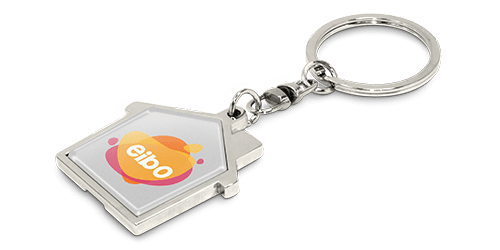
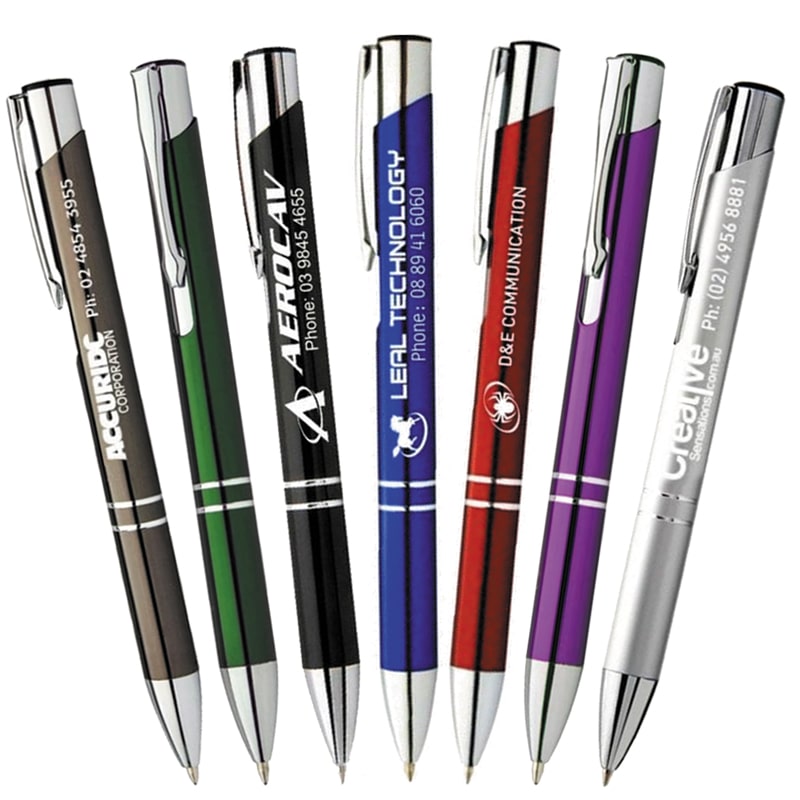
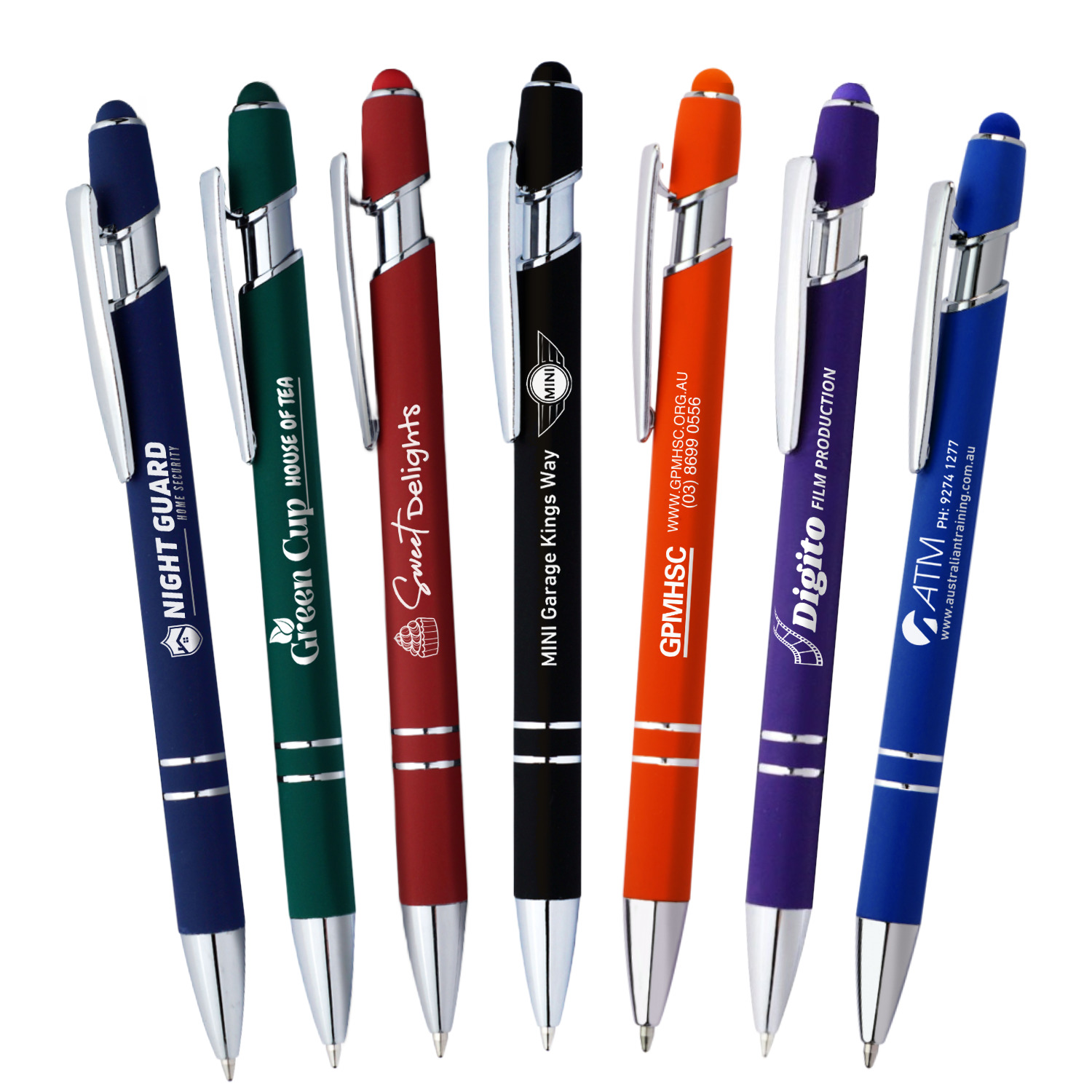
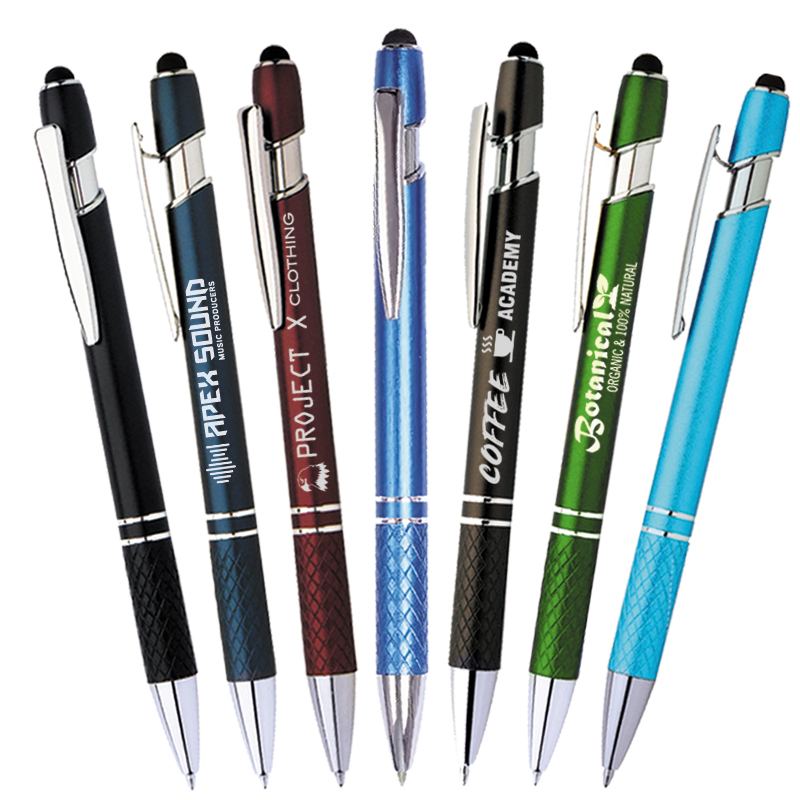
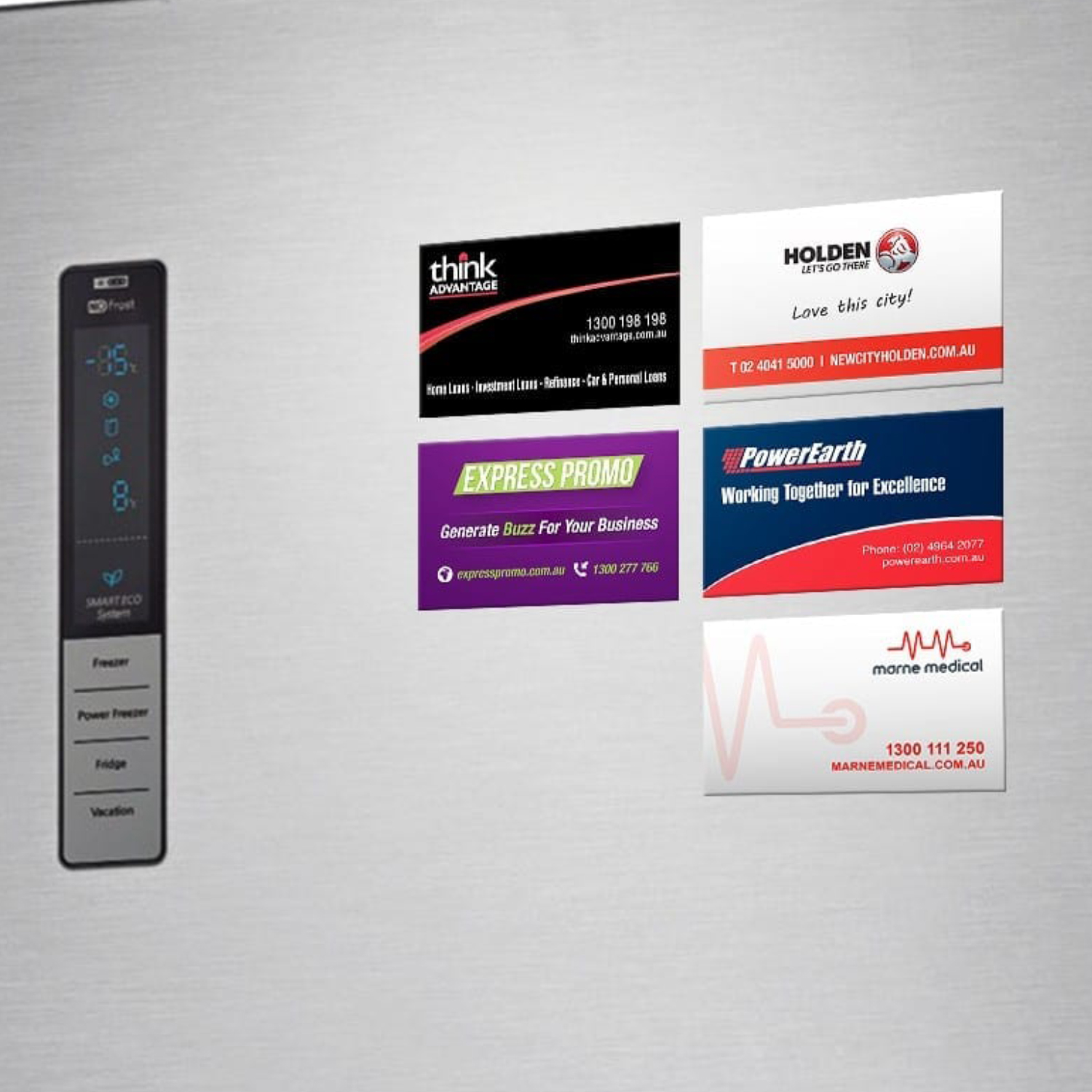
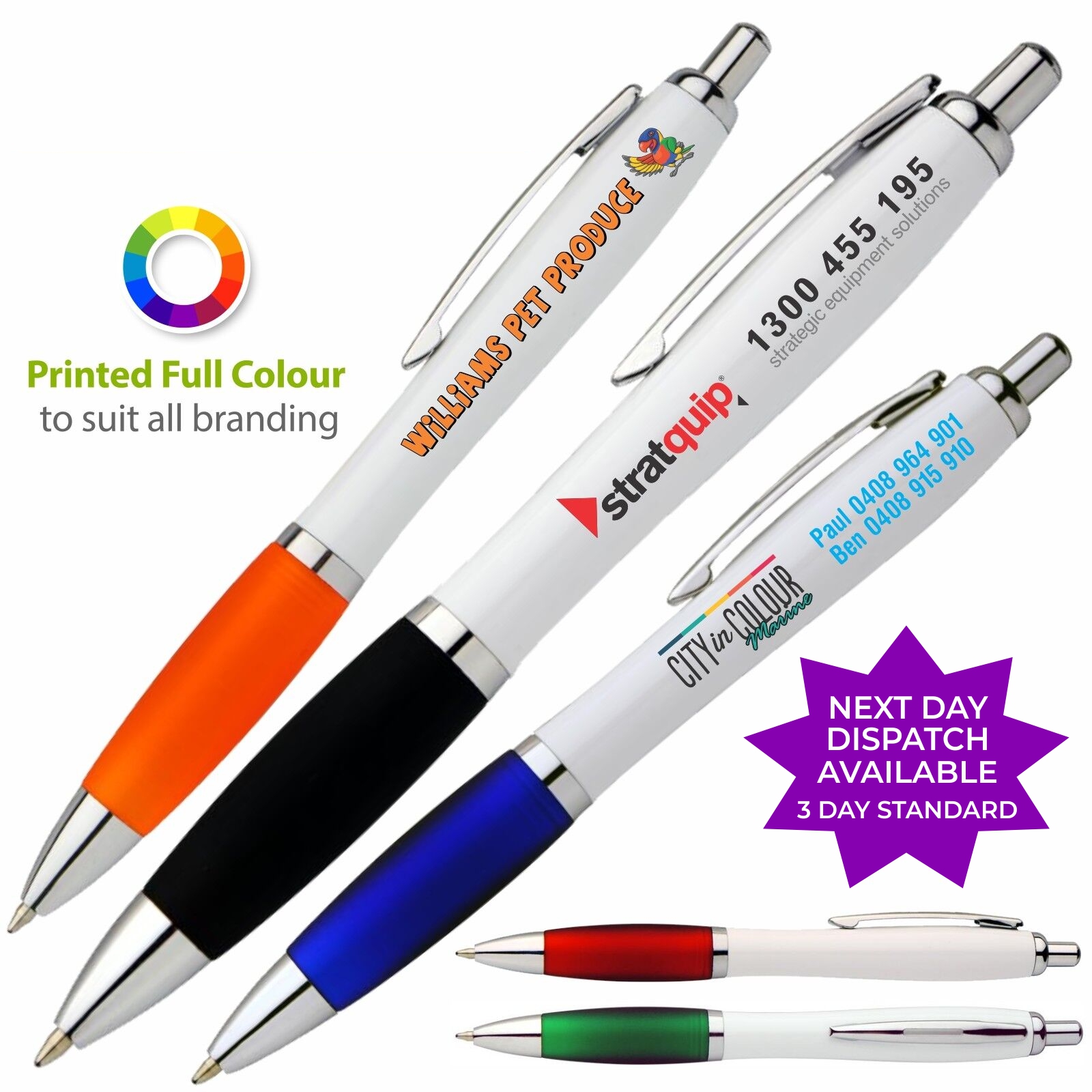
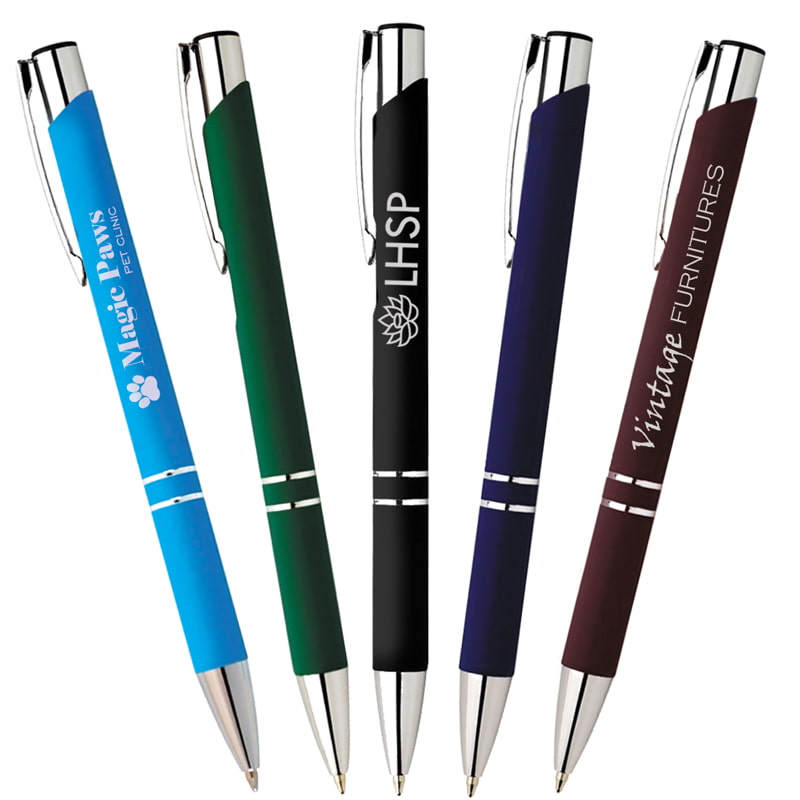
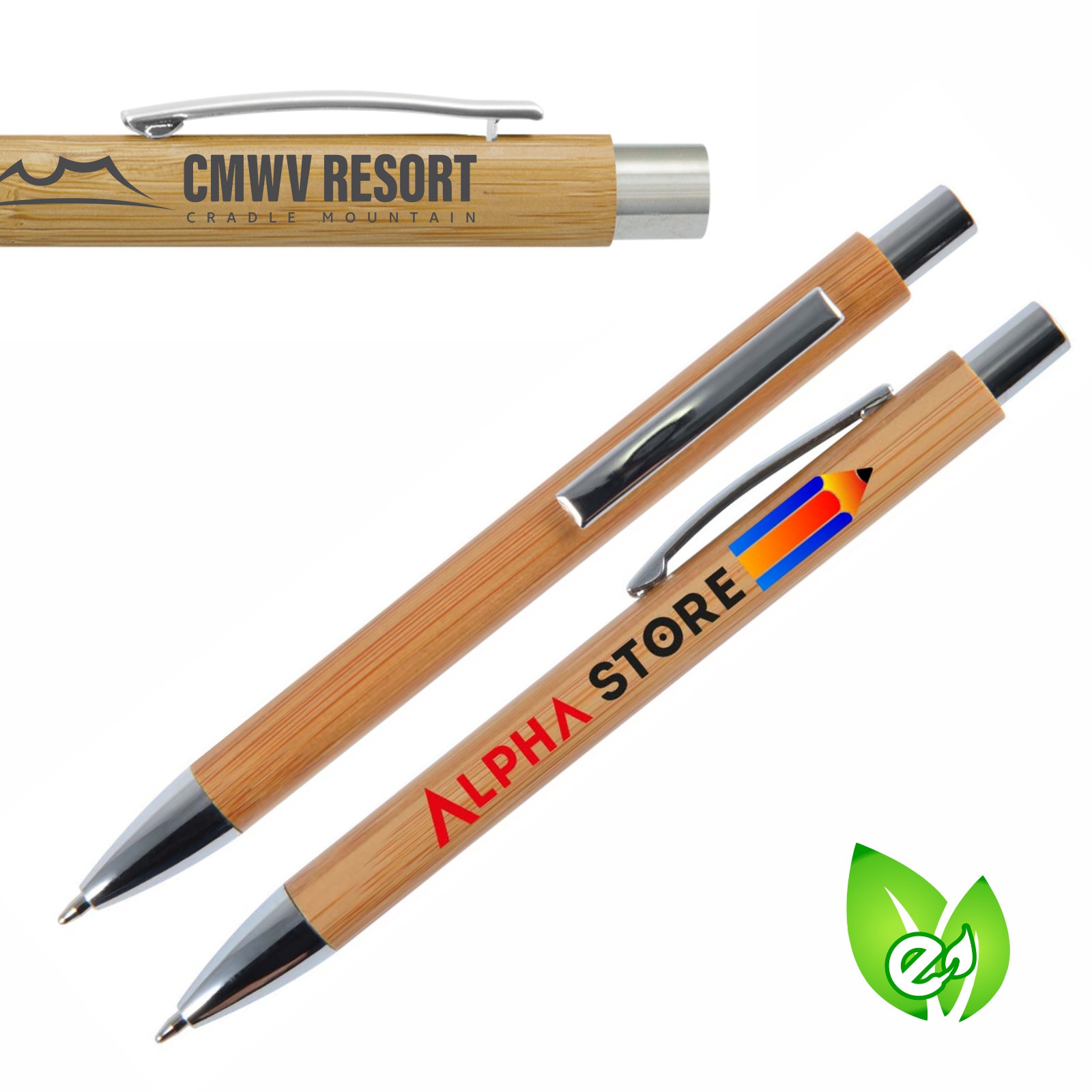
Custom keyrings are among the most proven and commonly used promotional products in Australia due to their low initial cost and their efficacy in keeping the brand in the minds of every customer. They come in many styles and designs, so you should be able to find keyrings that can represent the identity of your business, while carrying its name or brand and logo. Promotional pens, fridge magnets, and bottle openers are cost-effective products, too, and just like with keyrings, you can get them in many different styles, and have them customised in various ways, like by engraving.
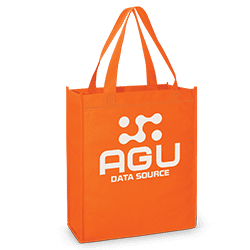
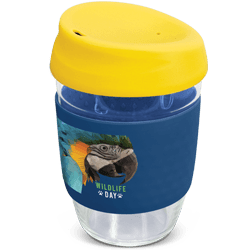
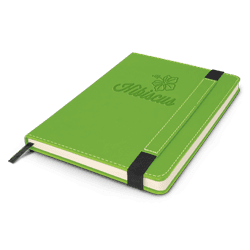
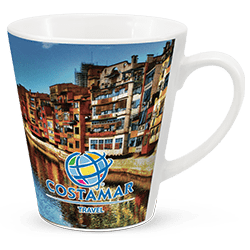
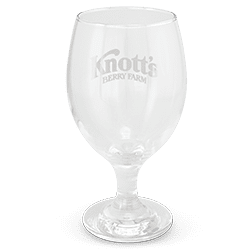
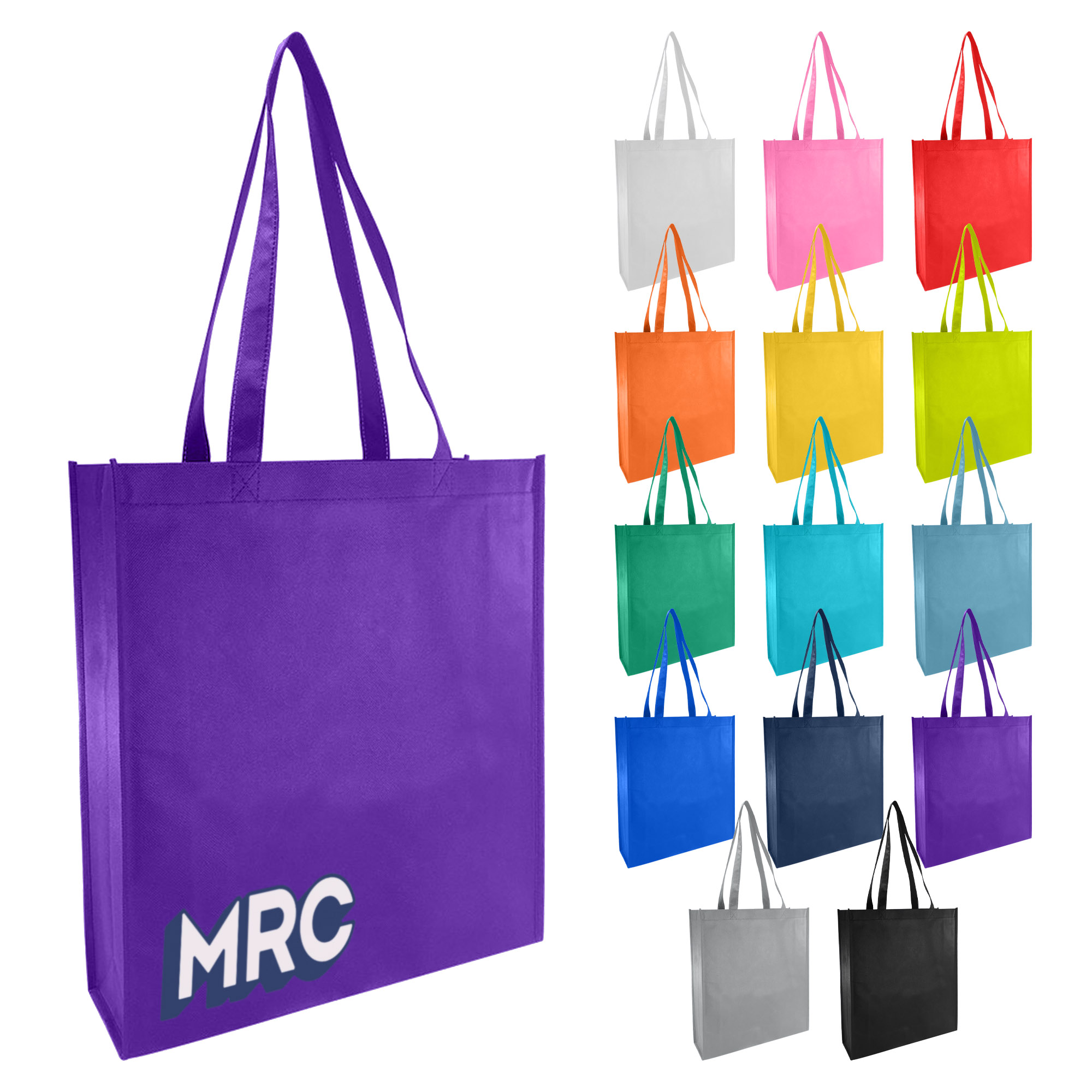
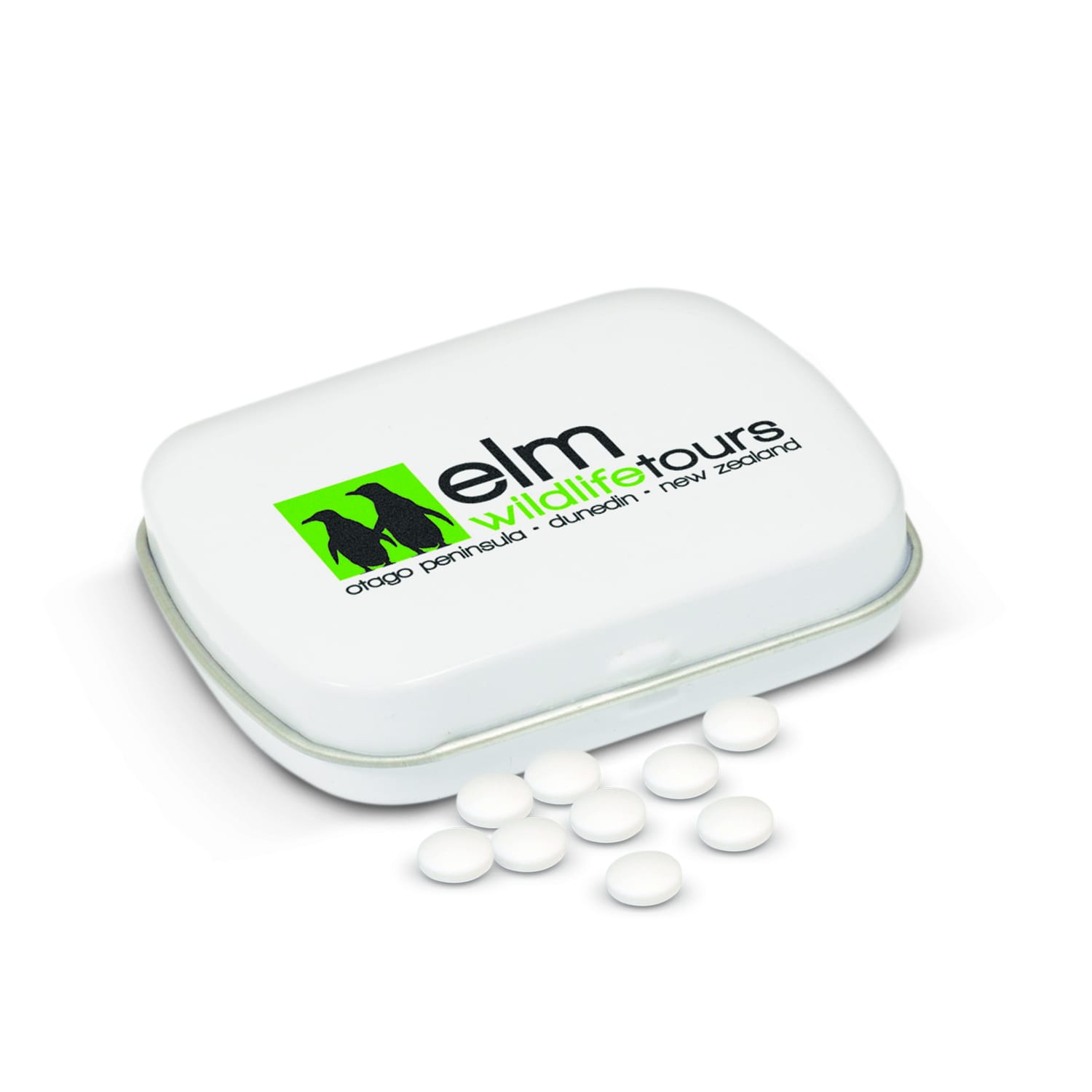
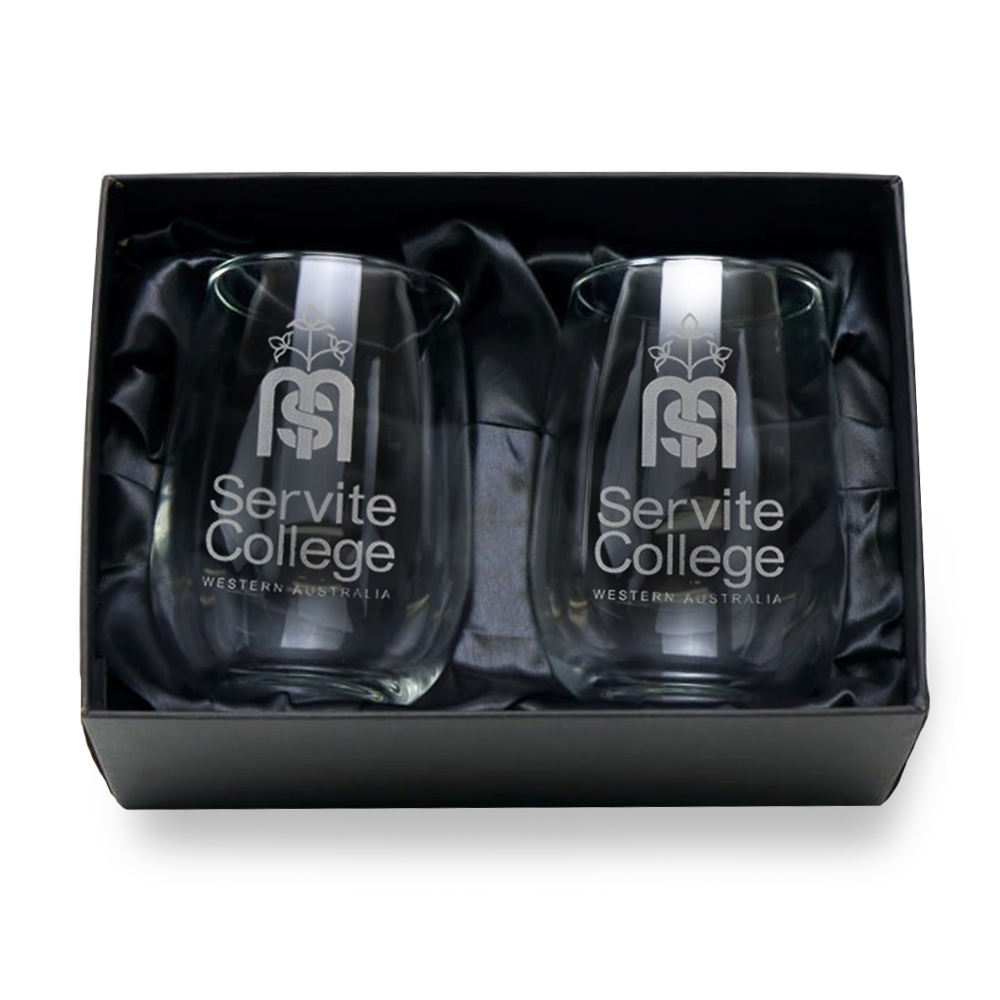
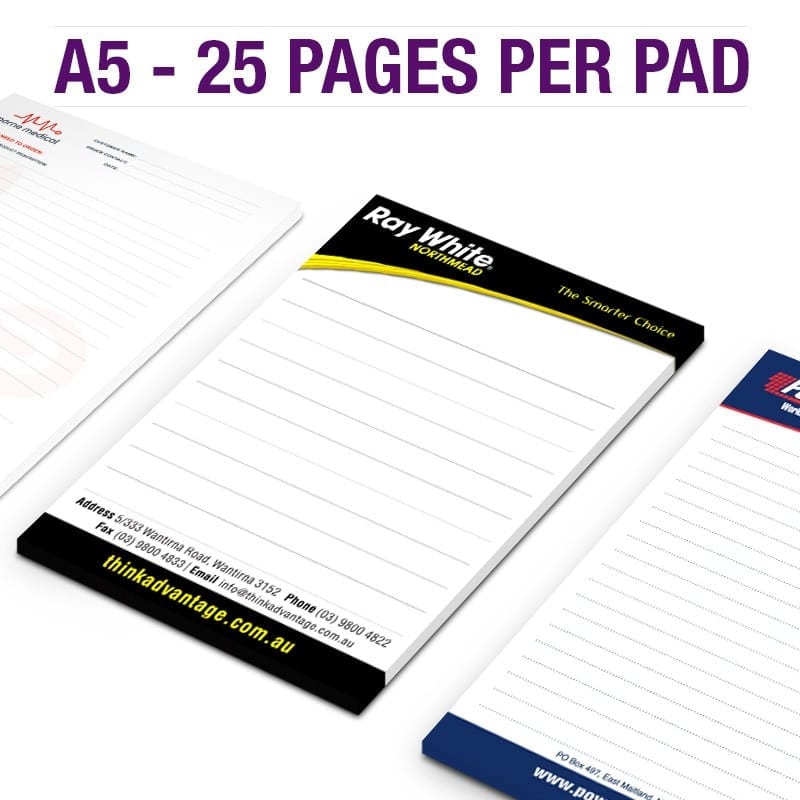
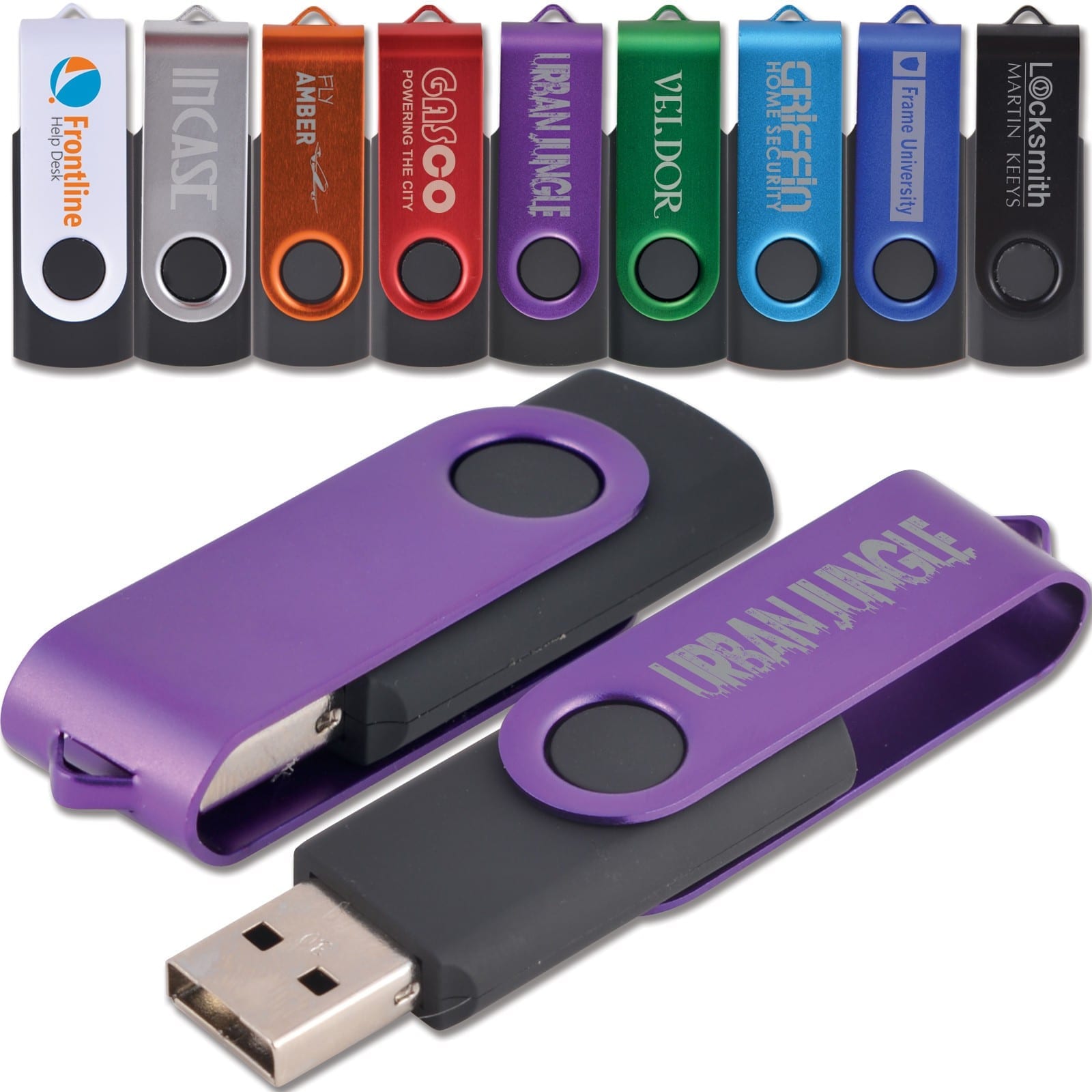
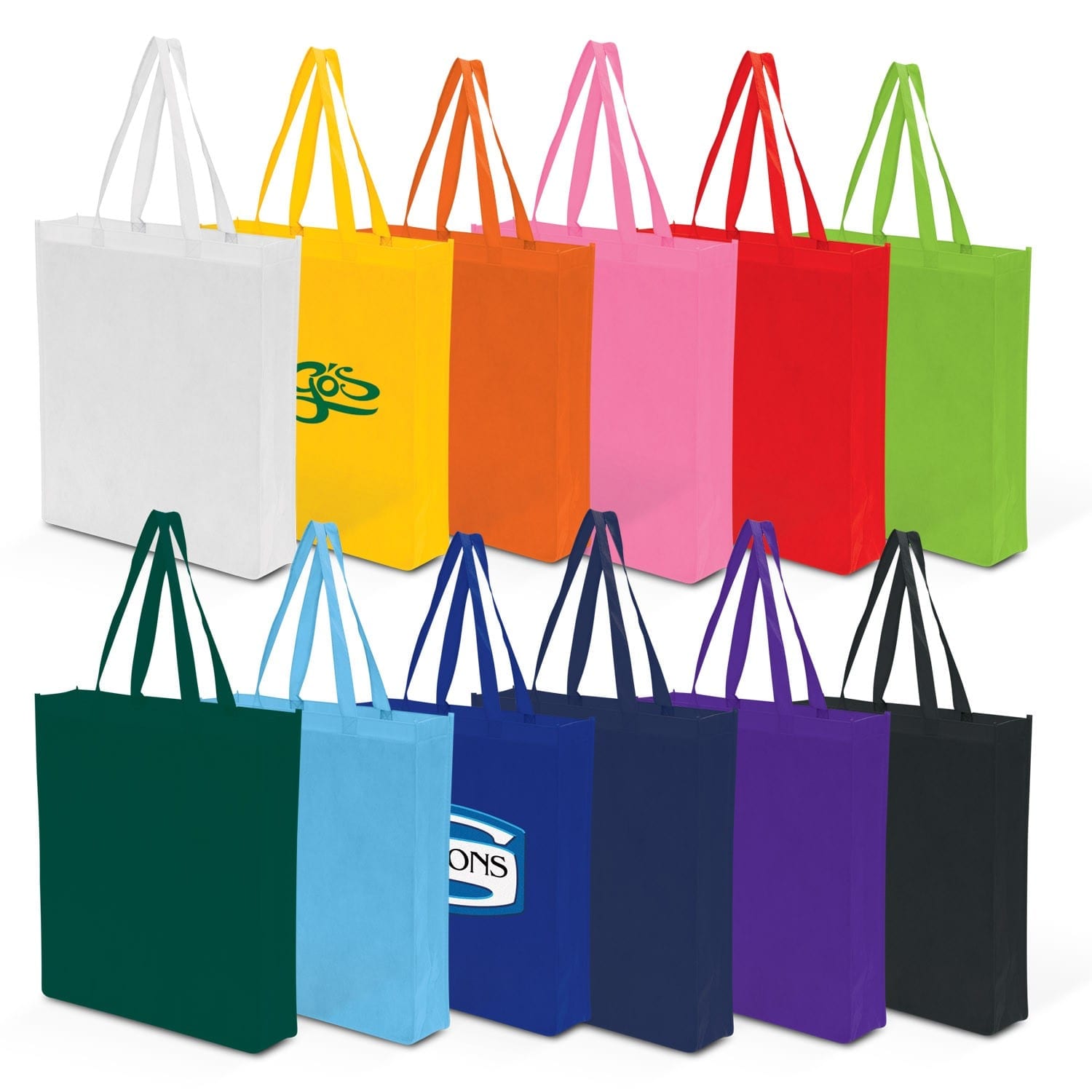
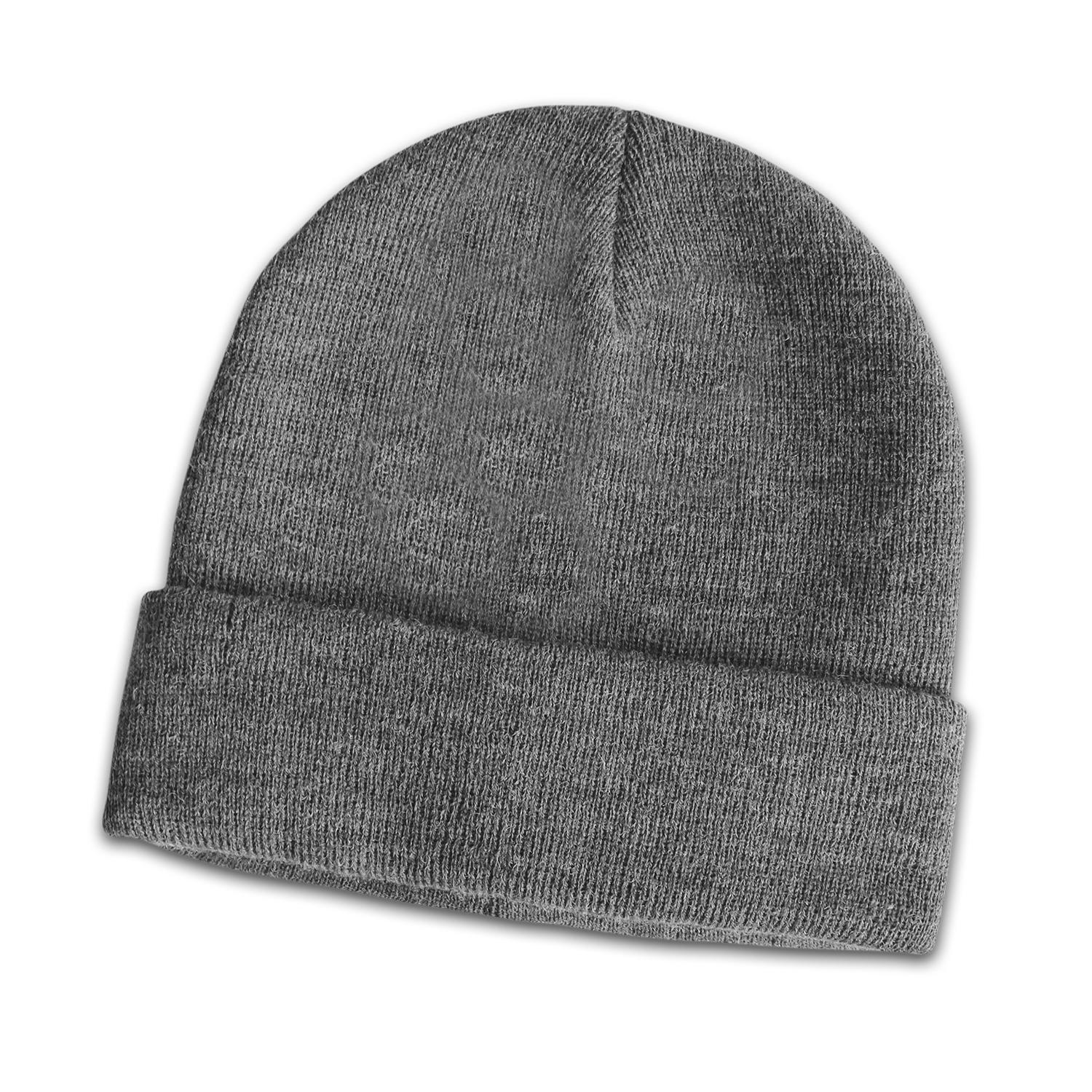
Some promotional products in Australia can include your contact details, too, especially if you want your prospective customers to know how to get in touch with you. This strategy is best reserved for items with a bigger surface area to accommodate those details, such as promotional notebooks or notepads, pencil tubes, and bags. If you want to stand out further, there are newer and more interesting promotional products you can consider in Australia, such as sunglasses, flashlights, USB flash drives, stubby holders, glassware, eco-friendly reusable tote bags, hats, umbrellas, and jelly beans.
Regardless of the promotional products in Australia, you will choose for your campaign, make sure that it is produced by a reputable manufacturer that has an excellent track record in creating high-quality custom products.