
















Product Spotlight, Promotional Products
Points To Keep In Mind While Choosing Personalised Wine Glasses As A Gift

Points To Keep In Mind While Choosing Personalised Wine Glasses As A Gift
Personalised wine glasses are an excellent gift idea for any occasion. Whether it’s a wedding, birthday, or corporate event, these glasses can add a touch of class and personalisation to the gift. But with so many options available, it can be challenging to choose the right one.
Here are some points to keep in mind while choosing personalised glasses as a gift.
-
Firstly, consider the type of glass you want to gift.
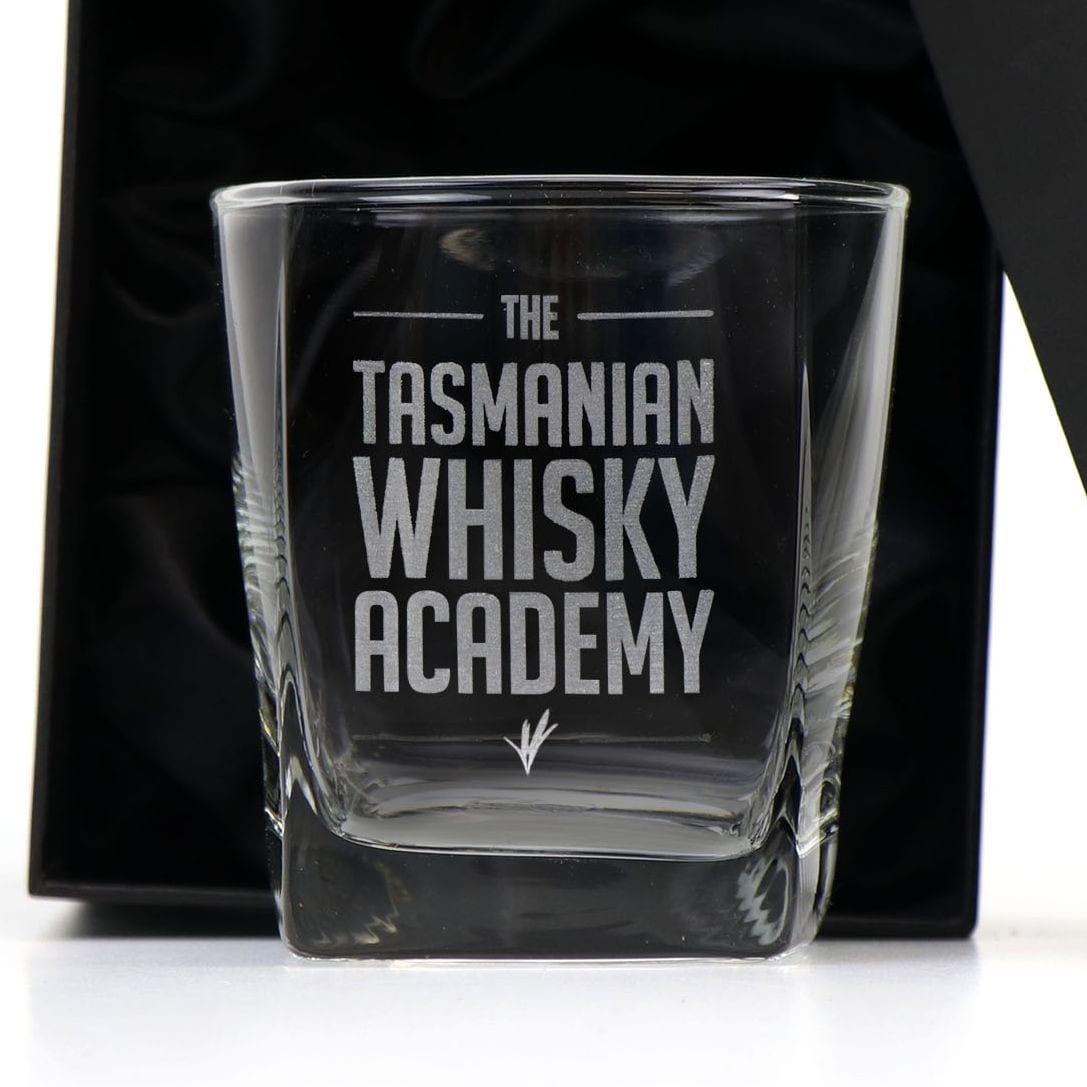
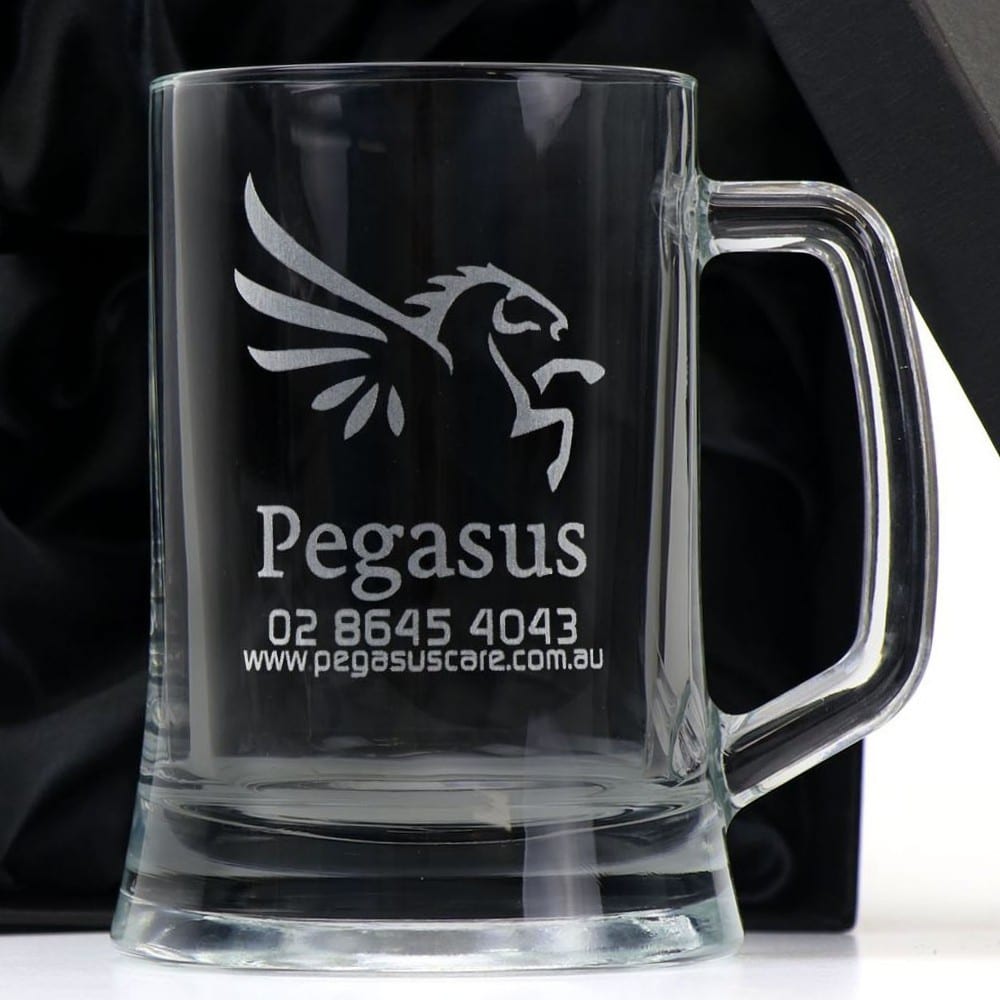
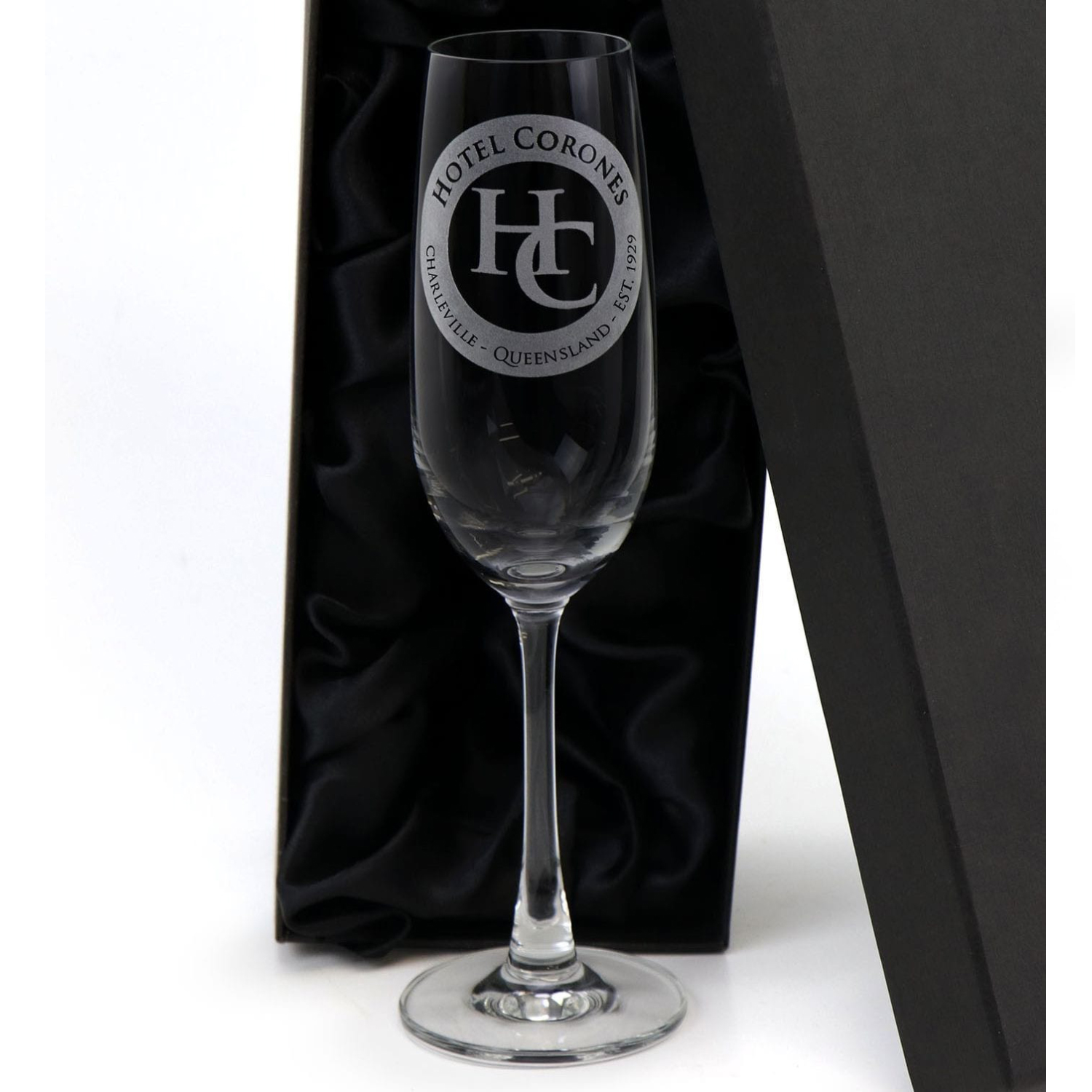
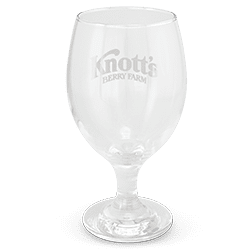
There are several options, including schooner glasses, wine glasses, champagne glasses, scotch glasses, glass beer mugs, and glassware gift packs. Each type of glass has its unique shape, size and material, so choose one that suits the occasion.

-
When personalising the wine glasses, consider the design and style you want to include.
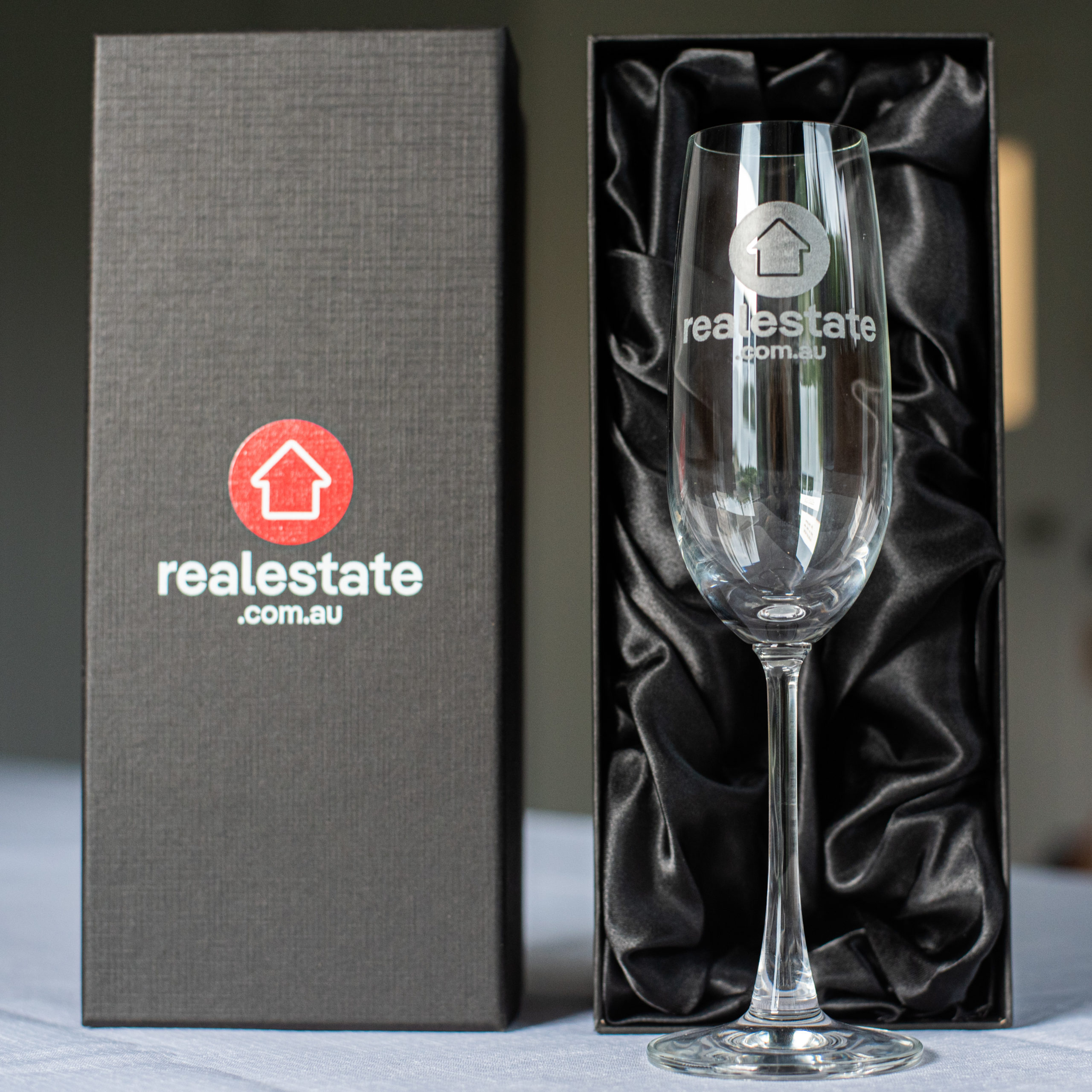
You can choose from a range of fonts, colours, and graphics to add a personal touch. Your business logo or event details can also be engraved onto the glasses.

-
It’s also essential to consider the quality of the personalised wine glasses.
Cheaper glasses may seem like a good deal, but they can break easily, and the print may not be of high quality. It’s worth investing in a good quality glass that will last for years to come.
-
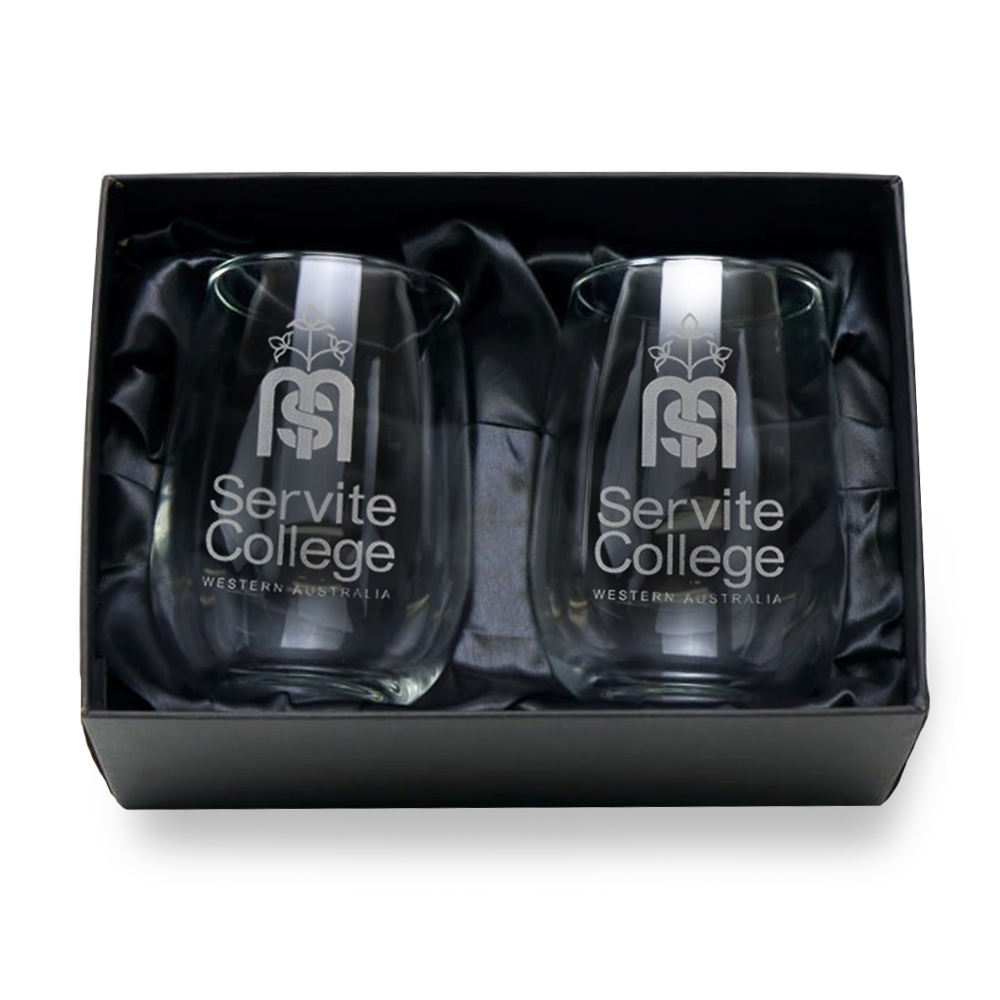
Finally, consider the packaging of the personalised wine glasses.
Presentation is key, so choose packaging that matches the occasion. You can choose to include our silk-lined gift boxes.

At Express Promo, we offer a range of personalised wine glasses perfect for any occasion.
Our glasses are made from high-quality materials and can be customised to suit your needs. With a range of styles and designs, you’re sure to find the perfect gift for your next event.
Conclusion
In conclusion, personalised wine glasses are an excellent gift idea for any occasion, but it’s important to choose the right one.Consider the type of glass, material, design, quality, and packaging before making a purchase.
At Express Promo, we offer a range of high-quality personalised wine glasses perfect for any occasion. Contact us today to find out more.