
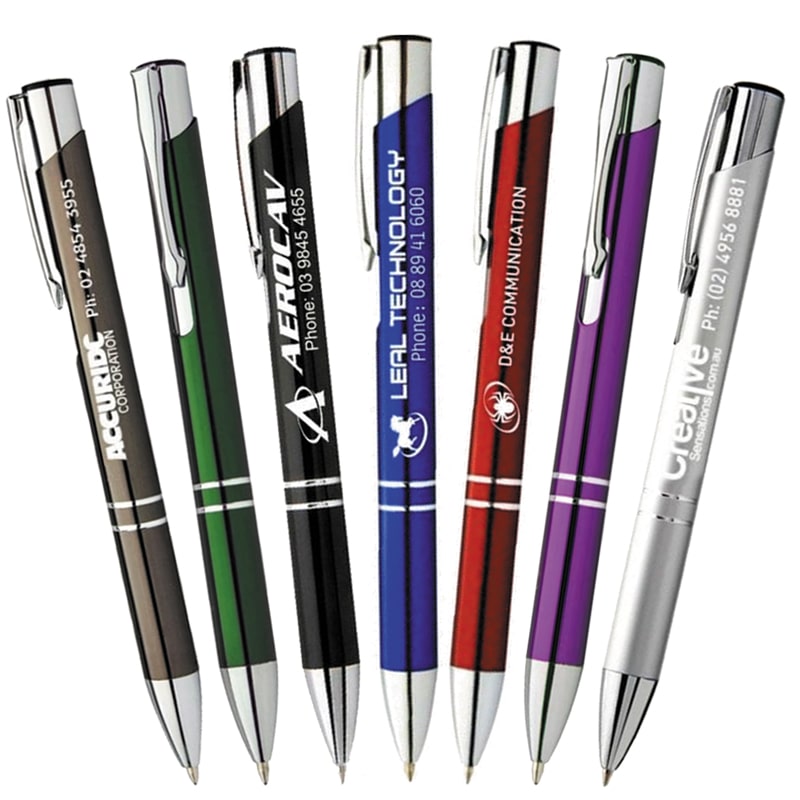
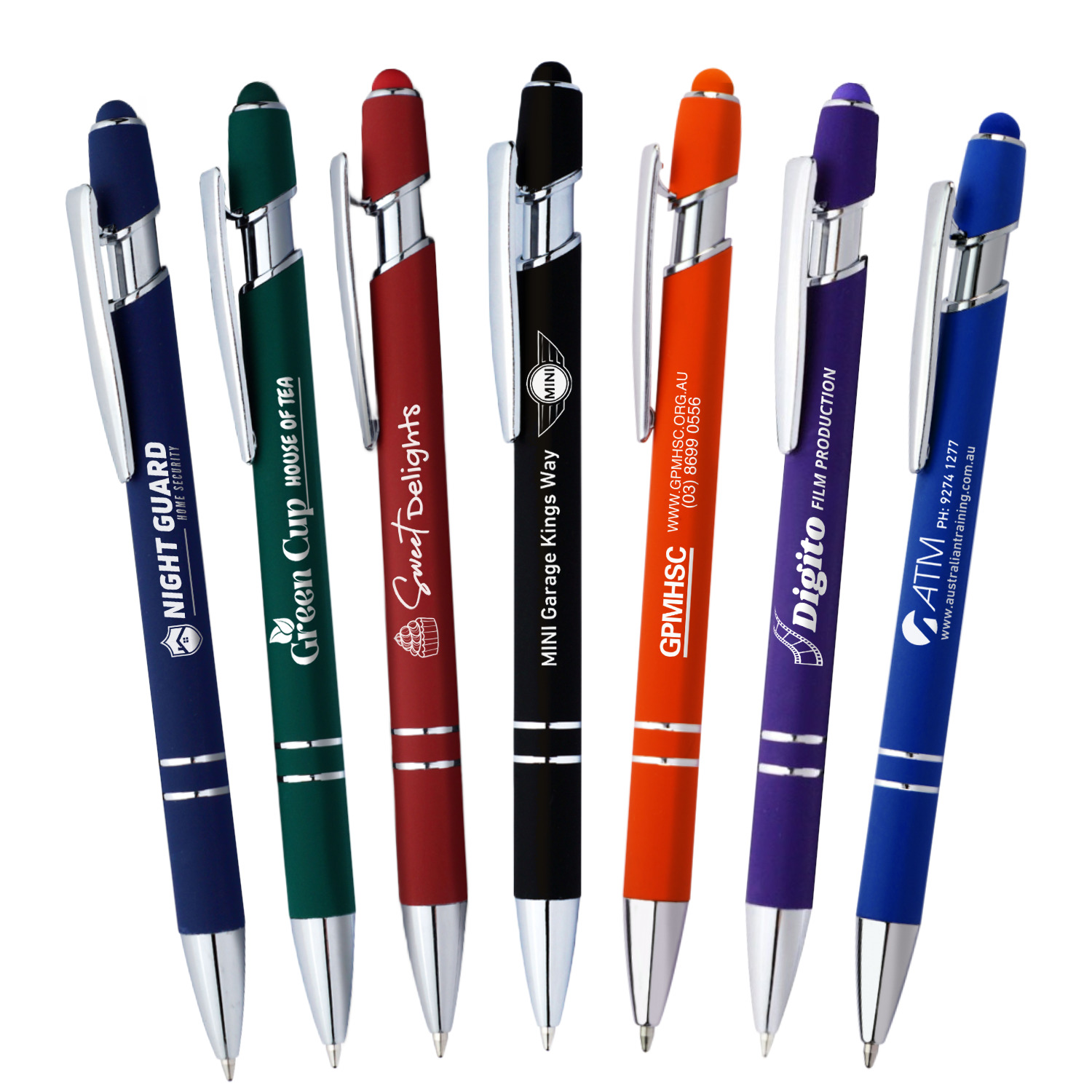
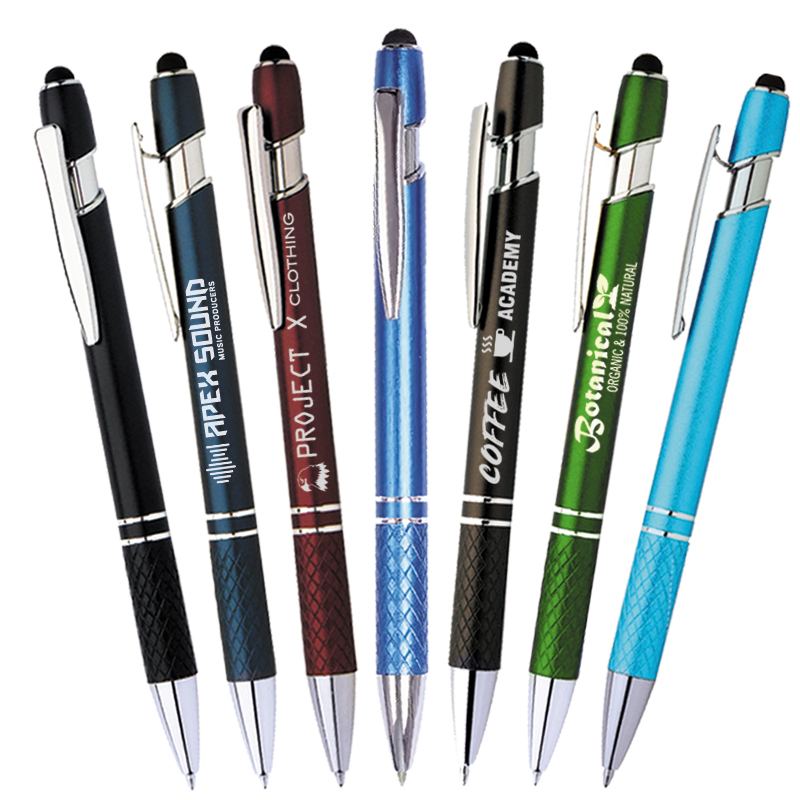
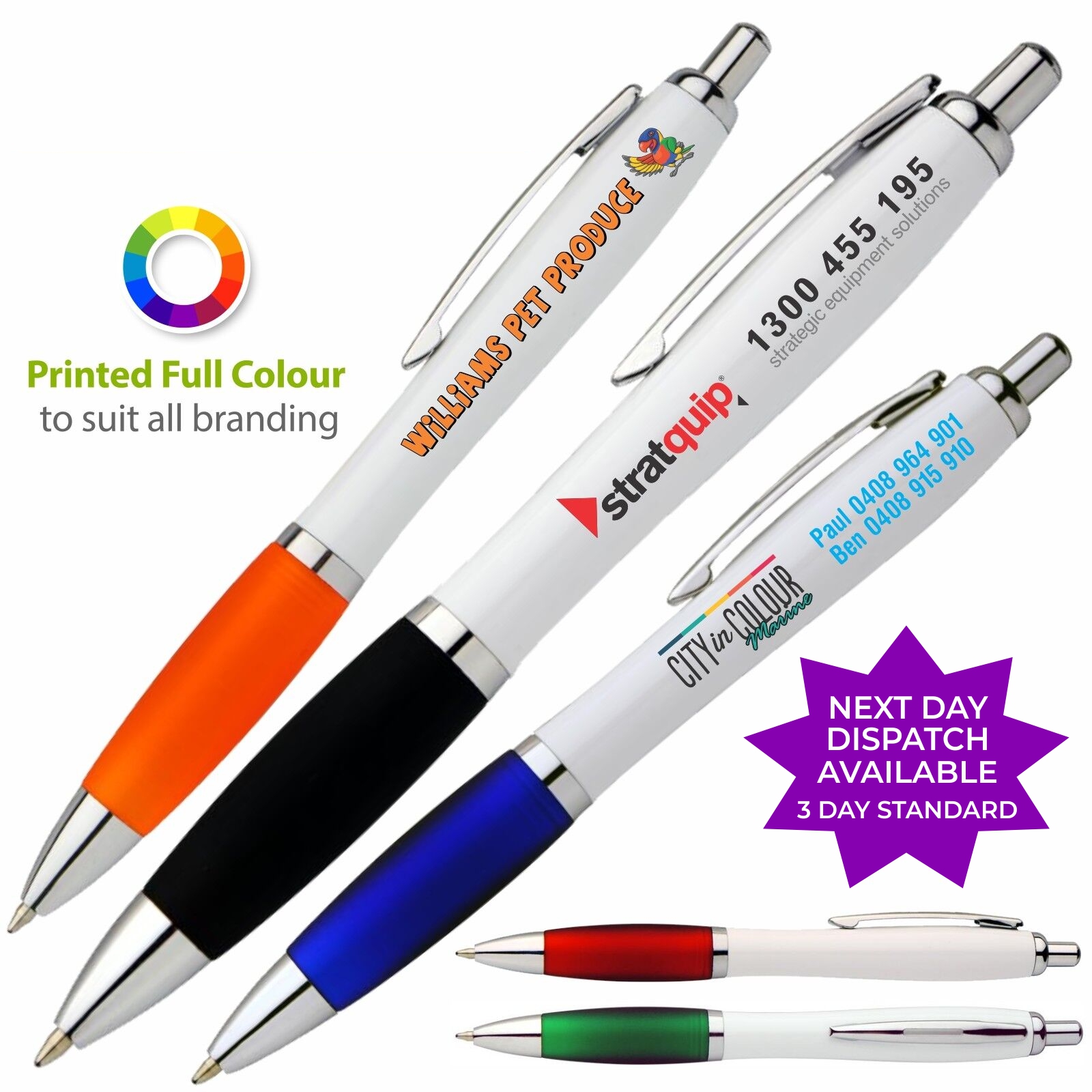
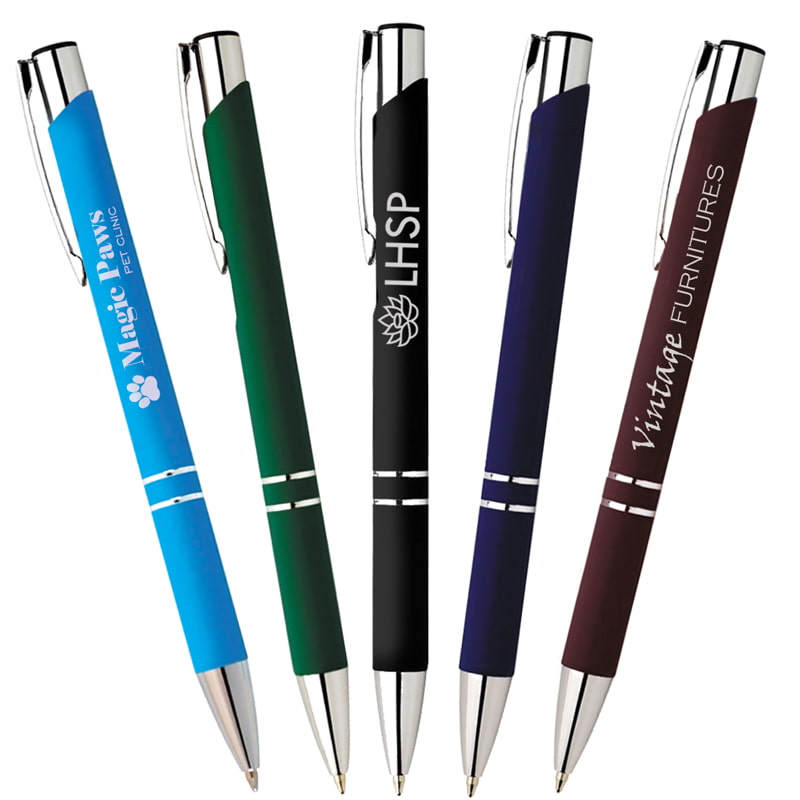
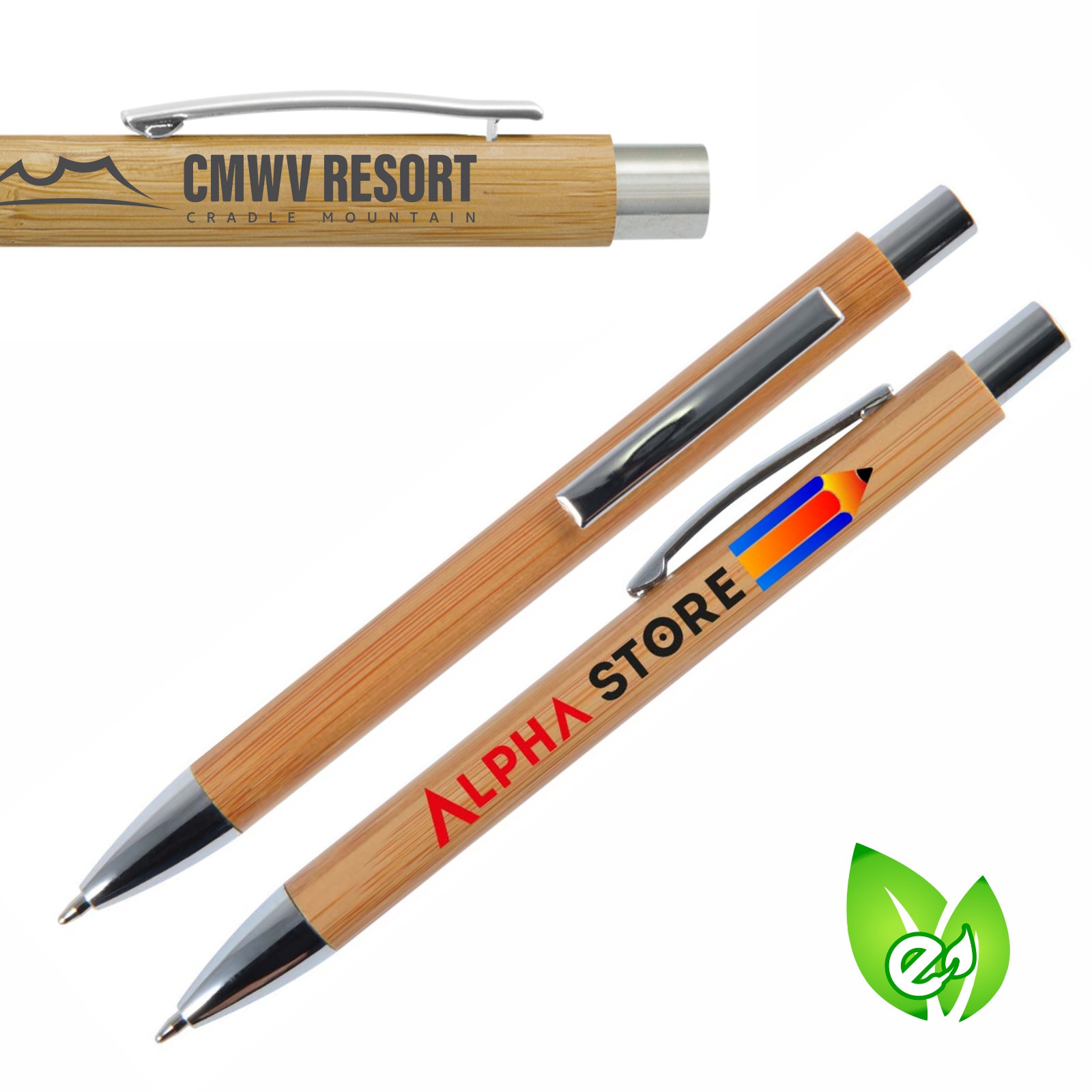
Branded pens may not seem like the finest or most luxurious promotional or corporate gifts to give to your consumers and clients. Nevertheless, they have been proven effective time and again, and are considered the best tangible promotional product by the most experienced marketers.
- They work for anyone
Students, professionals, moms, dads, seniors—no one will refuse a free pen, even if it is branded with a logo and contact number. It’s extremely useful for signing papers, writing grocery lists, drawing, writing, etc. According to a survey, promotional pens are used by consumers and average of 18.2 times per month. The high usability of branded pens is the number one reason they are the all-time favourite promotional items of almost any business, from small to large companies.
- They serve as your business card
You can print all the necessary contact details of your company on your branded pens. A simple and small pen can be transformed into a powerful promotional tool. Unlike paper business cards, branded pens are never kept untouched and forgotten in the wallets. Whenever a potential client or customer uses your branded pen, he or she is reminded of your business and your brand.
- They let you reach wider audiences
A branded pen is one of the few promotional items that are frequently shared. As branded pens are passed by person to person, your exposure reaches a wider audience. Your company will benefit from having extra exposure and free advertisement.
- They are traditional
Branded pens, especially customised ones, are beautiful corporate gifts for your existing and potential business clients. They are also failsafe gifts for employees and staff when celebrating anniversaries or special occasions. Branded pens are traditional corporate gifts that never go out of style simply because they are useful and practical.


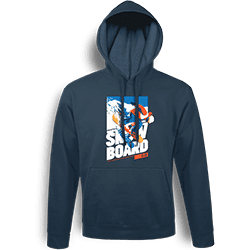
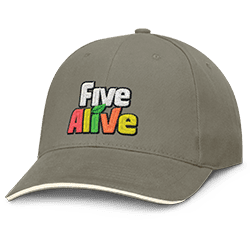




Colourflex transfers are a CMYK+W digital print process, used for branding apparel and fabrics.
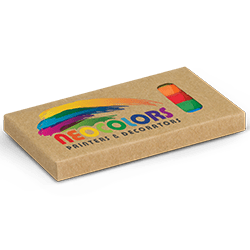
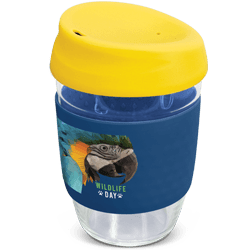
Direct to product digital printing involves the transfer of ink directly from the print heads of an inkjet machine to the product and can be used to produce both spot colour and full colour branding on flat or slightly curved surfaces.
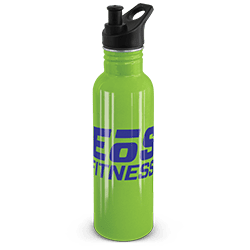
Screen printing is achieved by forcing ink through a fine mesh screen with a squeegee onto the product and is ideal for branding flat or cylindrical objects.
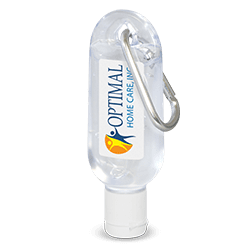
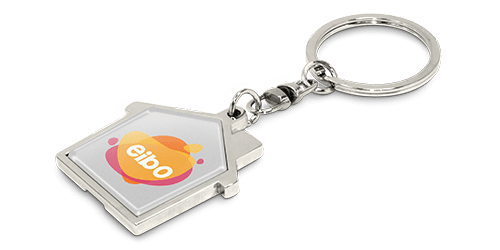
Resin coated finish is produced by printing the artwork onto a vinyl material with strong adhesive on the reverse. The branded area is coated with a crystal clear resin which is allowed to dry. Once dry, the finished decal is applied to the product and the adhesive forms a permanent bond.
Screen printing is achieved by forcing ink through a fine mesh screen with a squeegee onto the product and is ideal for branding flat or cylindrical objects.
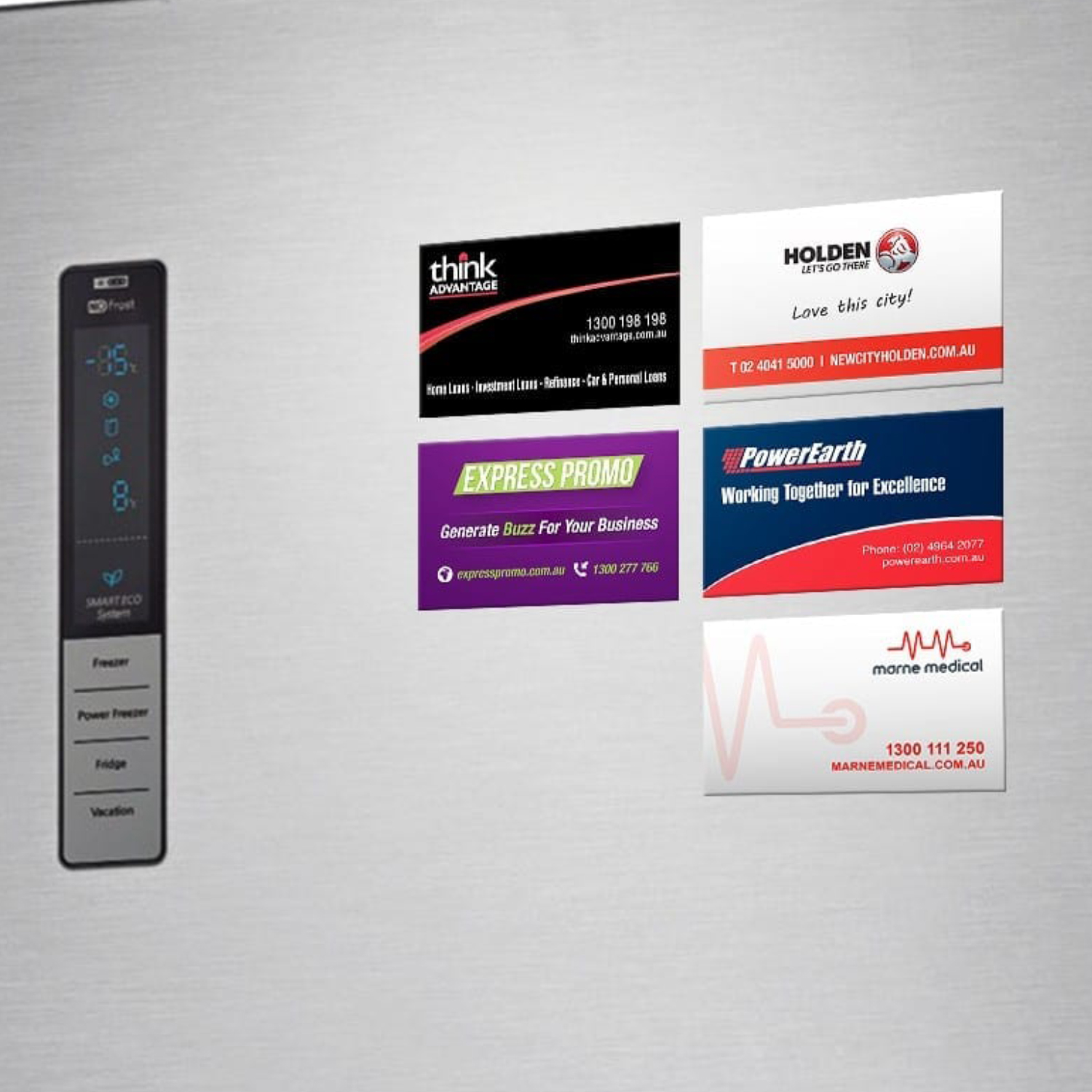
This production method is used for printing media such as paper, vinyl and magnetic material used in the manufacture of labels, badges and fridge magnets etc.
Direct to product rotary digital printing involves the transfer of UV ink directly from inkjet print heads and can be used to produce both spot colour and full colour branding.
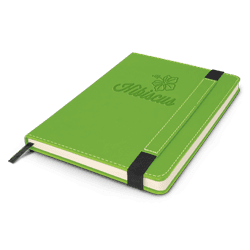
Debossing is produced by pressing a hot engraved metal plate into the surface of a product with a lot of pressure. This produces a permanent image below the surface of the product. Some products offer thermo debossing, which creates a stunning two-tone finish.
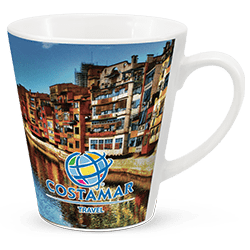
Sublimation print is used for branding products that have a special coating on them or fabrics suitable for the sublimation process. A transfer is produced by printing sublimation ink onto transfer paper and then heat pressing it onto the product.
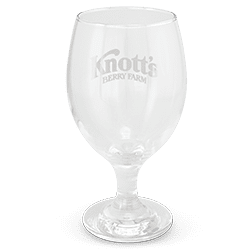
Imitation etch is a special pad printing ink used for producing an etch like effect on glass products.
Pad printing uses a silicone pad to transfer an image to a product from a laser etched printing plate. It is one of the most popular and affordable ways of branding promotional products due to its ability to reproduce images on uneven or curved products and print multiple colours in a single pass.