
















Product Spotlight
Get Your Hands on Cheap Promotional Products for More Business
You can never go wrong with promotional products if you want a cost-effective way to reach out to potential customers and keep existing customers loyal to your brand. They can be cheaper in the long run, too, compared to when paying for TV, radio, or print advertisements. However, you need to be careful when considering cheap promotional products, as some ‘cheap’ items are not necessarily the highest-quality. So, here are some tips to help you get your hands on inexpensive yet practical and resilient promotional products that will increase engagement and Sales:
- Look up established and trustworthy providers – Consider an experienced supplier of promotional products that have been around for years. Usually, the year in business is a good indicator of a company’s trustworthiness and dependability; otherwise, it would not have lasted that long.
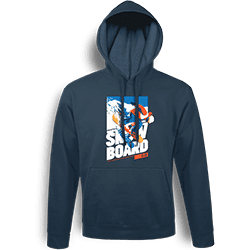
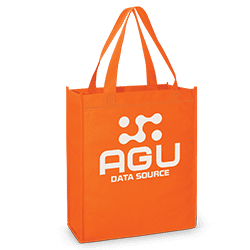
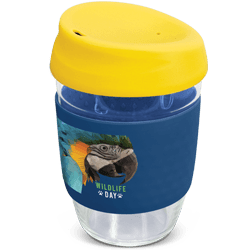
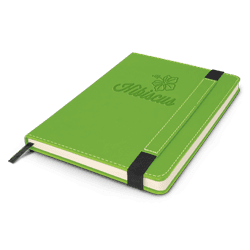
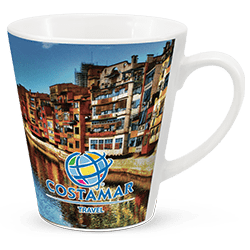
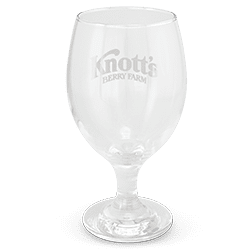
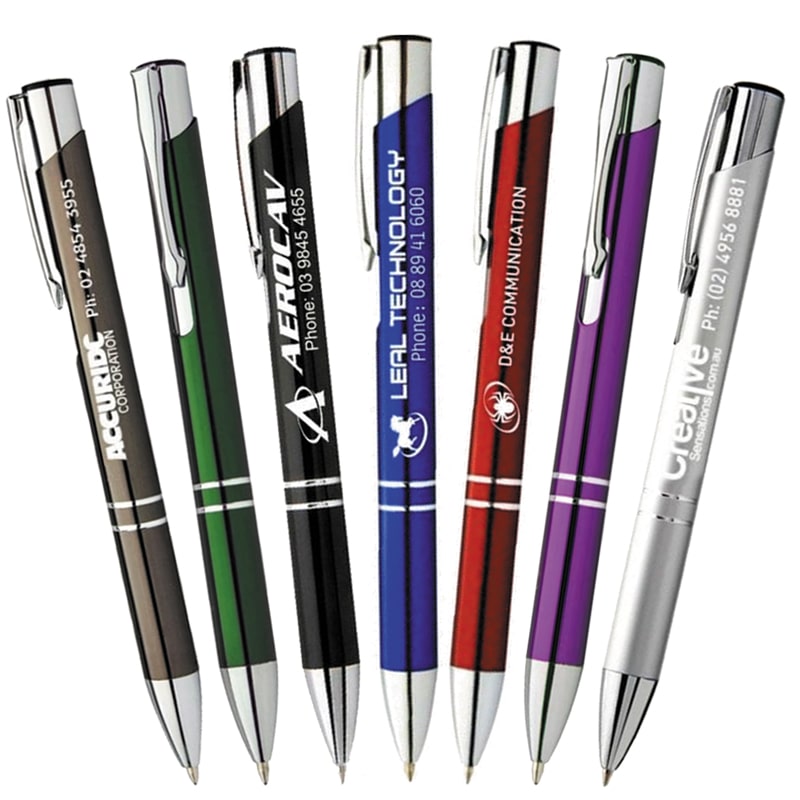
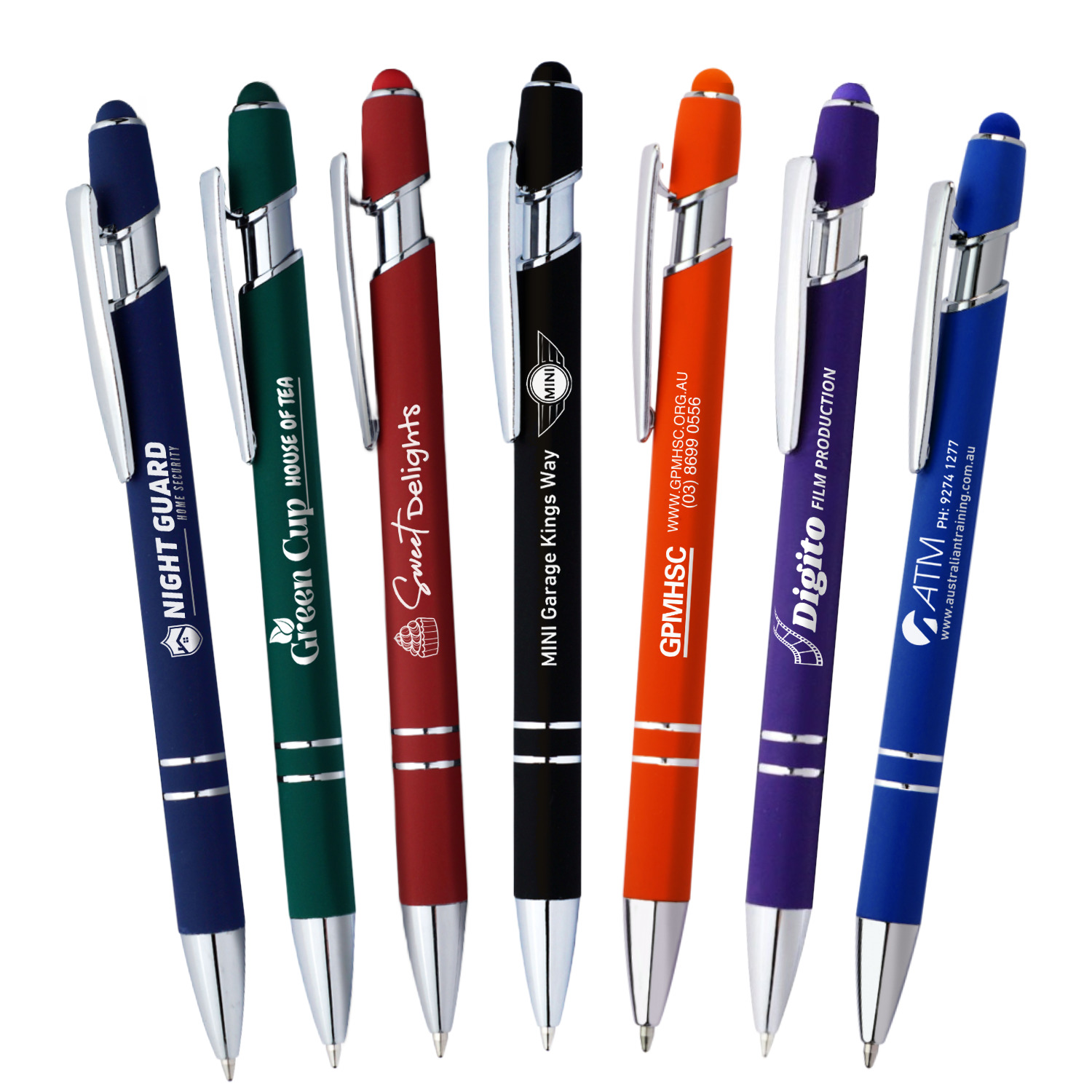
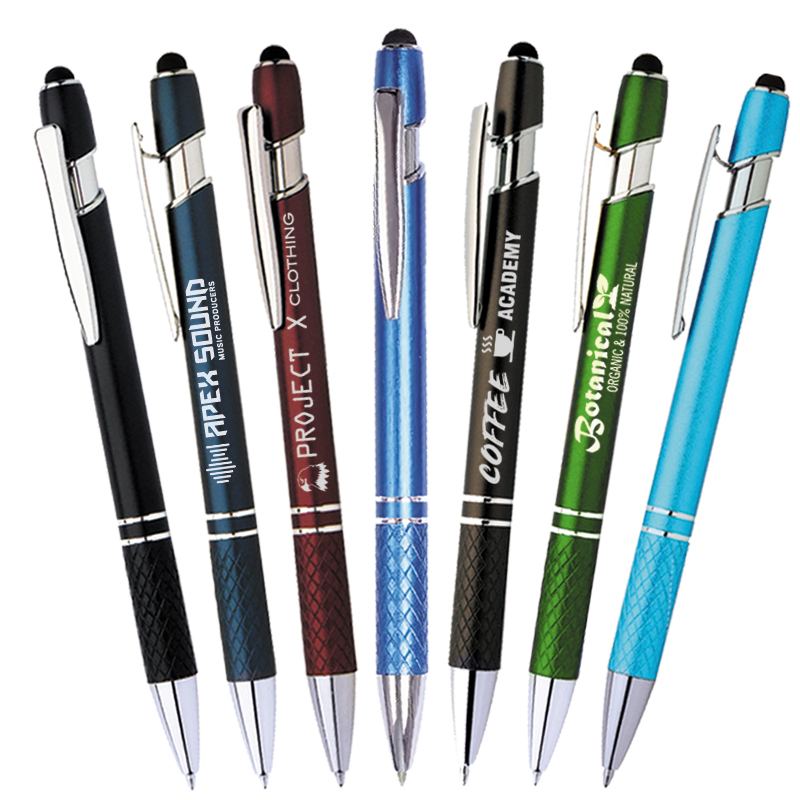
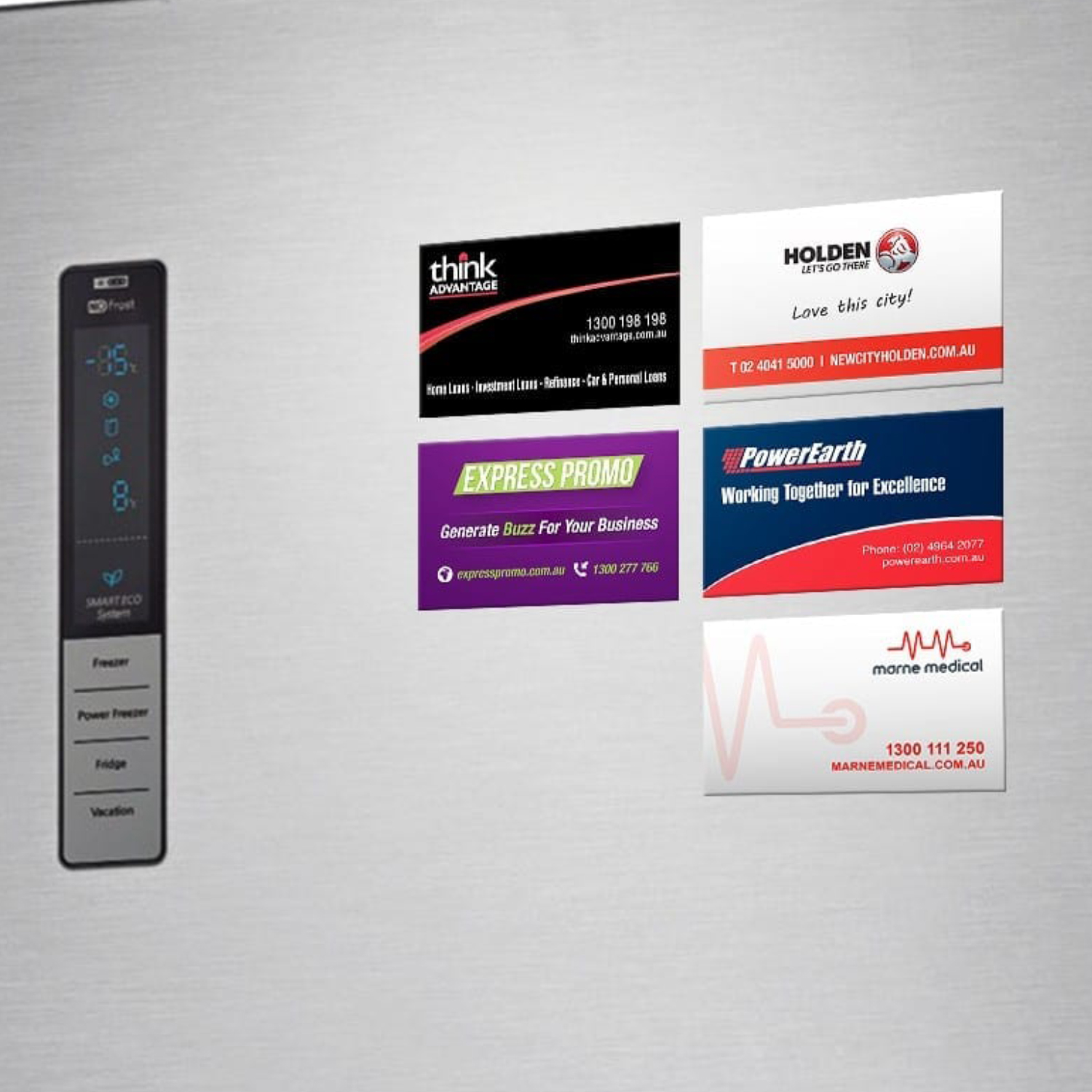
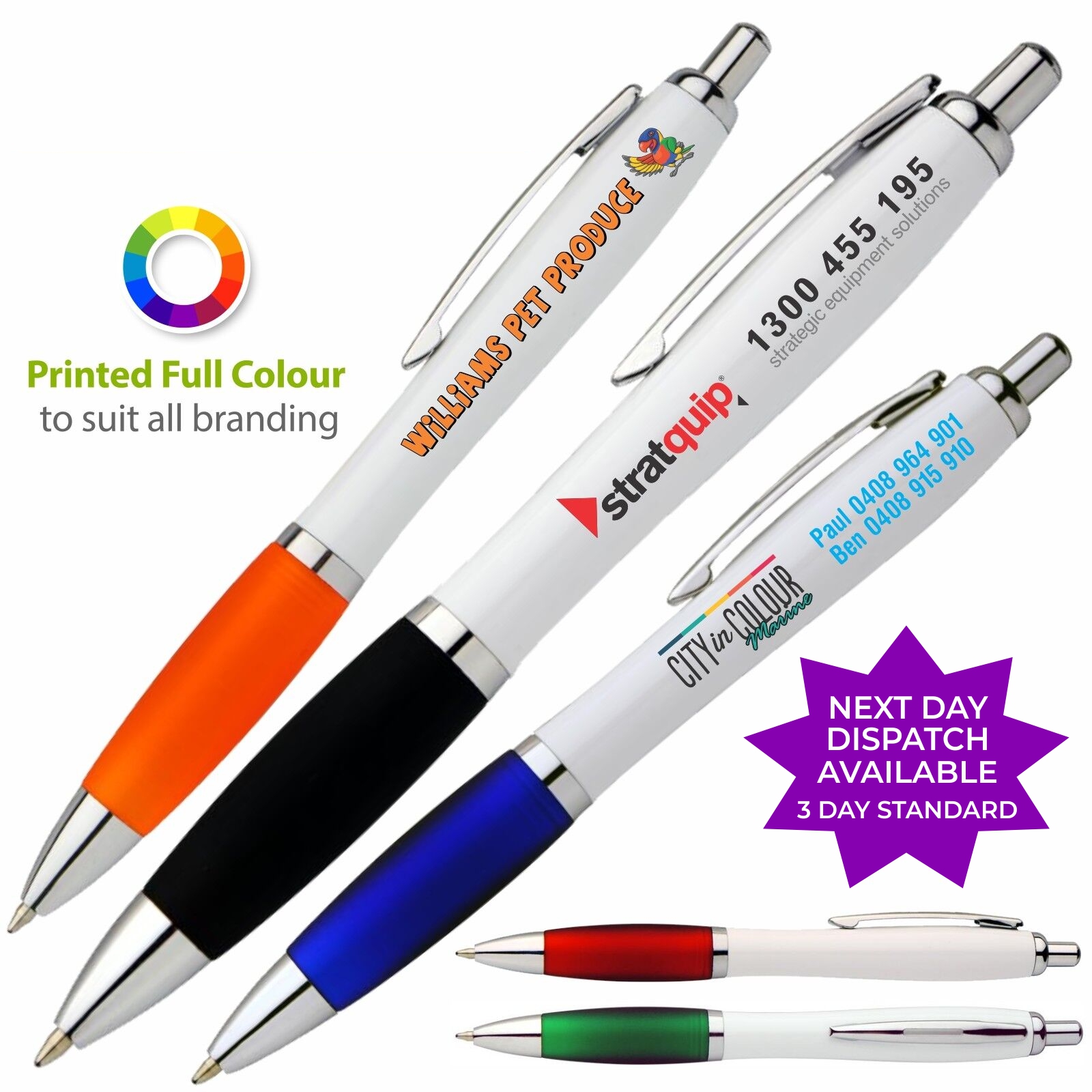
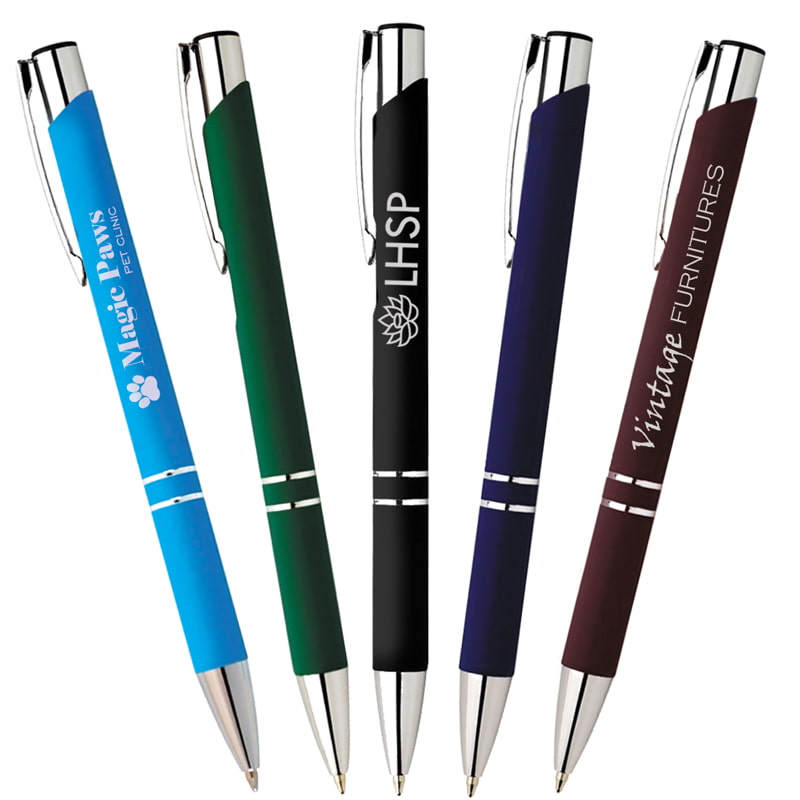
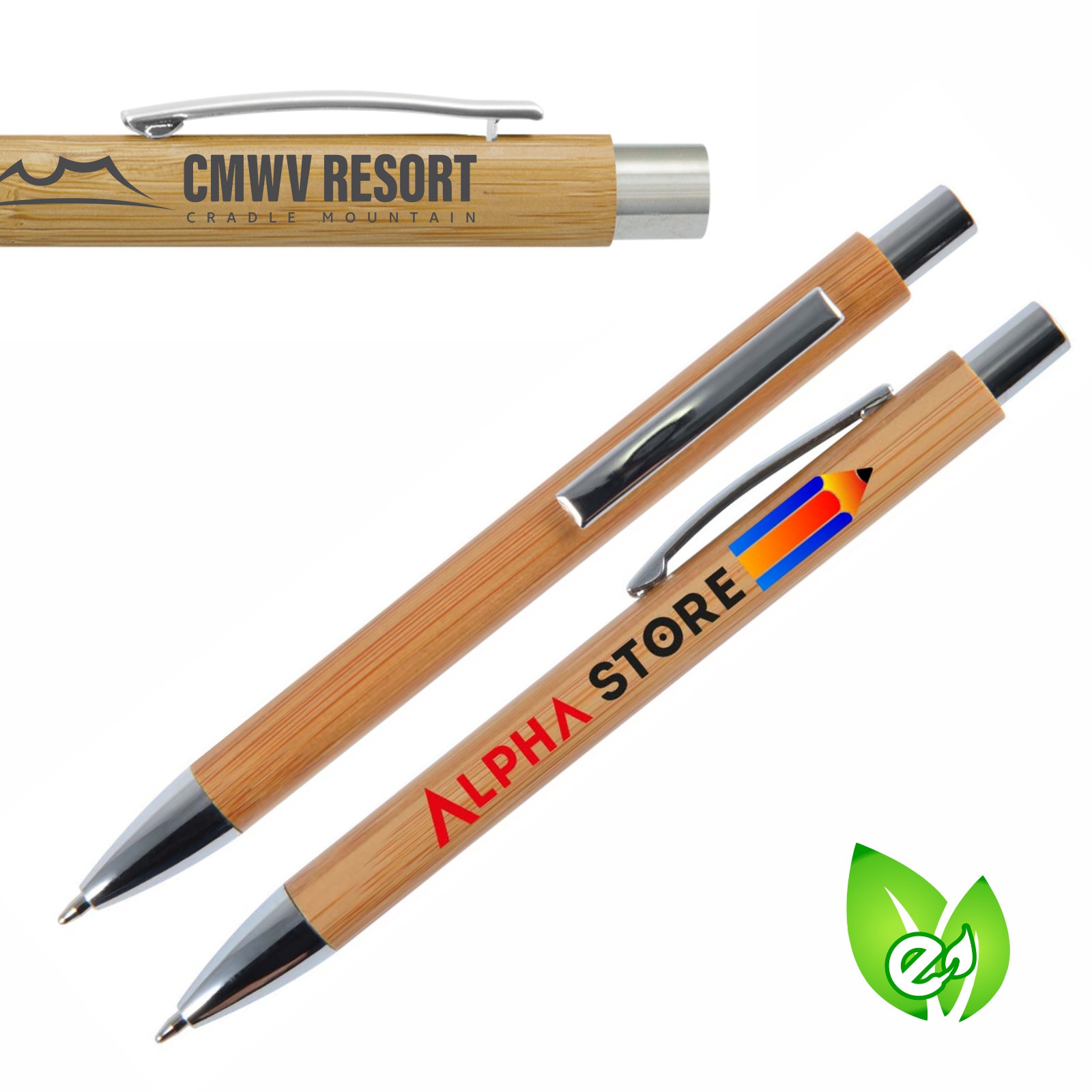
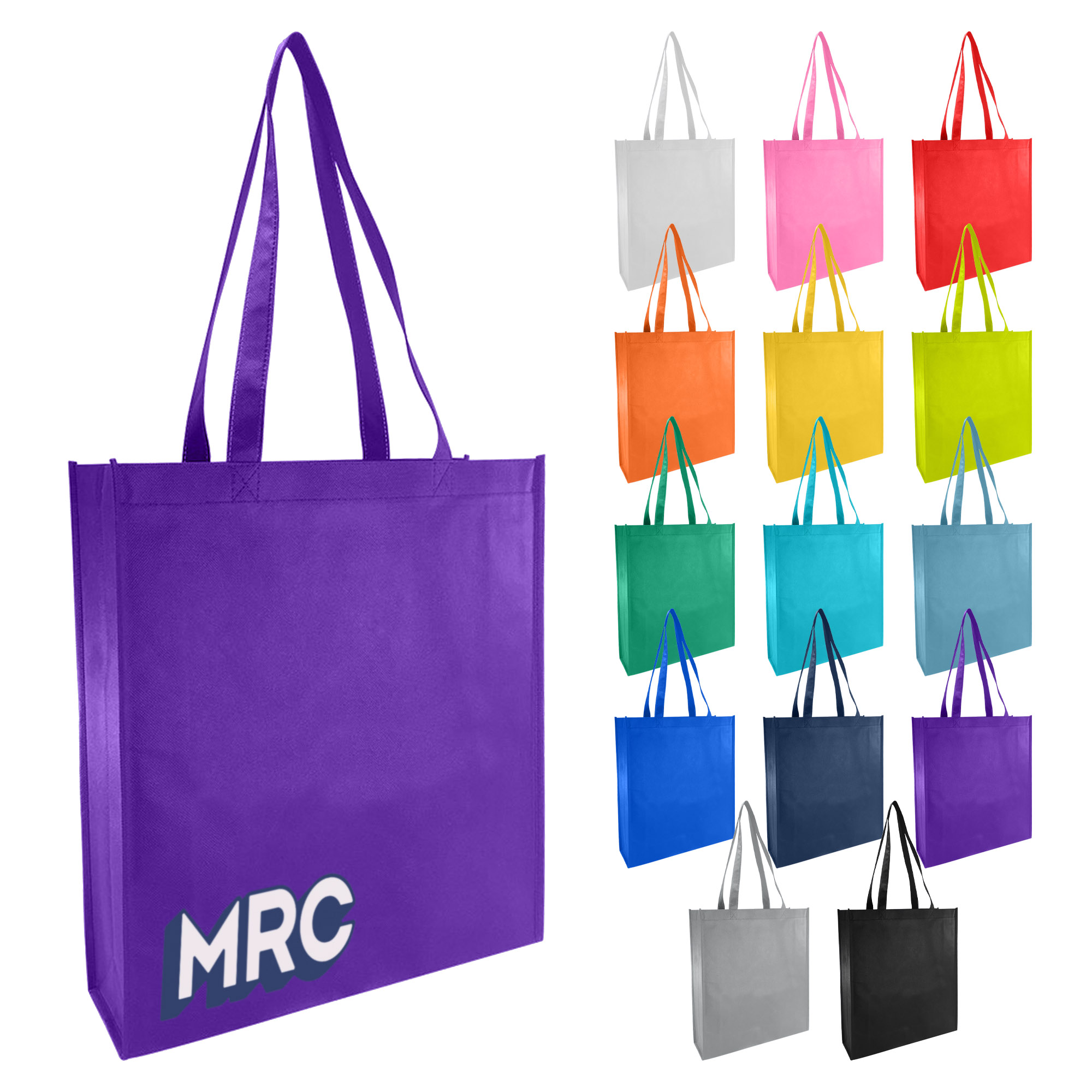
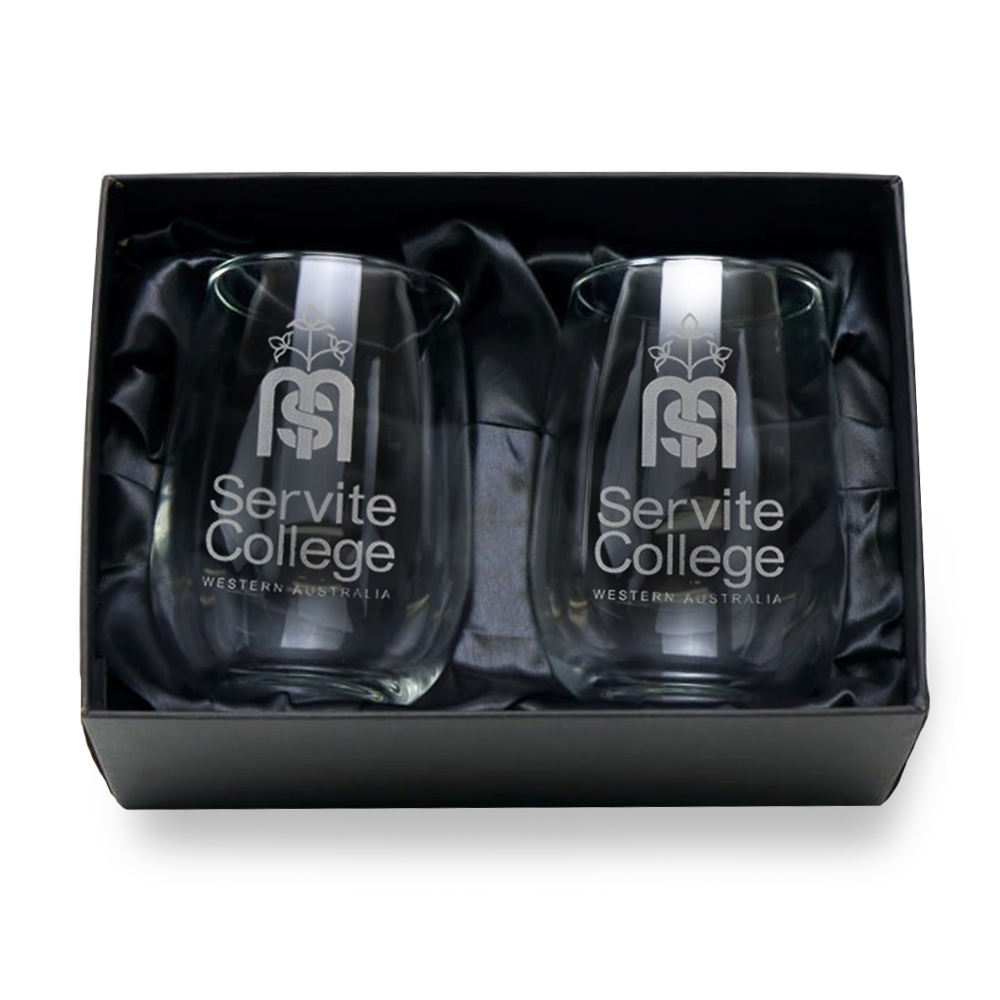
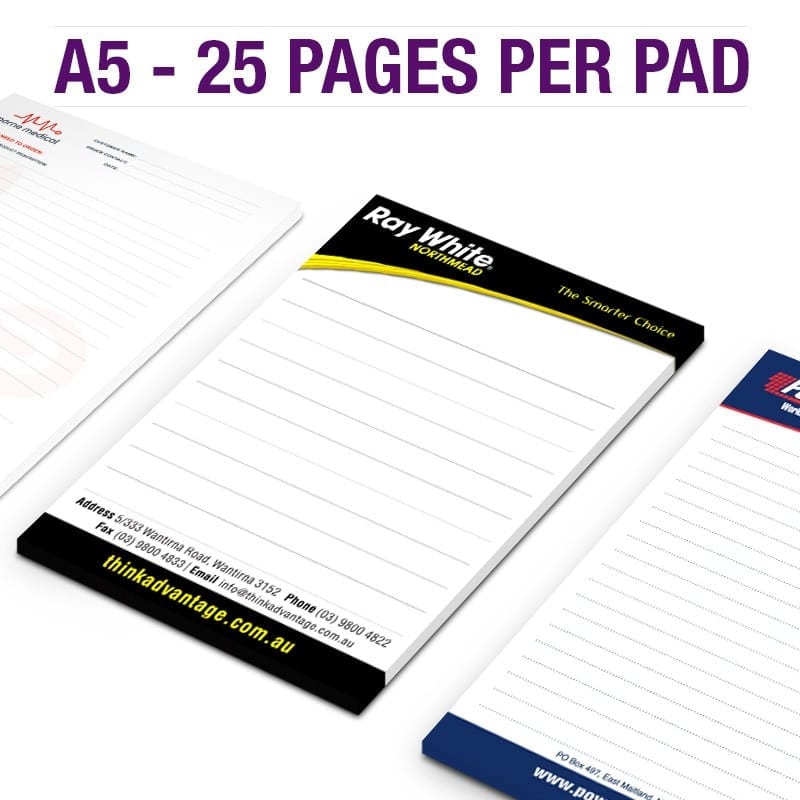
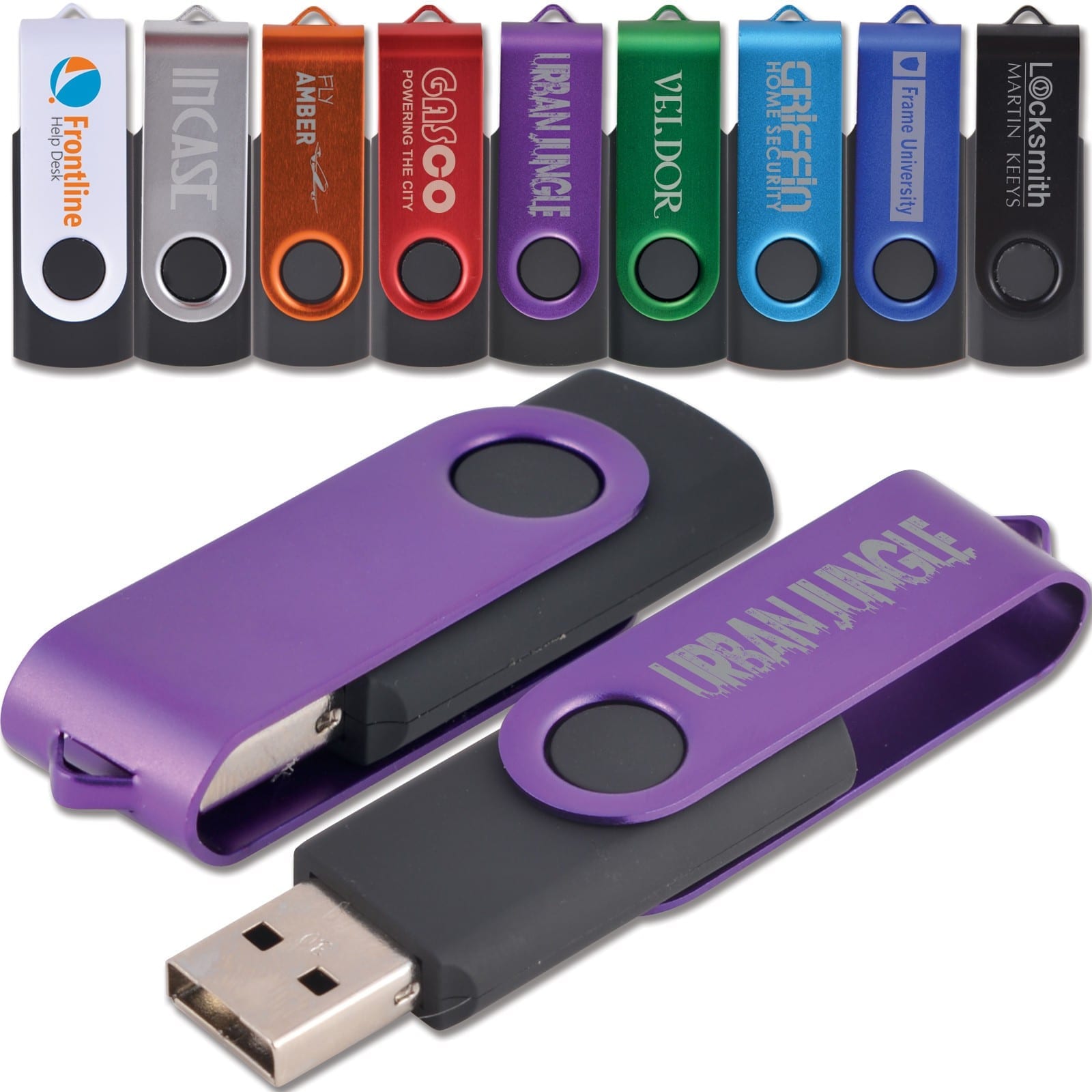
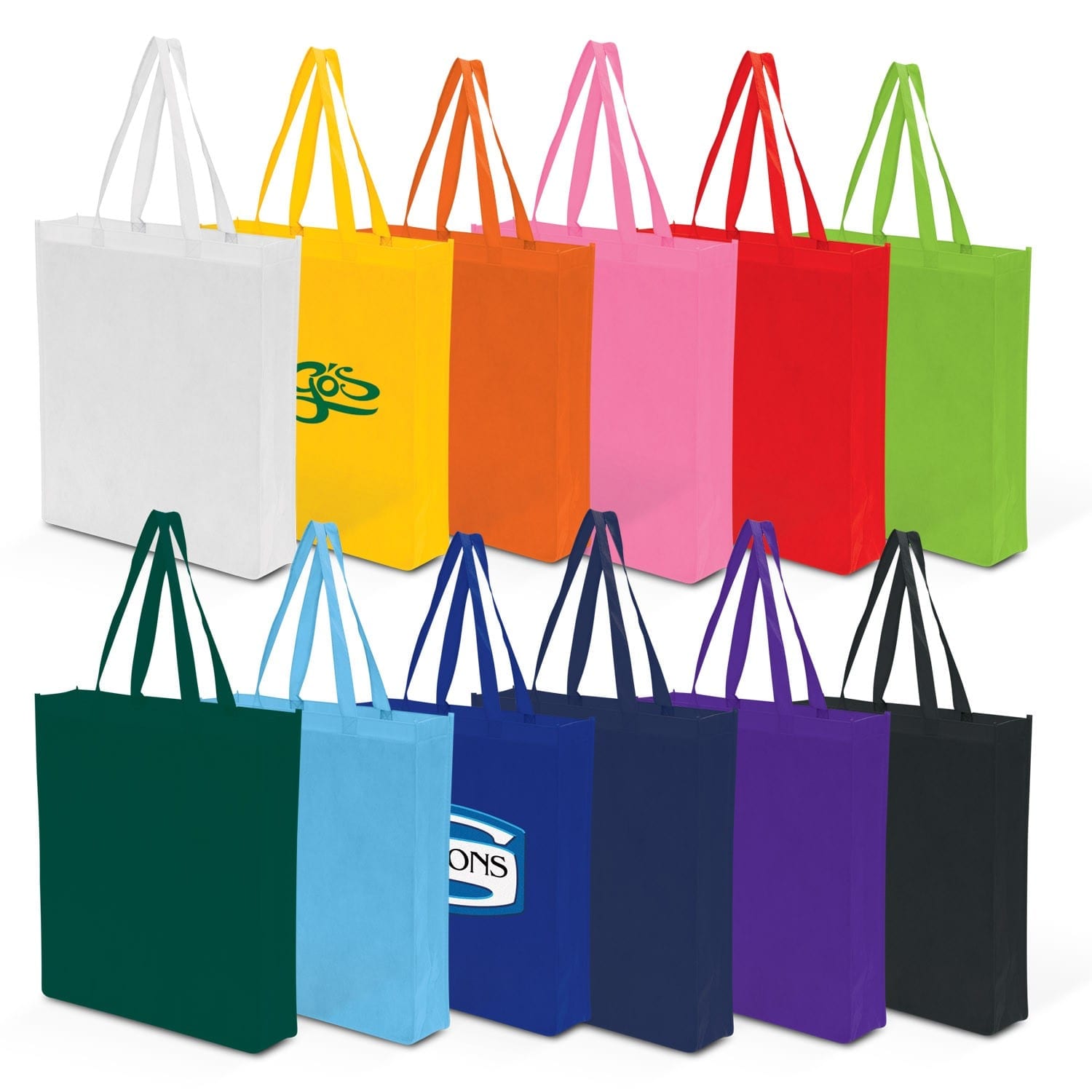
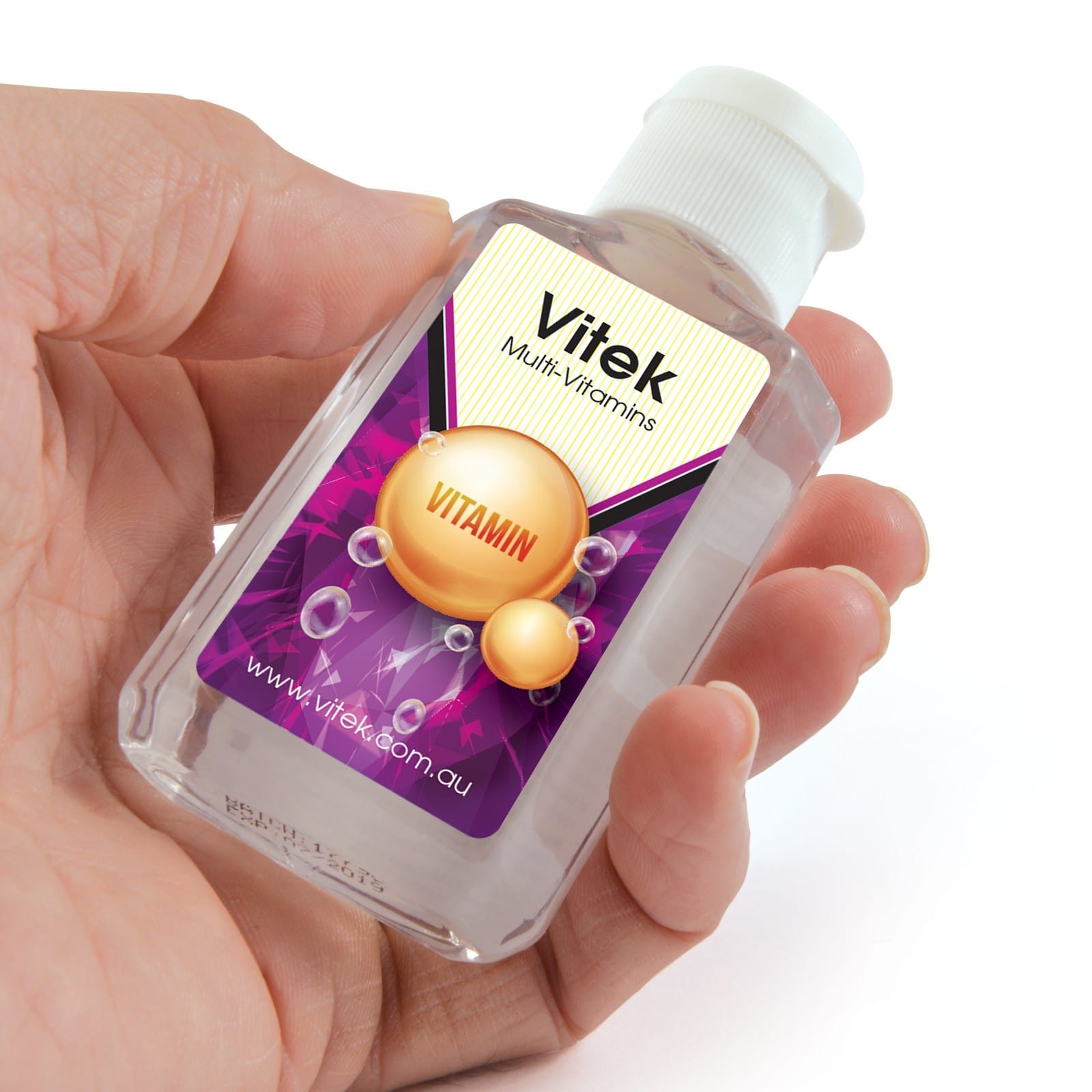
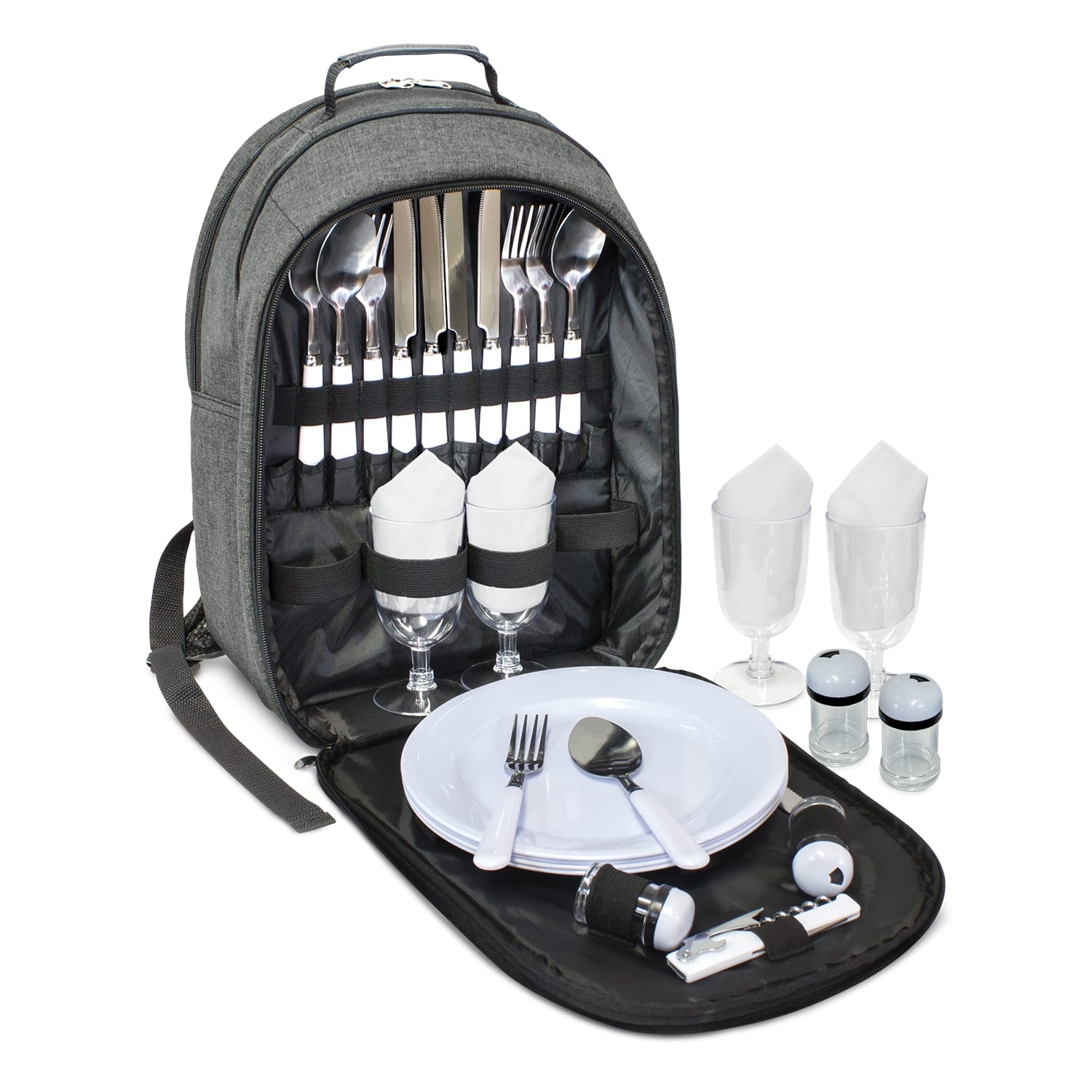
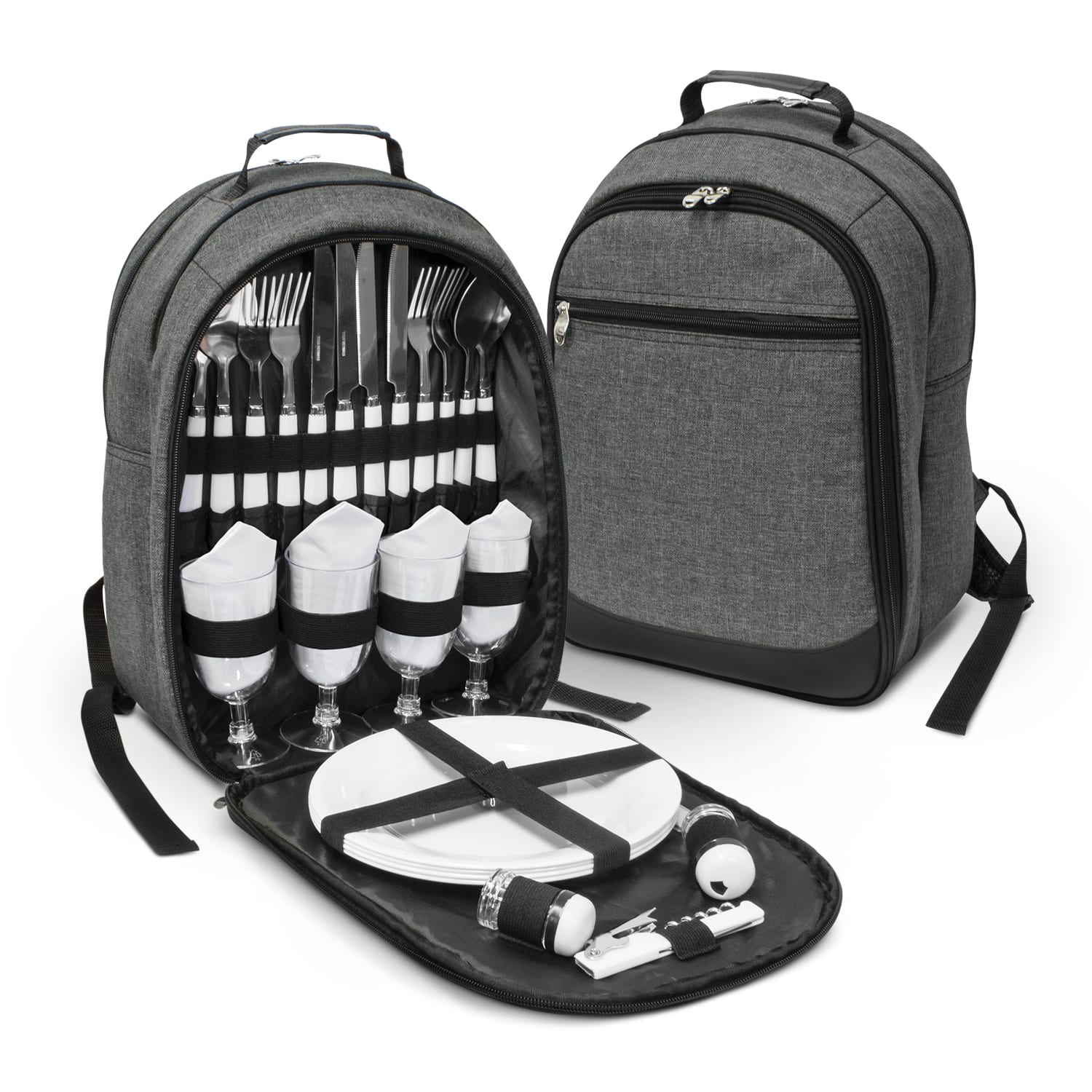
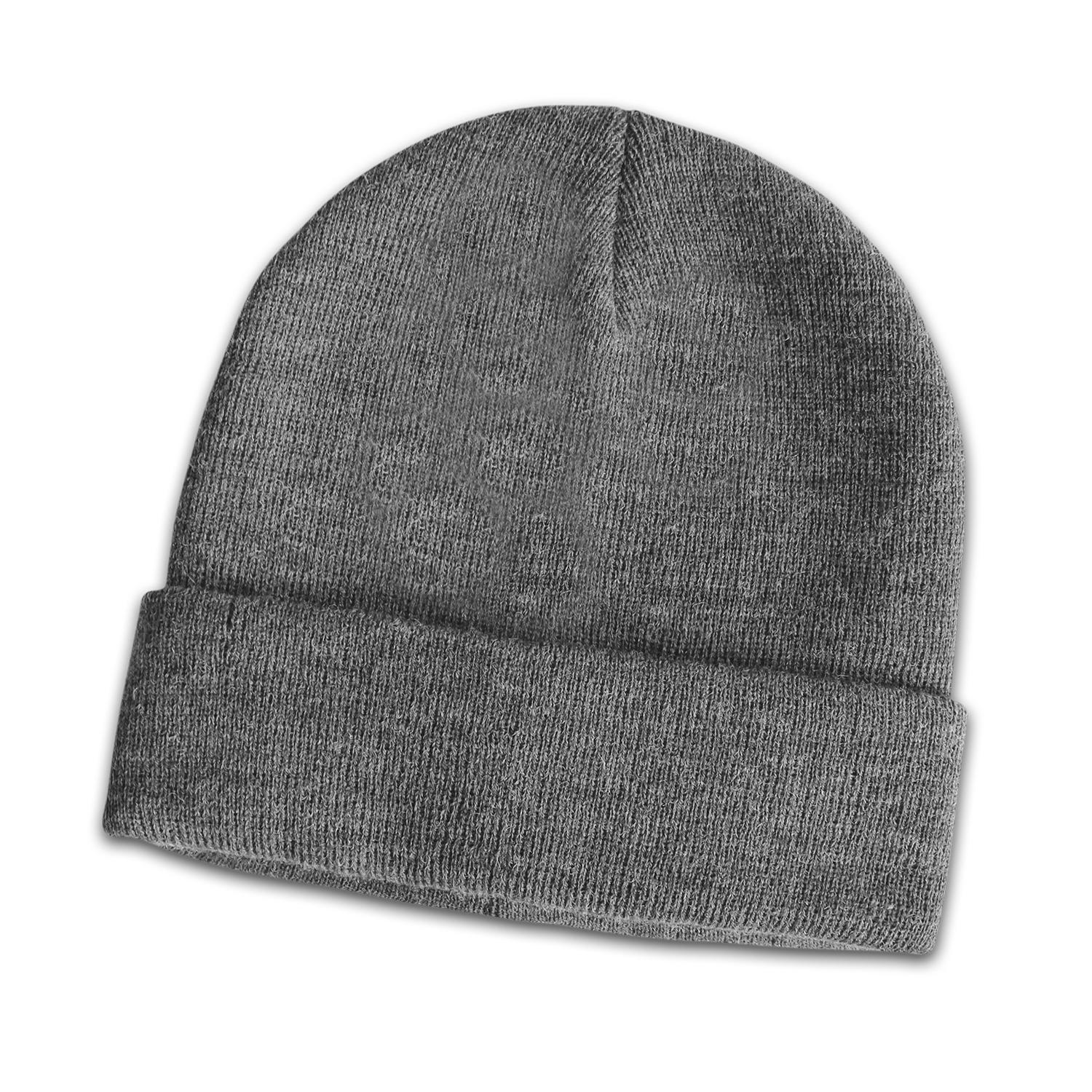
- Explore the range of products that they carry – There are many different kinds of promotional products you can consider. They range from simple and popular items like ballpoint pens, mugs, keyrings, stationery, and bottle openers, to other useful items such as bags, umbrellas, apparel, USB flash drives, and drinkware. Consider products that are relevant to your business. For instance, if you own a small grocery store, reusable tote bags with your brand printed on them can be a great give-away to customers, as they can use them for carrying their groceries and reduce plastic or paper waste.
- Read reviews – Look up the supplier of cheap promotional products and find reviews or feedback about them. Those can be good sources of information on the quality of their promotional products, too.
- Find out what’s included in the order – Some of the best promotional products suppliers offer free shipping, with free decoration and setup.
- Compare prices – Get an estimate from at least two different companies to compare the prices, but avoid choosing the cheapest quote until you have verified that it comes with high-quality promotional items.