
This age of extreme competition is putting pressure on brands to catch the dwindling attention span of the average consumer. It demands that marketing efforts be cleverer than ever. And with the switch from analogue media (such as promotional items and giveaways) to digital consumables like videos and digital ads, many marketers are raising this question: Do cheap promotional products still work?
The simple answer is yes—they still do, perhaps even more now than before. Despite the overwhelming success of digital media and campaigns and virtual marketing using the internet and digital platforms, consumers still appreciate tangible items.
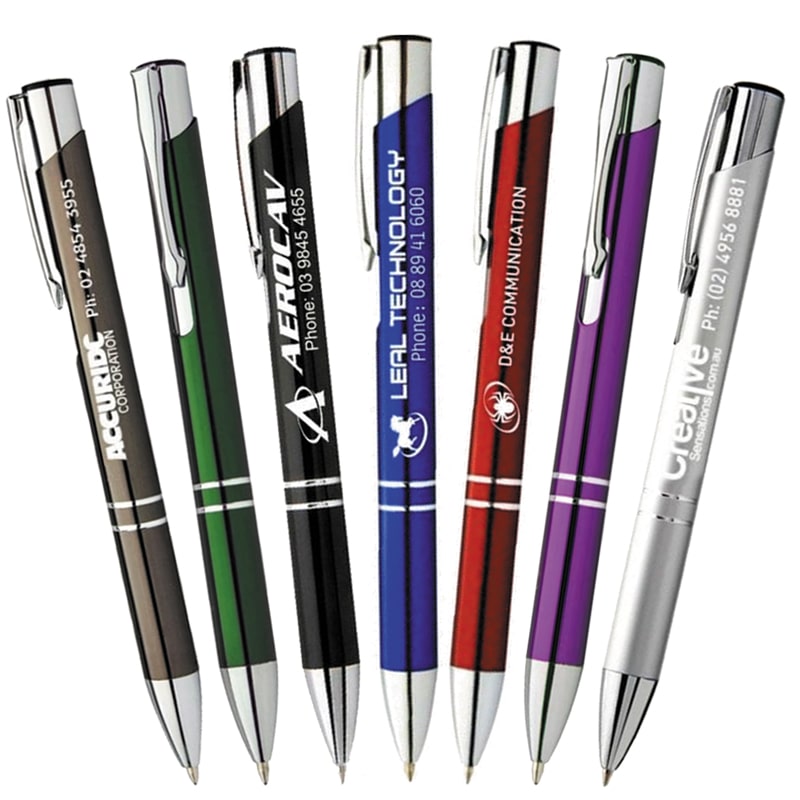
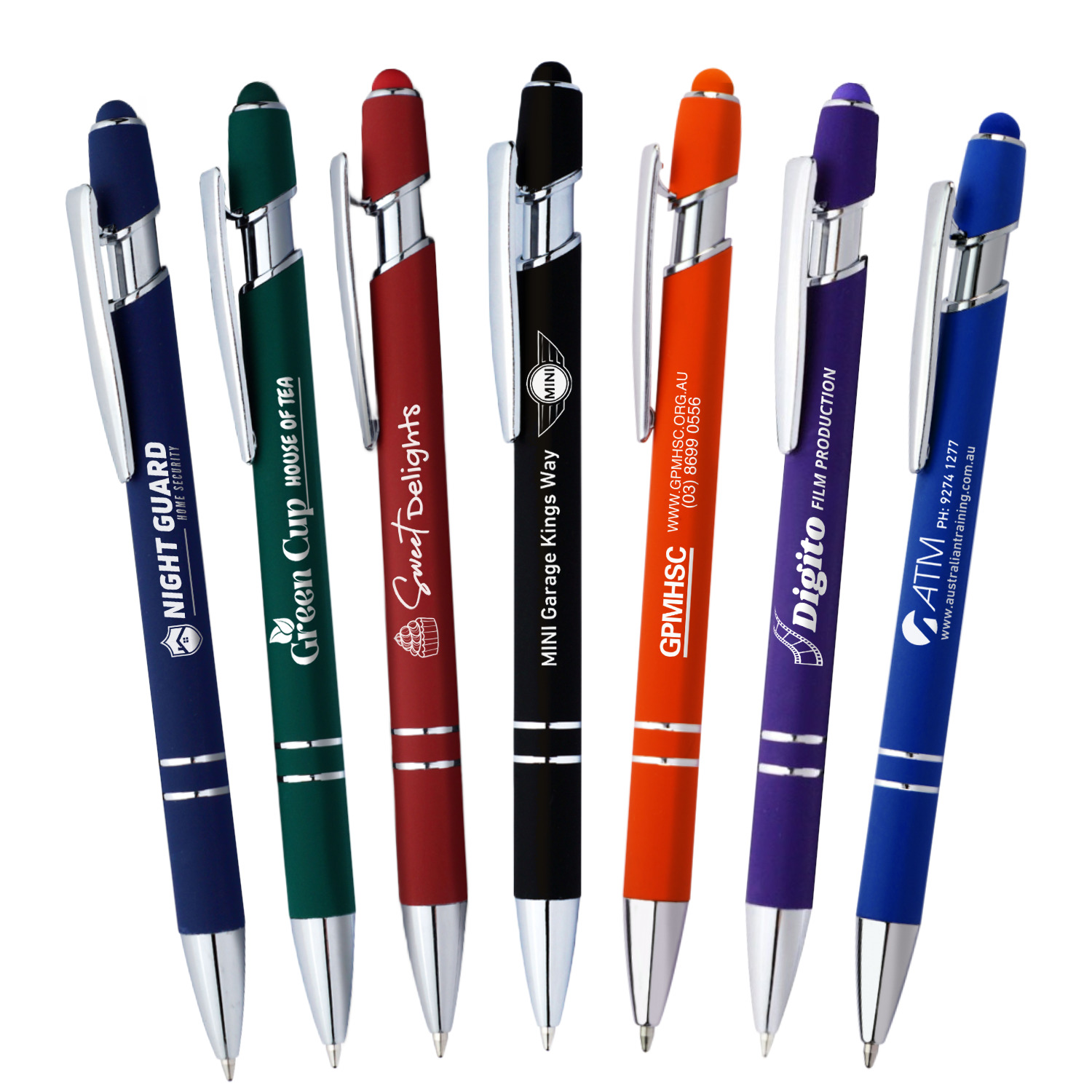
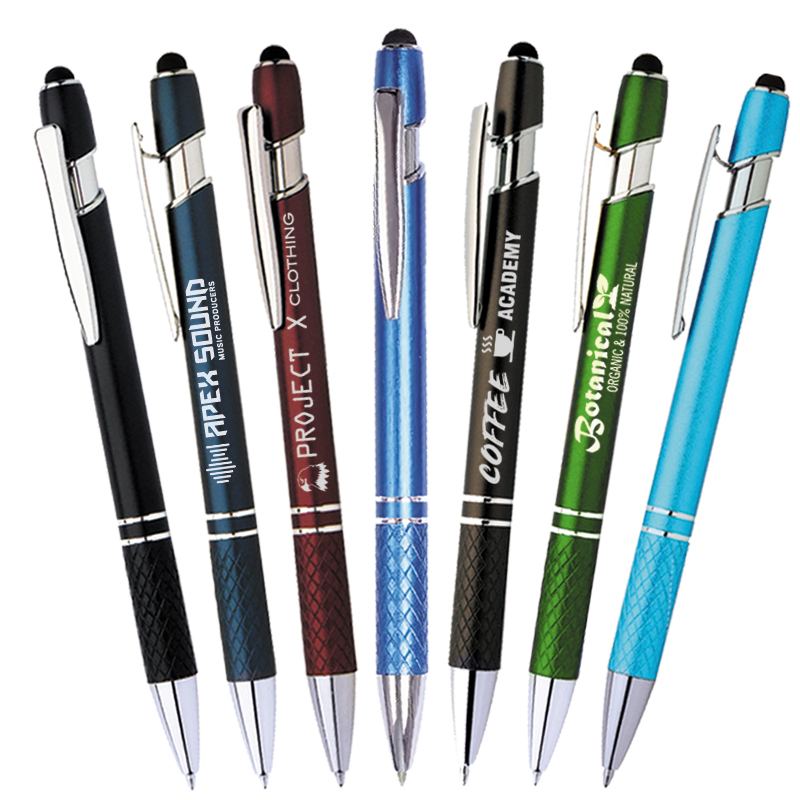
There is something about the simplicity and honesty of giving your customers a personalised pen, or mug, or keychain or other promo items that digital media cannot replicate. Perhaps it’s the tactile feel and the engagement of all the senses when you have an actual item in your hands. Even the cheapest promotional items can be made practical and useful so that recipients appreciate and value them.
Despite the power and popularity of digital media, traditional advertising is still going strong. High-quality but cheap promotional items let your target audience actually see your brand in the real world. Interacting with these items can do wonders for brand recall. Well-designed giveaways still create awareness and yield consistent results in terms of reach and visibility. These products still hold a big place in any marketing campaign and will remain to be useful tools for any company—which explains why even the world’s biggest brands continue to use them. The key is to order your cheap promo items from a reliable manufacturer that can offer high-quality at reasonable prices. Some of the best suppliers let you order what you need online for utmost convenience.


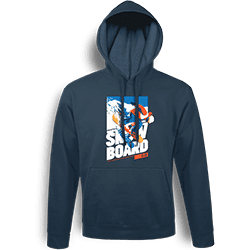





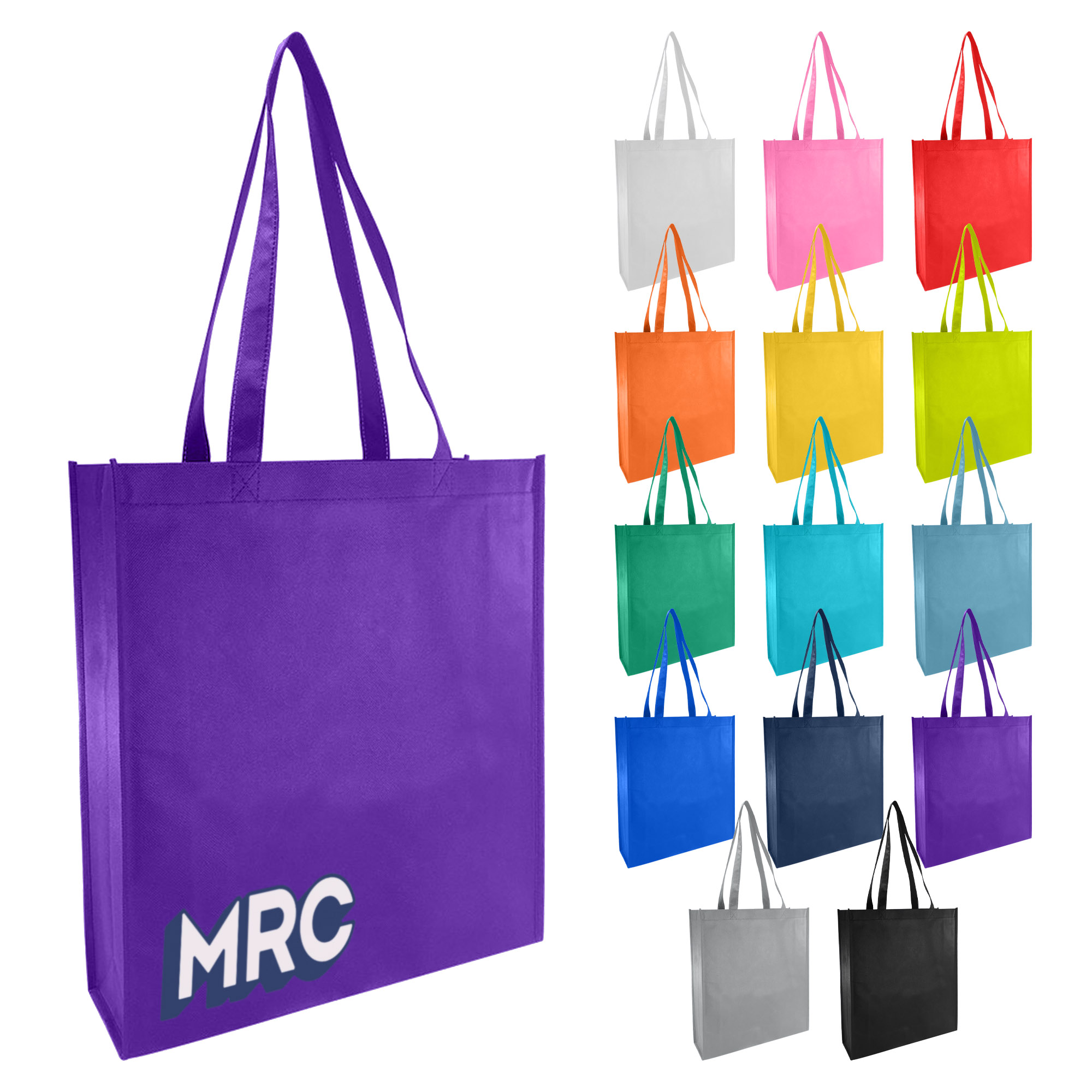
Colourflex transfers are a CMYK+W digital print process, used for branding apparel and fabrics.
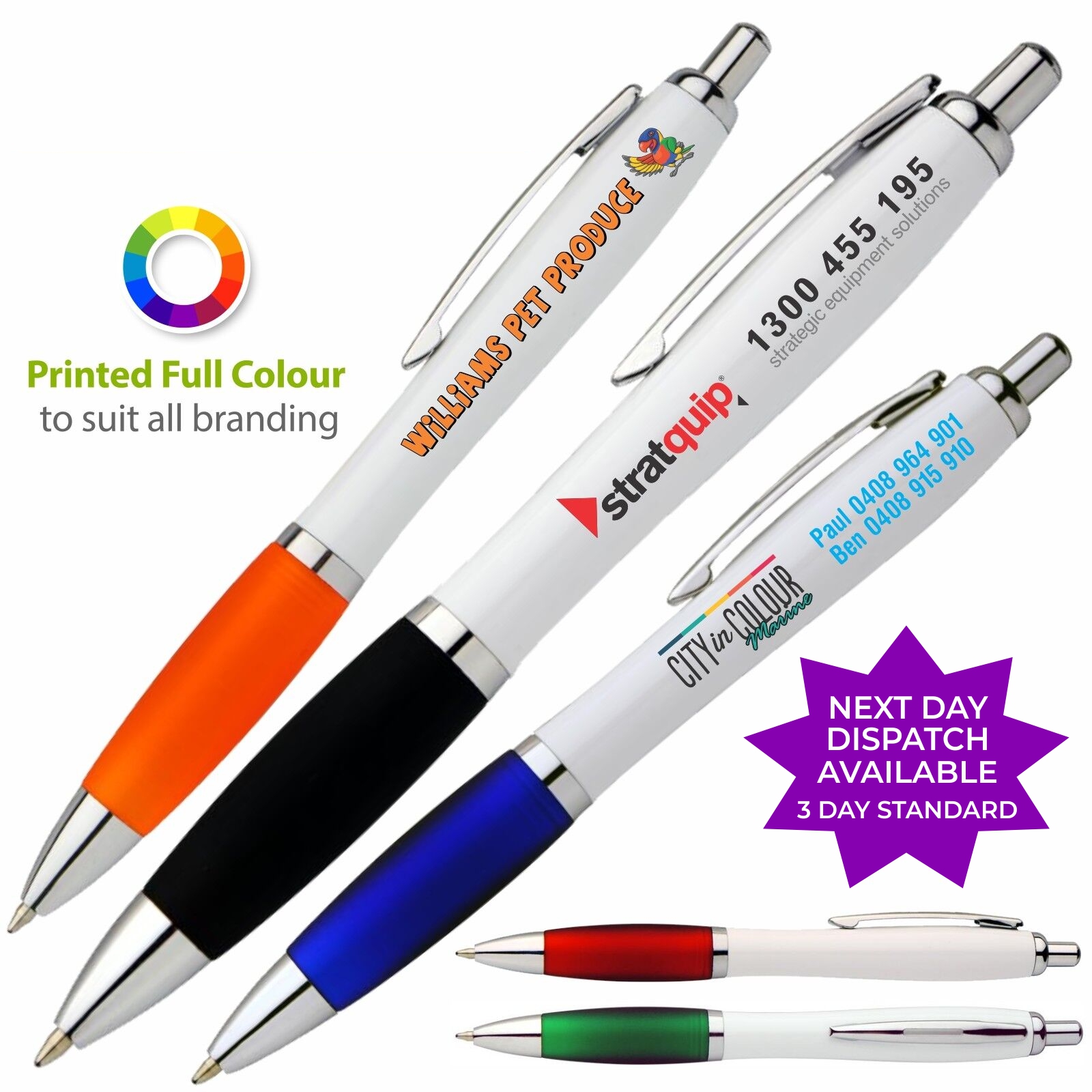
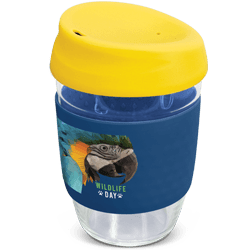
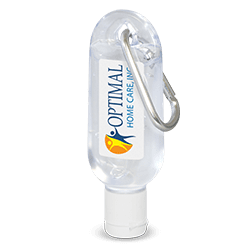
Direct to product digital printing involves the transfer of ink directly from the print heads of an inkjet machine to the product and can be used to produce both spot colour and full colour branding on flat or slightly curved surfaces.
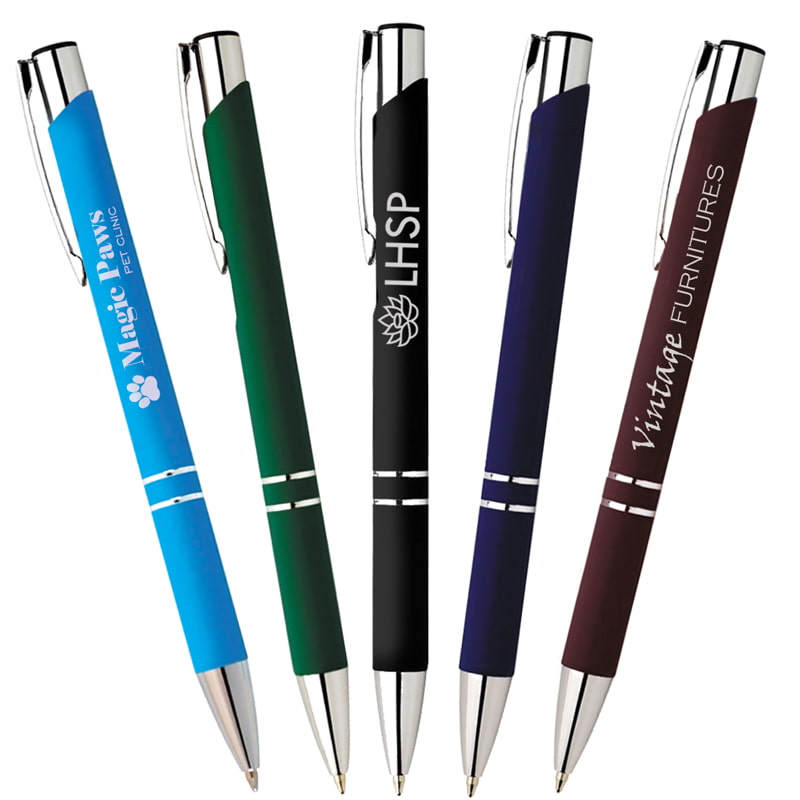
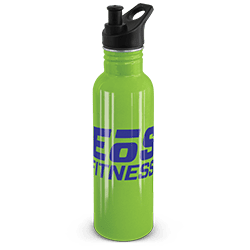
Screen printing is achieved by forcing ink through a fine mesh screen with a squeegee onto the product and is ideal for branding flat or cylindrical objects.
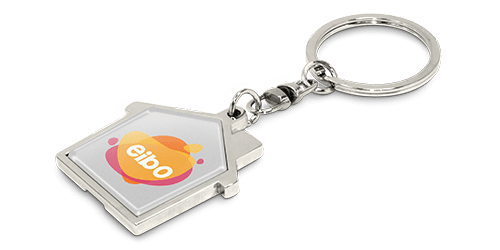
Resin coated finish is produced by printing the artwork onto a vinyl material with strong adhesive on the reverse. The branded area is coated with a crystal clear resin which is allowed to dry. Once dry, the finished decal is applied to the product and the adhesive forms a permanent bond.
Screen printing is achieved by forcing ink through a fine mesh screen with a squeegee onto the product and is ideal for branding flat or cylindrical objects.
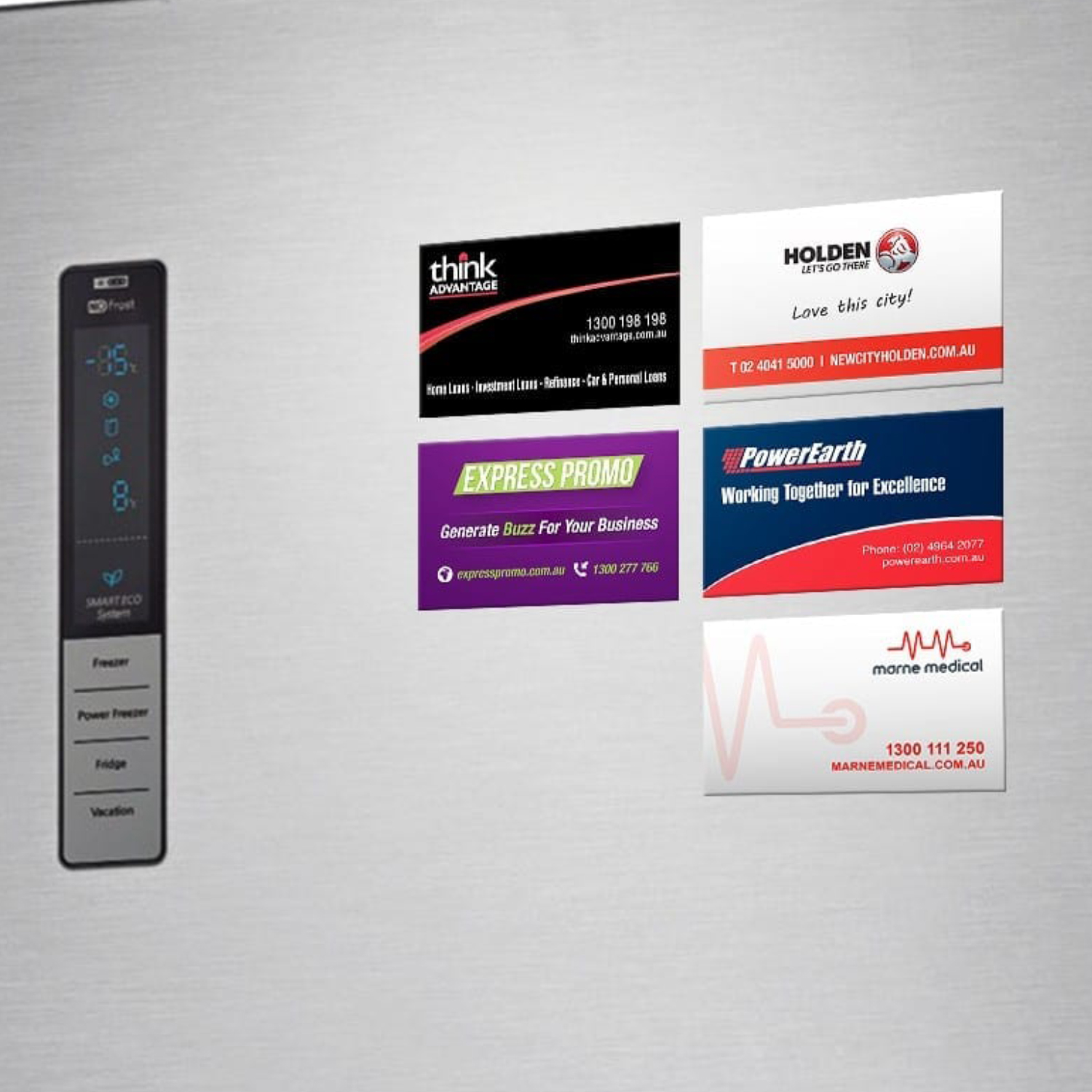
This production method is used for printing media such as paper, vinyl and magnetic material used in the manufacture of labels, badges and fridge magnets etc.
Direct to product rotary digital printing involves the transfer of UV ink directly from inkjet print heads and can be used to produce both spot colour and full colour branding.
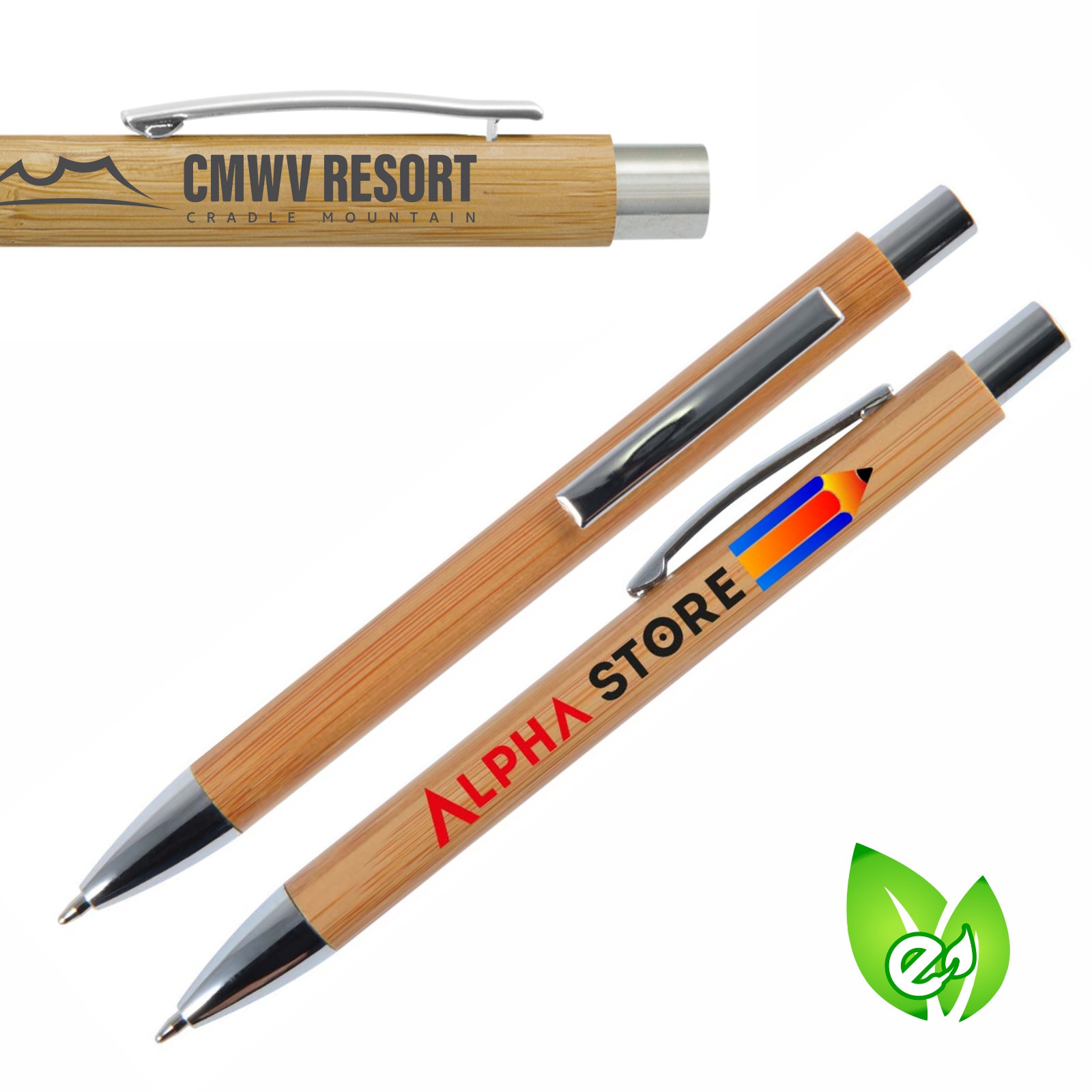
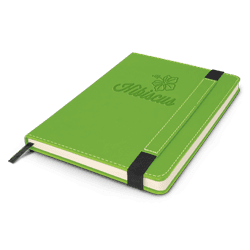
Debossing is produced by pressing a hot engraved metal plate into the surface of a product with a lot of pressure. This produces a permanent image below the surface of the product. Some products offer thermo debossing, which creates a stunning two-tone finish.
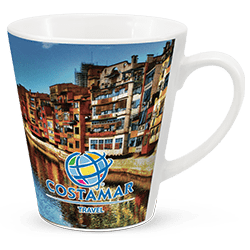
Sublimation print is used for branding products that have a special coating on them or fabrics suitable for the sublimation process. A transfer is produced by printing sublimation ink onto transfer paper and then heat pressing it onto the product.
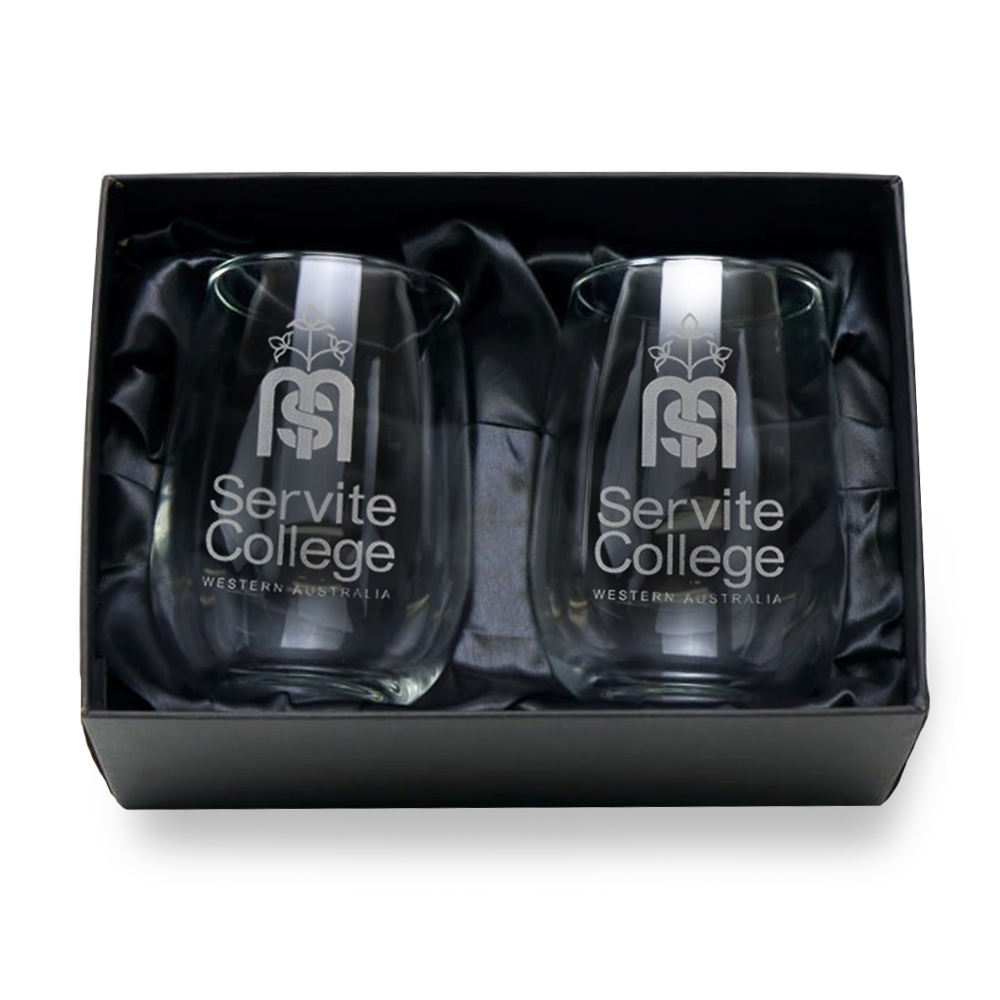
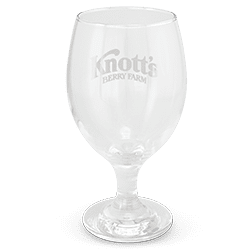
Imitation etch is a special pad printing ink used for producing an etch like effect on glass products.
Pad printing uses a silicone pad to transfer an image to a product from a laser etched printing plate. It is one of the most popular and affordable ways of branding promotional products due to its ability to reproduce images on uneven or curved products and print multiple colours in a single pass.