
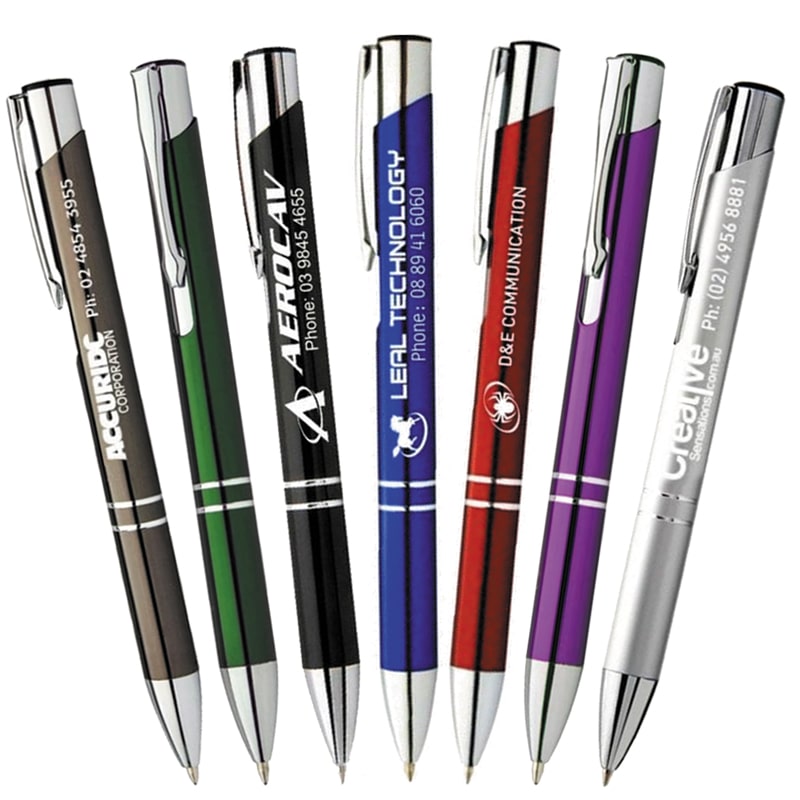
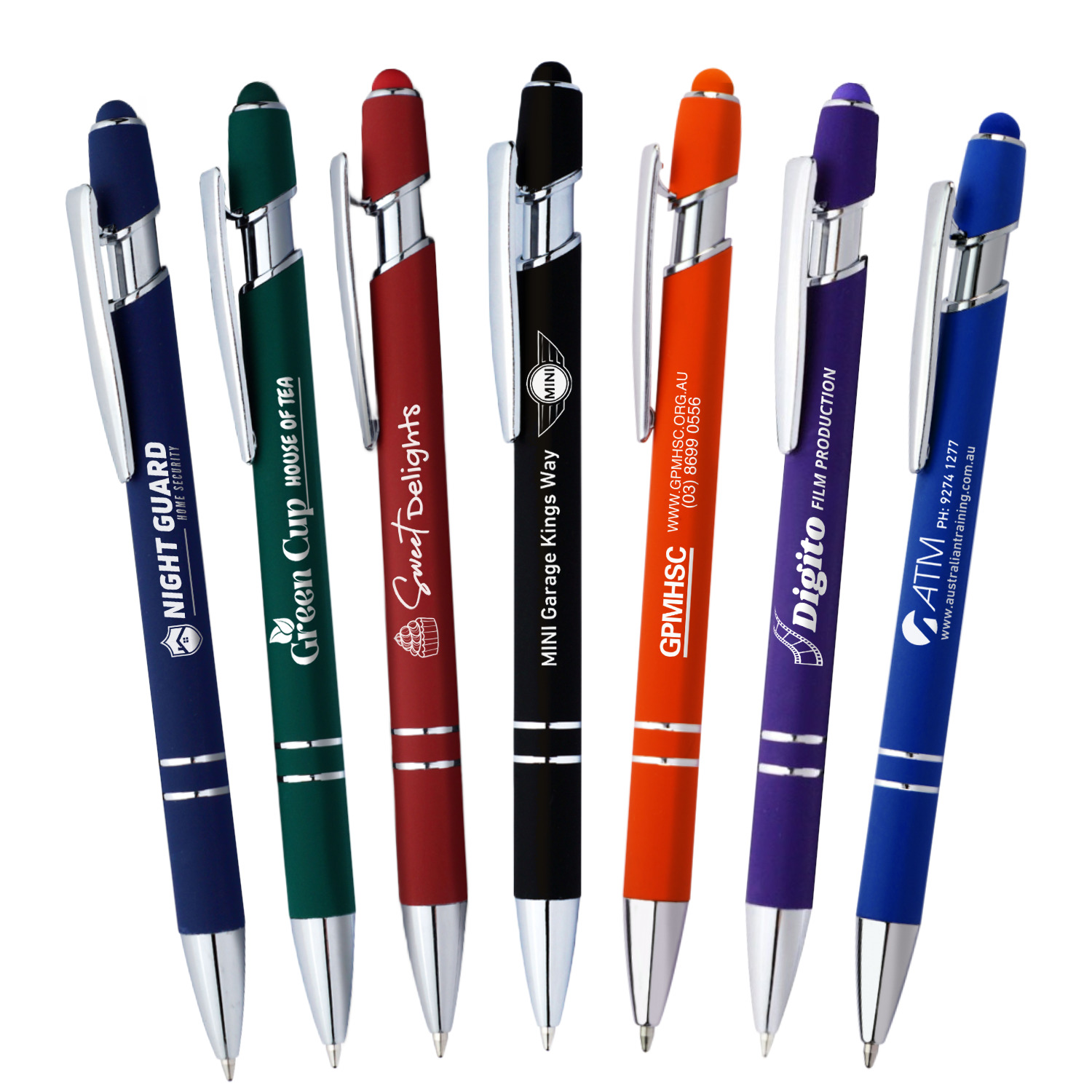
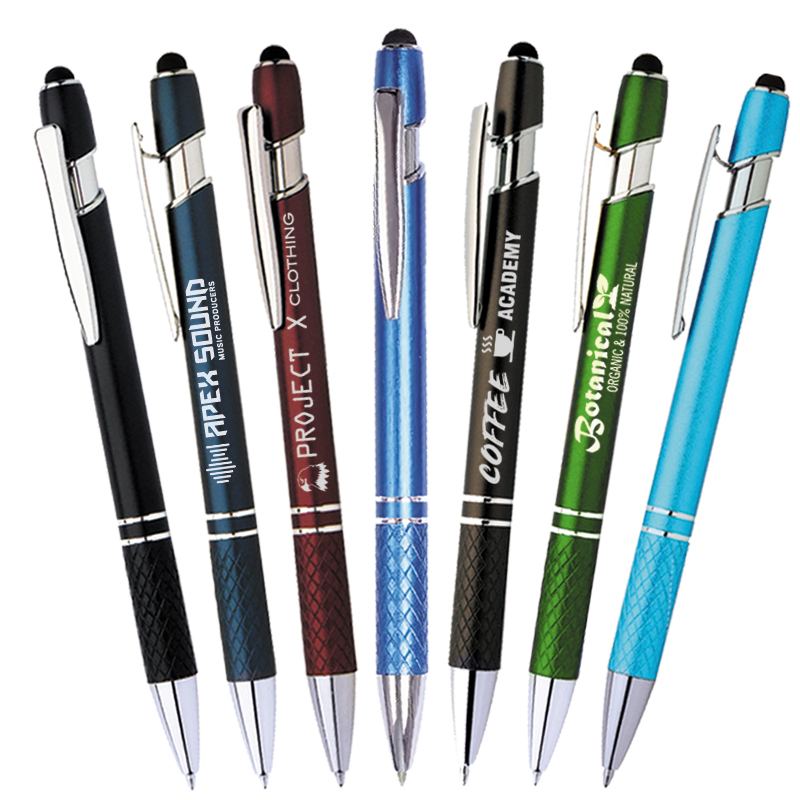
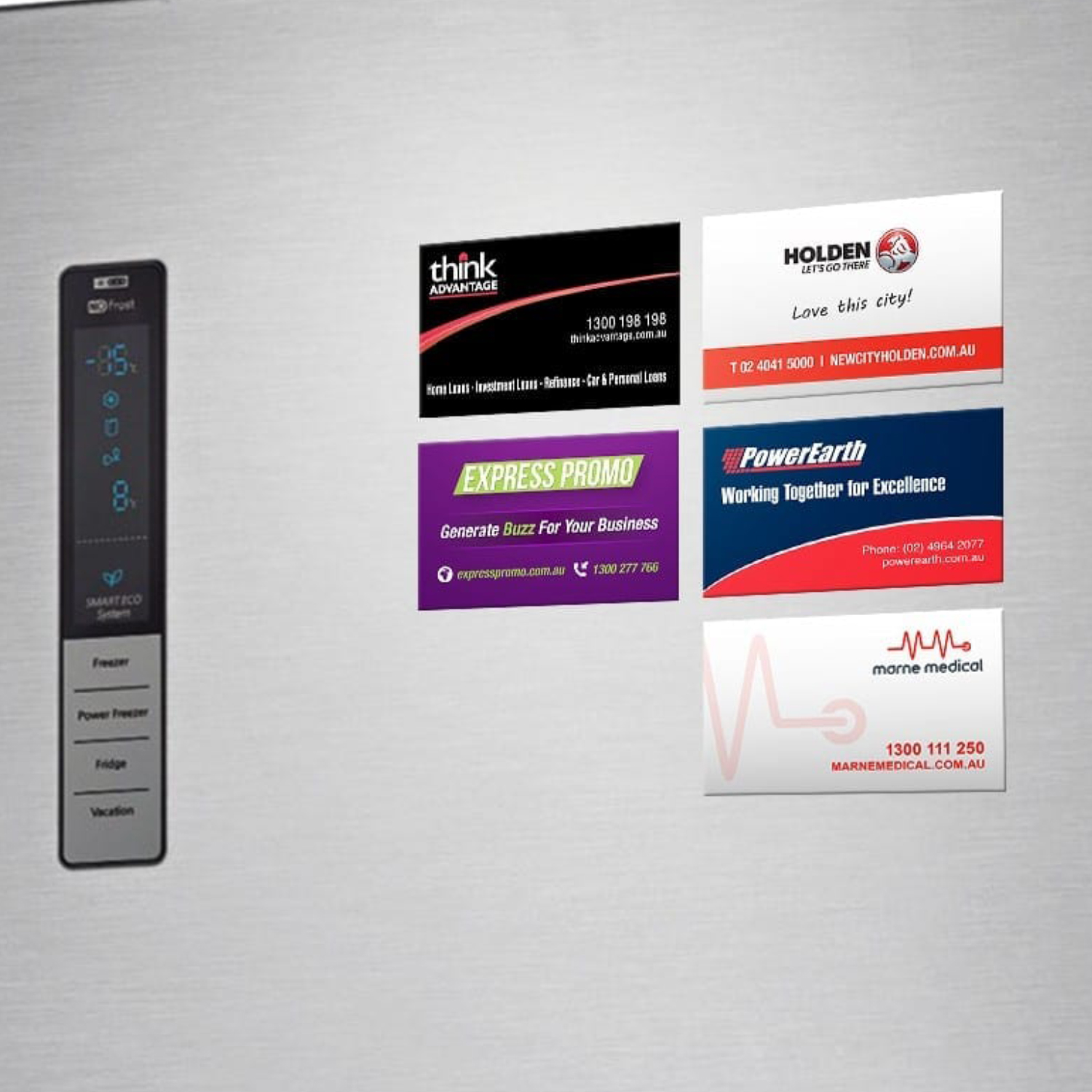
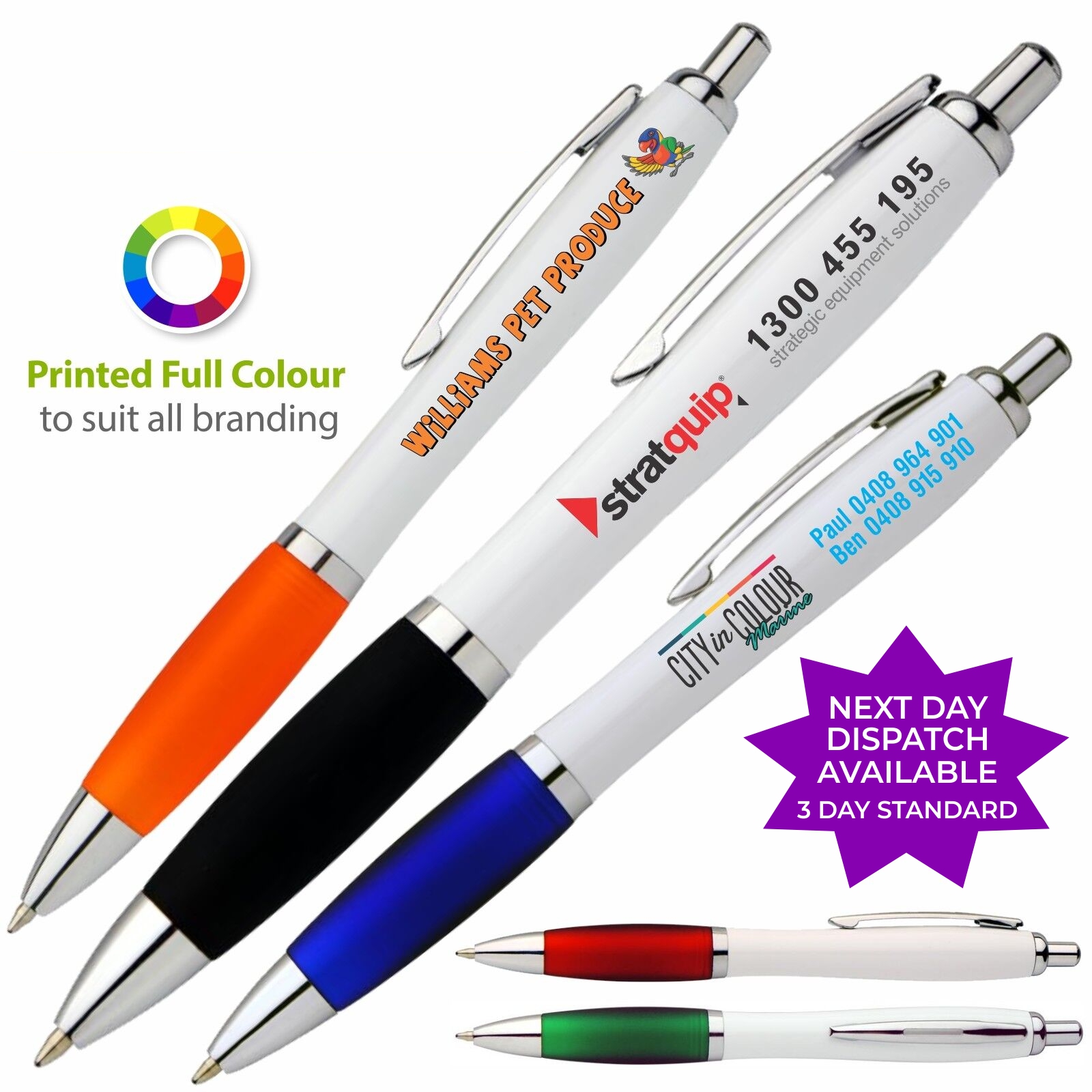
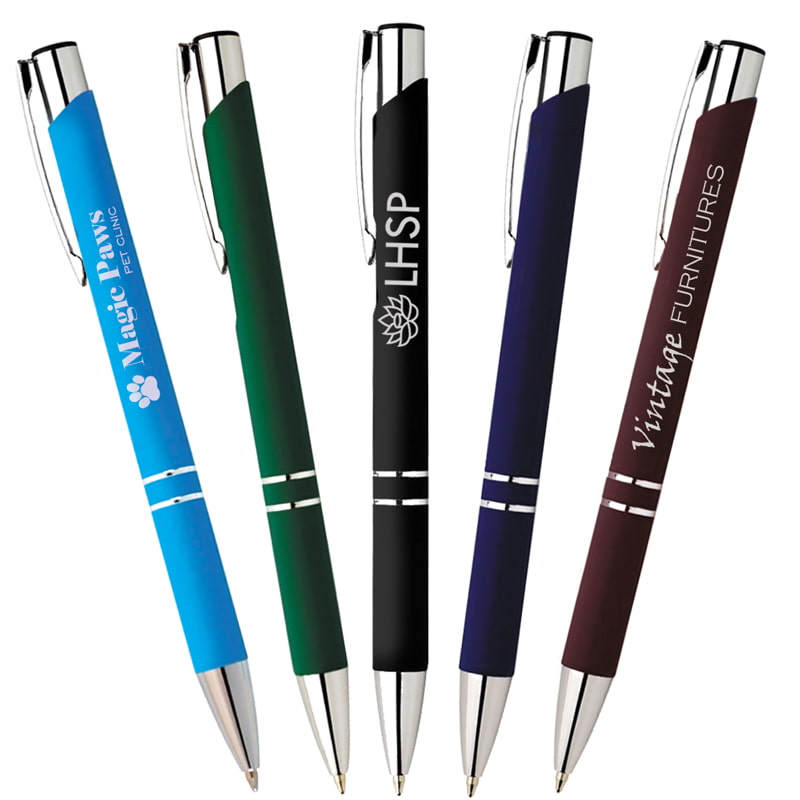
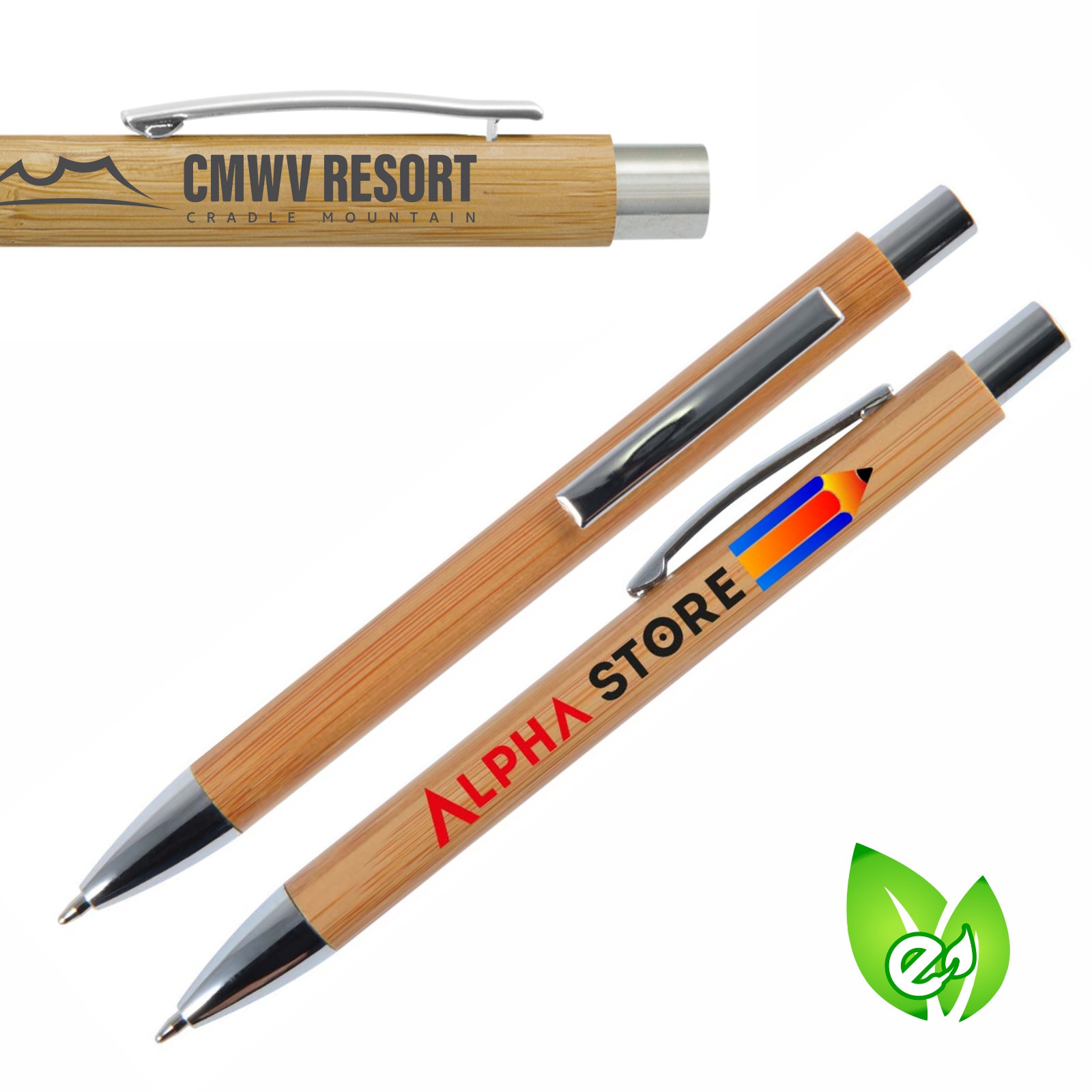
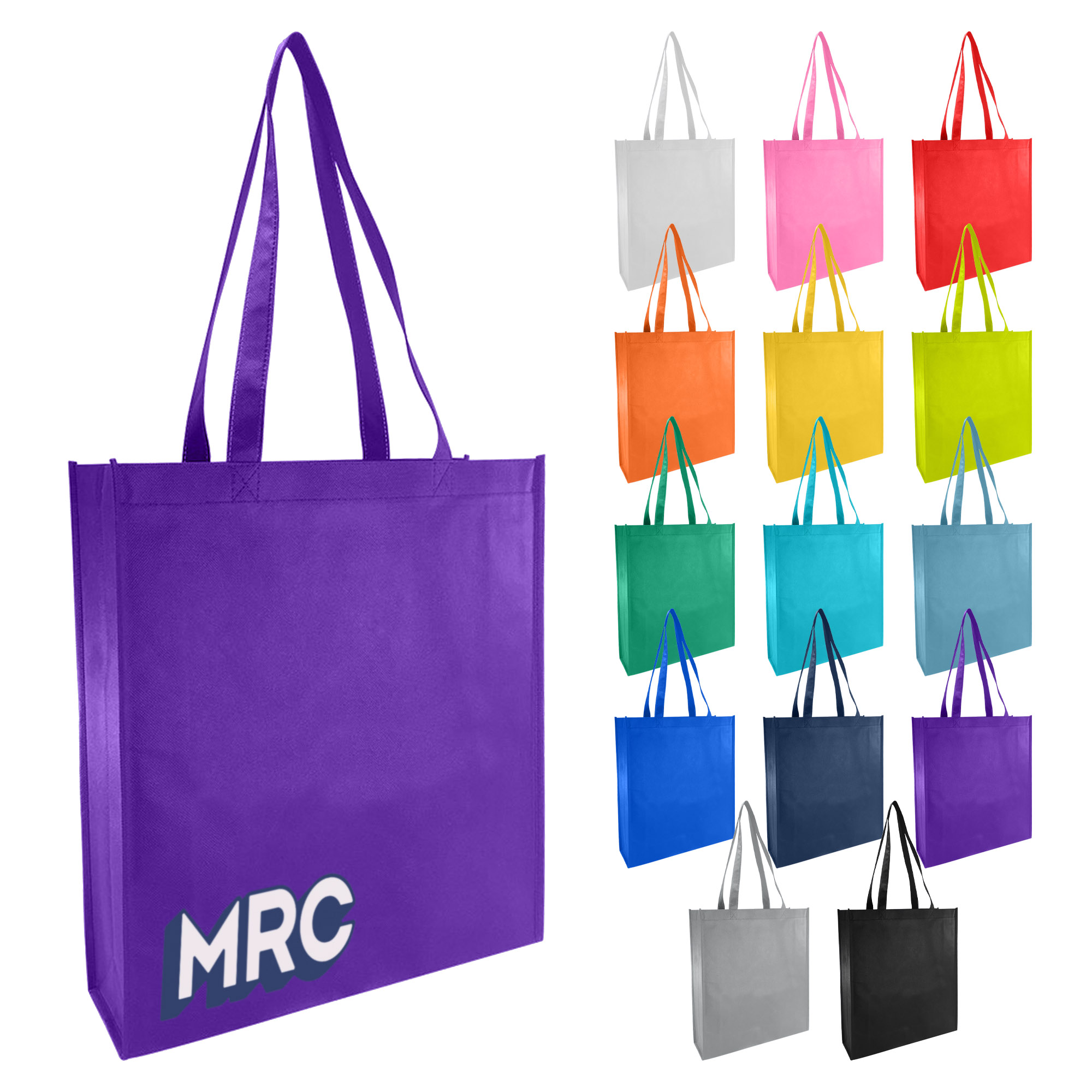
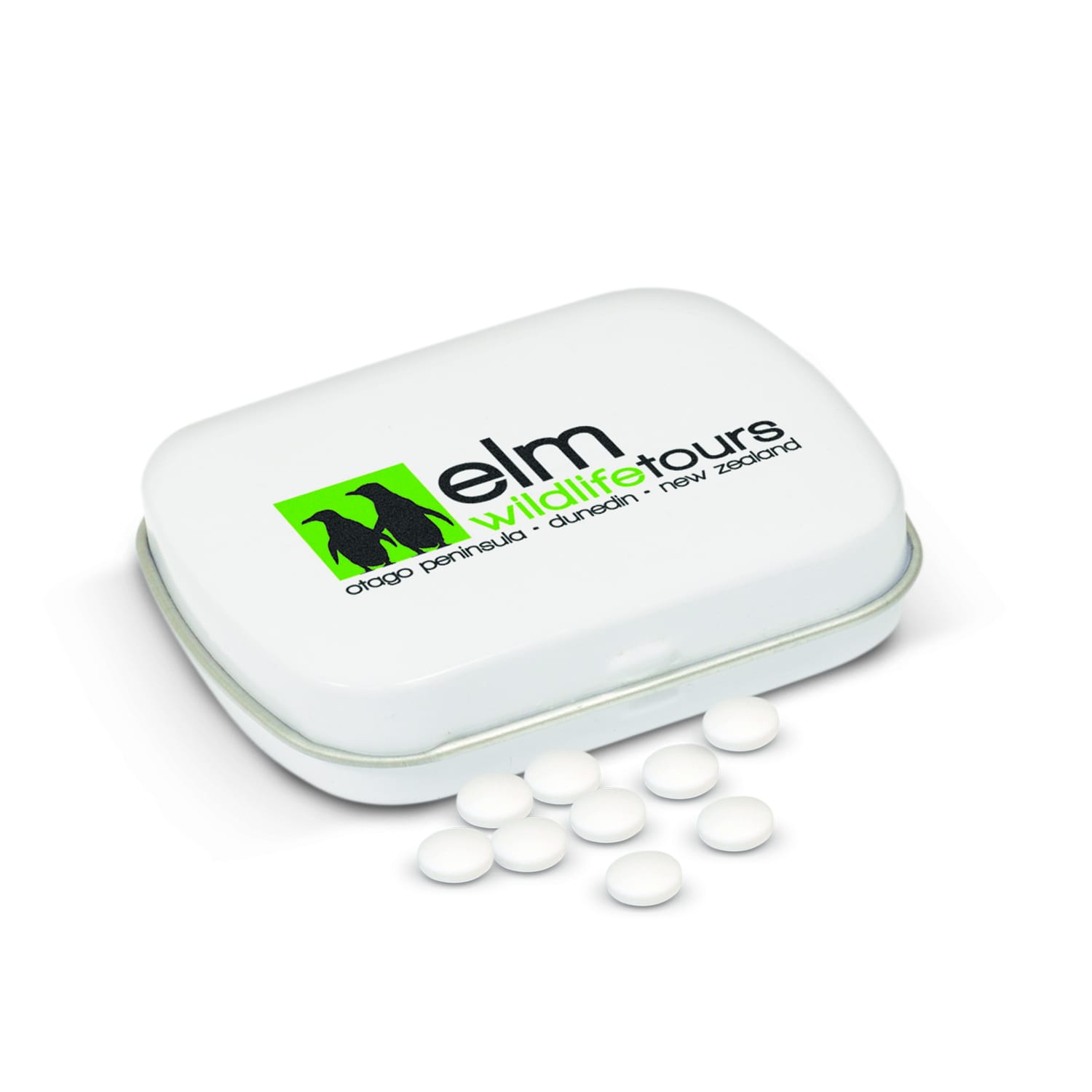
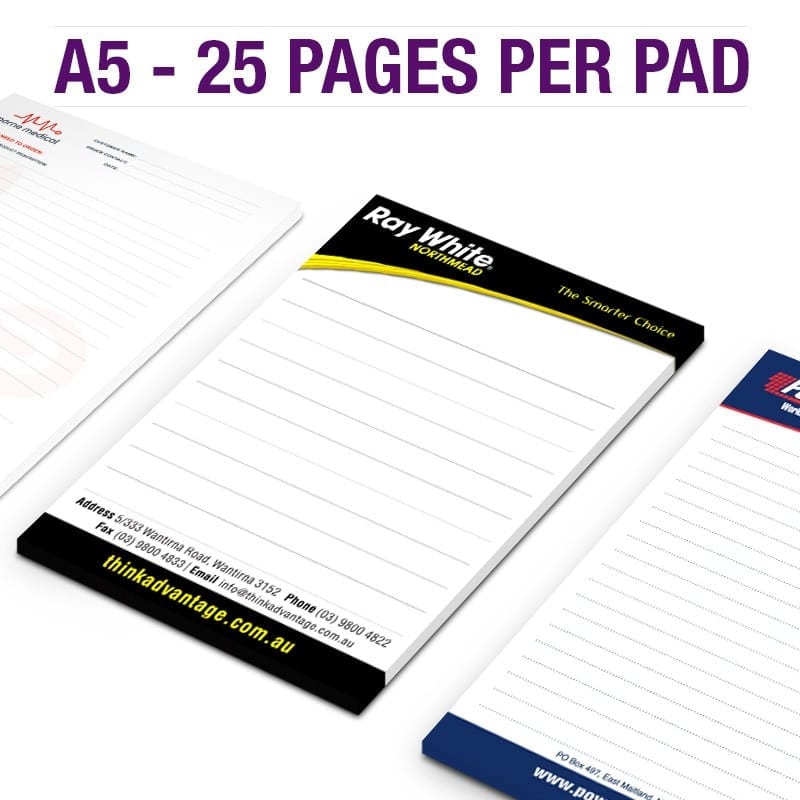
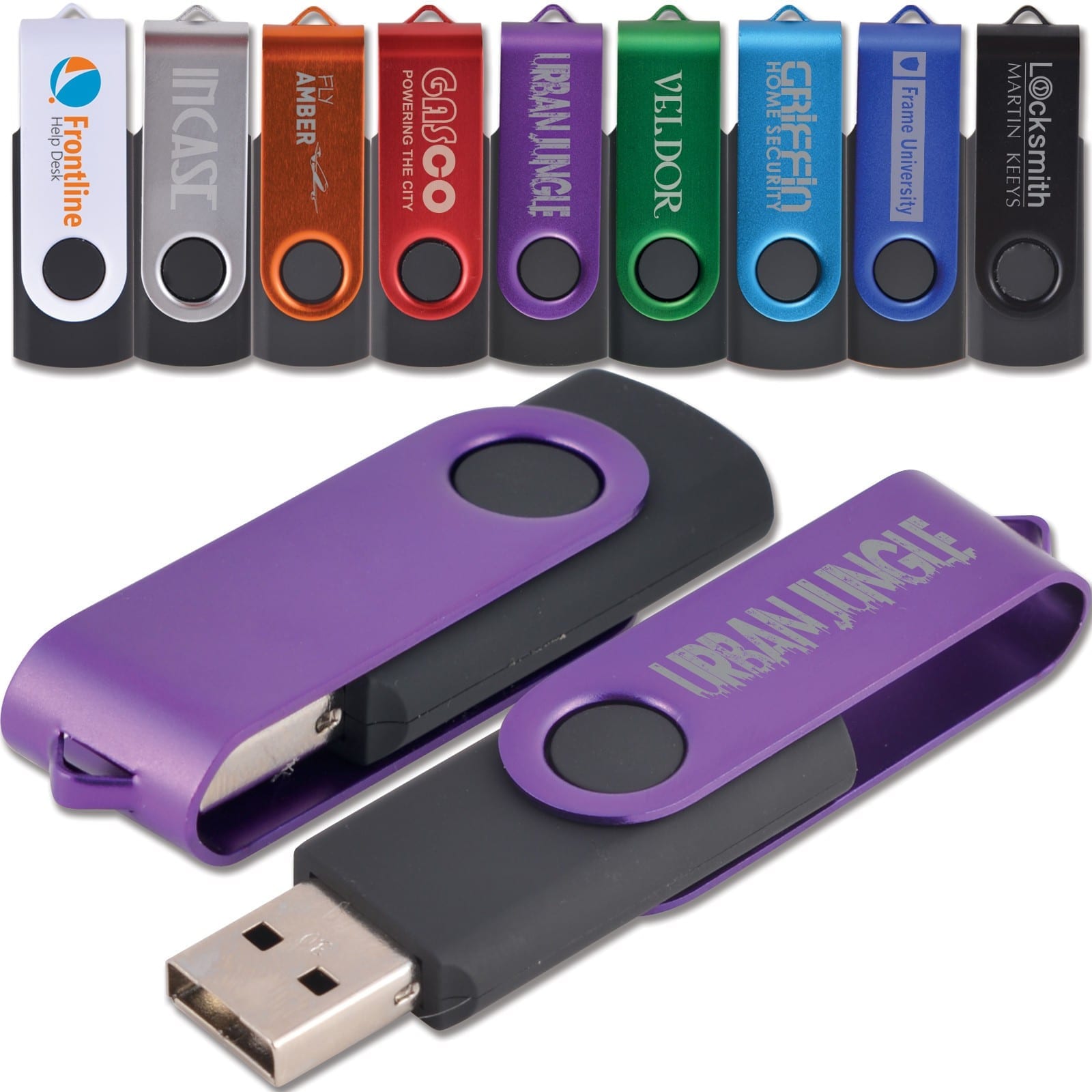
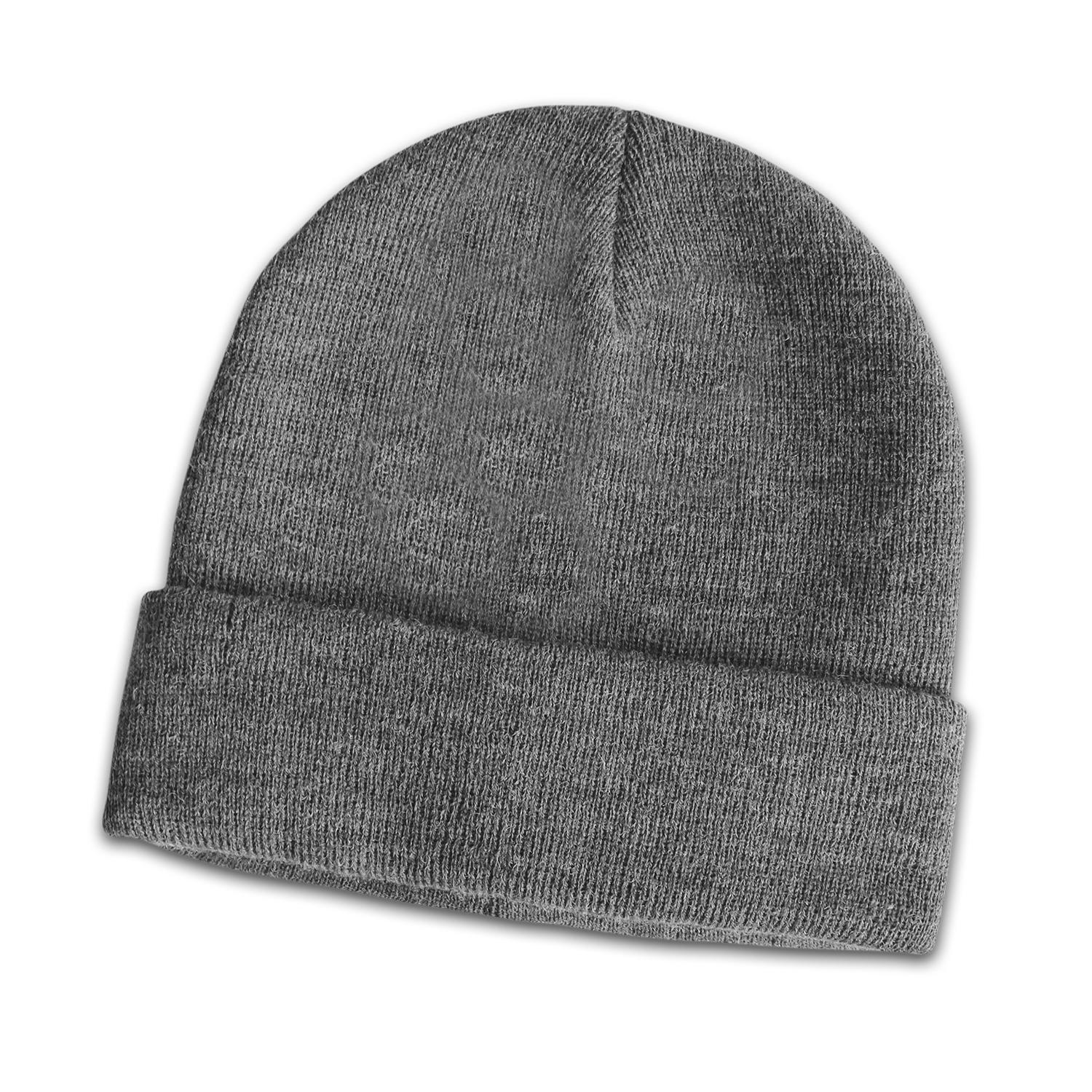
If you are looking for a cost-effective way to promote your brand and your business, you need to consider the benefits of giving cheap promotional products. Some examples include custom keyrings, pens, notepads, pencils, and bottle openers. What they are called, however, can be deceiving, but do not let the word, ‘cheap’ fool you, as it does not necessarily mean that the products are low-quality and flimsy. Rather, it pertains to the low initial cost those products have, as well as the savings they can provide to your business in the long run.
There are many ways that cheap promotional products can help you save money. Apart from the low initial cost, they do not require you to pay any ad space to be seen. So, every time people use those items, it would be like they are walking billboards or advertising your business for free. Giving high-quality promotional products can be a good way to engage potential customers, too. At the same time, you can count on the items to show customers that you care about them by giving them something they can use. People are more likely to remember where they got a promotional item and who gave it to them, and they are more likely to engage that business immediately or in the near future when they receive such items. This proves that you can conquer your market segment with cost-effective a promotional strategy.
Cheap promotional products have been a part of many cost-effective marketing and branding strategies for years, but to make yours stand out, you need to work with an established manufacturer that can understand your advertising and promotional campaign. Explore their selection of promotional products and corporate giveaways and pick an item or items that can best represent your business, or something that is relevant to your business. That way, the item can be more effective for branding.


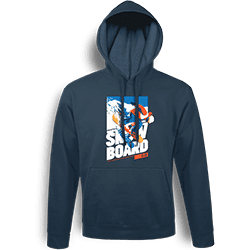
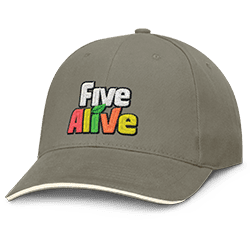




Colourflex transfers are a CMYK+W digital print process, used for branding apparel and fabrics.
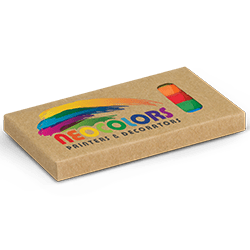
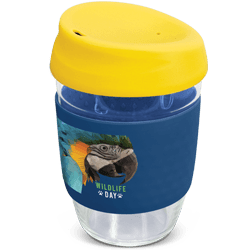
Direct to product digital printing involves the transfer of ink directly from the print heads of an inkjet machine to the product and can be used to produce both spot colour and full colour branding on flat or slightly curved surfaces.
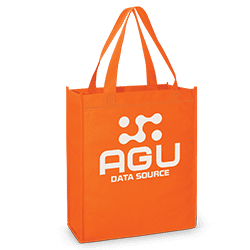
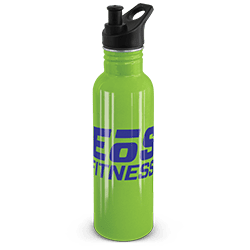
Screen printing is achieved by forcing ink through a fine mesh screen with a squeegee onto the product and is ideal for branding flat or cylindrical objects.
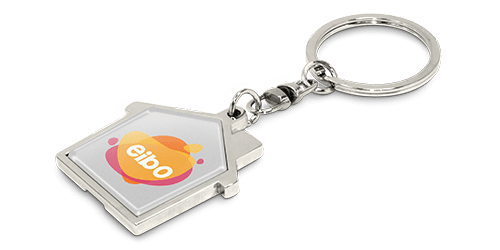
Resin coated finish is produced by printing the artwork onto a vinyl material with strong adhesive on the reverse. The branded area is coated with a crystal clear resin which is allowed to dry. Once dry, the finished decal is applied to the product and the adhesive forms a permanent bond.
Screen printing is achieved by forcing ink through a fine mesh screen with a squeegee onto the product and is ideal for branding flat or cylindrical objects.
This production method is used for printing media such as paper, vinyl and magnetic material used in the manufacture of labels, badges and fridge magnets etc.
Direct to product rotary digital printing involves the transfer of UV ink directly from inkjet print heads and can be used to produce both spot colour and full colour branding.
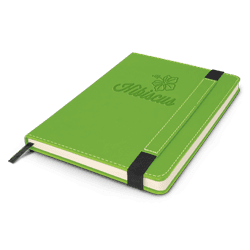
Debossing is produced by pressing a hot engraved metal plate into the surface of a product with a lot of pressure. This produces a permanent image below the surface of the product. Some products offer thermo debossing, which creates a stunning two-tone finish.
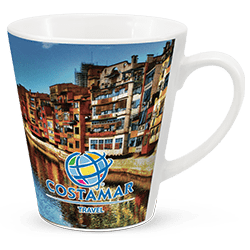
Sublimation print is used for branding products that have a special coating on them or fabrics suitable for the sublimation process. A transfer is produced by printing sublimation ink onto transfer paper and then heat pressing it onto the product.
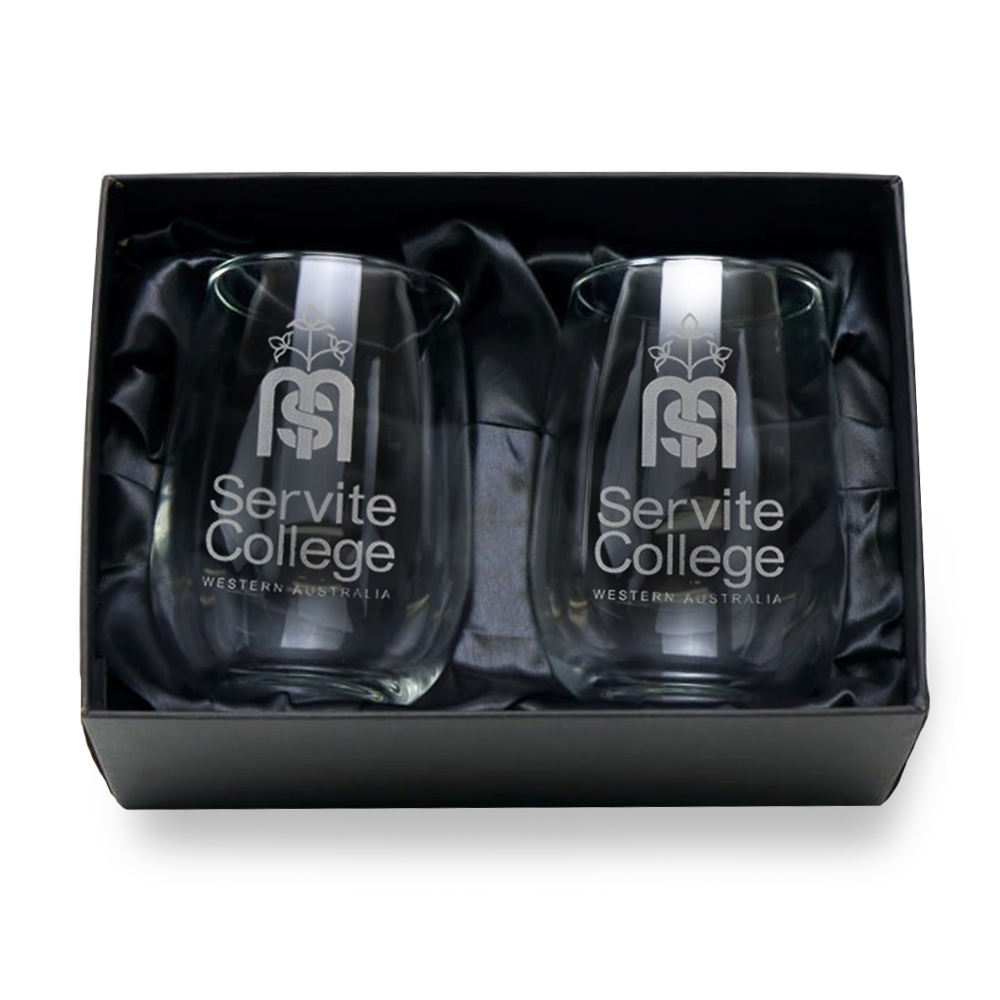
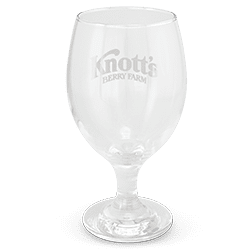
Imitation etch is a special pad printing ink used for producing an etch like effect on glass products.
Pad printing uses a silicone pad to transfer an image to a product from a laser etched printing plate. It is one of the most popular and affordable ways of branding promotional products due to its ability to reproduce images on uneven or curved products and print multiple colours in a single pass.